The Ancient Foundations of Jiu-Jitsu
Jiu-Jitsu's story begins centuries ago in feudal Japan, where samurai developed it as a battlefield art. This grappling system focused on using leverage, joint locks, and submissions to defeat armed opponents without weapons. Unlike striking arts, it emphasized ground control and technique over brute strength, making it ideal for smaller fighters against larger foes.
These early techniques laid the groundwork for what would become a global phenomenon. Practitioners honed skills in close-quarters combat, prioritizing efficiency and precision—principles that echo in today's Brazilian Jiu-Jitsu (BJJ) classes worldwide.
Mitsuyo Maeda: The Bridge to Brazil
The pivotal figure in BJJ's journey is Mitsuyo Maeda, a Japanese judoka and jiu-jitsu expert. In the early 1900s, Maeda traveled the world demonstrating his skills, blending judo throws with jiu-jitsu ground fighting. Known as "Conde Koma," he arrived in Brazil in 1914, settling in Belém.
Maeda befriended Gastão Gracie, a local businessman, and began teaching his son, Carlos Gracie. Maeda's curriculum included not just sport judo (Kodokan Judo) but the catch-as-catch-can wrestling influences he picked up in the U.S., along with pure jiu-jitsu submissions. This fusion created a unique style adapted for no-gi and gi grappling alike.
Carlos immersed himself fully, opening his first academy in Rio de Janeiro in 1925. He passed the knowledge to his brothers, especially Helio Gracie, who refined it further.
Helio Gracie: Revolutionizing the Art for the Everyman
Helio Gracie transformed the discipline. Physically smaller and frailer than his siblings, Helio couldn't rely on speed or power. Instead, he innovated by slowing down techniques, emphasizing leverage, balance, and precise positioning. He introduced concepts like the guard—using legs to control and attack from the bottom—which became BJJ's hallmark.
Helio's modifications made the art accessible to anyone, regardless of size. His challenge matches against larger opponents, including boxers and wrestlers, proved BJJ's effectiveness. These vale tudo bouts in 1930s Brazil showcased submissions winning over strikes, foreshadowing MMA's rise.
The Gracie Family's Expansion and Challenges
Carlos and Helio's academy grew, producing legends like George Gracie and Carlson Gracie. The family hosted the first BJJ tournaments, standardizing rules and belts. However, internal rivalries emerged, with Carlson forming his own lineage emphasizing aggression.
Rolls Gracie, Carlos's son, bridged traditional and sport BJJ in the 1970s. A prodigy, he integrated wrestling escapes and modernized training before his tragic death in 1982 at age 31. His influence lives on through students like Romero Cavalcanti and the Alliance team.
BJJ Goes Global: The UFC Catalyst
The 1990s marked BJJ's explosion, thanks to Royce Gracie. At UFC 1 in 1993, the 175-pound Royce submitted much larger fighters using Helio's techniques. His wins at UFC 2, 4, and 5 demonstrated grappling's dominance over striking, kickboxing, and wrestling.
This shifted perceptions: BJJ wasn't just a niche art but a game-changer. Academies sprouted worldwide, blending with wrestling for MMA success. Fighters like Murilo Bustamante and the Machado brothers carried the torch.
Modern Impact: From Gyms to the Octagon
Today, BJJ is integral to MMA, with champions like Charles Oliveira, Demian Maia, and Gordon Ryan showcasing elite skills. No-gi grappling events like ADCC highlight its evolution, while IBJJF tournaments preserve gi traditions.
Women's BJJ has surged, with pioneers like Mackenzie Dern and Gabi Garcia competing at the highest levels. The art's popularity spans kids' classes to pro circuits, fostering discipline, fitness, and self-defense.
In MMA training, BJJ complements striking and wrestling. Fighters drill positional sparring to master mount, side control, and back takes—essential for controlling opponents on the ground.
Gear Essentials for BJJ Training
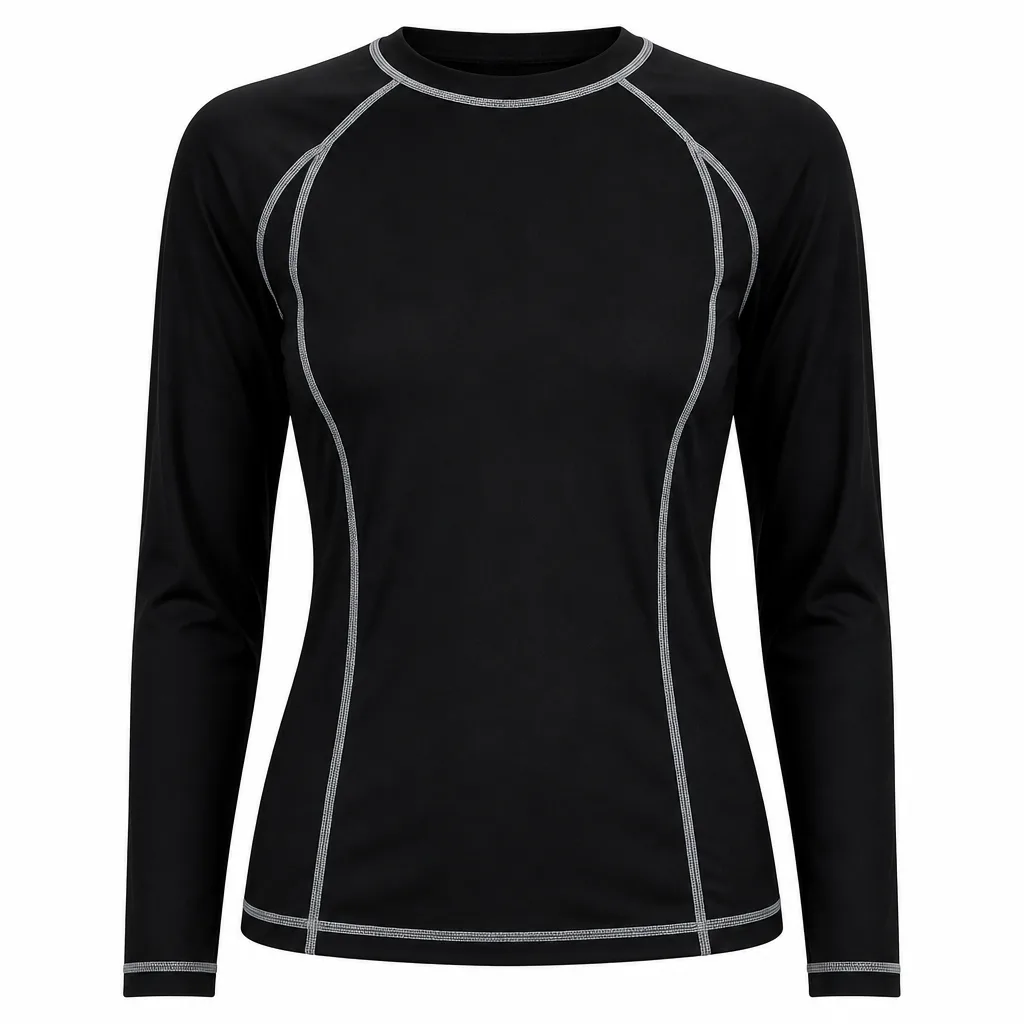
Whether gi or no-gi, quality equipment enhances your practice. A durable BJJ gi from brands like Hyperfly, Fuji, or Tatami provides grip and mobility. Rash guards and shorts prevent mat burns in no-gi sessions.
For MMA cross-training, pair BJJ with wrestling shoes or grappling dummies. At Apollo MMA, you'll find premium gear tailored for grapplers, ensuring you train like the pros.
Why BJJ Matters in Combat Sports Today
BJJ teaches patience, strategy, and resilience—skills transferable to boxing clinches, Muay Thai takedowns, and kickboxing ground escapes. Its emphasis on technique over athleticism empowers beginners and elites alike.
Join a local gym, start with fundamentals like shrimp escapes and armbars, and watch your game evolve. From samurai dojos to UFC cages, BJJ's legacy endures, shaping the future of martial arts.
Explore BJJ's roots to appreciate its depth. Whether competing or training recreationally, this art offers endless growth. Check out Apollo MMA for top-tier gis, nogi apparel, and accessories to fuel your journey.
---