Meet Lucas Rocha: From Competitor to Team Leader
Lucas Rocha is no stranger to the Brazilian Jiu-Jitsu world. As a highly accomplished black belt under the renowned Cobrinha lineage, he's racked up impressive wins on the international circuit, including IBJJF Worlds and Pans. Now, he's taking his expertise to the next level by founding Rocha BJJ, his own academy in the heart of Texas. In this deep dive, we explore what drove him to start his team, how he structures training sessions, and why the right gear—like a quality BJJ gi—plays a pivotal role in success.
For fighters across MMA, BJJ, and submission grappling, Rocha's journey offers valuable lessons. Whether you're rolling in a gi for traditional techniques or hitting no-gi drills for MMA applications, understanding an athlete like Rocha can sharpen your own path.
The Spark Behind Rocha BJJ
After years of globetrotting competitions and training under elite coaches, Rocha felt ready to build something of his own. Located in Texas—a hotbed for grappling talent—Rocha BJJ aims to foster a tight-knit community focused on long-term development. "I wanted a space where athletes could grow without the pressure of constant competition," Rocha explains. His academy emphasizes fundamentals, positional mastery, and live rolling that builds confidence.
This move mirrors trends in combat sports where top practitioners launch teams to pass on knowledge. Think of how MMA gyms like American Top Team started small and exploded. Rocha's vision includes open mats, kids' classes, and advanced seminars, making it accessible for beginners to pros.
Why Texas?
Texas boasts a vibrant BJJ scene with major events and a mix of styles. Rocha saw an opportunity to blend his Cobrinha roots—known for sharp, competition-proven jiu-jitsu—with local flavors. Proximity to major cities means attracting talent from wrestling backgrounds, perfect for no-gi and MMA cross-training.
Training Philosophy: Gi, No-Gi, and Balance
Rocha's sessions are structured for efficiency. Mornings kick off with drills honing entries to sweeps, passes, and submissions. Afternoons shift to sparring, with a focus on problem-solving under fatigue.
- Gi Training (60% of sessions): Rocha swears by gi work for grip fighting and control. "The gi teaches patience and precision," he says. It builds a foundation for clothing-based grips used in self-defense and sport. Brands like Hyperfly offer durable gis that withstand intense rolls without ripping—ideal for daily grinders.
- No-Gi Drills (40%): For MMA relevance, no-gi emphasizes speed and wrestling transitions. Rocha integrates takedowns and guard passing to prep students for tournaments like ADCC.
Practical tip: Rotate gi and no-gi weekly to avoid plateaus. Pair it with rash guards and shorts from trusted makers to prevent mat burns during sweaty sessions.
He stresses recovery too—active rest days with mobility work prevent injuries common in grappling. Nutrition? High-protein meals timed around training for optimal performance.
Gear That Fuels Success
As a Hyperfly athlete, Rocha highlights gear's role in training quality. A well-fitted gi enhances movement, while breathable fabrics keep you cool during long rolls. For no-gi, compression shorts and spats provide support without restriction.
When choosing gear at places like Apollo MMA:
- Gis: Look for pearl weave for durability; A1 to A3 sizing based on weight and height.
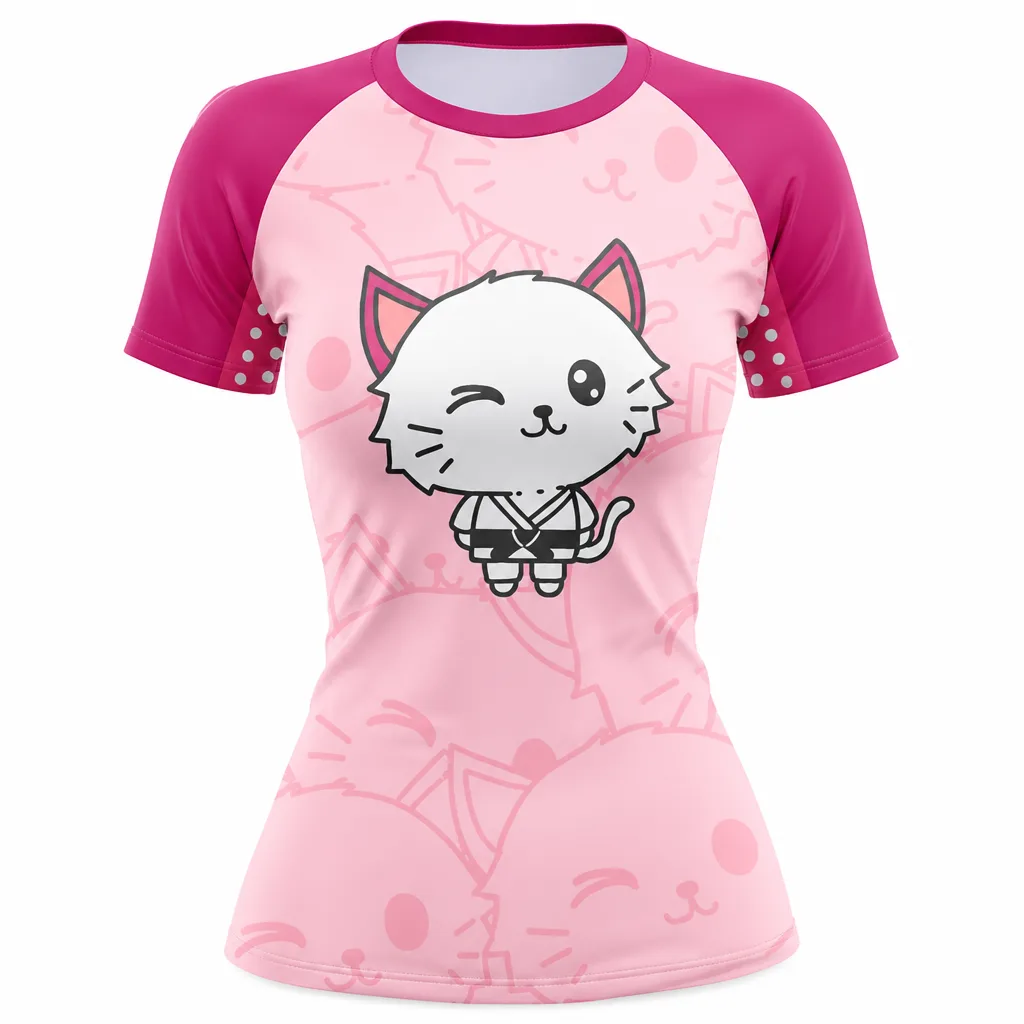
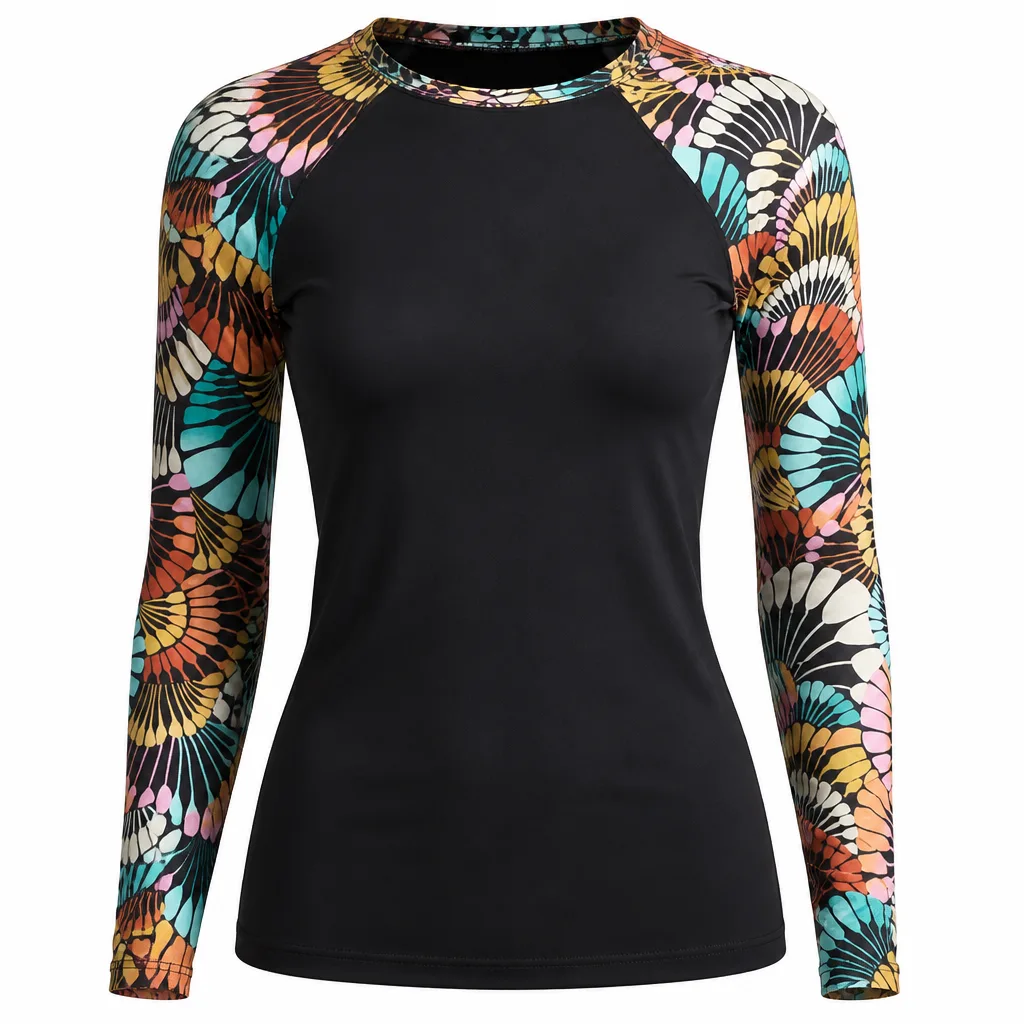
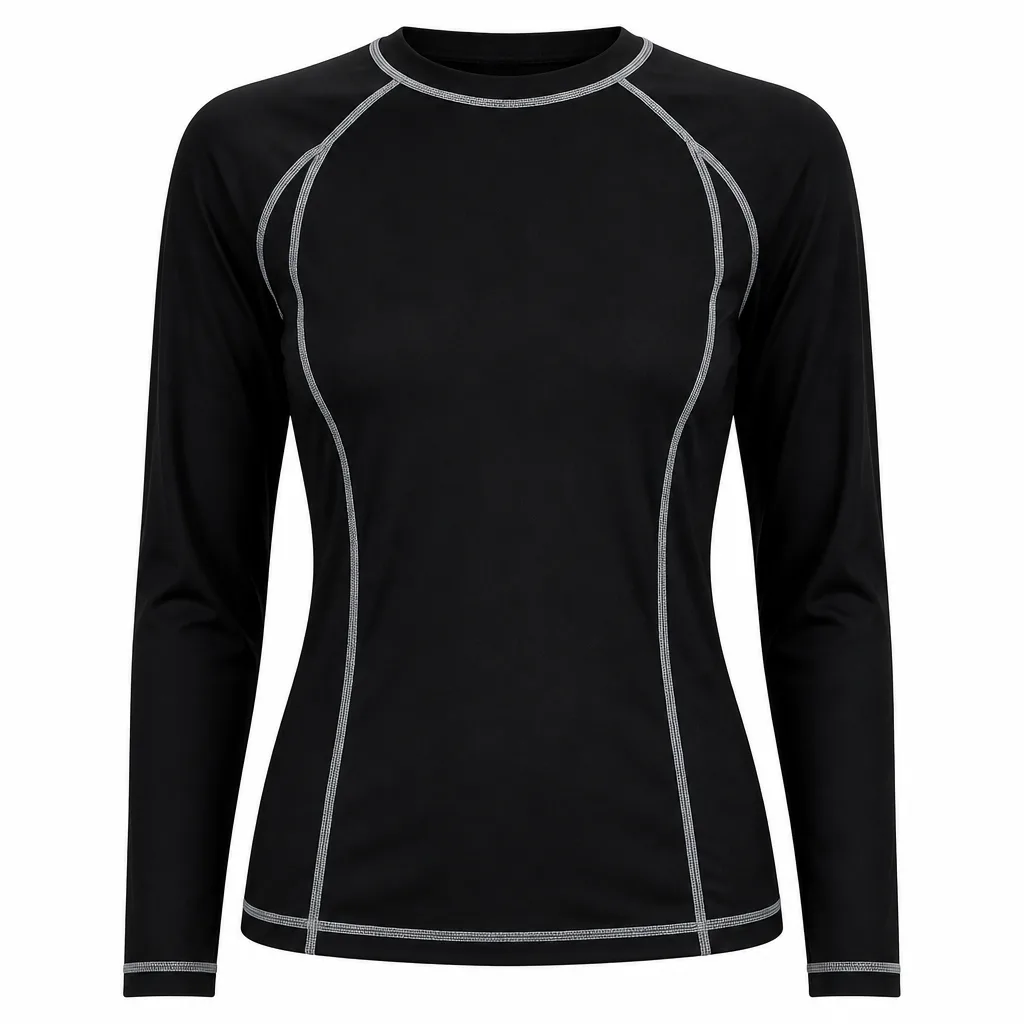
- Rash Guards: Long-sleeve for gi to block friction; short for no-gi speed.
- Essentials: Mouthguards, finger tape, and knee pads for injury prevention.
Rocha's setup includes Hyperfly gis for their fit and longevity, proving manufacturer quality matters over hype.
Advice for Aspiring Grapplers
Rocha shares gems for all levels:
Beginners
- Drill daily: Repetition builds instincts faster than sparring alone.
- Focus on posture: Poor defense loses matches.
Intermediates
- Study footage: Analyze your rolls like pros do post-fight.
- Compete smart: Choose divisions matching your strengths.
Advanced
- Teach to learn: Instructing exposes weaknesses.
- Cross-train: Wrestling bolsters takedowns; judo refines grips.
Real-world example: A student struggling with guard retention improved 50% after six weeks of Rocha's gi-focused positional sparring.
Challenges of Building a Team
Starting Rocha BJJ wasn't easy. Securing a location, attracting students, and balancing coaching with personal training tested him. Early hurdles included adapting Cobrinha's system to diverse skill levels. Solution? Tiered classes and personalized feedback.
He advises new coaches: Network via seminars, use social media for highlights, and prioritize culture over numbers. A positive vibe retains members long-term.
Future Plans for Rocha BJJ
Expansion is on the horizon—more locations, online courses, and camps. Rocha eyes integrating women's and kids' programs to grow the sport inclusively. Competitions? His team already medals at locals, aiming for Worlds podiums.
Why This Matters for Your Training
Rocha's story inspires beyond BJJ. In Muay Thai or kickboxing gyms, structured progression mirrors this. Boxing enthusiasts can apply grip/position lessons to clinch work. Gear from Apollo MMA equips you to train like Rocha—browse their BJJ and MMA collections for tournament-ready kits.
Whether launching your home gym setup or joining a team, prioritize philosophy over flash. Roll on, stay consistent, and gear up right.
(Word count: 1028)
---