Why Tactical Training is the Game-Changer in BJJ
If you've been grinding through fundamentals, technique drills, and strength conditioning in your BJJ progress plan, it's time to level up with tactical training. This phase bridges the gap between isolated skills and real-world application, preparing you for the chaos of live rolling and tournaments. Tactical work hones your decision-making under pressure, adapts your game to different opponents, and builds the mental edge needed to compete at higher levels. Whether you're into MMA, BJJ gi or no-gi, wrestling cross-training, or Muay Thai clinch work, these strategies translate across combat sports.
Think of tactical training as chess on the mats—strategic, adaptive, and unforgiving. We'll break it down into four progressive phases, each building on the last. Aim for 2-3 sessions per week, 45-60 minutes each, after warming up with mobility and light drilling. Track your sessions in a journal: note wins, escapes, and adjustments.
Phase 1: Positional Sparring – Build Your Foundation
Start here to isolate positions without the frenzy of full rolls. This refines your A-game while exposing holes in defense. It's perfect for beginners solidifying basics or advanced athletes tweaking submissions.
How to Structure It:
- Choose Key Positions: Focus on 3-4 scenarios per session, like closed guard vs. passing, side control retention, or back attacks. Rotate weekly to cover your full arsenal.
- Rules of Engagement: One partner starts in the dominant position (e.g., top side control). The bottom player works escapes or sweeps for 3-5 minutes. Switch roles. No submissions unless specified.
- Add Resistance Gradually: Beginner: 50% effort. Intermediate: Match intensity. Advanced: Full resistance with strategic counters.
Real-World Example: If you're prepping for a BJJ tourney, drill guard passing from knee-on-belly. Your partner resists with frames and hip escapes—force adaptations like torreando passes or leg drags.
Phase 2: Shark Tank – Pressure Test Your Weaknesses
Named for its sink-or-swim intensity, the Shark Tank throws you into a pool of fresh opponents who know your game. It's brutal but builds resilience and exposes patterns.
Setup and Execution:
- Group Size: 4-6 partners, rotating every 3-5 minutes.
- Format: You roll sequentially while others watch and provide feedback. Start from neutral or a disadvantage (e.g., their guard).
- Intensity: 70-80% effort. Focus on survival first, then offense.
- Wrestling Focus: Emphasize takedowns and sprawls.
- MMA Twist: Allow light punches from top to mimic ground-and-pound.
- No-Gi: Speed up with wrestling grips and ashi garami risks.
Actionable Tip: End with a debrief: "What worked? What got you tapped?" Apply fixes next session. Elite fighters like Gordon Ryan swear by this for tournament prep.
Phase 3: Full Sparring – Integrate and Flow
Now unleash everything in unrestricted rolls. This is where tactics meet chaos, developing your live game flow.
Guidelines for Success:
- Round Structure: 5-8 minute rounds, 4-6 per session. Start standing for takedown integration.
- Partner Matching: Mix sizes, styles, and belts. Roll with higher belts for defense, peers for offense.
- Scoring System (Optional): Award points for sweeps (2), passes (3), mounts/back (4) to gamify and track dominance.
- Chain Attacks: If armbar fails, flow to triangle or omoplata.
- Grip Fighting: Battle for dominant grips early—collar vs. sleeve in gi.
- Energy Management: Conserve for finishes; avoid early gas-outs.
Common Pitfalls to Avoid:
- Over-gripping (leads to stalls).
- Ignoring the clock (pace for 10-minute tourney rounds).
- Ego rolling (tap early, learn fast).
Phase 4: Competition Simulation – Peak Performance Mode
Mimic tournament conditions to wire your brain for victory. This is your dress rehearsal.
Full Simulation Protocol:
1. Warm-Up: 10 minutes light rolling + positionals. 2. Bracket Rounds: 5-minute matches with 2-minute breaks. Use a fake bracket: winners advance, losers to consolation. 3. Ruleset: Pick your target (IBJJF, ADCC, local MMA rules). Include points, advantages, refs if possible. 4. Scoring & Refs: Have a coach judge. Penalize stalling.Enhancements:
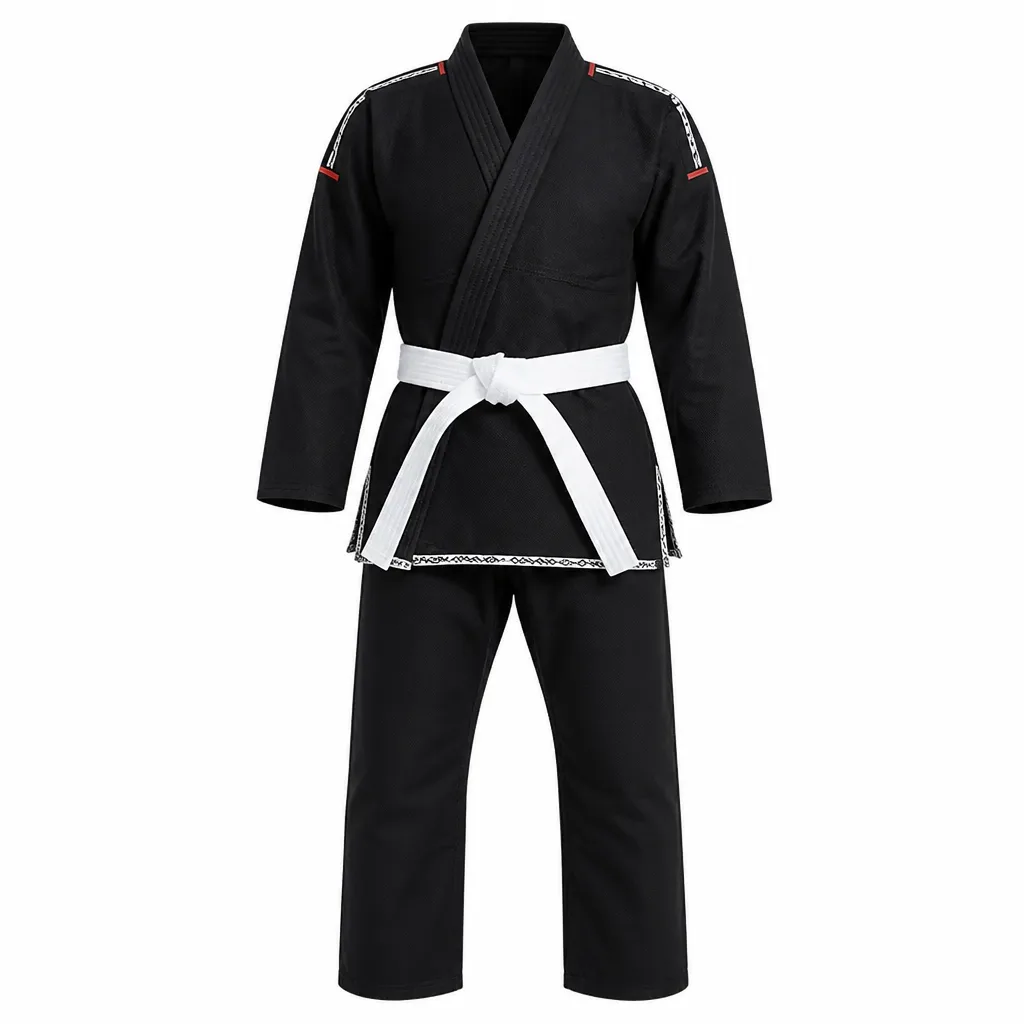
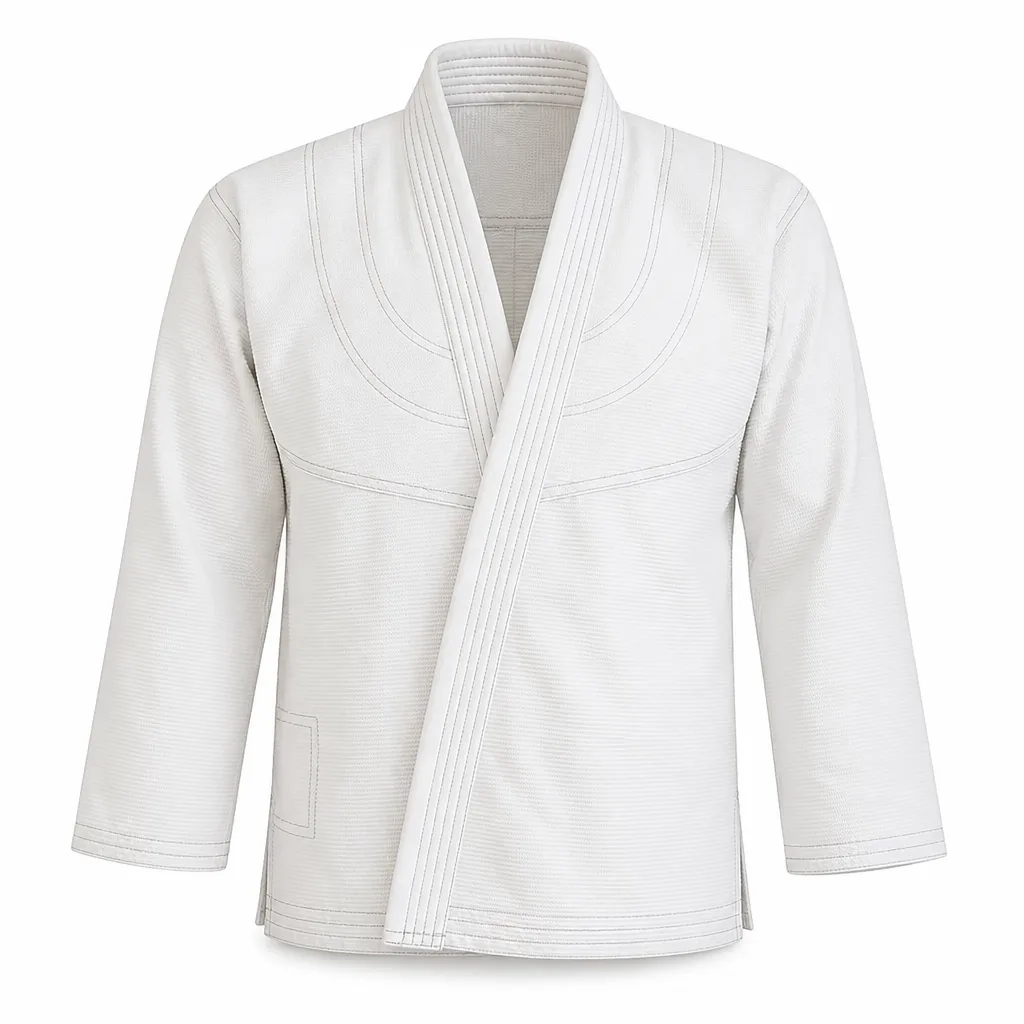
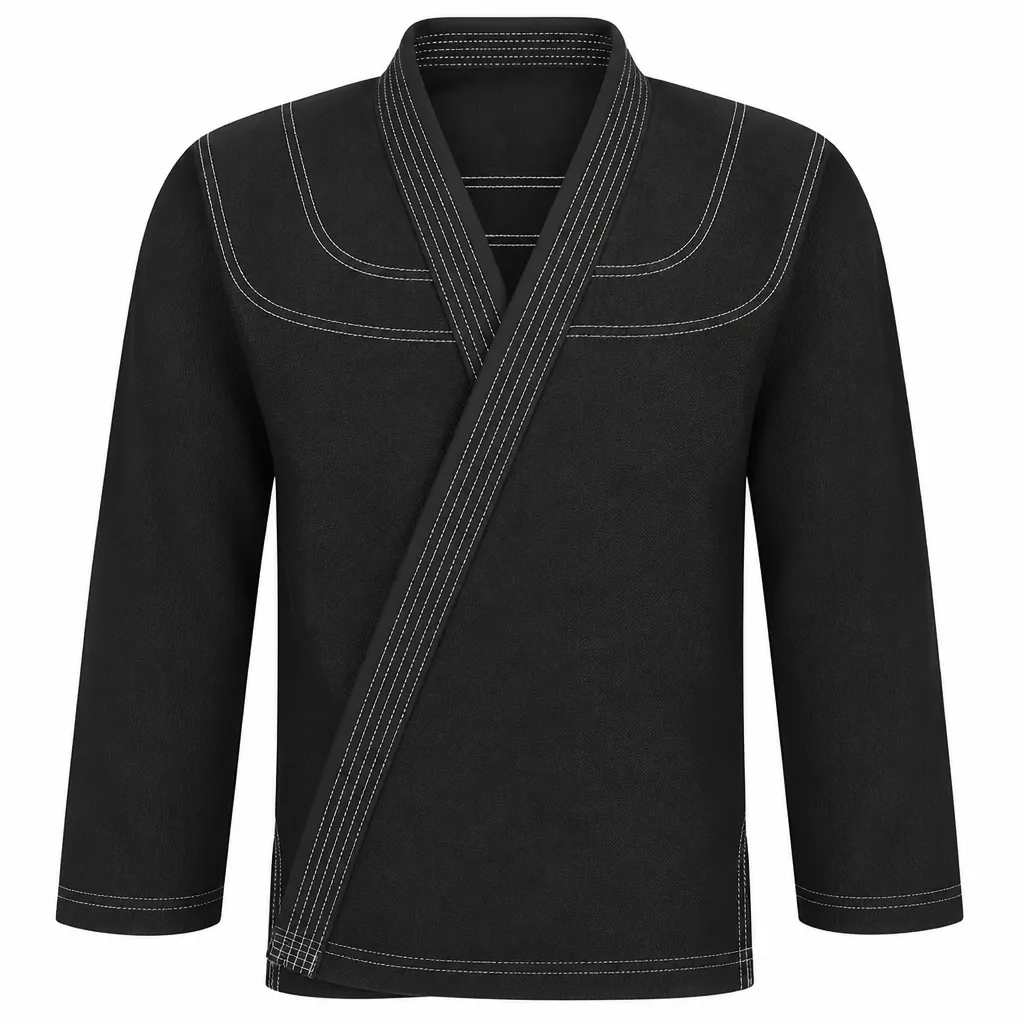
- Gear Up: Wear your competition gi or rash guard from brands like Hyperfly, Tatami, or Origin. Test sizing under sweat.
- Mental Prep: Visualize entries, crowd noise via headphones.
- Recovery: Ice baths or mobility post-session.
Duration: One full sim per week, building to 6-8 'matches.' Analyze footage for micro-adjustments.
Partner Selection and Progression
Variety is king:
- White/Blue Belts: Drill fundamentals with equals.
- Purple+: Shark tank with superiors.
- Big/Small, Aggressive/Passive: Adapt to all archetypes.
Progress by metrics: submission rate, guard pass %, survival time from bad spots. Plateau? Add resistance or rules (e.g., no guard pulls).
Gear Essentials for Tactical Sessions
Invest in durable gear to match the intensity:
- Rash Guards & Spats: Sanabul or Venum for no-gi grip-free movement.
- Gi: Hyperfly or Fuji for gi days—check Apollo MMA for premium fits.
- Mouthguards & Finger Tape: Prevent injuries during heavy contact.
Browse Apollo MMA for top-tier BJJ apparel that withstands tactical grinds.
Final Thoughts: Roll Smart, Compete Fierce
Tactical training isn't just practice—it's your edge in BJJ, MMA, or any grappling art. Commit to these phases, track progress, and watch taps turn into submissions. Consistency beats intensity; pair with nutrition and recovery for peak gains. Ready to dominate? Hit the mats and transform your game today!
(Word count: 1128)
---