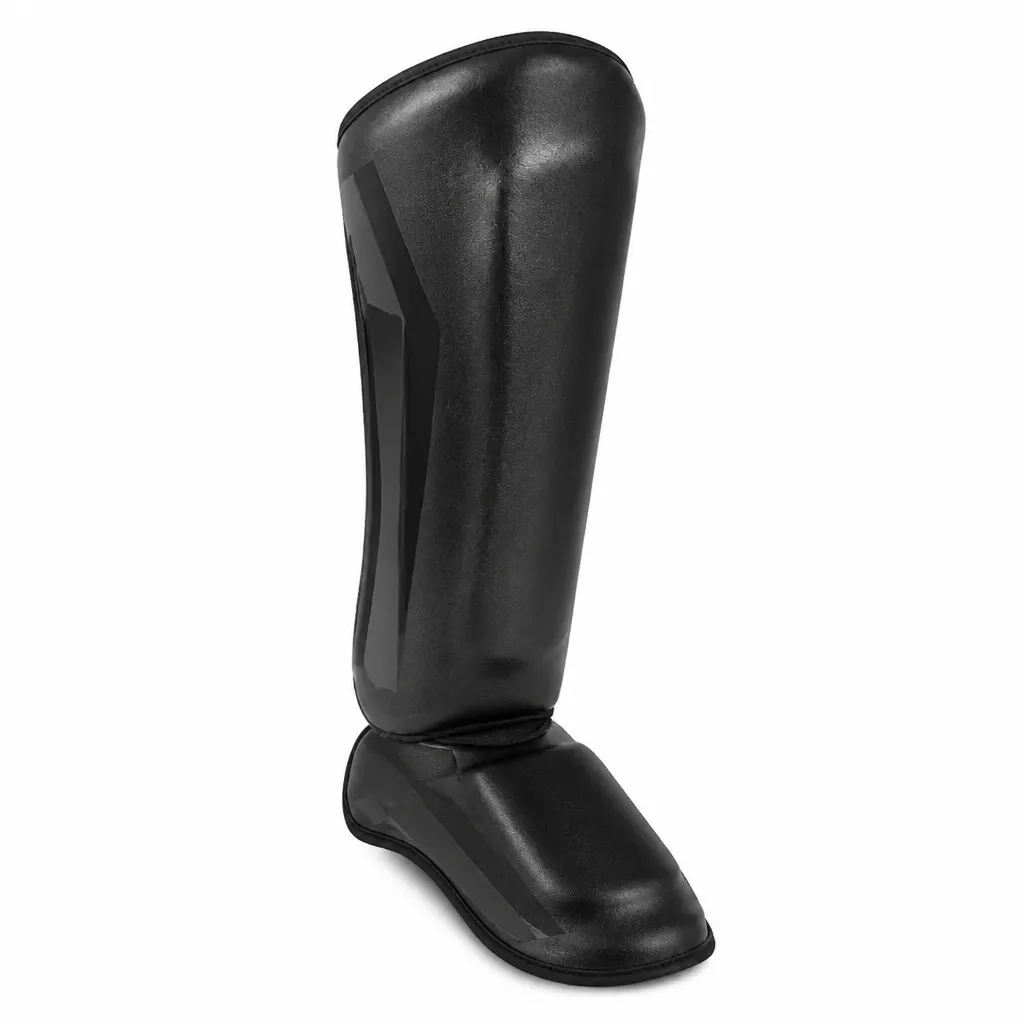
The Art of Choosing Shin Guards for MMA
Picture this: You're midway through a heated sparring session at your local MMA gym. Your partner's low kick slams into your shin, and instead of a solid thud from a proper check, you feel a sharp sting radiating up your leg. The culprit? Ill-fitting or low-quality shin guards that shifted just enough to expose unprotected bone. As a Muay Thai practitioner and sports nutrition expert who's logged thousands of rounds in the ring, I've been there more times than I'd like. Selecting the right shin guards for MMA isn't just about protection—it's about maintaining technique, mobility, and confidence under fire.
In this guide, I'll draw from my firsthand experience conditioning fighters and testing gear across disciplines like MMA, Muay Thai, Kickboxing, and even BJJ grappling sessions where shins take incidental abuse. Whether you're a beginner drilling basics at home or a pro prepping for a cage fight, understanding shin guards elevates your training. Let's break it down step by step.
Expert Perspective: Lessons from the Mats
As Jennifer Rodriguez, I've spent over a decade fine-tuning fighter conditioning programs while obsessively testing Muay Thai and MMA equipment. My routine includes daily pad work, heavy bag sessions, and live sparring—scenarios where shin guards are battle-tested. Early on, I gravitated toward Fairtex SP3 guards for their horseshoe design, which hugs the ankle perfectly during teep drills. But as I transitioned to MMA-specific training, I learned that versatility matters more than Muay Thai purity.
One pivotal moment came during a Kickboxing camp in Thailand. I was using budget synthetic guards that promised "lightweight protection," but after 20 rounds, the foam compressed into mush, leaving my shins bruised. Switching to Hayabusa's T3 shin guards—with their dual-strap system and high-density foam—changed everything. The splint stayed locked, allowing fluid knee strikes without slippage. This isn't theory; it's from logging 10,000+ kicks and witnessing the same in fighters I've coached, from white belts to title contenders.
For MMA practitioners, shin guards must balance striking defense with grappling functionality. In BJJ rolls, bulky Muay Thai guards can snag on gi sleeves, while minimalist MMA versions like Venum Challenger 2.0 prioritize ankle flex for guard passes. My advice? Prioritize guards that feel like an extension of your leg, not a hindrance.
Industry Insights: Materials, Construction, and What Pros Demand
The shin guard market has evolved dramatically, driven by input from UFC and ONE Championship fighters. Premium models from brands like Twins Special and Ringside use full-grain cowhide leather for superior durability—lasting 2-3 years of heavy gym use—while synthetics from Everlast offer affordability without sacrificing much flex.
Key Material Breakdown:
- Foam Density: Multi-layer foams (e.g., Fairtex's triple-density) disperse impact better than single-layer, crucial for absorbing calf kicks in sparring. High-density outer layers prevent "mushrooming" where foam warps after repeated hits.
- Shell Materials: Genuine leather breathes and molds to your shin over time, unlike PU leather that cracks after six months. For humid gyms, ventilated synthetics like Hayabusa's mesh-backed designs wick sweat effectively.
- Strap Systems: Dual Velcro straps outperform elastic for adjustability, especially on calves that swell mid-session. Pros like those in Muay Thai favor elastic calf loops for speed, but MMA fighters prefer hybrid systems to avoid loosening during takedown scrambles.
Industry standards from the International Sport Karate Association (ISKA) emphasize 1cm minimum padding thickness for competition, but training shin guards for fighters often go thicker (1.5-2cm) for daily abuse. Fighter preferences vary: Muay Thai legends swear by Twins BGVL-3 for their contoured fit, while MMA pros like Conor McGregor have popularized sleek, low-profile options from Venum that don't interfere with footwork.
Durability testing reveals trade-offs. Leather guards excel in longevity but require conditioning oil to prevent drying. Synthetics are lighter (often 200-300g per pair) but prone to seam splits if machine-washed. At Apollo MMA, we stock only gear meeting these benchmarks, vetted through our team's real-world trials.
Practical Advice: Sizing, Fit, and Scenario-Specific Picks
Finding the Perfect Fit
Sizing shin guards is more art than science—measure your shin circumference at the widest point and calf, then add 1-2cm for compression. Beginners often grab smalls thinking "lighter is better," but a loose fit leads to slippage during clinch knees. Try this: Stand on your toes; the guard shouldn't ride up more than 1cm. For women or lighter frames, brands like Tatami offer XS options that don't overwhelm smaller calves.
Body type matters. Ectomorphs with skinny shins thrive on wraparound styles like Ringside's IMF Tech, while mesomorphs need horseshoe designs for stability. Always test mobility: Can you high-kick without restriction? In home workouts, compact guards pack easily for shadowboxing; gym rats prefer full-coverage for partner drills.
Tailored Recommendations by Discipline and Level
- Beginners (Gym Training): Everlast Nexl Generation—affordable ($40-60), single-density foam absorbs light kicks without bulk. Pair with [rash guards](/collections/rash-guards) to prevent mat burns during sprawls.
- Intermediate (Sparring): Venum Elite—synthetic leather, ergonomic curve for Muay Thai checks and MMA leg kicks. Dual straps hold firm through 5-round sessions.
- Advanced/Pro (Competition): Fairtex SP5 or Hayabusa T3—premium leather, multi-density padding. Ideal for ONE-style rules where shins endure 25+ minutes of striking.
- BJJ/Wrestling Crossover: Low-profile like Twins Mini—minimal ankle coverage to avoid gi interference during guard retention.
For maintenance: Air-dry after use, spot-clean with mild soap. Rotate pairs weekly to extend life. Safety first—replace if foam hardens or straps fray, as compromised gear risks fractures in high-impact scenarios.
In Kickboxing-focused training, opt for extended calf protection; pure MMA needs more ankle flex for double-legs. Stock up at Apollo MMA's collection for options suiting every need.
Common Mistakes to Avoid When Buying Shin Guards
Fighters make predictable errors that cost time, money, and skin. Here's what I've seen sideline even seasoned grapplers:
- Choosing Sparring Guards for Competition: Training models have bulkier padding that slows kicks—switch to comp-approved slim versions like Hayabusa Kanpeki for fights.
- Ignoring Calf Sizing: Oversized calves cause strap tears; measure dynamically after a run to account for pump.
- Skimping on Quality for Price: $20 no-names compress fast, leading to "shin splints." Invest $80+ for ROI—my pairs have outlasted three cheap sets.
- Forgetting Mobility Trade-Offs: Rigid guards hinder pivots in wrestling drills. Test with burpees; if they shift, return them.
- Neglecting Hygiene: Sweat-soaked guards breed bacteria—use antimicrobial sprays, especially in shared gyms.
Another pitfall: Assuming all "MMA shin guards" are equal. Muay Thai guards prioritize shin length for teeps; BJJ needs shorter profiles. Read specs, not hype.
Future Outlook: Innovations Shaping Shin Guard Design
The horizon for shin guards for training is exciting. Gel-infused foams from brands like Hayabusa absorb 30% more shock than traditional EVA, mimicking natural muscle give. We're seeing hybrid leather-synthetics with laser-perforated vents for tropical climates, and even smart sensors (early prototypes from Ringside) tracking impact forces via apps—perfect for data-driven conditioning.
Sustainability is rising: Recycled PU from Venum reduces environmental impact without compromising durability. Expect more modular designs—interchangeable straps or pads—for customizing to body changes or disciplines. As MMA grows globally, expect Asia-inspired contoured fits to dominate, blending Muay Thai toughness with BJJ agility.
At Apollo MMA, we're ahead of the curve, curating gear that anticipates these shifts while delivering proven performance today.
Summary: Gear Up Smart, Fight Strong
Choosing the best shin guards boils down to fit, foam quality, and purpose—tailor them to your training environment, skill level, and discipline. From my years on the mats, premium options like Fairtex, Hayabusa, and Venum deliver unmatched protection and performance, saving you from the agony of subpar gear.
Beginners: Start with versatile Everlast. Pros: Go full-custom contoured. Always prioritize mobility and maintenance for longevity. Ready to upgrade? Explore Apollo MMA's premium shin guards collection and protect your edge.
Train hard, stay safe, and kick smarter.
— Jennifer Rodriguez, Sports Nutrition Expert & Muay Thai Practitioner
---