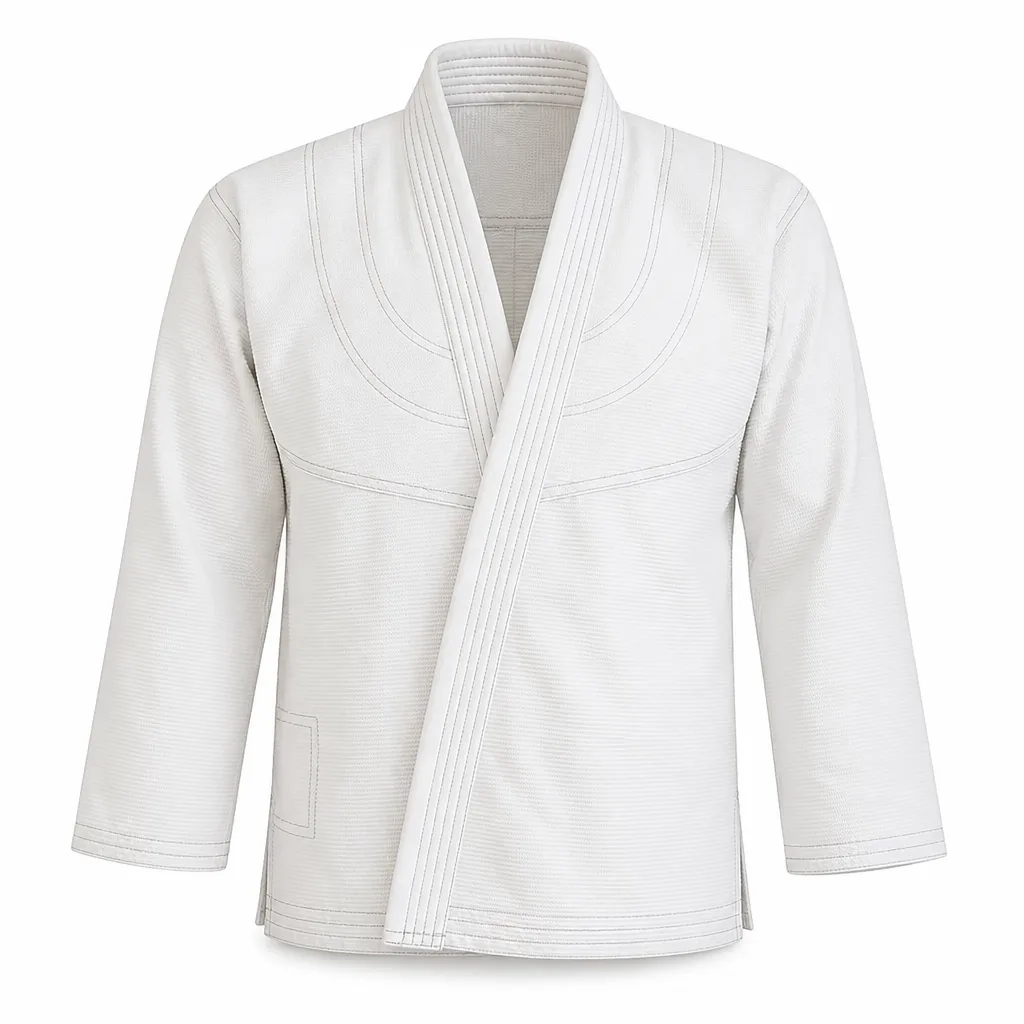
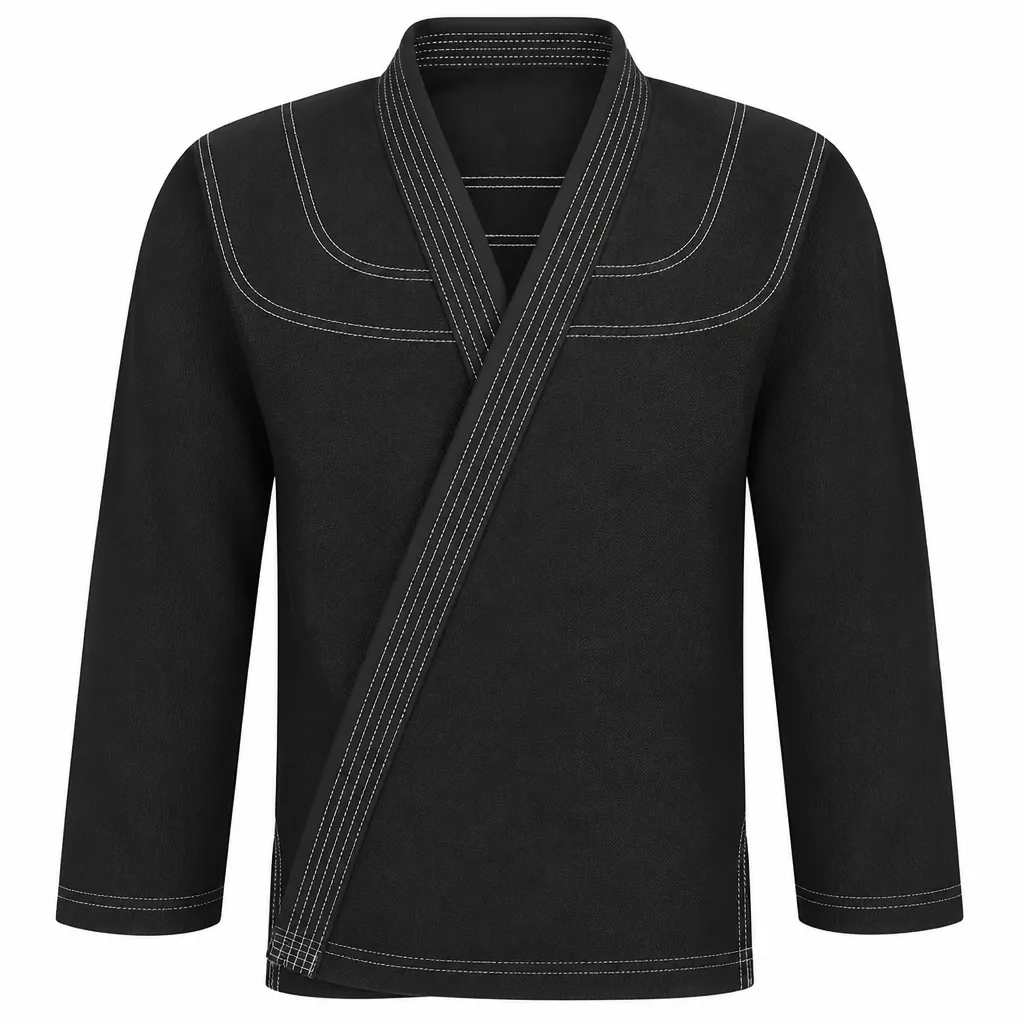
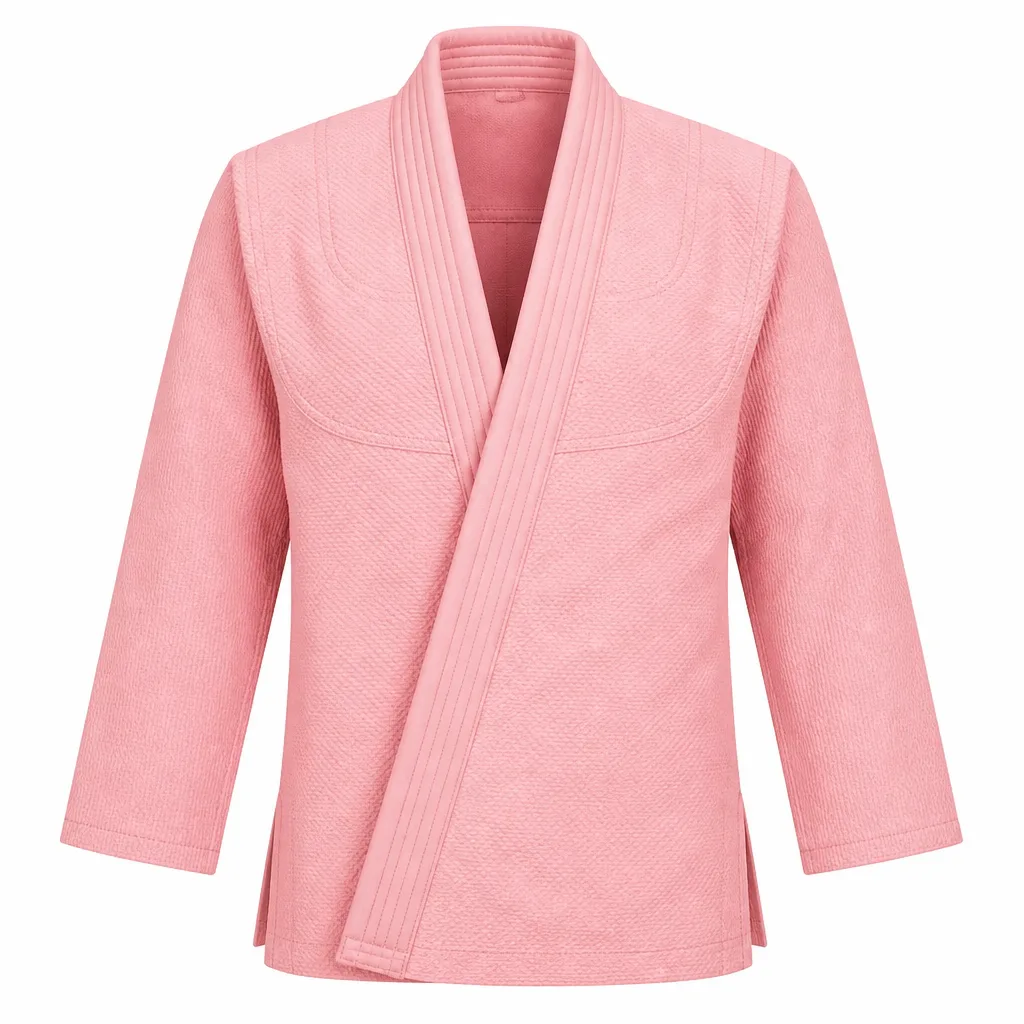
Understanding the BJJ Gi: Foundation of Grappling Gear
In Brazilian Jiu-Jitsu (BJJ), Muay Thai, wrestling, and mixed martial arts (MMA), the gi serves as more than just clothing—it's a critical tool that influences grip strength, movement, and technique execution. Traditionally rooted in judo uniforms, the modern BJJ gi has evolved to meet the demands of intense training and competition across combat sports. Made primarily from cotton or cotton blends, gis provide the friction necessary for grips while allowing breathability during long sessions.
Fighters transitioning from no-gi grappling to gi-based disciplines often underestimate its role. A well-fitted gi enhances collar chokes, sleeve grips, and lapel controls, making it indispensable for BJJ practitioners. Whether you're rolling on the mats in a gym or prepping for a tournament, selecting the right gi can elevate your performance.
Evolution of the Gi in Combat Sports
The gi traces its origins to the kanji (judo uniform) developed in the late 19th century by Jigoro Kano. As BJJ branched from judo in the early 20th century under the Gracie family, the gi adapted to emphasize ground fighting. Over decades, innovations like varying weaves and lighter fabrics emerged to suit different body types and climates.
Today, gis are staples not just in BJJ but also in judo, sambo, and some MMA formats. Brands like Hyperfly, Shoyoroll, Tatami, and Fuji continue to push boundaries with collections inspired by training environments, blending functionality with style.
Gi Weaves Explained: Strength, Weight, and Feel
The weave determines a gi's durability, weight, and grip texture. Here's a breakdown of the most common types:
Pearl Weave (Single Weave)
- Characteristics: Lightweight (around 375-450gsm), smooth texture with balanced grip.
- Best for: Beginners, hot climates, or those prioritizing mobility. Ideal for extended drilling sessions without overheating.
- Pros: Quick drying, less abrasive on skin.
- Cons: Less durable for heavy gripping in advanced rolls.
- Real-world tip: Perfect for white belts building fundamentals in MMA academies where gi and no-gi alternate.
Gold Weave (Double Weave)
- Characteristics: Heavier (550-650gsm), tighter weave for superior strength.
- Best for: Competitors and heavier athletes needing robust grips.
- Pros: Resists tearing, enhances control in submissions.
- Cons: Slower to dry, hotter in warm gyms.
- Example: Used by pros in IBJJF tournaments for its reliability under pressure.
Honeycomb Weave
- Characteristics: Hexagonal pattern (450-500gsm), flexible yet tough.
- Best for: All levels seeking a balance of speed and durability.
- Pros: Excellent breathability, unique grip feel.
- Tip: Great for wrestling cross-trainers incorporating gi work.
Crystal Weave
- Characteristics: Ultra-tight diamond pattern, featherlight (350gsm).
- Best for: Speed-focused grapplers in lightweight divisions.
- Pros: Minimal weight, fast drying.
Gi Weights and Fabrics: Matching Your Needs
Gi fabric weight, measured in grams per square meter (gsm), affects everything from comfort to longevity:
- Lightweight (350-450gsm): For agility in kickboxing-gi hybrids or tropical training.
- Midweight (450-550gsm): Versatile for most BJJ practitioners.
- Heavyweight (550+gsm): Tournament beasts for maximum grip.
Cotton-dominant fabrics shrink 2-10% initially, so pre-wash instructions are key. Some modern gis incorporate polyester for reduced shrinkage and faster drying, beneficial for frequent travelers competing in events like ADCC or UFC gym affiliates.
Mastering Gi Sizing: Avoid Common Pitfalls
Ill-fitting gis lead to sloppy grips and restricted movement. Measure chest, waist, hips, and inseam accurately:
| Size | Height | Weight | Chest |
|------|--------|--------|-------|
| A1 | 5'2"-5'5" | 110-135lbs | 34-37" |
| A2 | 5'6"-5'9" | 135-160lbs | 37-40" |
| A3 | 5'10"-6'1"| 160-190lbs | 40-43" |
| A4 | 6'2"+ | 190+lbs | 43-46" |
- Tips:
- Order one size up if between sizes for shrinkage.
- Pants should sit mid-calf when standing; jacket sleeves to wrist bone.
- Women-specific cuts offer narrower shoulders and higher collars.
- Test fit: Pant leg cuff should be 1-2 inches from ankle; allow space for knee shields.
For MMA fighters, ensure gi compatibility with rash guards underneath for no-gi transitions.
Maintenance and Care: Prolong Your Gi's Life
Proper care prevents fading, shrinkage, and bacteria buildup:
1. Wash: Cold water, gentle cycle, no bleach. Wash inside-out to protect embroidery.
2. Dry: Air dry flat or hang—avoid dryers to prevent 20% shrinkage.
3. Stain Removal: Vinegar soak for sweat stains; baking soda for odors.
4. Storage: Dry, cool place away from sunlight.
Pro tip: Rotate 2-3 gis to allow full drying between uses, reducing mat burns and extending lifespan to 2+ years.
Choosing Your Ideal Gi: Factors for Every Fighter
- Training Frequency: Daily rollers need durable double weaves.
- Body Type: Taller frames opt for F sizes; stocky builds A2/A3.
- Budget: Entry-level $80-120; premium $150-250 with IBJJF approval.
- Style: Collections like Hyperfly's Classroom series infuse personality without sacrificing performance.
Integrating Gis into Broader Combat Training
Gis build grip endurance transferable to boxing clinches or Muay Thai plum grips. In MMA gyms, gi drills sharpen transitions to wrestling takedowns. Pair with quality shin guards, mouthguards, and gloves from trusted brands like Fairtex or Hayabusa for complete setups.
Explore collections at Apollo MMA for gis from top manufacturers tailored to your discipline. Whether stacking subs in BJJ or dominating in the cage, the right gi is your silent training partner.
This guide equips you to select, maintain, and maximize your gi investment for peak performance across grappling arts.
---