Why Boxing Bag Matters for Combat Sports
By David Thompson, Equipment Specialist and Former Boxing Coach
The humble boxing bag has roots stretching back over 2,000 years. Ancient Greek pankratiasts—early mixed martial artists—pounded leather-stuffed dummies called palli to hone their strikes, much like today's fighters do. Fast forward to the 19th century, when the modern boxing bag evolved in England, transforming from a crude training tool into a cornerstone of combat sports. Whether you're shadowboxing in a dimly lit gym or unleashing combos on a heavy bag during an MMA session, the boxing bag remains indispensable. In this guide, we'll dive into why a quality boxing bag matters for fighters across disciplines, backed by my 20+ years testing gear for boxers, Muay Thai strikers, and UFC pros.
1. Builds Explosive Power and Precision Striking
Nothing simulates the impact of a real opponent like a boxing bag for training. I've coached fighters who could barely throw a jab without gassing out, only to see them develop knockout power after consistent bag work. The bag forces you to generate force through proper hip rotation, weight transfer, and follow-through—fundamentals that translate directly to the ring or cage.
Consider the physics: a well-filled heavy bag swings minimally on impact, providing feedback on your power generation. Punch too lightly, and it barely moves; hit with intent, and it recoils like a body shot landing on a live opponent. In my experience testing bags from brands like Everlast and Fairtex, those made with multi-layered synthetic leather and high-density foam cores (like 40-60lbs of shredded rubber or textile filling) deliver the most realistic "give" without bottoming out.
Real-World Applications Across Skill Levels
- Beginners in Boxing or Kickboxing: Start with 80-100lb bags hung at chest height to focus on form. They build confidence without overwhelming feedback.
- Intermediate MMA Fighters: Opt for 100-120lb MMA boxing bags to practice elbows, knees, and low kicks—essential for cage work where space is tight.
- Advanced Muay Thai Strikkers: Teardrop-shaped bags (e.g., Fairtex's Muay Thai models) mimic a moving head, perfect for clinch-range teeps and hooks.
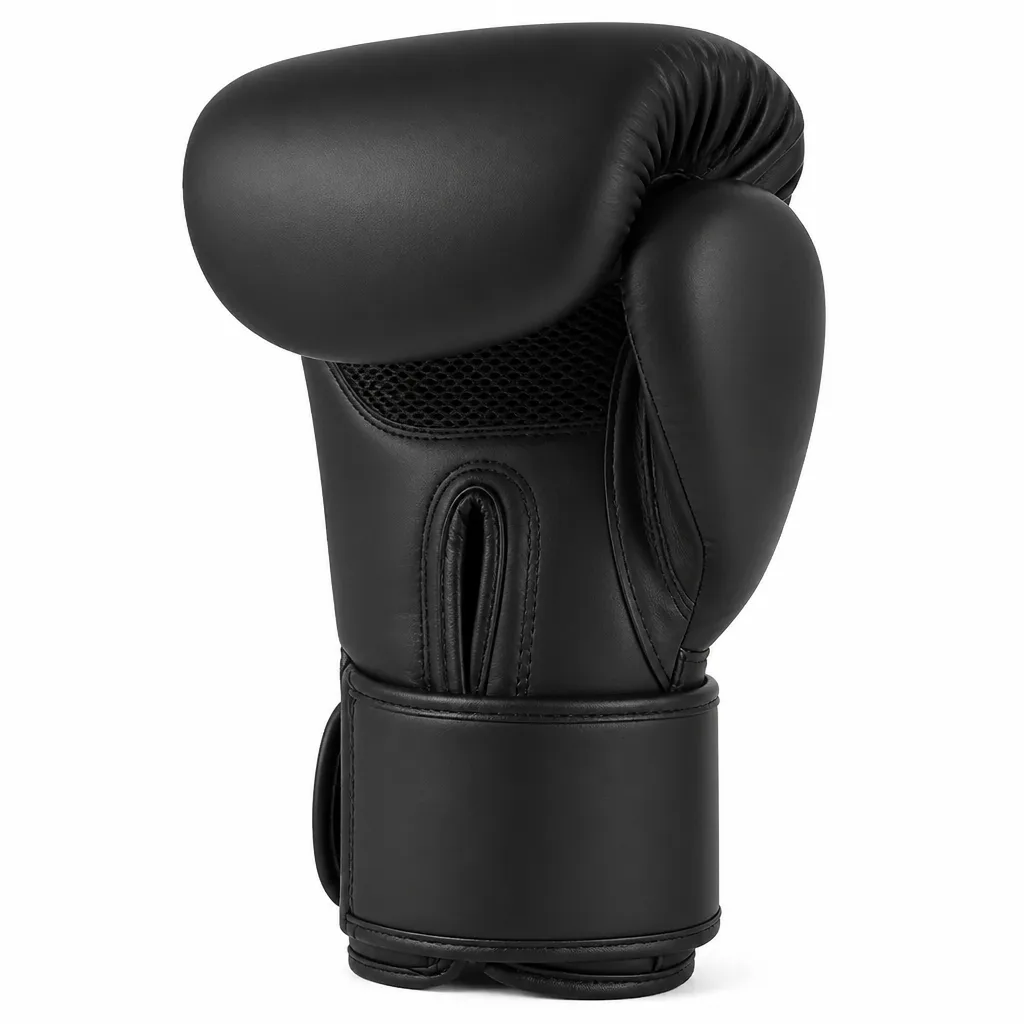
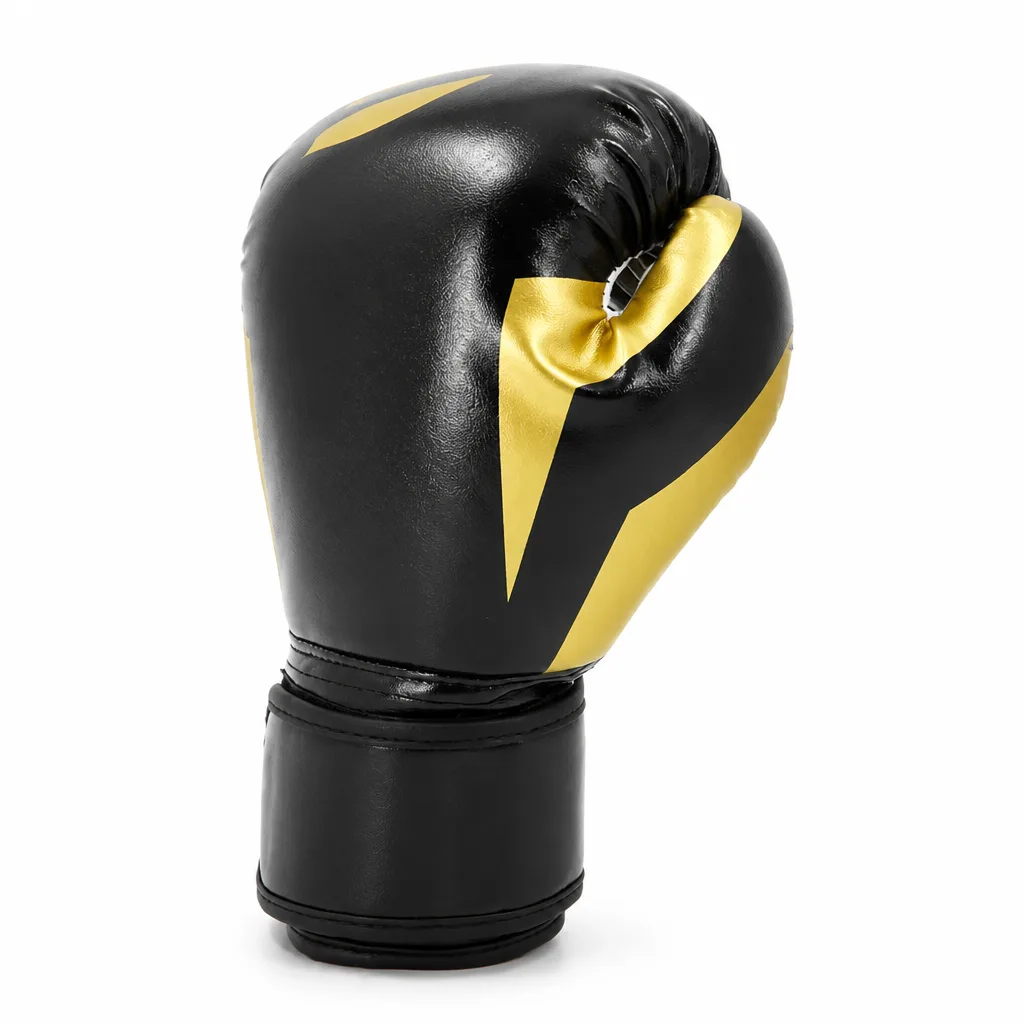
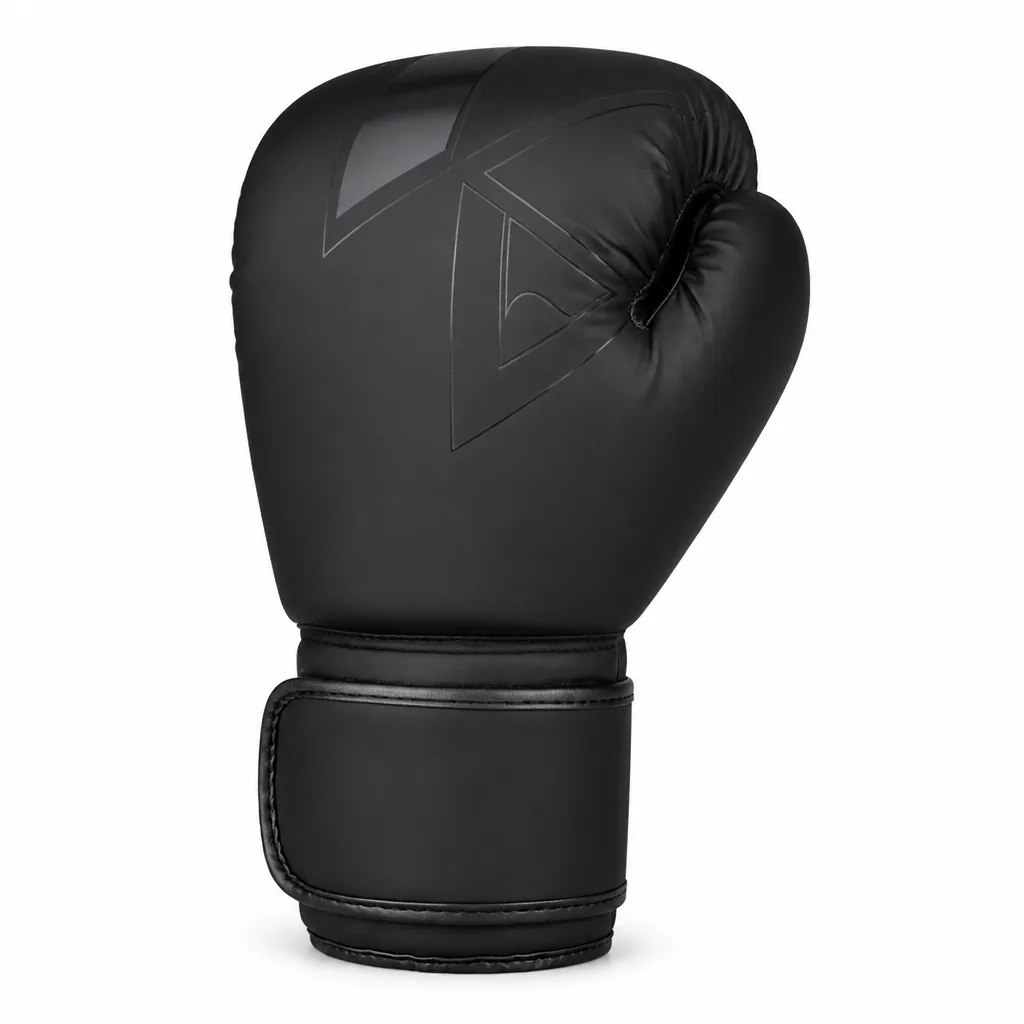
Pro tip from my coaching days: Pair your bag work with properly wrapped hands and boxing gloves rated for bag use (14-16oz with dense knuckle padding). Skip this, and you're risking wrist fractures—I've seen it happen too many times in amateur gyms.
2. Boosts Cardiovascular Endurance and Mental Toughness
A boxing bag for fighters isn't just for power; it's a conditioning beast. Ten rounds of three minutes on the bag can torch 600-800 calories while spiking your anaerobic threshold, mimicking the high-intensity bursts of a five-round title fight. Fighters like Conor McGregor swear by bag sessions for that "engine-building" edge, and I've put hundreds of hours on bags myself, from home garage setups to pro gyms.
The mental grind is where bags shine. Unlike pads, which rely on a partner's timing, the bag demands relentless output—no breaks, no mercy. This builds the "no-quit" mentality crucial for Wrestling scrambles or BJJ transitions under fire. Durability matters here: cheap vinyl bags split after 6-12 months of daily use, while premium options like Hayabusa's Nomad series (with 2mm-thick synthetic leather and chain-anchored filling) last 3-5 years under pro-level abuse.
Training Scenario Breakdown
- Home Gym Workouts: Freestanding bags (e.g., Ringside's inflatable-base models) for apartments—stable up to 300lbs of resistance but less swing than hanging ones.
- Commercial Gyms: Heavy bags (120-150lbs) for group classes in Kickboxing or MMA, where shared use demands reinforced hanging hardware.
- Competition Prep: Speed bags for rhythm (not heavy bags, but complementary) paired with interval timers to simulate round structures.
Honest caveat: Over-reliance on bags can ingrain bad habits like "hitting the air" behind punches. Always film your sessions or get coach feedback to ensure technique holds up in sparring.
3. Offers Unmatched Versatility for Multi-Discipline Training
In combat sports, specialization is key, but versatility wins fights. A single best boxing bag adapts to Boxing's straight punches, Muay Thai's roundhouses, or even light BJJ pummeling for grip strength. I've equipped gyms for Wrestlers transitioning to MMA, where bags double as takedown dummies when mounted low.
Construction dictates adaptability. Mexican-style bags (elongated, like Twins Special) favor body shots and uppercuts, ideal for infighters. Meanwhile, UFC-style corn-filled bags provide a harder surface for shin conditioning in Kickboxing—think Thai fighters breaking boards on them pre-fight. From my testing, Venum's elite line stands out with water-resistant PU leather and adjustable straps, holding up in humid Thai camps or sweaty U.S. basements.
Discipline-Specific Adaptations
- MMA: Uppercut bags (short, wide) for dirty boxing in the clinch.
- Brazilian Jiu-Jitsu: Light bag work for stand-up entries into guard passes.
- Wrestling: Low-mounted bags for sprawl-and-brawl drills.
Safety first: Always secure bags with 360-degree swivel mounts to prevent spin-back injuries, and rotate striking zones to even wear. Link it with boxing gloves from our collection for knuckle protection during extended sessions.
Comparison Overview: Types of Boxing Bags at a Glance
Not all bags are created equal. Here's a head-to-head of popular types, based on my hands-on tests with over 50 models:
| Type | Weight Range | Best For | Pros | Cons | Price Range |
|---|---|---|---|---|---|
| Heavy Bag | 80-150lbs | Power & Endurance (All Levels) | Realistic feedback; durable; versatile | Requires ceiling mount; swing needs space | $100-400 |
| Freestanding | 100-300lbs base | Home Gyms (Beginners) | No install; portable | Tips over on heavy kicks; less authentic feel | $150-350 |
| Muay Thai/Banana | 100-130lbs | Strikes & Clinch (Advanced) | Angled for kicks; mobile head | Pricier; specialized | $200-500 |
| Speed Bag | 2-10lbs | Rhythm & Speed (All) | Hand-eye coordination | Not for power; platform needed | $50-150 |
Everlast offers budget-friendly heavy bags that punch above their weight, while Fairtex and Hayabusa command premiums for pro-grade stitching and fillings. For value, a $250 mid-tier bag from Ringside lasts longer than two $150 no-names.
Visualize this in action: A pro MMA fighter might rotate a heavy bag for power rounds, switch to a speed bag for combos, and finish with a freestanding for footwork—all in one session.
How to Choose the Right Boxing Bag for Your Training
Selecting the best boxing bag boils down to your goals, space, and budget. Here's my step-by-step framework, refined from outfitting dozens of fighters:
- Assess Your Space and Setup: Ceiling height? 8-10ft minimum for hanging. No beams? Go freestanding.
- Match Weight to User: Beginners: 80-100lbs. Pros: 120+lbs. Women/lightweights: Scale down 20lbs for control.
- Prioritize Materials: Avoid PVC (cracks fast). Seek 1.5-2mm synthetic leather, boxed-end stitching, and non-shifting fills like banana rolls.
- Consider Fill and Shape: Shredded rubber for bounce-back; textile for firmness. Banana for kicks, cylindrical for boxing.
- Budget Realistically: $200-400 gets pro quality at Apollo MMA. Factor maintenance: Refill every 1-2 years ($20-50).
- Test Durability: Look for brands with fighter endorsements—Hayabusa for MMA, Twins for Muay Thai.
Maintenance tips: Clean with mild soap, inspect chains quarterly, and store vertically to prevent flat spots. For hand safety, always wrap and glove up—check our boxing gloves selection.
Common question: "Freestanding or hanging?" Hanging wins for authenticity, but freestanding suits renters. I've seen both elevate training when chosen right.
Final Thoughts
The boxing bag isn't flashy like a new gi or shin guards, but it's the silent architect of champions. From ancient palli to modern MMA boxing bags, it demands your best and rewards with tangible gains in power, stamina, and skill. Whether you're a beginner drilling basics in your garage or a seasoned Kickboxer prepping for title shots, investing in a quality bag pays dividends.
At Apollo MMA, we stock the best boxing bags from trusted names like Fairtex, Hayabusa, and Ringside—tested for real fighters, not showroom poses. Pair yours with premium boxing gloves and hand wraps from our collection, and elevate your training today. What's your go-to bag drill? Drop a comment below—let's geek out on gear.
David Thompson has coached over 500 fighters and tested gear in rings from Las Vegas to Bangkok. Shop confidently at Apollo MMA, your worldwide source for combat sports excellence.