Reviving the Gracie Legacy: Why Old-School BJJ Rules Rule Modern Mats
In the fast-paced world of combat sports, where flashy submissions and viral knockouts grab headlines, it's easy to overlook the foundational principles that built Brazilian Jiu-Jitsu into the powerhouse it is today. These aren't trendy techniques from the latest seminar—they're the battle-tested 'old-school rules' etched into the Gracie family playbook by legends like Helio Gracie. Whether you're rolling in a BJJ gym, prepping for an MMA fight, or honing your wrestling base for kickboxing, these five rules remain as relevant as ever. They emphasize patience, control, and smart positioning over reckless aggression.
At Apollo MMA, we gear up fighters who live by these principles. Quality rash guards, gis, and grappling dummies help you drill them relentlessly. Let's break down these gems, unpack their origins, and see how they apply to your training with real-world examples from UFC cages to local tournaments. Get ready to elevate your ground game!
Rule 1: Never Trade a Bad Position for a Worse One
This golden rule screams patience in a sport that rewards opportunism. Helio Gracie hammered it home: if you're in a suboptimal spot like half-guard under pressure, don't explode into a wild scramble that lands you flatter on your back. Instead, methodically improve your position first—shrimp out, regain guard, or frame up before hunting that sweep.
Why it works across combat sports: In MMA, think of Khabib Nurmagomedov's smothering top control. He never rushed from side control to mount if it meant giving up dominant angles. Rash decisions lead to guillotines or upsets.
Practical training tips:
- During live rolls, pause when escaping bad spots. Ask: 'Does this move improve my leverage?'
- Drill positional sparring: Start in disadvantaged positions and focus solely on recovery, not attacks.
- Gear hack: A durable BJJ gi from brands like Tatami or Fuji grips tight, letting you control fabrics without slipping into worse scenarios.
Real-world app: Watch old Royce Gracie fights—he'd turtle up defensively rather than trade positions recklessly, wearing down bigger foes.
Rule 2: Keep Your Elbows Tight to Your Body At All Times
Flared elbows are a submission invitation! Old-school masters knew exposing armpits or underhooks creates openings for armbars, kimuras, or americana locks. Pin those elbows to your ribs like they're glued—it's your armor against sneaky attacks from bottom or top.
MMA and wrestling crossover: In no-gi scenarios or MMA scrambles, tight elbows prevent wrist locks and maintain a compact base. Wrestlers like Jordan Burroughs echo this with their 'T-Rex' arms for explosive takedown defense.
Actionable drills:
- Shadow grappling: Flow through guard passes with elbows taped (safely) to enforce the habit.
- Partner work: Have a buddy hunt your arms during open guard drills—feel the difference when elbows flare.
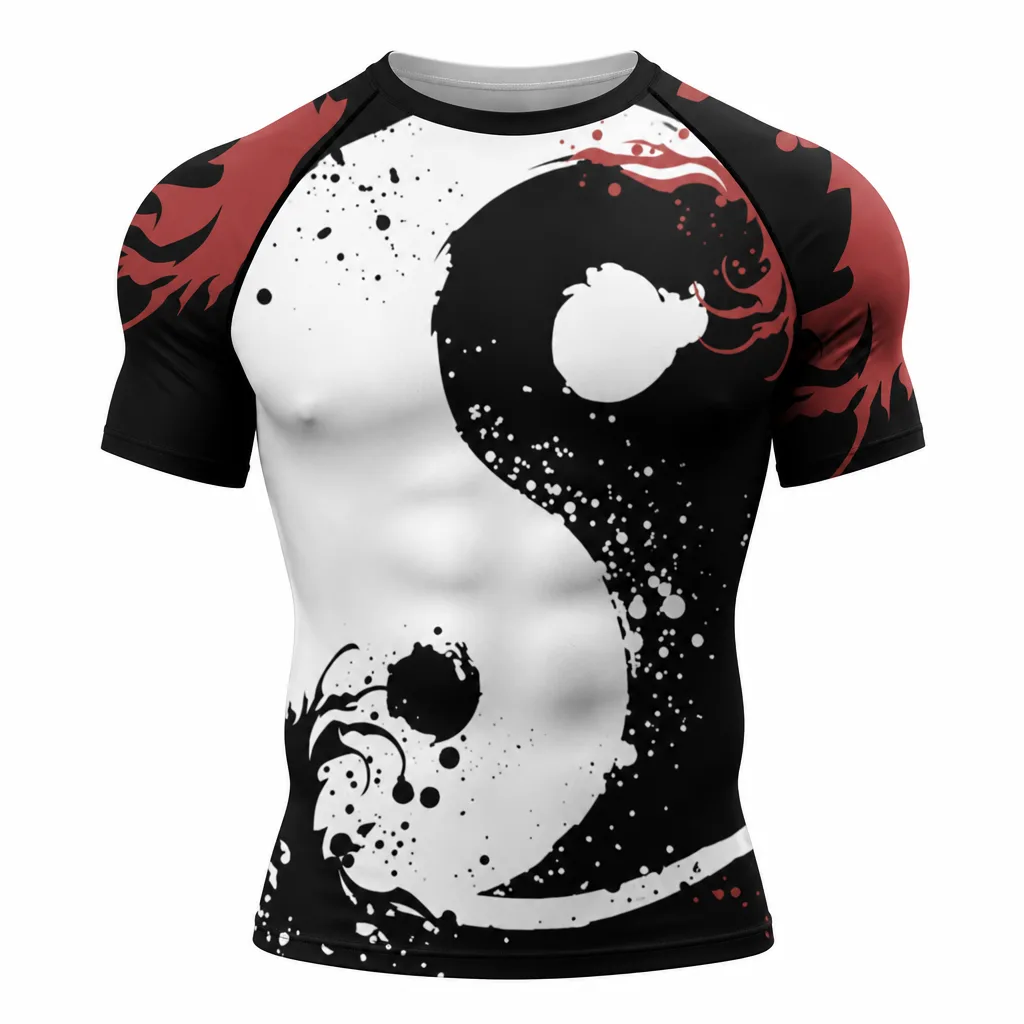
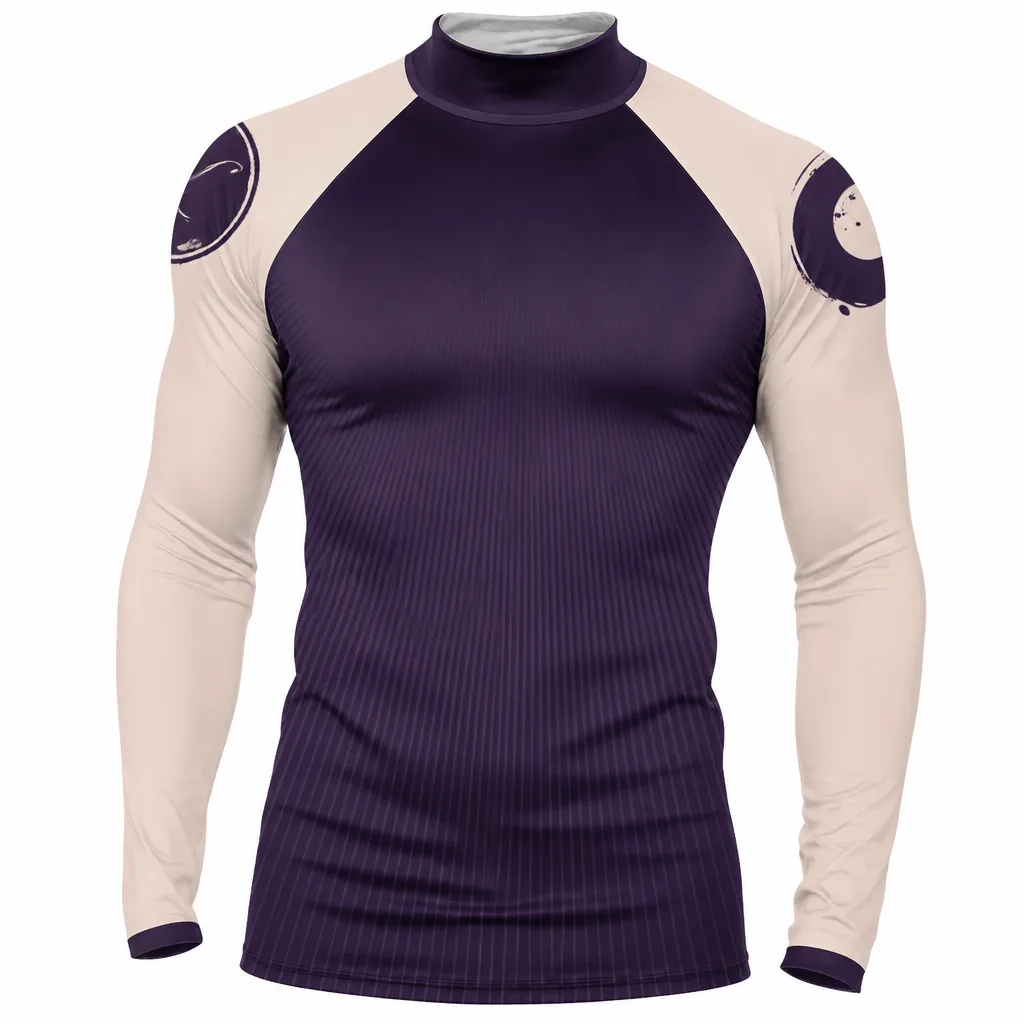
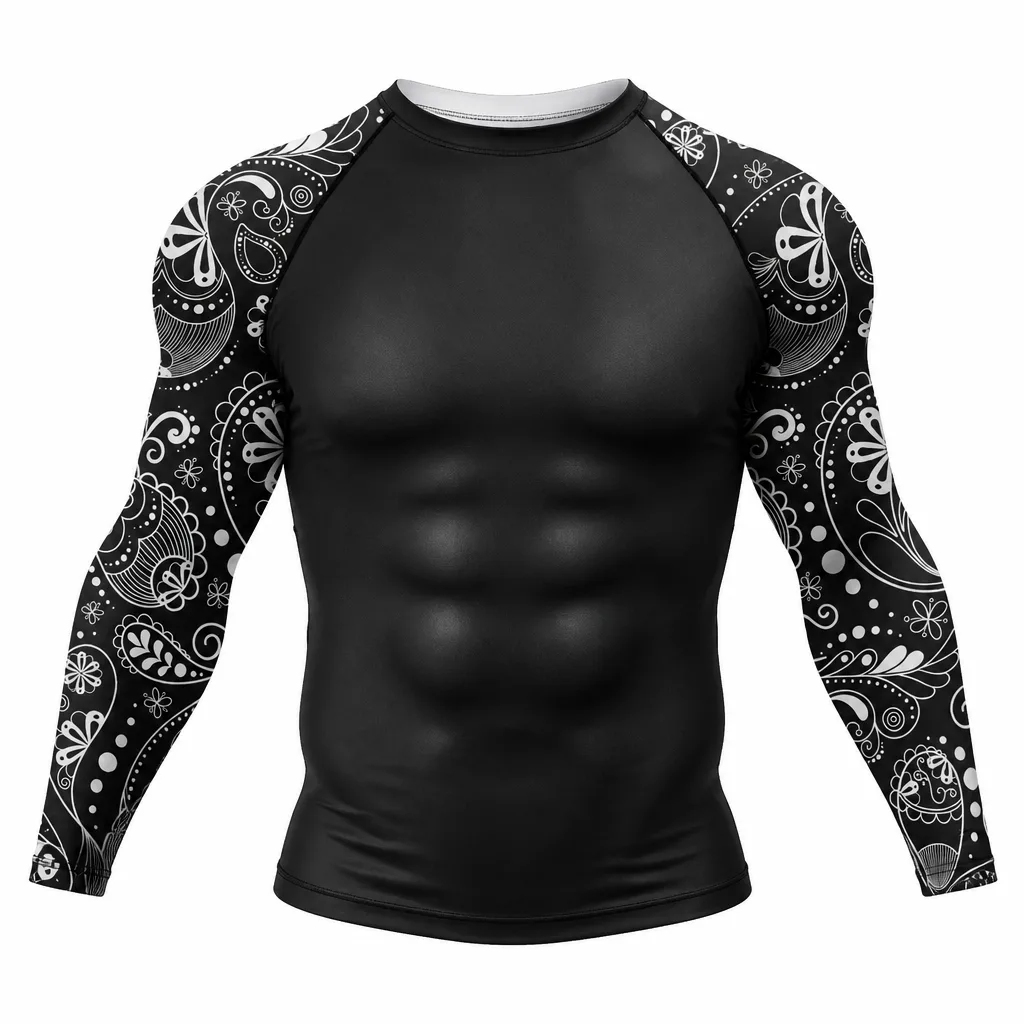
- Pro tip: Rash guards from Venum or Scramble wick sweat, keeping your core snug for better elbow control in sweaty sessions.
Example from the pros: Demian Maia swivels into back takes without ever letting elbows fly wide, turning defense into dominance.
Rule 3: Always Control Your Opponent's Posture
Posture breaks are the gateway to sweeps, subs, and transitions. If your foe sits tall in your guard, they're dictating terms. Yank their head down, collar tie up, or underhook to fold them like a lawn chair—now you're driving the bus.
Relevance to Muay Thai clinch and BJJ: Muay Thai fighters transitioning to MMA ground game love this; controlling posture neutralizes knees and sets up entries.
Training blueprint:
- Guard retention circuits: 5 minutes breaking posture before attempting sweeps.
- Use a grappling dummy to perfect two-on-one grips for posture control.
- Essential gear: Hayabusa gloves for no-gi, providing wrist support during extended posture battles.
UFC highlight: Charles Oliveira's guillotine feasts start with brutal posture snaps—watch how he hunches opponents forward relentlessly.
Rule 4: Never Put All Your Weight on One Knee
Kneeling with full weight on one knee? You're a tripod begging to topple. Distribute evenly or stay on toes—old-school wisdom prevents easy sweeps and hip throws.
Why it shines in competition prep: In BJJ tourneys or MMA rounds, fatigue amplifies this flaw. Balanced knees let you explode into passes or defend sprawls.
Drill it home:
- Knee-on-belly endurance: Hold position rolling side-to-side, never locking one knee.
- Wrestling stand-ups: Practice from knees with even distribution to pop up fast.
- Footwear focus: MMA shorts and minimalist shoes from Sanabul enhance knee mobility without bulk.
Legendary example: Helio vs. Masahiko Kimura—one balanced knee helped him survive massive pressure without crumbling.
Rule 5: Wait for Your Opponent to Make a Mistake
Aggression without setup is suicide. The Gracies mastered the counter-game: absorb pressure, stay defensive, then pounce on errors like overextensions or lazy grips. Patience wins wars.
Broad combat sports application: Kickboxers use it for counters, wrestlers for chain wrestling. In MMA, it's Jon Jones' forte—baiting wild shots into clinches.
Implementation strategies:
- Mistake hunting rolls: Only attack after your partner errs—no forcing subs.
- Film study: Review your matches spotting opponent mistakes you missed.
- Recovery gear: Invest in quality compression sleeves post-training to stay fresh for those patient waits.
Pro insight: Gordon Ryan dominates ADCC by lurking, waiting for the slightest posture lapse or elbow flare.
Level Up Your Game with These Rules
These five old-school BJJ commandments aren't relics—they're your edge in any grappling exchange. Integrate them into warm-ups, sparring, and mindset work. Fighters blending BJJ with striking (hello, MMA enthusiasts!) find them invaluable for seamless transitions.
Ready to gear up? Browse Apollo MMA's premium collection of BJJ gis, no-gi apparel, and training tools from top brands like Kingz, Hyperfly, and Rival. Train smarter, roll harder, and dominate the mats. Oss!
---