Why Gear Matters for BJJ Longevity
In Brazilian Jiu-Jitsu, pushing your body to the limit is part of the game, but smart choices in equipment can make the difference between a lifelong passion and frequent sidelining due to injuries. While recovery techniques from Part 1 are crucial, selecting durable, protective gear tailored to grappling demands ensures you train harder and safer over decades. This guide dives into key pieces of equipment that support joint health, skin protection, and overall durability on the mats.
Mouthguards: Your First Line of Defense
A properly fitted mouthguard isn't just for striking arts—it's essential in BJJ too. Collisions during scrambles, guard passes, or takedown defenses can lead to dental trauma, concussions, or jaw issues that derail training. Generic boil-and-bite models from sporting goods stores often fall short, shifting during rolls and offering inconsistent protection.
Opt for custom or high-end dual-arch mouthguards designed for combat sports. These maintain jaw alignment, reduce TMJ strain, and provide full coverage for upper and lower teeth. Brands like Shock Doctor or OPRO deliver models with gel-fit technology for a secure, comfortable hold that stays put through intense sessions.
Pro Tip: Replace your mouthguard every 6-12 months or after heavy impacts. Clean it daily with mouthwash to prevent bacterial buildup, which can lead to oral infections disrupting your schedule.
In MMA, boxing, and Muay Thai cross-training, a reliable mouthguard becomes even more critical during sparring with strikes.
Rashguards: Skin Protection and Hygiene Heroes
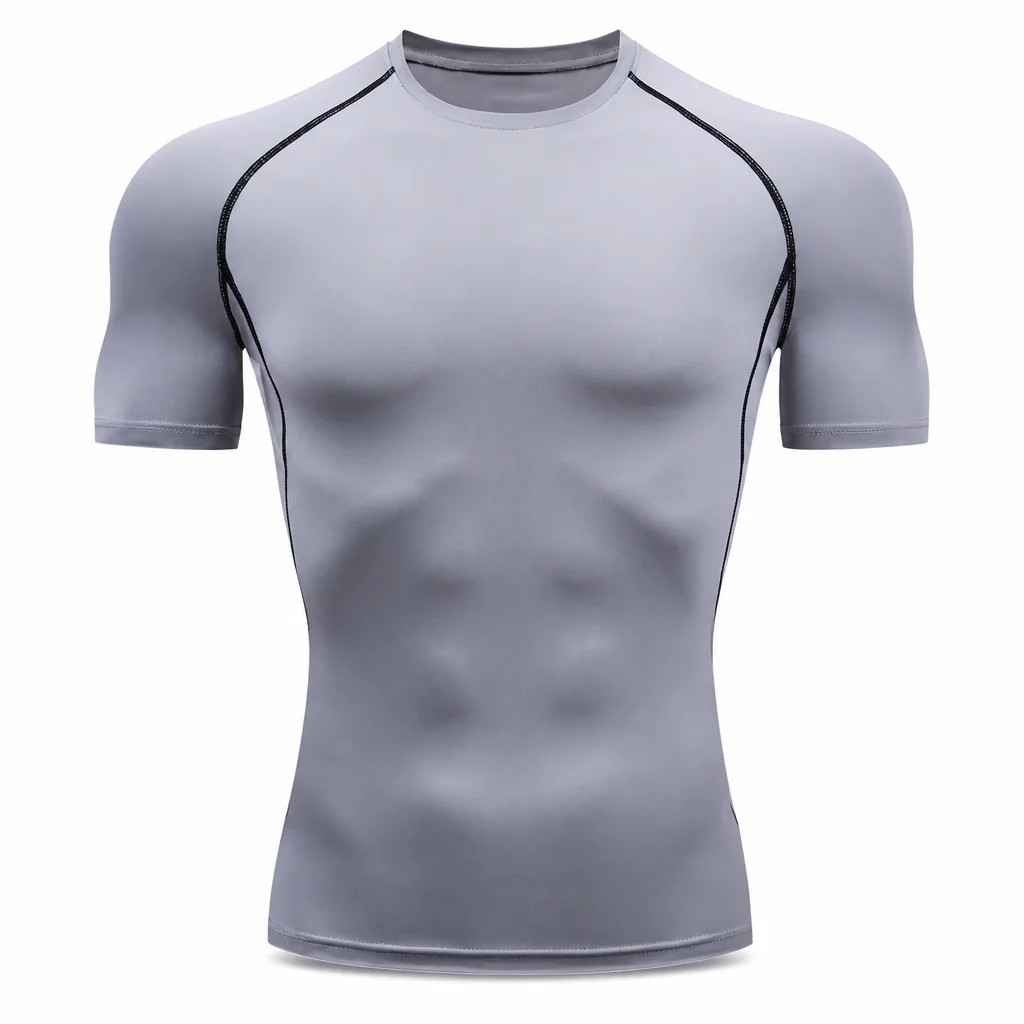
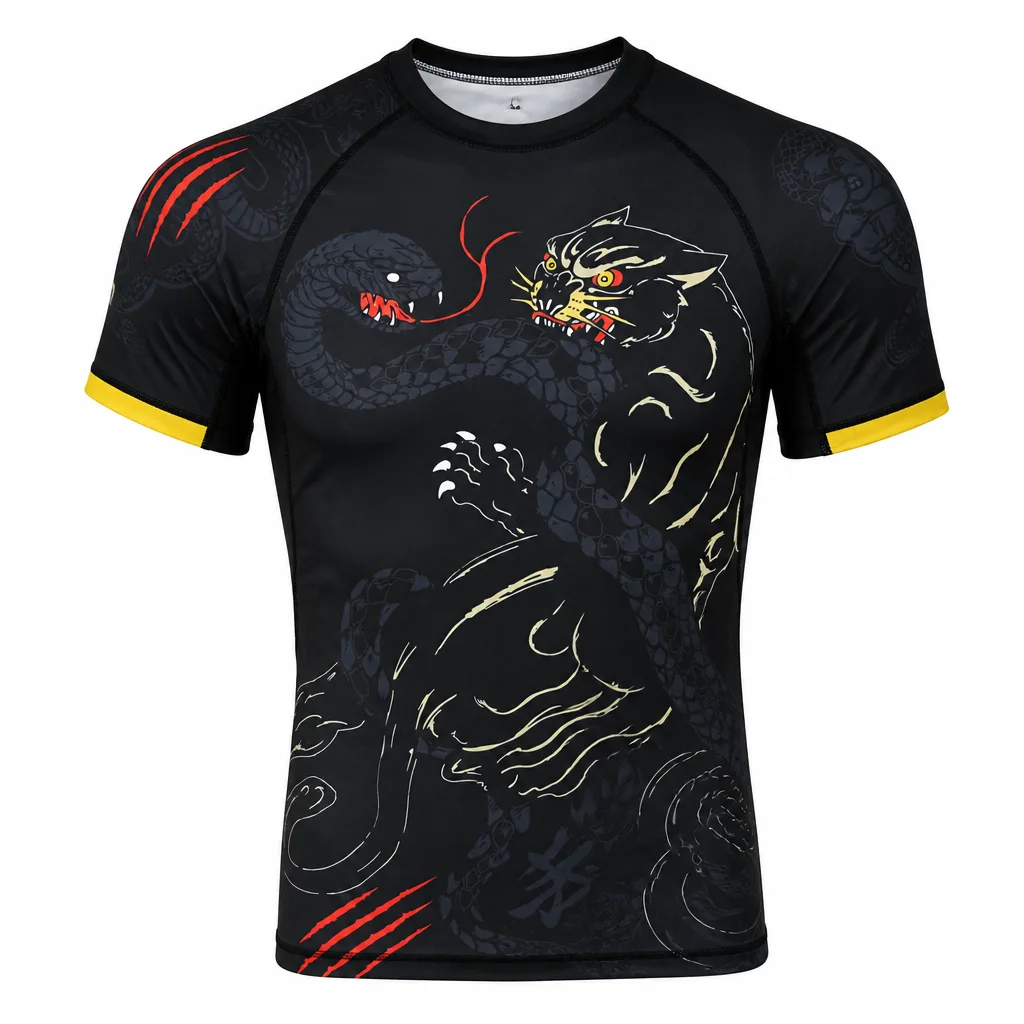
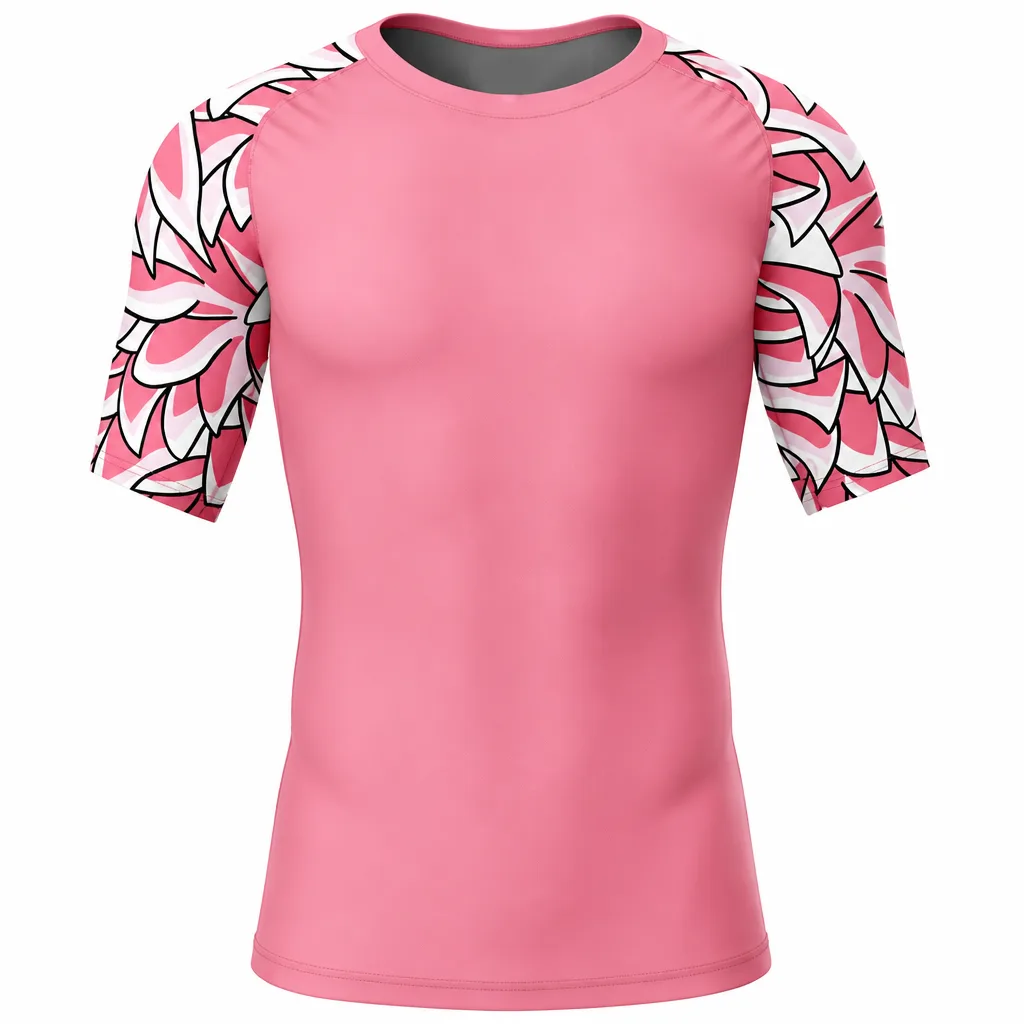
Friction from gi grips, mat burns, and sweat-soaked rolls make rashguards indispensable for longevity. Short-sleeve versions shine in no-gi grappling, preventing ringworm, staph, and cauliflower ear aggravation by creating a barrier between skin and opponents.
Look for rashguards with antimicrobial fabrics, flatlock seams to avoid chafing, and compression fit for muscle support without restricting movement. In gi training, layer them underneath to wick moisture and reduce irritation from constant fabric drag.
Material Breakdown:
- Polyester/Spandex Blends: Quick-drying, stretchy, ideal for high-intensity rolls.
- Merino Wool Options: Naturally antibacterial, great for cooler climates or longer wear.
For wrestlers and kickboxers incorporating BJJ drills, rashguards double as base layers under fight shorts, enhancing grip resistance and comfort.
Spats and Compression Leggings: Lower Body Shielding
Spats (or fight shorts with built-in compression) protect against mat rash on knees, shins, and inner thighs—common hotspots in guard work and leg entanglements. They also stabilize the knee joint during dynamic movements like De La Riva or berimbolo entries.
Choose seamless designs with silicone grips at the waist and ankles to prevent ride-up. In no-gi, they deter finger tears into shorts, a frequent injury source.
When to Use:
- Daily drilling: Full spats for max coverage.
- Competition: Minimalist versions under fight shorts for weight cuts.
BJJ practitioners crossing into wrestling will appreciate how spats mimic singlets, aiding in explosive takedown chains.
Gi Selection: Durability Meets Comfort
A quality gi isn't just for aesthetics—it's engineered for endurance. Reinforced stitching at stress points (knees, cuffs, collar) withstands years of abuse, while lighter weights (A1 or A2) reduce fatigue in long sessions.
Pearl weave fabrics offer the right balance of grip and breathability. Avoid stiff, heavy gis that strain shoulders during armbar defenses or collar chokes.
Maintenance for Longevity:
- Wash in cold water, air dry to preserve weave.
- Rotate 2-3 gis to extend lifespan.
In MMA camps blending BJJ with striking, a versatile gi supports technique refinement without excess bulk.
Footwear and Supports: Barefoot with Smart Additions
BJJ is barefoot territory, promoting foot strength vital for grips and balance. However, for those with prior injuries, minimalist grappling shoes like those from Inverted Gear provide subtle support without mats slipping.
Tapes and braces:
- Kinesio Tape: For minor tweaks, enhances proprioception.
- Thumb/Finger Supports: Prevent hyperextensions in high-percentage attacks.
Training Smarter, Not Harder
Gear alone won't save you—pair it with volume management. Alternate hard sparring (20% of sessions) with drilling (50%) and mobility work (30%). Track training load via apps to avoid overtraining plateaus.
Sample Weekly Structure for Longevity:
| Day | Focus | Gear Emphasis |
|-----|--------|--------------|
| Mon | Drilling | Rashguard + Spats |
| Tue | Sparring | Full Mouthguard + Gi/Rashguard |
| Wed | Mobility/Yoga | Minimal |
| Thu | Positional Sparring | Supports as Needed |
| Fri | Open Mat | Rotate Gear |
| Sat/Sun | Rest/Active Recovery |
Incorporate cross-training: Shadow boxing for Muay Thai flow, wrestling shots for explosiveness, all while monitoring for asymmetry.
Injury Prevention Drills
- Neck Bridges: Build resilience against guillotines.
- Wrist Mobility: Counter kimura threats.
- Hip Openers: Sustain deep guard retention.
Nutrition and Supplementation Tie-In
Fuel gear-protected training with anti-inflammatory foods (omega-3s, turmeric) and collagen for joint repair. This holistic approach amplifies equipment benefits.
By investing in protective gear and refining habits, you'll roll strong for decades. Check Apollo MMA for premium rashguards, gis, and mouthguards to elevate your setup.
---