The Pursuit of Lifelong Jiu-Jitsu
Brazilian Jiu-Jitsu (BJJ) is more than a sport or martial art—it's a lifelong journey that demands respect for your body and mind. As practitioners age, the focus shifts from explosive athleticism to sustainable technique and recovery. Achieving longevity means training smarter, not harder, to roll for decades. This guide explores foundational elements like optimal gear selection, mental approaches, and daily habits that keep you on the mats.
Whether you're a white belt dreaming of black belt mastery or a veteran grappler, these principles apply across MMA, BJJ, wrestling, and submission grappling. Let's dive into the pillars of enduring success.
Gear That Supports Endurance
High-quality equipment isn't just about performance—it's your first line of defense against injuries that could sideline you. Investing in gear from trusted manufacturers like Scramble, Hayabusa, or Venum pays dividends in comfort and durability.
Mouthguards: The Unsung Hero
A properly fitted mouthguard is non-negotiable. It protects your teeth and jaw from impacts during sparring or takedowns, but its benefits extend further. Research shows mouthguards reduce concussion risk by absorbing shock and stabilizing the jaw, which connects to the brain via delicate nerves. In BJJ, where guillotines and collar chokes are common, this gear prevents micro-traumas that accumulate over years.
- Custom vs. Boil-and-Bite: Custom-fitted options from dental pros offer superior protection but at a higher cost. For most, high-end boil-and-bite models from brands like Shock Doctor mold perfectly to your bite, lasting months with proper care.
- Pro Tip: Replace every 6-12 months or after heavy impacts. Train with one every session, even drilling.
Rash Guards: Skin and Friction Protection
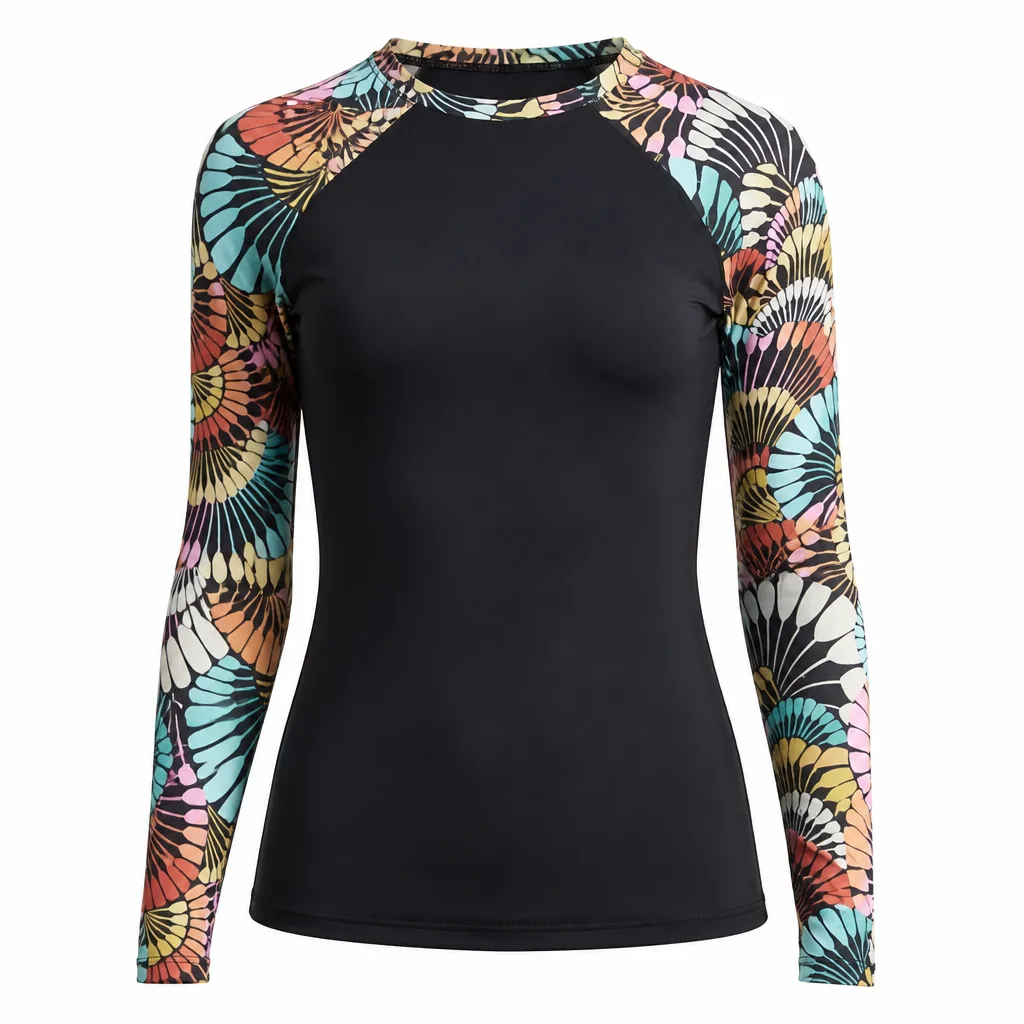
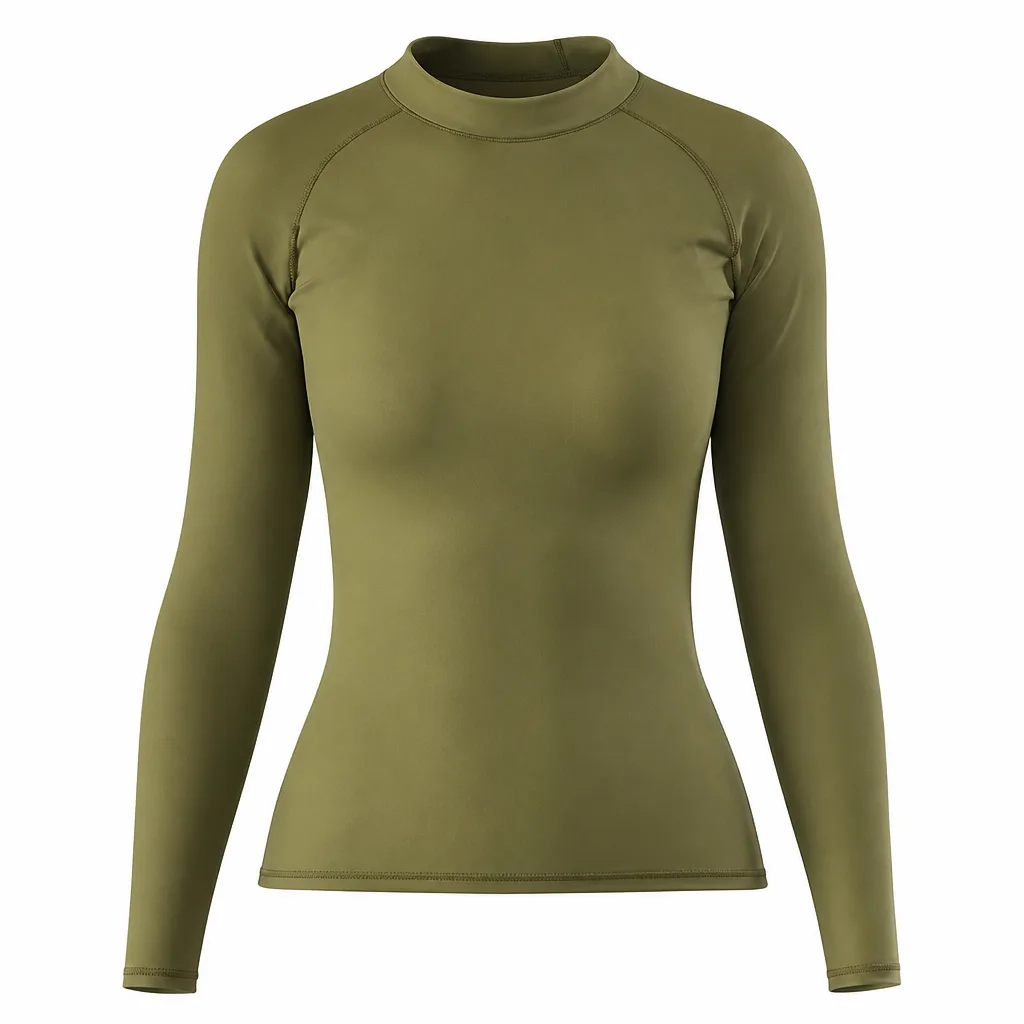
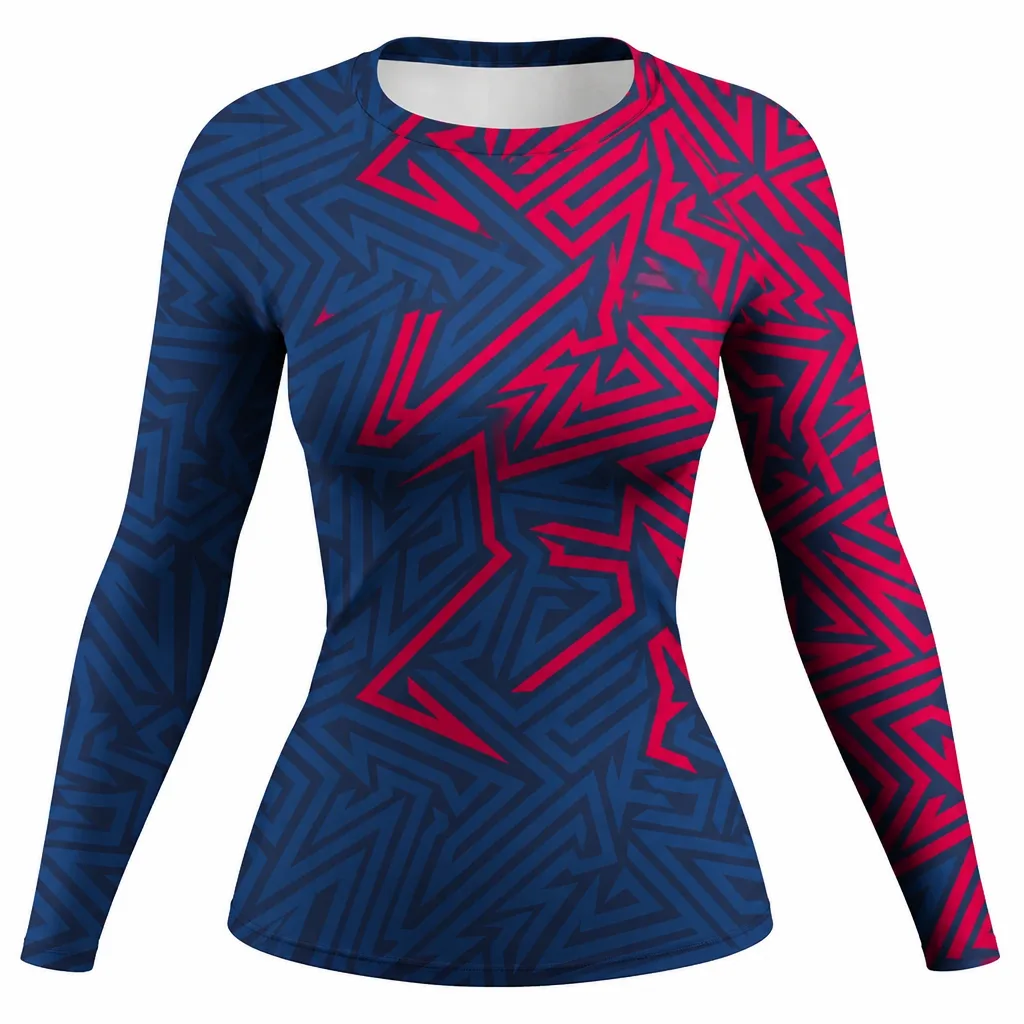
Rash guards are essential for no-gi training, preventing mat burns, cauliflower ear flare-ups, and infections from skin-on-skin contact. Look for long-sleeve versions in compression fabrics that wick moisture and reduce chafing.
- Fit Matters Most: A snug but non-restrictive fit allows full range of motion. Too loose, and it bunches up; too tight, and it fatigues muscles. Sizes vary by brand—Scramble's athletic cuts suit muscular builds, while Origin offers slimmer profiles.
- Material Science: Polyester-spandex blends with anti-microbial treatments (e.g., silver ions) fight bacteria. In humid gyms, this keeps you training consistently without downtime.
For gi training, pair with moisture-wicking shorts or spats to maintain hygiene and mobility.
Gis and No-Gi Balance
Wearing a properly sized gi enhances technique efficiency. A loose collar or baggy pants create friction points that lead to wear-and-tear injuries.
- Sizing Essentials: Measure your height, weight, and wingspan. A standard A2 gi fits most adults 5'8"-6'0", 160-190 lbs. Brands like Fuji provide size charts with sleeve and pant length specs.
- Break-In Period: New gis stiffen grips, increasing strain. Wash and train in them aggressively for 10-20 sessions to soften.
Alternate gi and no-gi weekly to build versatile skills and give joints a break from repetitive stresses.
Mastering the Mental Game for Sustainability
Longevity starts in your head. Ego-driven rolls lead to unnecessary strain; humility fosters growth.
Tap Early, Tap Often
Tapping isn't defeat—it's self-preservation. Delaying a tap risks ligament tears (e.g., ACL in knee bars) or neck tweaks from bow-and-arrow chokes.
- Mindset Shift: View every tap as data. Ask: "What technique caused this? How to counter next time?"
- Real-World Example: Elite competitors like Gordon Ryan tap 80% of the time in training, prioritizing positions over pride.
In MMA cross-training, this principle prevents knockouts or submissions turning into hospital visits.
Drill Before You Roll
Positional sparring and flow rolling build skills without full-intensity burnout.
- Ratio Recommendation: 70% drilling/technique, 20% positional, 10% live rolling per session.
- Benefits for Aging Bodies: Reduces cortisol spikes, preserves CNS (central nervous system) for longevity.
Incorporate wrestling drills for takedowns, vital for MMA and no-gi BJJ transitions.
Nutrition and Recovery Foundations
Fueling right combats inflammation and speeds repair.
Anti-Inflammatory Eating
Prioritize omega-3s (salmon, walnuts), turmeric, and greens. Limit processed sugars that spike inflammation post-training.
- Post-Mat Meal: 30g protein + complex carbs within 30 minutes (e.g., chicken rice bowl).
- Hydration Hack: Add electrolytes to water—sodium, potassium prevent cramps in sweaty gi sessions.
Sleep and Mobility Work
Aim for 7-9 hours nightly. Quality sleep consolidates motor learning from drills.
- Daily Routine: 10 minutes yoga or foam rolling. Target hips, shoulders—common BJJ hotspots.
- Tools: Lacrosse balls for deep tissue, or RumbleRoller for IT bands.
Active recovery days with light swimming or walking maintain cardio without joint stress.
Gym Culture and Programming
Choose gyms emphasizing safety: clean mats, qualified instructors, no ego-matches.
- Programming Balance: Mix stand-up (Muay Thai kicks for MMA crossover), clinch, and ground. Avoid 5-day gi marathons.
- Tracking Progress: Log sessions, injuries, taps. Adjust when fatigue signals overtraining.
Building a Long-Term Framework
Longevity is 80% consistency, 20% intensity. Track metrics like rolling streak length or injury-free months. Celebrate milestones—10 years on the mats—with technique showcases, not max-effort comps.
Incorporate strength training: deadlifts for grip/posture, kettlebell swings for hips. Twice weekly keeps you explosive into your 40s.
This part one sets the stage. Upcoming: Advanced recovery protocols and veteran athlete spotlights. Gear up at Apollo MMA for rash guards, gis, and mouthguards that support your journey. Roll on!
(Word count: 1024)
---