Why Upgrade Your Gear at Blue Belt?
Reaching blue belt in Brazilian Jiu-Jitsu is a major milestone. You've survived the white belt grind, learned fundamental techniques, and now you're rolling with more intensity and frequency. Your training sessions are longer, sweatier, and more demanding, which means your beginner setup won't cut it anymore. Cheap no-name gear from big box stores starts to break down—ripping seams, fading colors, and causing discomfort that distracts from your focus.
Investing in quality equipment at this stage pays off big time. Better-fitting rash guards prevent mat burns and chafing, durable shorts stay in place during scrambles, and a proper gi enhances grip fighting without restricting movement. This guide breaks down must-have items for blue belts, drawing from real-world training needs in BJJ, MMA, and grappling. Whether you're drilling daily or competing locally, these upgrades will boost your confidence and performance.
We'll cover no-gi essentials first (since many blue belts train both gi and no-gi), then gi-specific gear, plus accessories. Sizes, fits, and tips are included for all body types, from compact grapplers to taller frames.
No-Gi Essentials: Rash Guards, Shorts, and Spats
Rash Guards: Your Second Skin
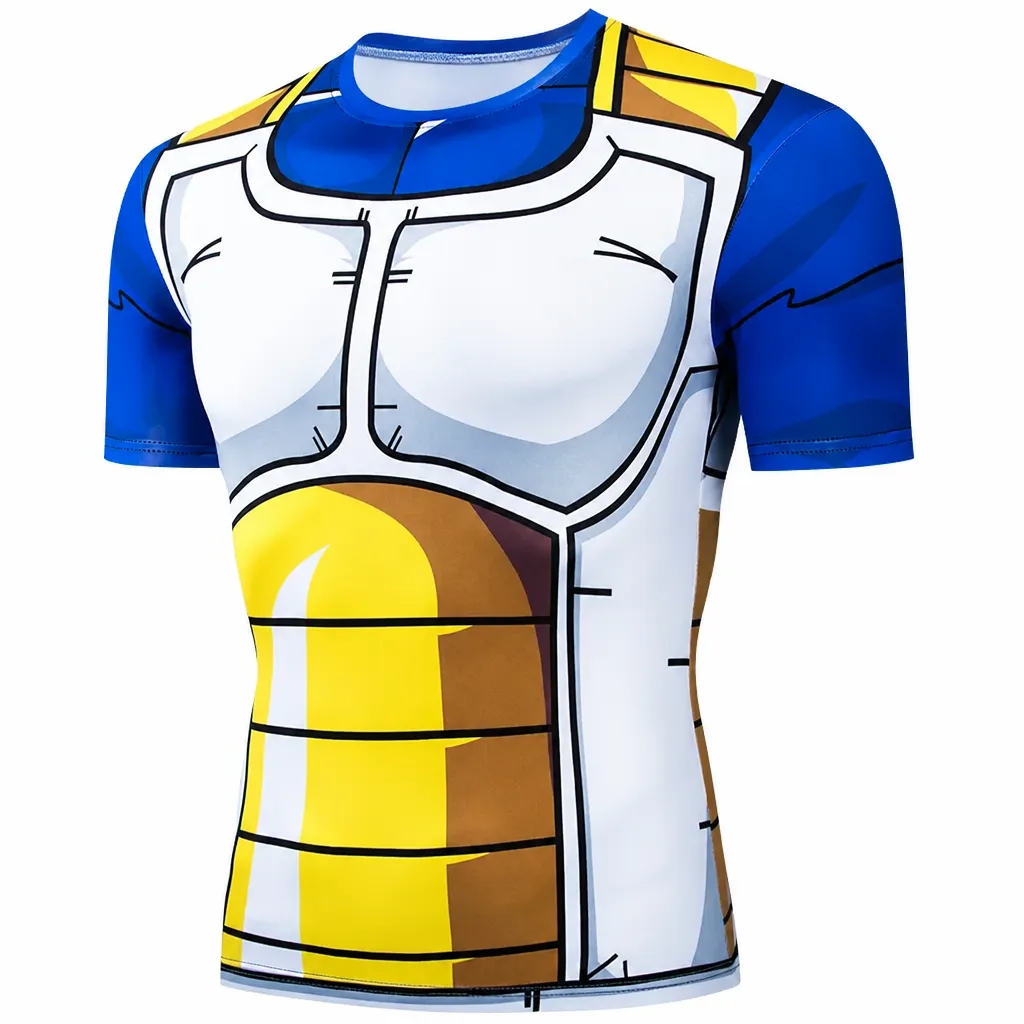
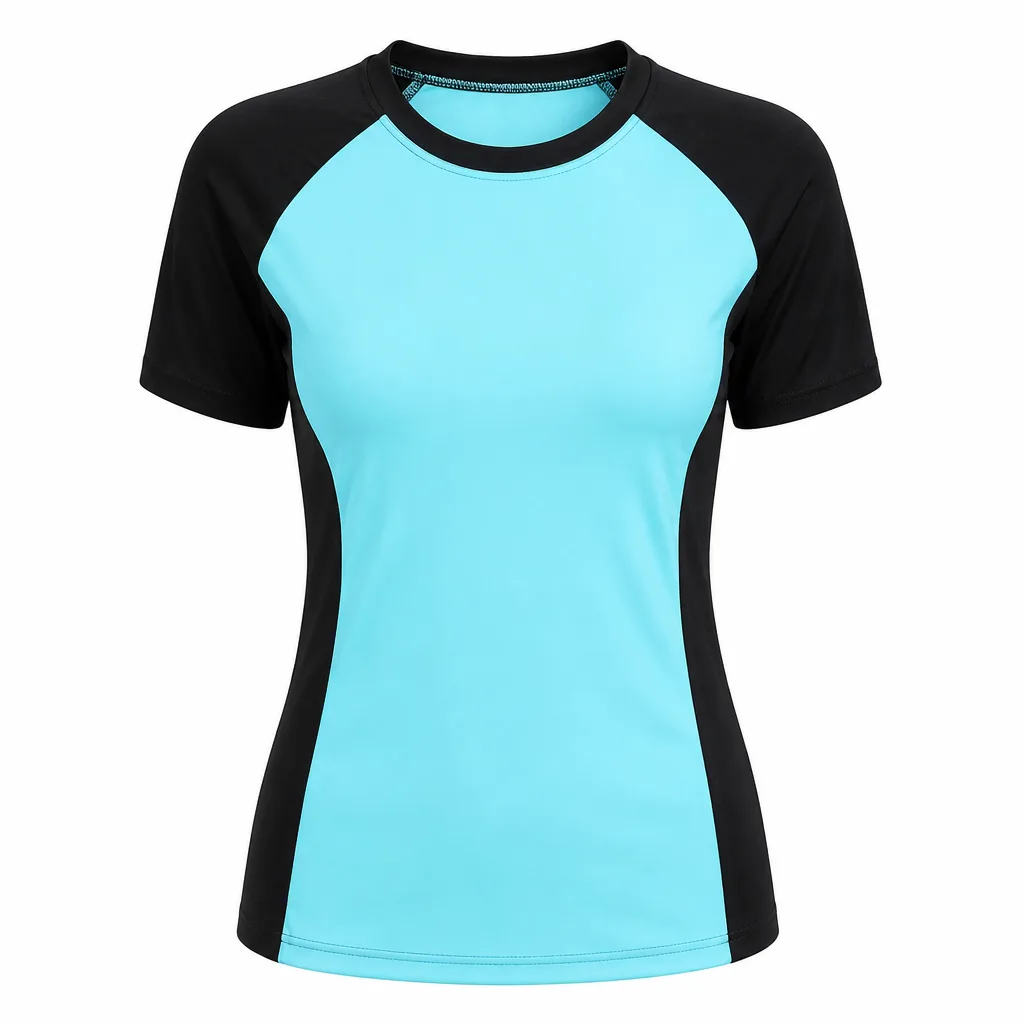
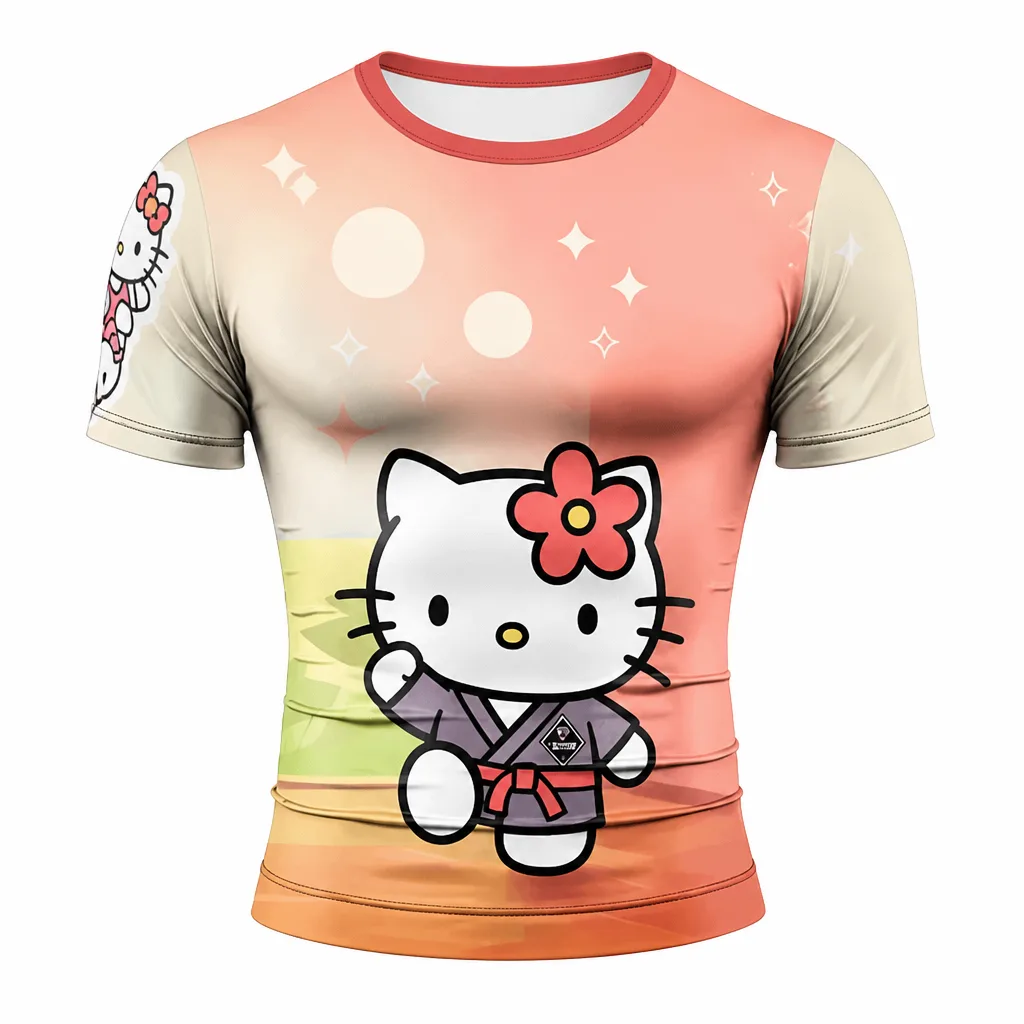
Rash guards are non-negotiable for no-gi training. They wick sweat, protect against ringworm and staph, and provide a slick surface for guards and passes. At white belt, a basic athletic shirt might suffice, but blue belts need compression fit to stay secure during berimbolos and leg entanglements.
- Short Sleeve vs. Long Sleeve: Short for warmer climates or stand-up heavy sessions; long for full-body protection in cooler gyms or extended rolls. Long sleeves excel in newaza (ground work) by shielding elbows and forearms.
- Top Picks: Look for brands like Scramble, Venum, or Hayabusa. Scramble's Athlete rash guards offer sublimated graphics that don't crack, with flatlock seams to avoid irritation. Expect to pay $40-60 for premium options.
- Sizing Tip: True to size for most, but size up if you prefer looser fit for layering. Athletic builds: Medium fits 5'8"-6'0", 160-190 lbs.
Pro Tip: Rotate 3-4 rash guards to keep them fresh—wash inside out in cold water to preserve prints.
Fight Shorts: Mobility Without Restriction
Baggy basketball shorts bunch up and hinder splits. Grappling shorts (split-side or flowy) allow full hip mobility for De La Riva and butterfly guard.
- Key Features: 8-10" inseam, no pockets to avoid finger traps, reinforced stitching. Valetrip or drawstring waists prevent slippage.
- Recommendations: Scramble Flow Shorts for lightweight nylon that dries fast; Twins or Fairtex for Muay Thai crossover if you kickbox too. $50-70 range.
- Fit Advice: Low-rise for deep guards; test by squatting—shorts shouldn't ride up. Taller athletes (6'2"+) opt for longer inseams.
In MMA contexts, these pair perfectly with boxing gloves for sparring transitions.
Spats: Leg Protection and Grip
Spats (like tight leggings) prevent gi burns on legs (in gi training) and add compression for recovery. Essential for no-gi to avoid skin tears from knee cuts.
- Why Now?: Blue belt scrambles mean more leg exposure—spats reduce friction.
- Best Choices: Scramble or Rival spats with silicone grips at the waist/ankles. $30-50.
- Sizing: Snug but not sausage-tight; follow brand charts precisely.
Gi Gear: Level Up Your Grip Game
If your gym emphasizes gi (common in traditional BJJ), a proper gi is your lifeline. White belt gis fray after 6 months; blue belts need 450gsm pearl weave for durability without weight.
The Perfect BJJ Gi
- Material Breakdown: Pearl weave (450-550gsm) for beginners/intermediates—grips well, breathes okay. Gold weave for competition lightness.
- Fit Standards: Tailored jackets (no billowing), pants with rope drawstring. Avoid 'pre-shrunk' claims—expect 1-3" shrinkage post-wash.
- Scramble Athlete Gi: Affordable ($120-150), IBJJF compliant, multiple colors.
- Fuji or Tatami for buttery softness.
- Hyperfly for stylish fits.
Sizing Chart Example:
| Height | Weight | Size |
|--------|--------|------|
| 5'4"-5'7" | 130-160 lbs | A1 |
| 5'8"-6'0" | 160-190 lbs | A2 |
| 6'1"-6'4" | 190-220 lbs | A3 |
Add a white belt initially, upgrade to blue with patches.
Mouthguards and Accessories
Mouthguards: Protect Your Smile
Boil-and-bite models like Shock Doctor or SISU are game-changers. Custom from dentists if competing often. $20-40. Trim for breathing—essential for blue belt intensity.
Other Must-Haves
- Finger Tape: Pre-wrap for jammed digits ($5 roll).
- Grappling Dummy: Home drilling without partners ($150-250, fill with sand).
- Knee Pads/Supports: For patella protection in wrestling-heavy gyms.
Training Applications Across Disciplines
- MMA Fighters: Pair rash guards/shorts with 4oz gloves for cage sims.
- Muay Thai/BJJ Hybrids: Fairtex shin guards over spats.
- Wrestling Crossover: Rival singlets for no-gi.
Final Tips for Blue Belt Success
Shop at Apollo MMA for these brands—we stock Scramble, Venum, Fuji, and more. Check sizing guides, read reviews from fellow grapplers. Your gear should feel like an extension of your body, letting you focus on techniques like armbars and triangles.
Train smart, roll hard, and keep climbing belts. Oss!
---