Introduction to Thriving in BJJ as a Newcomer
Starting Brazilian Jiu-Jitsu (BJJ) can feel overwhelming, but with the right approach, you'll progress rapidly and stick with it long-term. Drawing from two decades on the mats, this guide shares essential strategies tailored for beginners. Whether you're into BJJ for self-defense, fitness, or competition—or even cross-training for MMA, Muay Thai, or wrestling—these tips will optimize your path. We'll cover mindset, training habits, gear choices, and recovery, ensuring you're equipped to handle the grind.
Tip 1: Commit to Consistency Over Intensity
The biggest mistake beginners make is sporadic training. Showing up regularly, even for shorter sessions, builds muscle memory and technical proficiency far better than occasional marathon rolls.
Aim for 3-4 sessions per week initially. Track your attendance to stay accountable. In combat sports like BJJ or MMA, consistency compounds: after six months of steady practice, you'll notice escapes and grips becoming instinctive. If life gets busy, prioritize quality over quantity—drill fundamentals during warm-ups rather than jumping straight into sparring.
Tip 2: Set Clear, Achievable Goals
Vague aims like 'get better at BJJ' lead to frustration. Instead, define specific, measurable targets: 'survive from guard for two minutes' or 'master three sweeps by month's end.'
Break them into short-term (weekly), medium-term (monthly), and long-term (belt progression) goals. Review progress quarterly. This method works across disciplines—boxers use it for punch combos, wrestlers for takedown chains. Celebrate small wins to fuel motivation.
Tip 3: Master the Fundamentals First
Don't chase fancy submissions early. Focus on core positions: closed guard, mount, side control, and escapes. Proficiency here prevents taps and builds a strong base for advanced moves.
Spend 70% of drilling time on basics. Instructors often emphasize this, and veterans swear by it. For MMA practitioners, solid BJJ fundamentals enhance ground game against strikers.
- Positional Sparring: Limit rounds to one position to hone control.
- Drill Reps: 50-100 reps per technique before live application.
Tip 4: Invest in Quality Gear from Day One
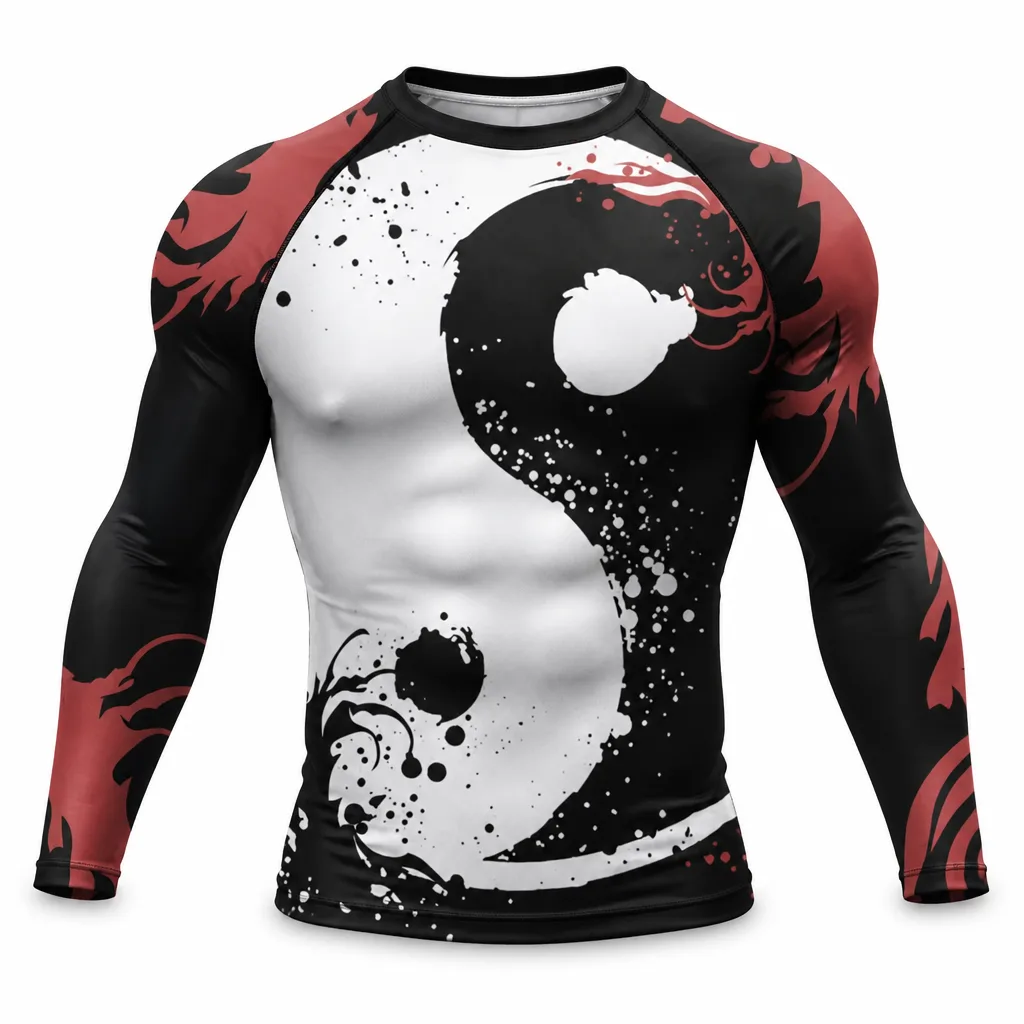
Cheap gear leads to discomfort and injury. Start with a durable BJJ gi (like Scramble or Tatami), rash guards, and mouthguard. For no-gi, prioritize snug shorts and spats.
At Apollo MMA, browse our collection of premium BJJ apparel and equipment designed for beginners. Proper fit reduces chafing during long sessions—get sized right with our guides. Quality rash guards wick sweat, keeping you comfortable in humid gyms, essential for BJJ, wrestling, or MMA training.
Tip 5: Train Smart to Avoid Burnout and Injury
Pushing too hard early causes burnout. Incorporate rest days, mobility work, and active recovery like yoga or light cardio.
Listen to your body: soreness is normal, pain isn't. Use the 80/20 rule—80% controlled drilling, 20% hard sparring. Cross-train judiciously; add boxing or kickboxing drills to boost cardio without overloading joints. Proper warm-ups (shrimping, bridging) prep hips and prevent strains common in grappling.
Tip 6: Build a Supportive Network
BJJ thrives on community. Partner with higher belts for feedback and same-level training partners for mutual growth.
Join open mats or seminars. Online forums and Apollo MMA's community resources connect you with enthusiasts worldwide. A good network provides tips on gear maintenance, like washing gis to extend life, applicable to all combat sports gear.
Tip 7: Focus on Nutrition and Recovery
Fuel like an athlete: high protein (1.6-2.2g/kg bodyweight), carbs for energy, and healthy fats. Hydrate aggressively—BJJ dehydrates fast.
Prioritize sleep (7-9 hours) and recovery tools like foam rollers. Supplements? Basics like creatine or BCAAs if diet lacks. This regimen supports not just BJJ but MMA camps, where weight cuts demand resilience.
- Post-Training Meal: Protein shake + banana within 30 minutes.
- Recovery Hacks: Ice baths for inflammation, epsom salts for sore muscles.
Tip 8: Analyze and Review Your Rolls
Film sessions if possible. Review footwork, grips, and mistakes post-class. Ask coaches for breakdowns.
Apps or notebooks work for notes. This self-analysis accelerates learning, mirroring how pros like UFC fighters dissect footage. Over time, patterns emerge—fixing them catapults progress.
Tip 9: Embrace the Ego Check
Tapping is learning, not losing. Veterans tap daily. Shed ego to absorb techniques fully.
View rolls as data collection. This mindset shift is crucial for beginners in ego-heavy environments like MMA gyms, fostering humility and growth.
Tip 10: Stay Patient and Enjoy the Process
Belts take time—white to blue often 1-2 years with consistent effort. Savor small victories, like first sweep or stripe.
Cultivate joy in training. Diversify with related arts like wrestling for takedowns or Muay Thai for striking defense. Long-term, this sustains passion through plateaus.
Gear Essentials for Your BJJ Start
Beyond basics, consider:
| Gear Item | Why It Matters | Recommendations |
|-----------|----------------|-----------------|
| BJJ Gi | Durability, fit for movement | Scramble, Origin, Fuji |
| Rash Guards | Hygiene, rash prevention | Venum, Hayabusa |
| Grappling Shorts | Secure fit, no-gi rolls | Sanabul, RDX |
| Mouthguard | Jaw protection | Shock Doctor, SISU |
Shop Apollo MMA for these and more, with sizing charts to nail the perfect fit.
Final Thoughts
Applying these tips transforms your BJJ journey from survival to mastery. Consistency, smart training, and quality gear from trusted sources like Apollo MMA set the foundation. Whether pursuing BJJ solo or integrating into MMA, patience pays off. Lace up, hit the mats, and evolve into the grappler you envision.
---