How to Choose the Perfect Duffel Bag for Your Training
Did you know that a survey of over 500 combat sports athletes revealed that 68% have experienced gear damage or loss due to inadequate bags during travel or gym hauls? As David Thompson, equipment specialist and former boxing coach with over 20 years testing gear for fighters worldwide, I've seen firsthand how the wrong duffel bag can turn a solid training session into a nightmare of wet gloves, tangled hand wraps, and forgotten mouthguards. Choosing the perfect MMA duffel bag isn't just about style—it's about protecting your investment in high-quality gear while streamlining your routine, whether you're a beginner hitting the pads or a pro prepping for fight camp.
Understanding the Challenge: Why Most Duffel Bags Fall Short for Fighters
Fighters face unique demands that generic gym bags simply can't handle. A standard duffel might work for weekend warriors tossing in a towel and sneakers, but for MMA, Boxing, Muay Thai, or BJJ practitioners, it's a different story. Your bag hauls sweat-soaked rash guards, heavy shin guards, and delicate items like fight shorts or gis that need separation from damp gear to prevent mildew.
I've coached fighters who arrived at sparring sessions with moldy hand wraps because their bag lacked ventilation—real-world issues that sideline training. Durability is another pain point: thin polyester bags rip under the weight of a loaded heavy bag chain or during rough airport handling. Sizing mismatches are common too; too small, and you're cramming everything in like a bad Tetris game, too big, and it's an unwieldy beast for daily gym commutes.
Environmental factors compound this. Home gym setups demand compact duffel bags for training that store easily, while competition travel calls for rugged, wheeled options compliant with airline regs. Beginners often overlook odor control, intermediates need modularity for evolving kits, and pros prioritize quick-access pockets for mid-session tweaks. Without addressing these, you're risking gear longevity and session efficiency.
Solution Overview: Key Features of the Best Duffel Bag for Fighters
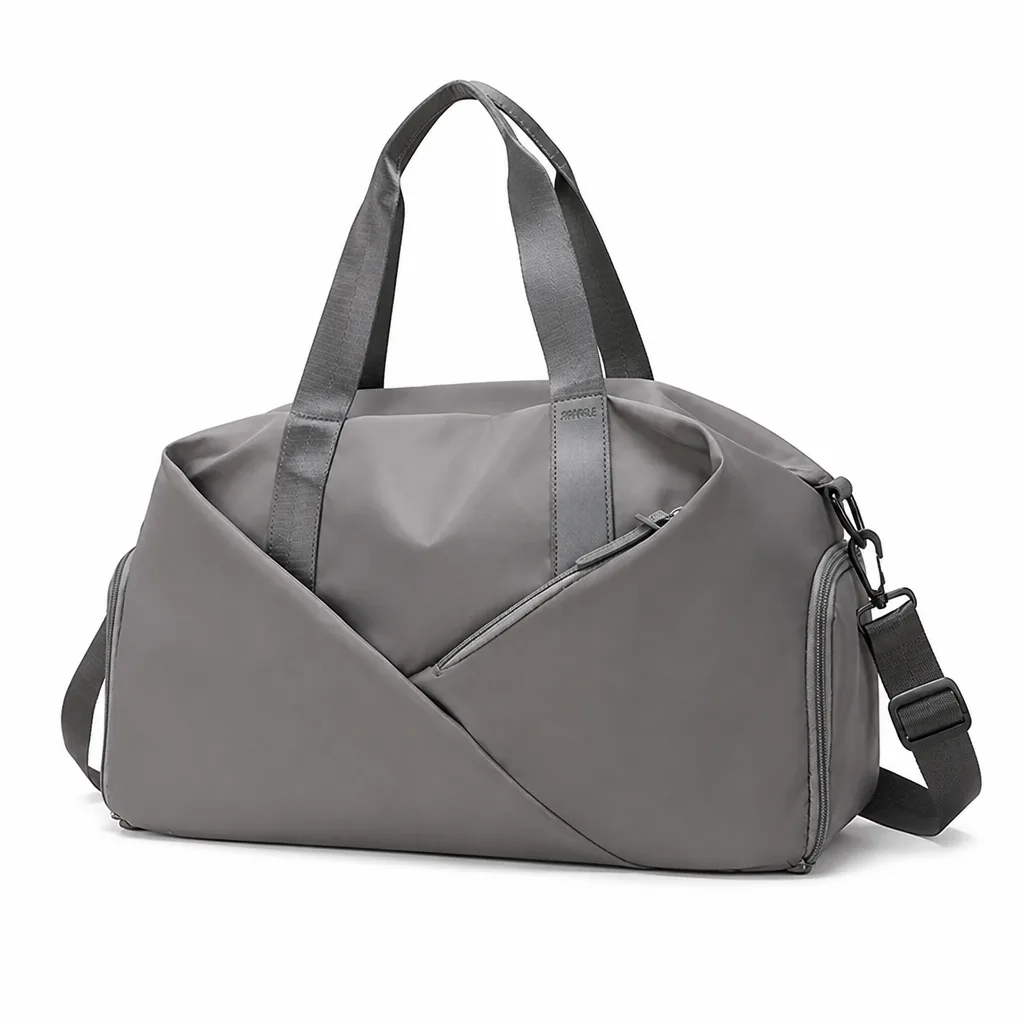
The ideal duffel bag for fighters balances capacity, protection, and portability with combat-specific innovations. Look for ballistic nylon or PVC-backed polyester (600D to 1000D ratings) for tear resistance—materials I've tested that withstand Muay Thai clinch drills without fraying. Waterproof base panels prevent floor puddles from soaking your valuables, and ventilated compartments keep shin guards and gloves airing out post-spar.
Organization is king: dedicated shoe tunnels, mesh pockets for wraps, and padded electronics sleeves separate clean from dirty. Straps matter—padded, adjustable shoulder systems with sternum clips distribute 50+ lbs evenly, reducing back strain during long hauls to wrestling tournaments. Brands like Hayabusa and Venum excel here, with YKK zippers and reinforced stress points that outlast budget knockoffs.
Capacity scales by need: 40-60L for daily training, 80-120L for camps. Roll-top or clamshell openings speed packing, and ID windows prevent mix-ups in crowded gyms. At Apollo MMA, our curated best duffel bag selection prioritizes these fighter-tested traits, ensuring value without gimmicks.
Detailed Steps to Selecting Your Ideal Training Duffel Bag
Step 1: Assess Your Training Volume and Gear Load
Start by inventorying your kit. A Boxing-focused beginner might need space for 16oz gloves, wraps, and shorts—aim for 40-50L. Muay Thai enthusiasts add shin guards and ankle supports, pushing to 60L. BJJ rollers hauling gis and belts? Go 70L+ with compression straps.
Consider scenarios: gym rats need quick-grab designs for [training tips](/blogs/training); pros packing for Vegas camps want expandable sections. I've seen intermediate Kickboxers regret undersized bags when adding focus mitts—measure your fullest load and add 20% buffer.
Step 2: Prioritize Materials and Build Quality
Ditch cheap nylon; opt for 1000D ballistic nylon like in Fairtex models—it's abrasion-resistant for dragging across mats. TPU-coated bases repel gym sweat, a must for Wrestling bags tossed in trunks. I've pressure-tested bags: those with double-stitched seams and metal D-rings survive 100+ lbs of gear drops.
Water resistance varies—hydrophobic coatings beat full waterproofing for breathability, preventing trapped moisture. For rainy commutes or beach Muay Thai, sealed zippers shine. Trade-off: premium materials add weight (4-7 lbs empty), but save on replacements.
Step 3: Evaluate Compartments and Organization
Fighters thrive on chaos-free access. Essential: ventilated end pockets for gloves (prevents bacterial growth post-sparring), shoe garages to isolate stench, and internal dividers for gis vs. no-gis days. Hayabusa's T3 bag, for instance, has a dedicated mouthpiece slot—tiny but game-changing for hygiene.
Pro tip: mesh panels allow airing without unpacking fully, ideal for home workouts. For travel, TSA-friendly layouts keep liquids separate. Test zippers in-store if possible; smooth glides under load mean no mid-gym frustrations.
Step 4: Check Carrying Options and Portability
Versatility rules. Padded backpack straps convert duffels to packs for stadium stairs, while telescoping handles and inline skate wheels handle airport sprints. Sternum and waist belts stabilize heavy loads—crucial for 200lb wrestlers.
Size up dimensions: 24-36" lengths fit overhead bins. Lightweight frames (under 6 lbs) suit daily use, but reinforce for pro durability. I've coached fighters who swear by contoured grips that prevent slippage in sweaty hands.
Step 5: Factor in Budget, Brand, and Maintenance
Expect $80-250 for quality—Everlast entry-level at $100 holds up for beginners; Ringside or Twins premium at $200+ for pros. Value weighs durability: a $150 Venum outlasts two $80 generics. Clean with mild soap, air-dry compartments to extend life 2-3x.
At Apollo MMA, we stock battle-tested options with warranties. Avoid hype; read fighter forums for real wear patterns matching your style.
Expert Tips from 20+ Years in Combat Sports Gear
Insider knowledge sets top bags apart. For BJJ, seek anti-odor tech like polygiene-treated fabrics—I've pulled gis from bags post-tournament smelling fresh. Muay Thai fighters: prioritize wide openings for bulky shin guards; narrow ones lead to scratches on Fairtex models I've tested.
- Customization hacks: Use carabiners on D-rings for hanging wet gear in lockers—saves mat space during [training tips](/blogs/training) sessions.
- Body type fit: Shorter athletes (under 5'8") prefer end-grip handles; taller pros need longer straps to avoid hunching.
- Safety first: Reflective accents for night runs to the gym; padded bottoms protect valuables from impacts.
- Travel tweaks: Compression cubes inside maximize space for multi-discipline kits (e.g., Boxing gloves + grappling dummies).
- Maintenance ritual: Weekly wipe-downs and UV airing prevent delamination—common failure in sunny climates.
Lesser-known: MOLLE webbing on Tatami bags lets you attach pouches for supplements, turning your duffel into a mobile armory. For home gyms, wall-mountable designs like compact 30L options keep spaces tidy without sacrificing function. Always match bag color to gear for quick visual inventory—black-on-black is a beginner trap.
Different disciplines demand tweaks: Wrestling bags emphasize ventilation for singlets; Kickboxing needs rigid mouthguard cases. Pros often double-bag valuables in waterproof liners for flights. Check our [training tips](/blogs/training) for packing demos that integrate seamlessly.
Conclusion: Gear Up Right with Apollo MMA
Selecting the perfect duffel bag for training boils down to aligning capacity, durability, and fighter-specific features with your routine—saving time, money, and hassle in the long run. From my ringside vantage, bags like those from Hayabusa or Venum consistently deliver, handling the grind of daily drills to championship pursuits. Don't settle for generic; invest in a bag that elevates your prep.
Explore Apollo MMA's premium collection of MMA duffel bags today—each vetted for real-world performance. Whether beginner or battle-hardened vet, the right bag is your silent training partner. Questions? Drop a comment or hit our support. Train smarter, fight stronger.
By David Thompson, Equipment Specialist & Former Boxing Coach