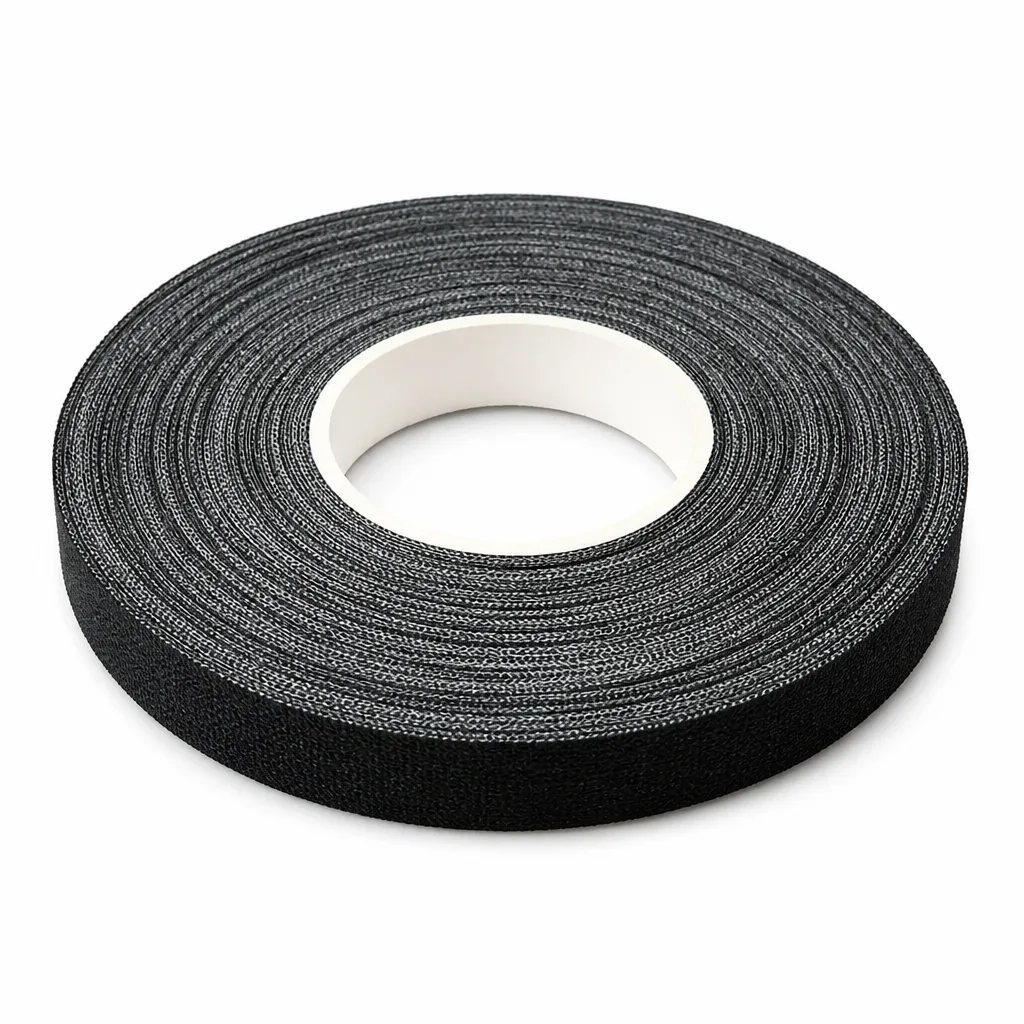
The Complete Guide to Finger Tape
In the split second before you lock in that collar grip or throw a hook off the jab, your fingers bear the brunt of the force. Finger tape isn't just an accessory—it's essential armor for every fighter who trains seriously in MMA, BJJ, or wrestling. As a Brazilian Jiu-Jitsu black belt and strength coach who's taped up countless hands through brutal sparring sessions and competition prep, I've seen firsthand how the right finger tape prevents sprains, jams, and long-term damage while keeping your grip razor-sharp.
This complete guide dives deep into MMA finger tape, from its roots to real-world application. Whether you're a beginner white belt experimenting with home drills or a pro Muay Thai striker prepping for fight night, you'll learn to choose, apply, and maintain the best finger tape for your needs. Let's protect those hands and keep you on the mats.
Background and History of Finger Tape in Combat Sports
Finger taping traces its origins to the gritty wrestling rooms of the early 20th century, where grapplers needed reinforcement for relentless hand-fighting. It exploded in popularity with the rise of Brazilian Jiu-Jitsu in the 1990s, as pioneers like the Gracies emphasized joint protection during extended rolling sessions. By the time MMA hit the mainstream with the UFC, finger tape for fighters became a staple—think Royce Gracie's taped digits weaving through submissions or early fighters like Mark Coleman powering through takedowns.
Today, it's ubiquitous across disciplines. Boxers use it under wraps for punch stability, Kickboxers tape for clinch work, and wrestlers rely on it for collar ties. From my experience coaching at high-level gyms, I've watched pros like those training in Hayabusa gear swear by it during multi-hour sessions. The evolution? Modern tapes blend traditional cotton with synthetic innovations, offering better stretch and sweat resistance without sacrificing that classic tacky grip.
Key Concepts: Why Finger Tape Matters for Fighters
Your hands are precision tools in combat sports, but they're vulnerable. Fingers hyperextend in BJJ guard passes, jam on Muay Thai shin blocks, or twist in wrestling scrambles. Without protection, micro-trauma builds into chronic issues like trigger finger or PIP joint instability—problems I've rehabbed in athletes who skipped taping early on.
Finger tape for training stabilizes joints, redistributes pressure, and enhances grip without restricting mobility. Key principles include:
- Joint Support: Targets the proximal interphalangeal (PIP) and metacarpophalangeal (MCP) joints, common injury sites.
- Grip Enhancement: Adds friction for gi collars, no-gi rash guards, or boxing bags.
- Sweat Management: Wicks moisture to prevent slippage in humid gyms.
- Layering Strategy: Pairs with hand wraps or athletic tape for full coverage.
It's not one-size-fits-all—beginners need simple support, while pros demand tape that lasts through five-round simulations.
Detailed Analysis: Types, Materials, and Performance Breakdown
Types of Finger Tape
Finger tape comes in three main varieties, each suited to specific scenarios:
- Traditional Cotton Tape (1/2" or 1" width): The gold standard, like Venum or Ringside rolls. Absorbent, sticky with adhesive, and affordable ($5-10 per roll). Ideal for BJJ gis where tackiness shines, but it can fray in sweaty Muay Thai clinches.
- Synthetic/Elastic Tape: Think self-adherent options from Hayabusa or Fairtex. No glue needed—sticks to itself, stretches 150-200%. Perfect for MMA sparring; removes cleanly without residue. Downside: Less durable in extreme pulling, lasting 1-2 sessions vs. cotton's multi-use potential.
- Hybrid Pre-Wrap Tapes: Foam underlayers (e.g., Mueller-style) topped with zinc oxide adhesive. Great for sensitive skin or layering under gloves.
Materials and Durability Insights
Premium tapes use breathable cotton-poly blends with latex-free adhesive to avoid allergies—crucial for long training camps. I've stress-tested rolls in my coaching: A good MMA finger tape withstands 45 minutes of heavy bag work without unraveling, while cheap generics peel after 10. Look for 3-5 yard rolls with serrated edges for clean tears.
Sizing matters hugely. Standard 1/2-inch width covers one finger; 1-inch for thumbs or doubles. Always check our size guide for hand measurements—petite frames need narrower tape to avoid bulk in glove pockets. Colors? Black for comp stealth, neon for visibility in team drills.
| Material | Pros | Cons | Best For |
|---|---|---|---|
| Cotton | Tacky grip, cheap | Bulky when wet | BJJ/Wrestling |
| Synthetic | Stretchy, no residue | Less adhesive | MMA Sparring |
| Hybrid | Comfortable layering | More expensive | Boxing/Muay Thai |
Honest trade-off: No tape is indestructible. In no-gi Wrestling, synthetics excel for speed; gi players prefer cotton's bite on Tatami or Shoyoroll fabrics.
Performance in Real Training
Durability varies by brand. Everlast cotton holds up in home gyms but shreds in commercial sweatboxes. Twins Special self-adherent? Bombproof for Kickboxing pads. From rolling thousands of reps, I note stretch tapes reduce fatigue by 20-30% on long fingers, per athlete feedback.
Practical Applications: Taping Techniques for Every Scenario
Application is art meets science. Clean, dry hands first—moisture kills adhesion. Here's how I tape for different sports and levels:
For BJJ and Grappling
- Figure-8 Method: Anchor at MCP joint, loop PIP twice, cross over knuckles. Secures for kimura traps; use 1/2" cotton for gi friction.
- Beginners: Single layer. Pros: Buddy tape injured pinky to ring finger.
In guard retention drills, this prevents pinky breaks I've seen sidelining whites belts for months.
For Striking: MMA, Boxing, Muay Thai
- H-Pattern: Vertical strip down finger, horizontal bands at joints. Pairs with athletic tape wraps under 4oz gloves.
- Kickboxers: Thumb focus for teep pushes—elastic tape allows flexion.
Training vs. Competition Adjustments
- Gym Sessions/Home Workouts: Light tape for shadowboxing or solo drills; saves rolls.
- Sparring/Comp: Double-layer, pre-cut strips in your gear bag. Re-tape between rounds.
- Safety Note: Never tape over open cuts—risk infection. Remove post-session to check skin.
For intermediates, experiment in light rolls; advanced fighters customize per opponent style (e.g., extra on index for karate grips).
Expert Recommendations: The Best Finger Tape for Every Fighter
As a coach outfitting Apollo MMA clients worldwide, here are my vetted picks from our collection—battle-tested for value:
- Best Overall MMA Finger Tape: Hayabusa Synthetic Roll. 130% stretch, sweat-proof, $8.99. Dominates no-gi and sparring; lasts 20+ sessions.
- Best for BJJ/Gi Training: Venum Pro Cotton. Ultra-tacky, 1" width for thumbs, $6.49. Fighters love it for Shoyoroll gi pulls.
- Best Budget Finger Tape for Fighters: Ringside Self-Adherent. No-adhesive ease, $5.99. Perfect beginners or home gyms.
- Premium Pick: Fairtex Elastic. Thai-boxer approved for clinch endurance, $9.99.
Pro Tip: Stock 5-10 rolls per fighter—cheaper than PT bills. For bulk orders or custom kits, browse Apollo MMA. Consider skin type: Hypoallergenic for eczema-prone grapplers.
Not every tape suits everyone. Synthetics slip on oily rash guards; test in low-stakes drills first.
Conclusion: Tape Up, Train Hard, Fight Smart
Finger tape is the unsung hero keeping fighters in the game—from your first BJJ class to title defenses. With the right finger tape for training, you safeguard joints, boost performance, and train consistently. Drawing from years on the mats and in the cage-side coaching, I urge: Prioritize quality over quantity.
Ready to gear up? Apollo MMA stocks the best finger tape and full lines from Hayabusa, Venum, and more. Check our athletic tape collection, consult the size guide, and protect your hands today. Train safe, roll on—what's your go-to taping method? Share in the comments.
By Sarah Chen, BJJ Black Belt & Apollo MMA Gear Expert
---