Why Submission Defense is Crucial for Every Grappler
In the high-stakes world of Brazilian Jiu-Jitsu (BJJ), MMA, wrestling, and other grappling arts, getting caught in a submission can end a match instantly. But with the right knowledge and practice, you can turn potential taps into opportunities for reversal or escape. Tom Barlow, a seasoned BJJ black belt and coach, shares his battle-tested system for defending virtually any submission. Whether you're a beginner stacking up defenses or an advanced fighter refining your game, these principles apply across combat sports like Muay Thai clinch work, kickboxing ground scenarios, and no-gi wrestling.
Defense isn't just reacting—it's proactive positioning, grip fighting, and frame creation. Barlow emphasizes starting with fundamentals: protect your neck, control postures, and always have an escape plan. Let's dive into the core defenses, broken down by submission type, with real-world training applications.
Armbar Defenses: From Guard, Mount, and Side Control
Armbars are one of the most common submissions, attacking from multiple positions. The key? Don't let them extend your elbow—stack and counter immediately.
Armbar from Closed Guard
1. Posture Up First: As they swing their leg over, drive your head back and posture tall. Shrimps your hips away to break their guard if needed. 2. Stack and Extract: Drop your weight onto their hips, stacking their legs high toward their head. Pull your trapped arm free by threading it to their belt line or chest. 3. Counterattack: Once free, pass to side control or take the back. In MMA, use strikes to hips to open the guard further.Drill: Partner drills—start in guard, let them attempt the armbar 10x per side. Focus on speed of stack. Progress to resistance.
Armbar from Mount
From full mount, they isolate one arm. Bridge explosively while framing their neck or hip with your free hand. Stack by posting on their thigh and rolling them over your body. In no-gi, claw grips on wrists prevent isolation.Pro Tip for Boxing/MMA Crossovers: Armbars often follow takedowns—train wrestling sprawls into these escapes to maintain top control.
Triangle Choke Defenses: Closed and Open Variations
Triangles exploit poor posture. Prevention is 80% of defense: keep elbows tight and head up.
Standard Triangle from Guard
1. Posture Break: Gun down with elbows inside their thighs, head pressure on their pelvis. 2. Stack Deep: Lift and drive forward, stacking hips to chest. Use your knee to pry the locking leg. 3. Escape: Swim your head out, post on the mat, and pass guard. In gi, break the grip on your own knee.Real-World Application: In BJJ comps or UFC ground game, triangles kill momentum—practice against dynamic opponents rolling for position.
Open Triangle or Leg Entanglement
For ashi garami entries, prioritize leg disentanglement. Circle your knee away while framing their hip. Transition to knee-cut pass.Drill Progression:
- Slow motion: 5 reps per side.
- Live rolling: Start in bad position, escape within 10 seconds.
- Add strikes for MMA: Punches to thighs during stack.
Rear Naked Choke (RNC) and Rear Attacks
The RNC is a fight-ender. Defend by stopping the seatbelt grip.
1. Prevent the Hook: Block their underhook with your elbow, turn into them.
2. Frame and Shrimp: Forearm frame on their bicep, hip escape away. Create space to turn belly down.
3. Sweep or Counter: From turtle, elbow escape to guard or single-leg takedown.
In wrestling-heavy MMA, combine with whizzers to deny back takes post-sprawl.
Advanced Variation: If choked, peel the arm like a banana—insert fingers between forearm and neck, expand elbows.
Guillotine Defenses: Front Headlock and Turtle Positions
Guillotines thrive on reactive pulls. Stay calm and posture.
Standing Guillotine
Post hands on their hips, step back to slacken. Drop base low, circle out.Seated or Turtle Guillotine
1. Frame the Arm: Palm on bicep, push head away. 2. Hip Away: Big shrimp to unload the choke. 3. Pass or Stand: Run the pipe to north-south, then knee ride.Muay Thai Tie-In: Clinch guillotines are common—train neck strengthening and elbow frames for stand-up escapes.
Kimura and Americana Defenses
Shoulder locks demand immediate action.
- Kimura from Guard: Stack perpendicular, thumb out of pinky grip, roll them over.
- Americana from Side Control: Bridge and shrimp, slide elbow inside, upa sweep.
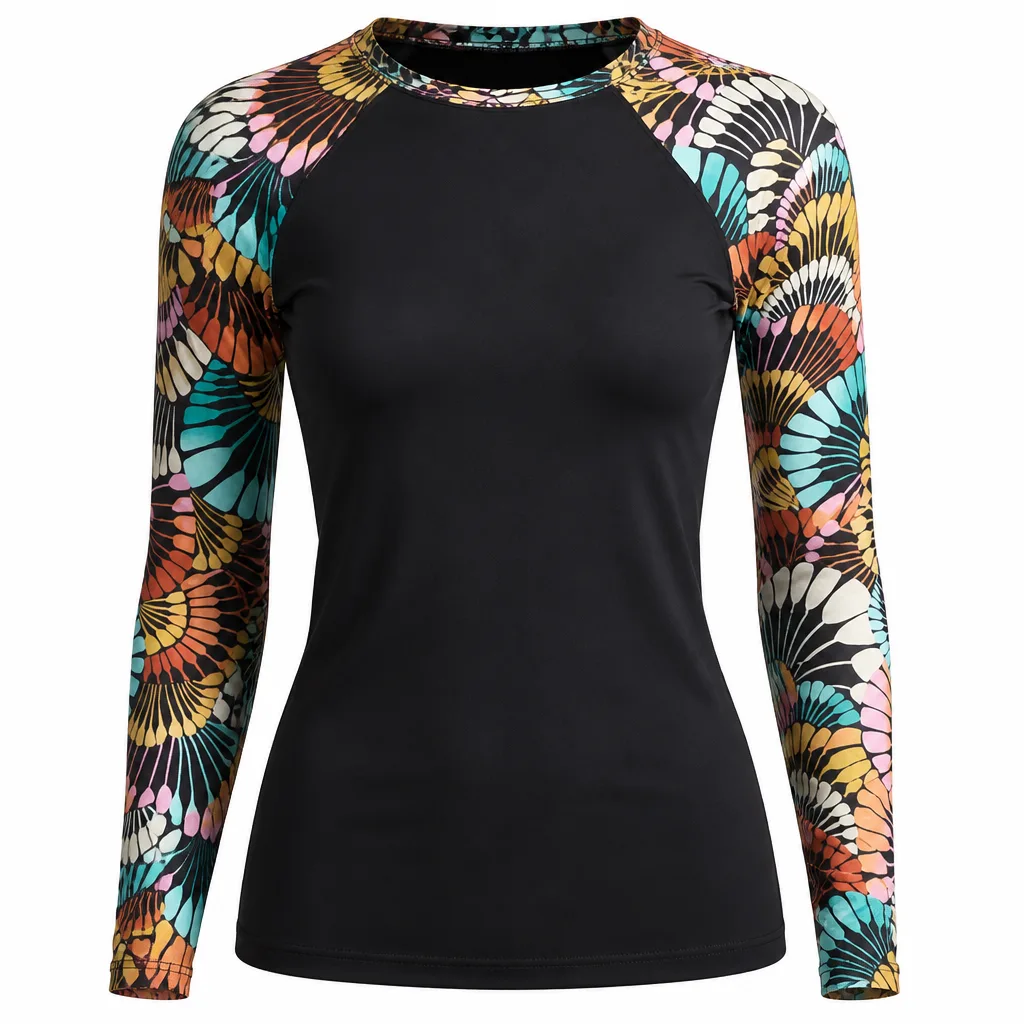
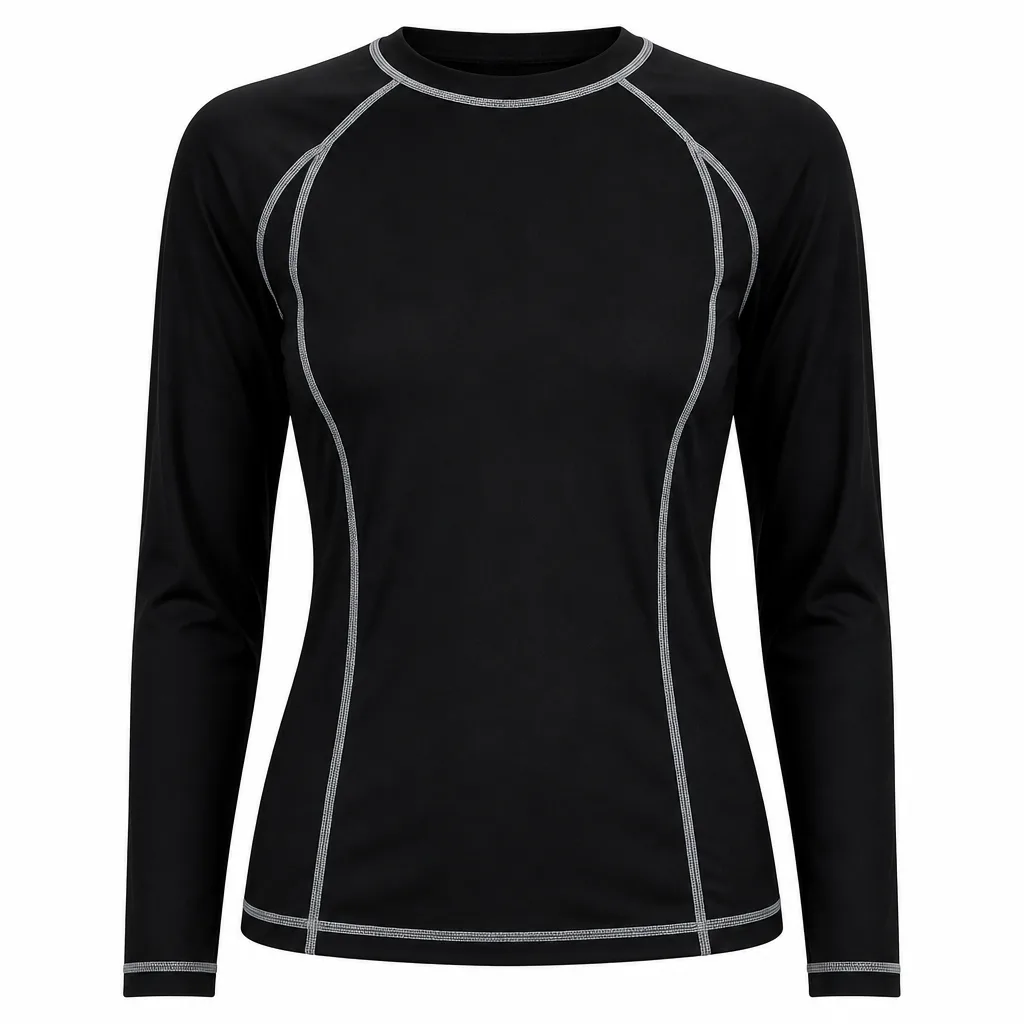
Gear Note: Quality rash guards with grip-resistant fabric help prevent sleeve control leading to these.
Omoplata and Other Shoulder Attacks
Omoplatas twist from guard. Posture up, stack aggressively, and knee slice through.
General Principles for Any Submission
Barlow's universal framework:
- Protect the Joint: Never let extension—frame early.
- Create Space: Shrimp, bridge, roll.
- Control Posture: Head and hips dictate everything.
- Offense from Defense: Every escape sets up a pass, sweep, or strike.
Training Template:
- Warm-up: Positional sparring (3 min rounds per sub).
- Drills: 50/50 partner work.
- Live: Start in submission attempt, escape and reverse.
- Cool-down: Flow rolling focusing on transitions.
Common Mistakes and Fixes
- Panic Pulling: Creates slack for tighter locks—breathe and frame.
- Static Defense: Always move hips.
- Ignoring Legs: Headhunters forget leg entanglements—scan always.
For women or lighter fighters: Leverage technique over strength—focus on angles.
Integrating into MMA, BJJ, and Beyond
In full MMA, submissions blend with strikes—train escapes under light punches. BJJ gi players: Master collar grips for frames. No-gi wrestlers: Emphasize underhooks. Kickboxers: Ground defense prevents takedown finishes.
Progression for All Levels:
| Level | Focus |
|-------|--------|
| White Belt | Basic stacks and postures |
| Blue/Purple | Counters and sweeps |
| Brown/Black | Live resistance and chains |
Build a defense-first mindset: 70% escapes, 30% attacks in early training.
Final Tips from Tom Barlow
Consistency beats intensity. Film your rolls, analyze weak spots. Invest in durable gear like supportive mouthguards and reinforced shorts to train hard without injury. Head to your local gym or Apollo MMA's collection for rash guards and gis that withstand heavy grappling sessions.
Master these, and no submission will catch you off-guard. Train smart, stay safe, and dominate the mats.
---