Top Grappling Training Equipment for MMA Training
Introduction
In MMA, the fighter who masters the ground owns the fight. A single takedown can shift momentum, turning strikers into submissions or pinning opponents for ground-and-pound dominance. That's why investing in top-tier grappling training equipment isn't optional—it's essential for every serious MMA athlete, from gym novices drilling escapes to pros prepping for UFC cages.
As a Muay Thai practitioner who's crossed over into full MMA camps, I've felt the grind of endless grappling sessions. The right gear doesn't just protect; it enhances technique, builds endurance, and simulates real pressure. In this guide, we'll dive deep into the best grappling training equipment for MMA training, drawing from hands-on experience with brands like Hayabusa, Venum, and Tatami. Whether you're building a home setup or outfitting a commercial gym, these picks prioritize durability, fit, and fight-ready performance.
Background and History
Grappling's roots in MMA trace back to the early UFC days, where Royce Gracie's Brazilian Jiu-Jitsu (BJJ) exposed striking's vulnerabilities. Wrestling influences from fighters like Mark Coleman and Khabib Nurmagomedov evolved it into a hybrid beast, blending takedowns, pins, and submissions. Today, grappling accounts for over 60% of fight time in elite bouts, per FightMetric data.
Equipment evolution mirrors this: Early wrestlers used basic canvas mats; BJJ pioneers adopted the kimono gi for grip training. Modern MMA demands versatile, no-gi tools that bridge disciplines. I've trained on everything from threadbare dojo floors to high-density foam mats in pro camps, witnessing how specialized gear like modular dummies has revolutionized solo drilling since the 2010s.
This history underscores a key truth: Grappling gear must adapt to MMA's chaos—sweaty no-gi scrambles, explosive wrestling shots, and BJJ guard play—without compromising safety or mobility.
Key Concepts
Selecting MMA grappling training equipment hinges on four pillars: mobility, durability, safety, and realism. Mobility ensures unrestricted hip movement for guard passes and escapes; rigid gear stifles this, leading to sloppy habits. Durability withstands thousands of reps—think high-impact falls on mats or dummy slams—while safety features like reinforced stitching prevent injuries in high-stakes sparring.
Realism is where pros separate from amateurs: Gear should mimic opponent resistance, from a dummy's weighted limbs to rash guards that replicate slick skin. For different skill levels, beginners need forgiving setups like padded headgear; advanced fighters prioritize minimalism, like lightweight grappling gloves for faster transitions.
Sizing matters too—oversized mats waste space in home gyms, while ill-fitting rash guards chafe during long rolls. Maintenance is non-negotiable: Air out neoprene dummies post-use to kill bacteria, and rotate gi rotations to extend life. These concepts aren't theory; they're forged in the sweat of daily camps.
Detailed Analysis
Grappling Dummies: The Solo Training Powerhouse
No partner? No problem. Grappling dummies are indispensable for grappling training equipment for fighters, letting you drill armbars, americana locks, and takedown defenses anytime. Look for high-density foam cores wrapped in durable PVC or cloth—Hayabusa's T3 model, for instance, weighs 75-110 lbs with articulated limbs that flop realistically under pressure.
From experience, cloth dummies like Venum's Elite series grip better for gi training crossovers, but they demand weekly hosing to combat odors. Neoprene versions excel in no-gi MMA, sliding like a greased opponent. Trade-off: They're pricey ($200-500), but one lasts years versus partner fatigue. Beginners start with wall-mounted torsos for space-saving; pros haul full-body beasts for sprawl drills.
Mats and Flooring: The Foundation of Safe Rolls
Pound-for-pound, MMA mats are the most critical grappling training equipment for training. Zebra-style puzzle mats (1-inch EVA foam) interlock seamlessly for home gyms, absorbing slams without the joint-jarring thud of hardwood. Tatami-style cloth-top mats from Ringside add grip for BJJ flows, preventing slips in sweaty sessions.
Thickness varies: 1.5-2 inches for wrestling shots in MMA; thinner 40mm for agility drills. I've transitioned from thin dojo tatami (prone to burns) to 2-inch high-rebound foam—night-and-day difference in knee health after 10-round rolls. Wall padding is a must for explosive environments; check IWF-compliant edges for tournament prep. Cost? $3-6 per sq ft, but skimping leads to ER visits.
Wearables: Rash Guards, Shorts, and Protection
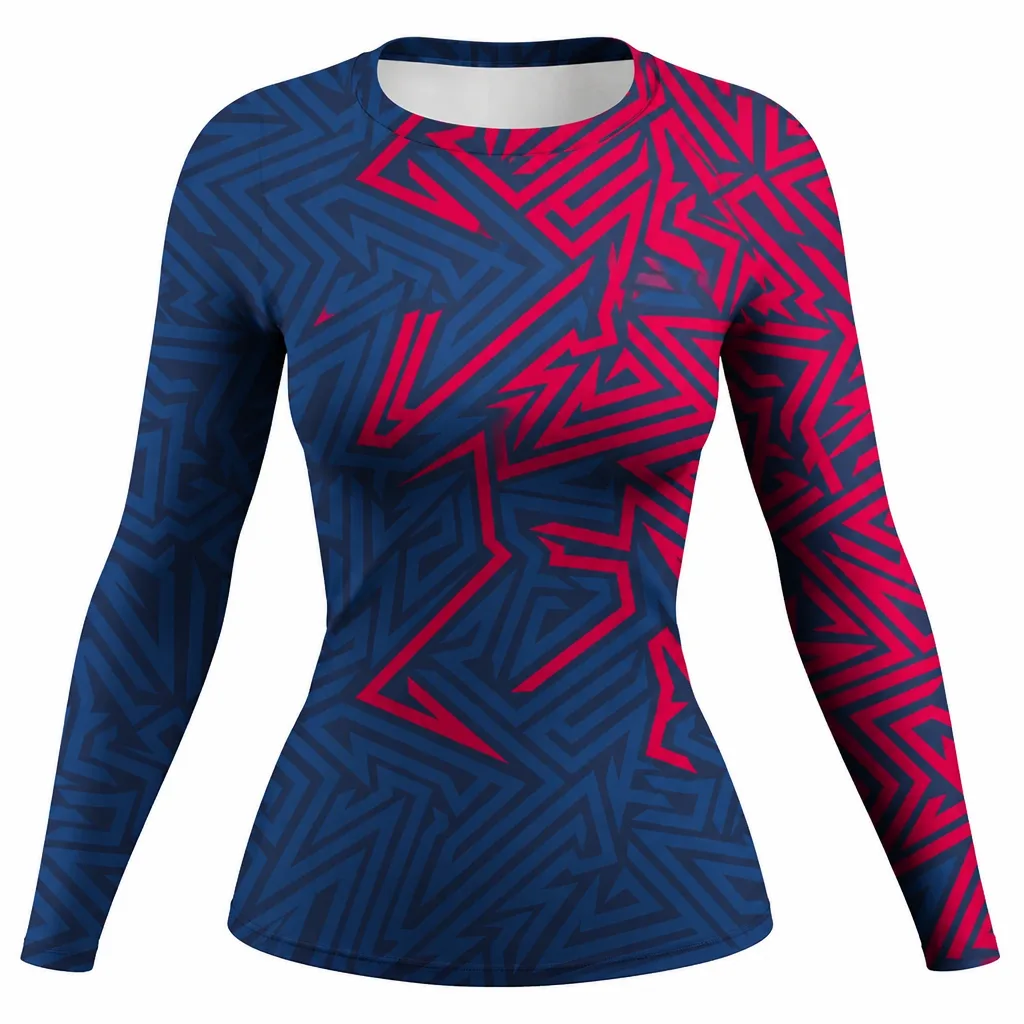
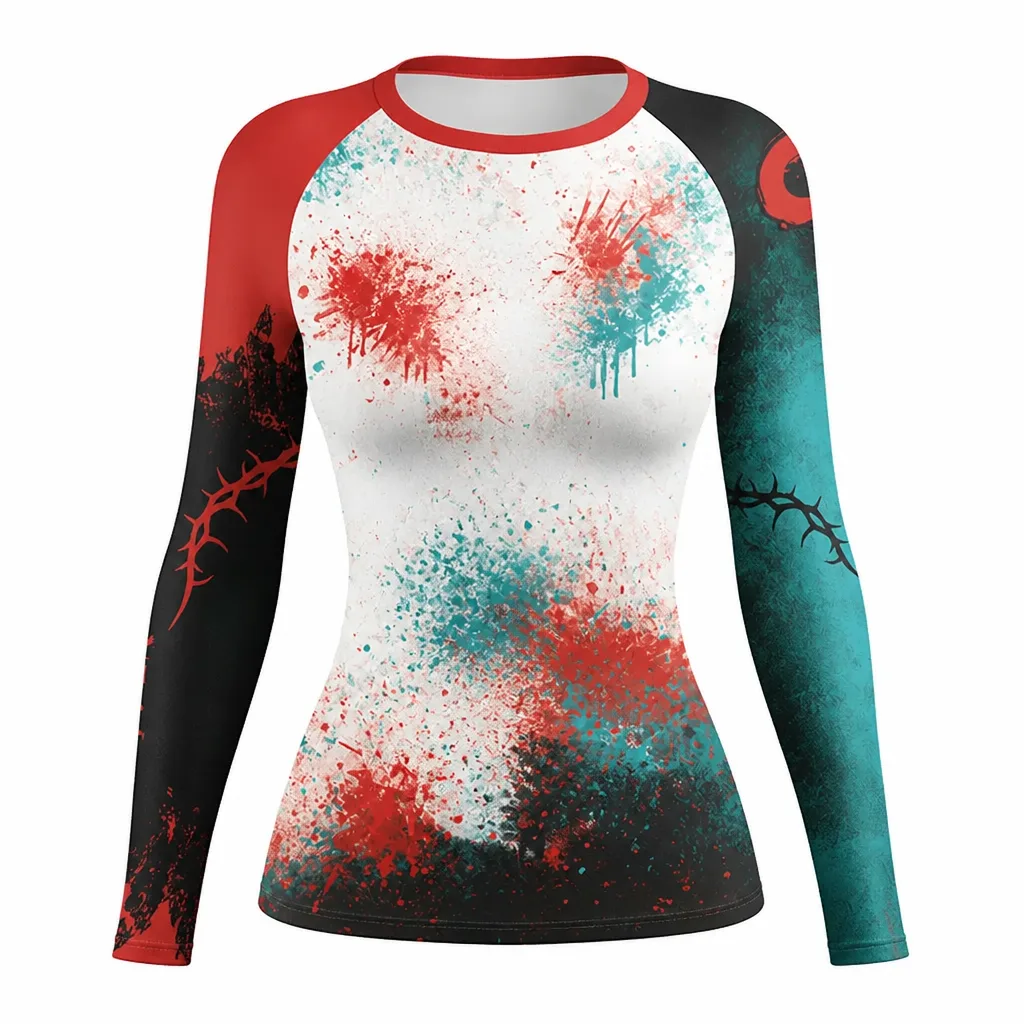
No-gi grappling thrives on skin-tight gear. Hayabusa's Hex rash guards use compression polyester-spandex blends (80/20 ratio) for muscle support and anti-chafing during guard retention battles. Venum's Iceman shorts feature split-scissor designs for hip freedom—crucial for Muay Thai fighters adding wrestling.
Grappling gloves (4-6 oz) like Fairtex's hybrid models bridge sparring and submissions, with gel padding that molds to knuckles over time. Mouthguards (Shock Doctor gel-fit) and headgear (Cliff Keen) round it out—essential for live rolls where accidental elbows fly. Limitation: Headgear can fog vision; opt for vented models for advanced users.
Strength and Conditioning Add-Ons
Grapplers need resistance tools. Wrestling belts (4-inch nylon) for chain wrestling drills build explosive hips. Resistance bands (Theraband levels) attach to dummies for positional sparring. For BJJ-MMA crossover, no-gi gis like Shoyoroll's shorts-only kits offer grip without bulk.
Durability test: I've shredded budget belts in months; premium leather like Cliff Keen's endures 500+ sessions. Always size for body type—slimmer builds favor narrower belts to avoid slippage.
Practical Applications
In a commercial gym, layer wrestling equipment like ankle support sleeves over mats for team drills—think chain wrestling circuits where pairs rotate every 5 minutes. Home workouts shine with compact dummies: Mount one to a door for 20-minute AMRAPs of guard passes and back takes, mimicking Khabib's solo grinds.
Sparring demands full kits—rash guards prevent mat burns during 5x5-minute rounds, while mouthguards absorb knee-to-body shots. Competition prep? Travel with foldable mats and a lightweight dummy for hotel shadow grappling. Safety first: Warm up joints on thinner mats before slamming onto thick ones; clean gear weekly to dodge ringworm.
For skill progression: Beginners focus on padded setups for confidence-building escapes; intermediates add resistance for speed. Pros strip to basics, using wearables only to heighten sensitivity. Across disciplines, Muay Thai clinch specialists benefit from dummy neck training for anti-wrestling defense.
Real-world tweak: In humid climates, choose breathable bamboo rash guards over synthetics—they wick sweat faster, sustaining longer sessions without blisters.
Expert Recommendations
Here's my curated list of the best grappling training equipment, battle-tested in camps from Thailand dojos to Vegas gyms:
- Top Dummy: Hayabusa T3 Grappling Dummy – Unmatched limb realism, 40% more durable than PVC rivals. Ideal for all levels ($350).
- Best Mats: Ringside Elite Puzzle Mats – 2-inch rebound foam, zebra grip. Covers 10x10 ft affordably ($400/set).
- Elite Rash Guard: Venum Attack Pro – Laser-cut seams, antimicrobial lining. No-gi perfection ($50).
- Wrestling Essential: Cliff Keen Tornado Headgear – Lightweight, secure fit for headlocks ($60).
- Budget Pick: Everlast Grappling Gloves – Gel palm for grip, survives 200 rolls ($30).
Pro tip: Pair with our training tips for programming—e.g., 3x dummy rounds pre-spar to prime explosiveness. Value-wise, invest in multi-use pieces; a $400 dummy replaces hours of partner time. Avoid hype: Flashy colors fade; prioritize reinforced stress points.
For body types, stockier wrestlers love wider mats; agile BJJ players prefer narrow dummies for quick resets. Always check Apollo MMA's collection for sizing charts—we stock S-3XL across brands.
Conclusion
Elevating your ground game starts with the right grappling training equipment for MMA training. From dummies that never tire to mats that save your spine, these tools forge unbreakable skills across beginner drills to pro cages. Don't settle for generic gym gear—choose premium selections that match your grind.
At Apollo MMA, we're your worldwide source for fighter-grade equipment. Browse our collections today, gear up, and dominate the mats. Your next submission awaits—what's your first buy?
By Jennifer Rodriguez, Sports Nutrition Expert and Muay Thai Practitioner. With years conditioning fighters, I've tested gear in real MMA scenarios to bring you unbiased insights.