Why Aerobic GPP Circuits Are a Game-Changer for Fighters
In the high-stakes world of MMA, BJJ, wrestling, and Muay Thai, having rock-solid aerobic capacity isn't just nice—it's essential. While explosive power and anaerobic bursts win short exchanges, it's your aerobic engine that keeps you sharp through grueling five-round wars or endless submission hunts. General Physical Preparedness (GPP) circuits zero in on this, building a broad base of conditioning that translates directly to the cage, mat, or ring.
Traditional strength training builds muscle, but aerobic GPP hones your ability to sustain effort over time. Think of it as forging an unbreakable engine for your body. For grapplers, who often roll for 10+ minutes straight, this means less fatigue, sharper decision-making, and the stamina to capitalize on late opportunities. MMA fighters benefit too—picture maintaining crisp striking and takedown defense deep into a fight, outlasting opponents who fade.
Aerobic vs. Anaerobic: Know Your Conditioning Spectrum
Quick breakdown:
- Anaerobic: High-intensity, short-duration efforts (e.g., a 30-second sprint or explosive takedown). Relies on stored energy, leads to quick burnout.
- Aerobic: Steady-state, longer-duration work (e.g., jogging or circuit training). Uses oxygen to fuel muscles continuously, building endurance.
Most fighters overemphasize anaerobic work, neglecting the aerobic base. Result? They gas out mid-round. These circuits flip the script, prioritizing aerobic development to support all-out efforts.
Key Benefits for Combat Athletes
- Enhanced Recovery Between Rounds: Faster replenishment of energy stores during rest periods.
- Improved Grappling Stamina: Sustain top pressure or guard retention without slowing down.
- MMA-Specific Carryover: Better pace control in stand-up exchanges and ground battles.
- Injury Prevention: Balanced conditioning reduces overuse risks from one-sided training.
- Mental Toughness: Pushing through discomfort builds the grit needed for competitions.
Building Your Aerobic GPP Foundation
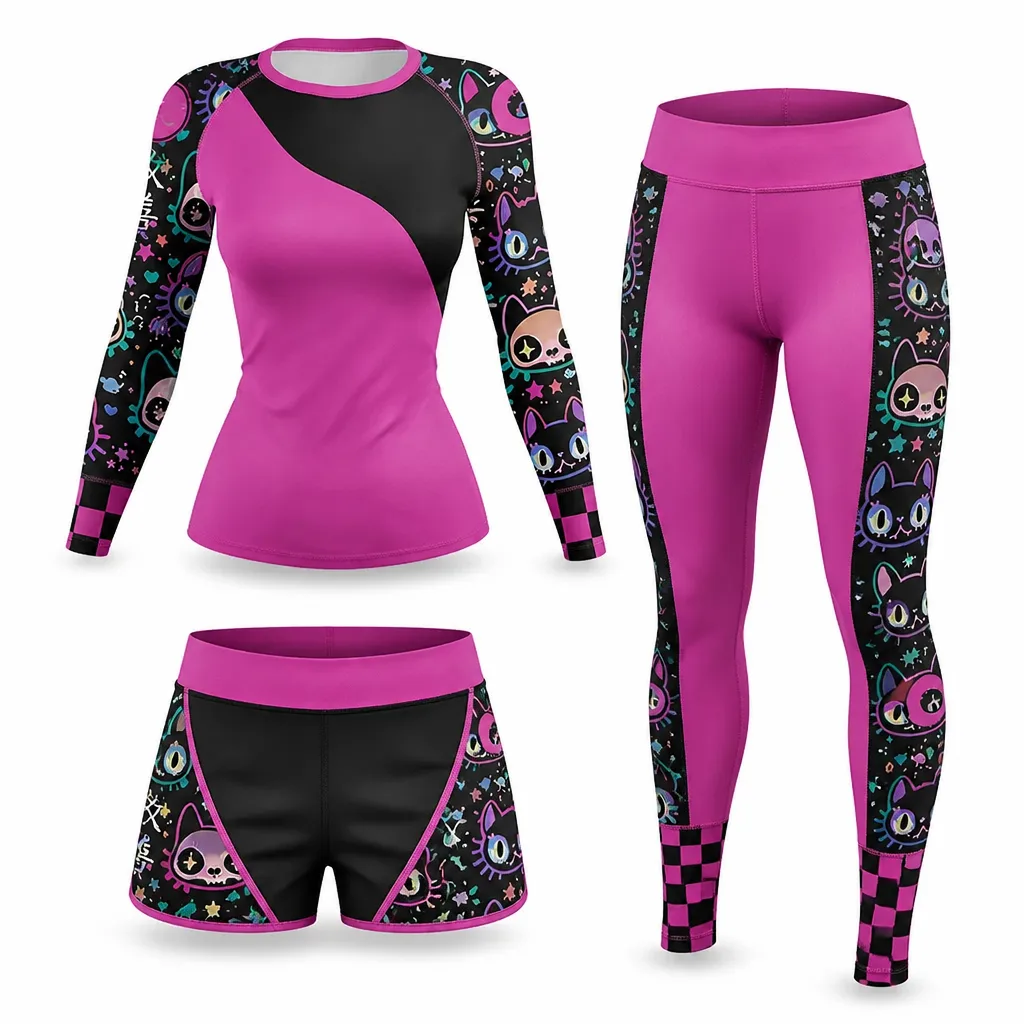
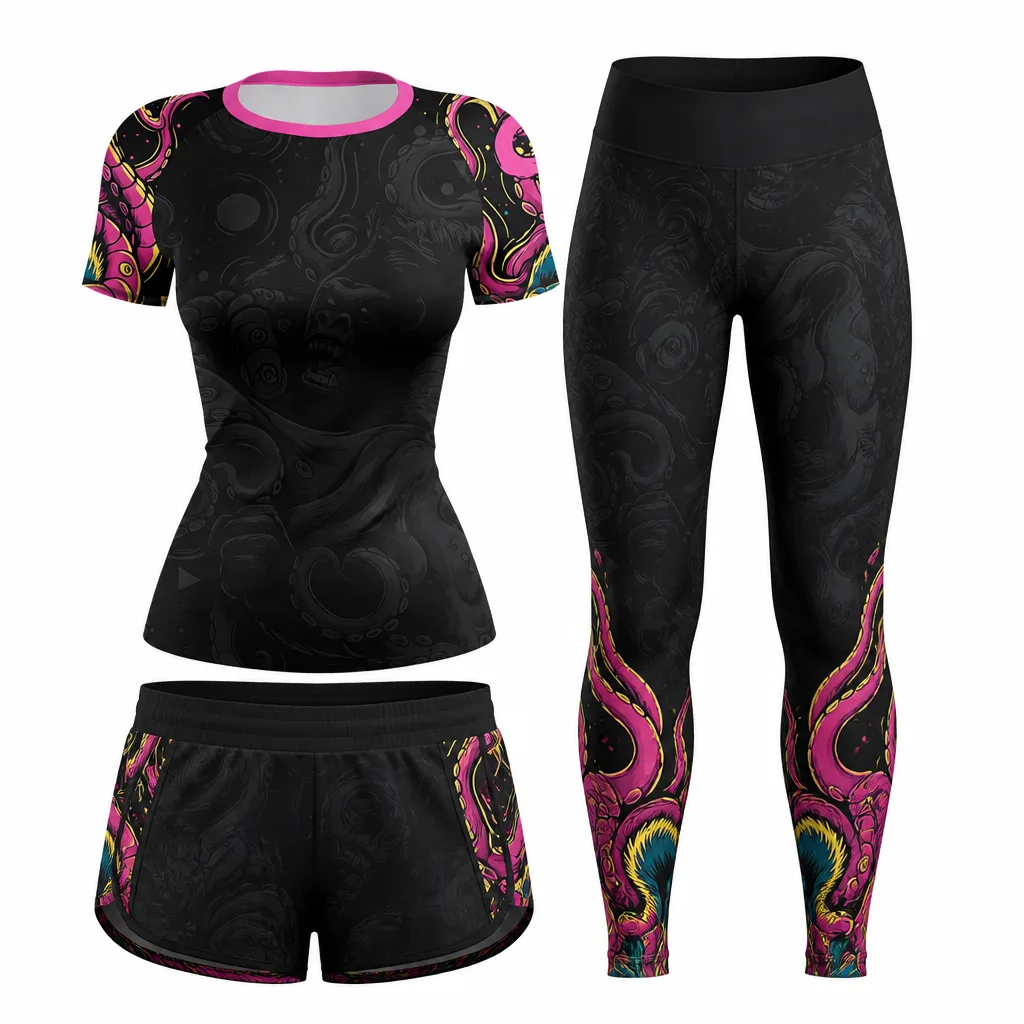
Start simple, progress smart. Aim for 2-3 sessions per week, 20-40 minutes each. Use a timer app, and pair with quality gear from Apollo MMA—like breathable rash guards and supportive shorts to stay comfortable.
Warm-Up Protocol (5-10 mins):
- Light jog or shadow wrestling.
- Dynamic stretches: arm circles, leg swings, torso twists.
Core Principles:
- Keep heart rate in aerobic zone (60-70% max—conversational pace).
- Minimal rest: 30-60 seconds between exercises.
- Scale intensity: Beginners use bodyweight; advanced add weights or speed.
Killer Aerobic GPP Circuits for Fighters
Here are battle-tested circuits, adapted for MMA, BJJ, boxing, kickboxing, and wrestling. Perform as many rounds as possible (AMRAP) in the time frame, or set round counts. Rest 2-3 minutes between circuits.
Circuit 1: Grappler's Grind (25-30 mins)
Ideal for BJJ and submission wrestling—emphasizes full-body flow.| Exercise | Reps/Time | Notes |
|----------|-----------|-------|
| Jog in place or shadow boxing | 2 mins | Maintain steady pace, throw light combos. |
| Burpees | 10-15 | Full range: squat, push-up, jump. MMA twist: Add a sprawl. |
| Kettlebell swings (or dumbbell) | 20 | Hinge at hips, explosive drive. Use 16-24kg for men, 8-16kg women. |
| Mountain climbers | 30 secs/side | Fast feet, core tight—like scrambling from bottom position. |
| Air squats | 20 | Deep, athletic stance for wrestling shots. |
Progression: Week 1: 3 rounds. Week 4: 5 rounds + heavier bells.
Pro Tip: In Muay Thai camps, swap jog for knee strikes to mimic clinch work.
Circuit 2: MMA Mat Monster (30 mins)
Targets cage control and transitions.- Rowing machine or battle ropes (if available): 90 secs. Alternate with jumping jacks.
- Push-ups: 15-20. Variations: archer or diamond for triceps power.
- Russian twists (med ball or plate): 20/side. Builds rotational power for throws.
- Box jumps or step-ups: 10-15. Explosive hips for takedowns.
- Plank hold: 45-60 secs. Anti-postural strength for guard passing.
Customization for Boxing/Kickboxing: Replace planks with heavy bag rounds (light pace).
Circuit 3: Endurance Engine Builder (20-40 mins)
Pure aerobic focus—steady state with minimal gear.- Run/shuttle runs: 400m or 4x50m sprints at moderate pace.
- Bear crawls: 20m forward/back. Wrestling staple for mat control.
- Wall sits: 45 secs. Leg burner for stance endurance.
- Jumping jacks or star jumps: 50. Cardio spike without impact.
- Farmer's carry (dumbbells/kettlebells): 40m. Grip strength for clinches.
Scaling for All Levels
- Beginners: Halve reps, double rest. Focus on form.
- Intermediates: Standard as listed.
- Advanced/Pro: Increase volume, reduce rest to 20 secs, add complexes (e.g., burpee + swing).
Integrating into Your MMA Training Week
Sample schedule:
- Mon: Strength + Technique
- Tue: GPP Circuit 1
- Wed: Sparring
- Thu: GPP Circuit 2
- Fri: Skill Drills
- Sat: Active Recovery or Circuit 3
- Sun: Rest
Pair with nutrition: Post-workout carbs + protein to refuel that aerobic base. Hydrate like a champ.
Gear Up for Success at Apollo MMA
Don't let crappy equipment hold you back. Stock up on durable kettlebells, med balls, and rash guards from top brands like Hayabusa, Venum, or Scramble. Browse our collection for everything to crush these circuits.
These aerobic GPP circuits aren't fluff—they're your ticket to outlasting anyone on the mats or in the cage. Implement them consistently, and feel the difference in your next roll or fight. What's your go-to conditioning drill? Hit the comments and let's build that fighter physique together!
(Word count: 1,128)
---