Why Neck Training Matters in Combat Sports
In the high-impact world of MMA, Brazilian Jiu-Jitsu (BJJ), wrestling, Muay Thai, and boxing, a strong neck is your first line of defense. It protects against devastating takedowns, guillotine chokes, snap-downs, and strikes that can cause concussions or spinal strain. Fighters like Khabib Nurmagomedov and Gordon Ryan emphasize neck work to maintain head control and resist submissions.
Weak neck muscles lead to common injuries: whiplash from sprawls, cauliflower ear acceleration, or vulnerability in scrambles. Strengthening this area improves posture, balance, and overall power transfer during throws and pins. Whether you're a beginner rolling in the gym or prepping for competition, incorporating neck training 2-3 times weekly yields noticeable gains in resilience.
Benefits Across Disciplines
- MMA Fighters: Absorb punches and kicks while transitioning to ground control.
- BJJ Practitioners: Resist arm triangles and maintain guard retention.
- Wrestlers: Counter double-legs and chain wrestle without fatigue.
- Boxers and Kickboxers: Stabilize during head movement and clinch work.
- Muay Thai Enthusiasts: Handle teeps and clinch knees effectively.
Essential Neck Training Equipment
Quality gear elevates your routine. Invest in durable items from trusted brands like Hayabusa, Venum, or RDX, available at premium retailers like Apollo MMA.
Neck Harness
A staple for weighted resistance. Features adjustable straps and a padded collar for comfort. Load with weight plates (5-45 lbs) for progressive overload.Resistance Bands
Versatile for isometric holds. Anchor to doors or partners for constant tension.Neck Bands or Tubes
Lightweight, portable options mimicking harness pulls in four directions: front, back, sides.Medicine Balls and Plates
For dynamic bridges and harness loading.Begin with bodyweight, advance to 10-20 lbs, aiming for 3 sets of 10-15 reps per direction.
Step-by-Step Neck Training Exercises
Follow this progressive program, warming up with 5-10 minutes of light cardio and dynamic stretches.
1. Neck Bridges (Bodyweight Foundation)
Lie on your back, feet flat, knees bent. Lift hips and roll onto the crown of your head, forming a bridge. Hold 10-30 seconds, rocking gently forward/back.
- Progression: Full bridges with hands clasped, then one-legged variations.
- Reps: 3 sets of 20-60 seconds.
- Tip: Breathe steadily; avoid jerking to protect cervical spine.
Ideal for wrestlers and BJJ players building endurance.
2. Isometric Neck Holds
Stand or sit tall. Use hands or bands to apply resistance in four planes:
- Front (flexion)
- Back (extension)
- Left/Right sides (lateral flexion)
Push against resistance for 10-20 seconds without moving.
- Progression: Add manual resistance from a partner or bands.
- Reps: 3-4 sets per direction.
Great for all levels, enhances stability for clinch work in Muay Thai.
3. Neck Harness Pulls
Secure harness, attach weight via chain. Perform controlled pulls:
- Front raises: Lift head forward.
- Rear extensions: Pull back.
- Lateral pulls: Side to side.
Keep movements slow (3 seconds up, 3 down).
- Progression: Increase weight 5 lbs weekly; superset with bridges.
- Reps: 3 sets of 10-12 per direction.
Pro fighters use 25-50 lbs for explosive power.
4. Band-Resisted Extensions
Loop band around head, anchor low. Extend neck against tension.
- Variation: Partner resistance for real-time feedback.
- Reps: 3 sets of 15.
Portable for home or travel training.
5. Advanced: Superman Holds and Yokes
On all fours, extend neck while lifting opposite arm/leg. Or use a yoke for farmer's walks with neck emphasis.
- Reps: 3 sets of 20 seconds.
Sample Weekly Routine
Beginner (2x/week):
- Bridges: 3x30s
- Isometrics: 3x10s/direction
- Band pulls: 3x10
Intermediate (3x/week):
- Bridges: 3x60s
- Harness (10 lbs): 3x12/direction
- Isometrics: 4x20s
Advanced (4x/week):
- Full routine + supersets, 25+ lbs harness
Rest 48 hours between sessions. Track progress in a journal.
Safety and Common Mistakes
- Warm-Up: Always neck circles and shrugs first.
- Form First: No ego-lifting; pain means stop.
- Recovery: Ice if sore, foam roll traps.
- Avoid: Hyperextension or daily heavy loads.
Integrating into Your MMA Training
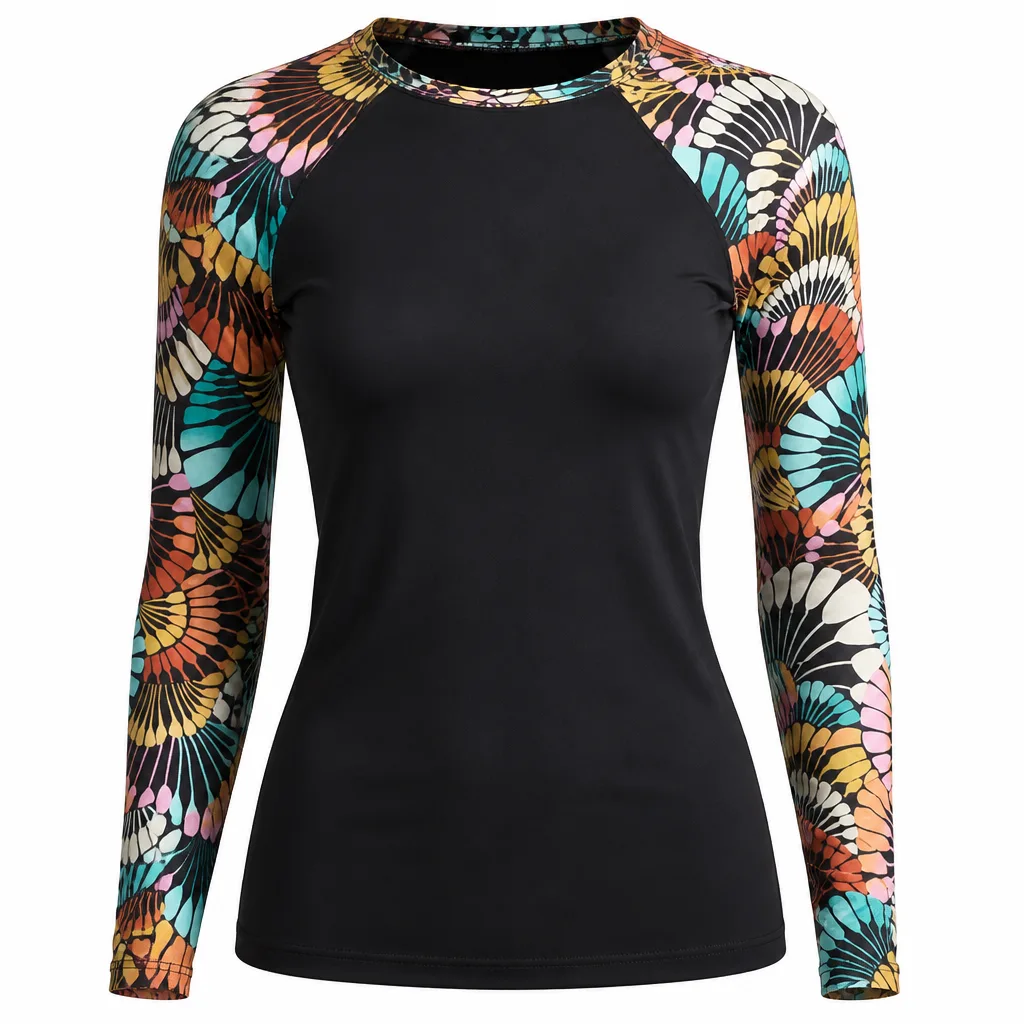
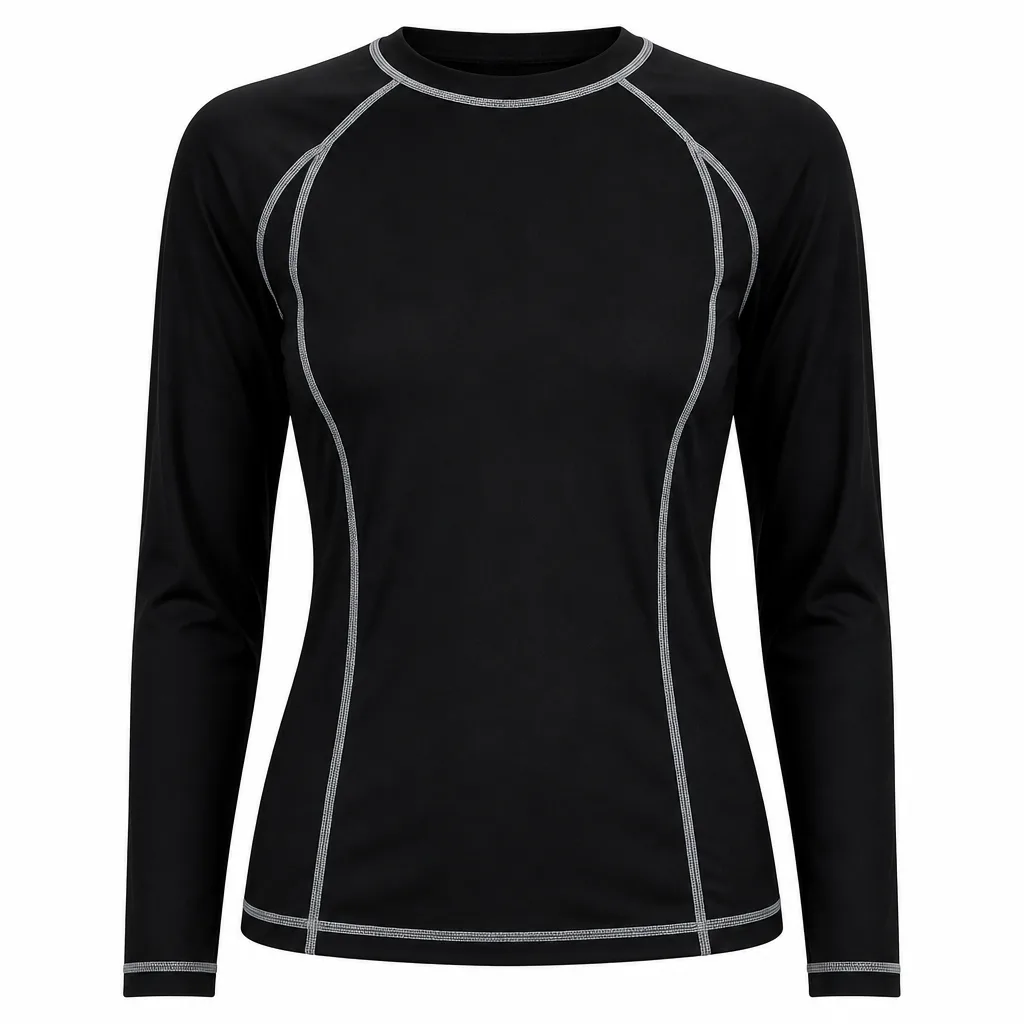
Add as a finisher post-wrestling or sparring. Fighters report better takedown defense within 4-6 weeks. Combine with Hayabusa rash guards and Venum gloves from Apollo MMA for full gear setups.
Neck training isn't glamorous but it's game-changing. Commit, and feel the difference in your next roll or fight.
---