Finding the Sweet Spot: General vs. Specific Strength for Grapplers
Strength training is a cornerstone for anyone serious about grappling sports like Brazilian Jiu-Jitsu (BJJ), no-gi grappling, or MMA. But a common question arises: how tailored does your gym work need to be to your sport? Do you need exercises that mimic rolling on the mats, or is building a broad base of power more effective? This guide breaks it down, drawing from proven principles in sports science and real-world application across combat sports.
We'll explore the spectrum from general strength to hyper-specific drills, recommend exercises that deliver results, and share programming strategies to maximize your mat performance. Whether you're a beginner building foundational power or an advanced competitor refining your edge, these insights will help you train smarter.
Why Specificity Matters in Grappling Strength Training
In combat sports like BJJ, wrestling, and MMA, strength isn't just about lifting heavy—it's about applying force in chaotic, dynamic positions. Grappling demands explosive pulls, crushing grips, isometric holds, and resilient posture under fatigue.
The Principle of Specificity: Training adaptations mirror the stress you apply. Runners get better at running by running; grapplers improve grappling strength through similar movements. But blindly copying mat actions in the gym leads to junk volume—low-reward exercises that don't build true power.
Instead, aim for a pyramid approach:
- Base Layer (60-70%): General strength to build work capacity, injury resilience, and raw power.
- Middle Layer (20-30%): Transferable strength—exercises that bridge gym to mats.
- Top Layer (10%): Highly specific work for peaking or addressing weaknesses.
This holds true across disciplines: Muay Thai clinch fighters benefit from grip and pull strength, boxers from rotational power, and wrestlers from explosive hips.
Building Your General Strength Foundation
Before diving into grappling-specific lifts, establish a bulletproof base. General strength improves your ability to handle higher training loads, recover faster, and stay durable through grueling rolls.
Key Benefits:
- Increases overall force production.
- Enhances neuromuscular efficiency.
- Reduces injury risk during high-volume grappling sessions.
Essential General Exercises:
- Deadlifts (Conventional or Trap Bar): King of posterior chain strength. Aim for 3-5 sets of 3-5 reps at 80-90% 1RM. Builds the pull power needed for guard passes and takedown defense.
- Squats (Back, Front, or Goblet): Develop hip and quad drive for bridging and shrimping. 3-5x5-8 reps.
- Bench Press or Overhead Press: Upper body pressing for framing and posting. Alternate weekly.
- Pull-Ups/Chin-Ups: Vertical pulling mimics arm drags and guard pulls. Add weight for progression.
Pro Tip: Test your baseline with a 1RM or 5RM every 8-12 weeks. Grapplers should hit:
- Deadlift: 2x bodyweight
- Squat: 1.5x bodyweight
- Pull-Ups: Bodyweight x 10-15 strict
If you're below these, prioritize general work. Elite BJJ black belts and MMA pros often exceed these markers.
Transitioning to Grappling-Specific Strength
Once your base is solid, layer in movements that transfer directly to the mats. These emphasize eccentric control, isometrics, and odd positions common in BJJ, no-gi, and MMA scrambles.
Neck Training: Crucial for gi and no-gi to prevent guillotines and spine injuries.
- Neck harness or plate neck bridges: 3x20-30 reps.
- Wrestler's bridges: Hold 30-60s.
Grip Strength: The great equalizer in grappling.
- Towel or Gi pull-ups: Hang thick towels over the bar for crushing grip.
- Farmer's walks: 40-60s carries with heavy kettlebells or dumbbells.
- Pinch holds: Grip plates for time.
Use chalk (like liquid chalk from brands such as Hayabusa or Venum) during sessions to maximize grip without slipping—perfect for no-gi training.
Pulling Power for Control:
- Rows (Barbell, Dumbbell, or Chest-Supported): 3-4x8-12. Targets back thickness for underhooks and guard retention.
- Renegade Rows: Anti-rotation for posture under pressure.
Hip and Core Explosiveness:
- Power Cleans or Kettlebell Swings: Triple extension for takedowns.
- Turkish Get-Ups: Full-body stability mimicking scrambles.
Isometric Holds:
- Hold bottom squats or deadlift lockouts for 20-40s to build that 'stuck under side control' resilience.
Programming Your Weekly Strength Routine
Integrate strength 2-4x/week around your grappling sessions. Use periodization to avoid burnout:
Sample 4-Week Block for Intermediate Grapplers:
| Day | Focus | Example Workout |
|-----|--------|-----------------|
| Mon | Grappling | Live rolls + light grip work |
| Tue | General Lower | Deadlift 5x5, Squats 4x8, Core |
| Wed | Rest/Active Recovery | Mobility, neck training |
| Thu | Grappling | Drilling + specific pulls (Rows 4x10) |
| Fri | Upper/General | Pull-Ups 5x5, Bench 4x6, Farmer's Walks |
| Sat | Optional Specific | Isometrics + hip explosiveness |
| Sun | Rest | Recovery |
Progression Rules:
- Weeks 1-3: Build volume (add reps/sets).
- Week 4: Deload (50-70% intensity).
- Cycle every 4-6 weeks, testing strength quarterly.
For MMA fighters, blend in striking-specific power like med ball throws. BJJ purists can double down on gi grips with rope climbs.
Common Mistakes to Avoid:
- Over-specificity early: Don't neglect deadlifts for 'mat squats.'
- Ignoring recovery: Grappling taxes the CNS—prioritize sleep and nutrition.
- Neglecting weak links: If grips fail first, hammer them twice weekly.
Testing and Measuring Progress
Track mat performance, not just gym numbers:
- Grip Test: Hang from pull-up bar (no chalk) for max time—aim 60s+.
- Pull Test: Max gi pull-ups.
- Breakout Test: Time escaping bottom side control in sparring.
Reassess every 8 weeks. If strength plateaus but mat work improves, you're transferring well.
Gear to Support Your Strength Training
Quality equipment elevates your sessions:
- Rash Guards and Spats: From brands like Scramble or Hyperfly for grip-free skin.
- Weightlifting Belts: Stabilize heavy deads (e.g., from Pioneer or Inzer).
- Grip Aids: Liquid chalk for max holds.
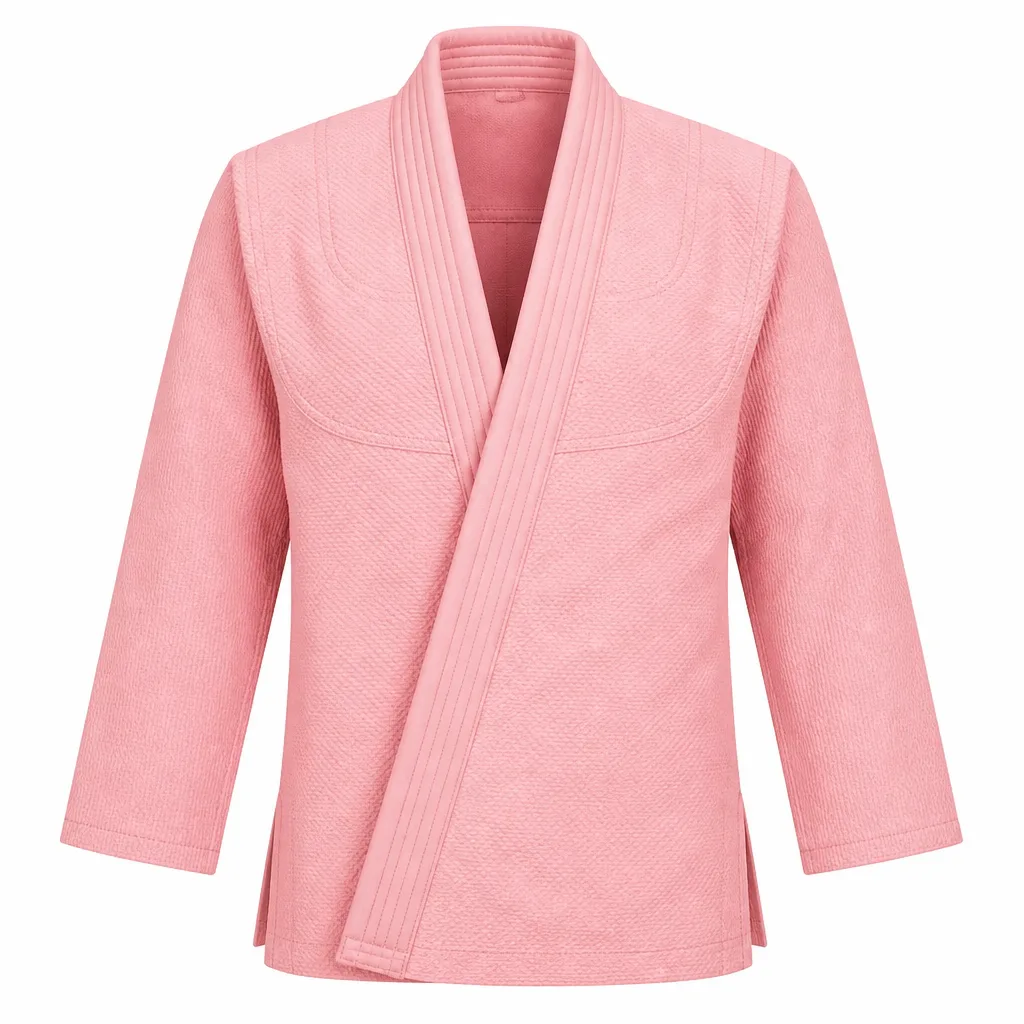
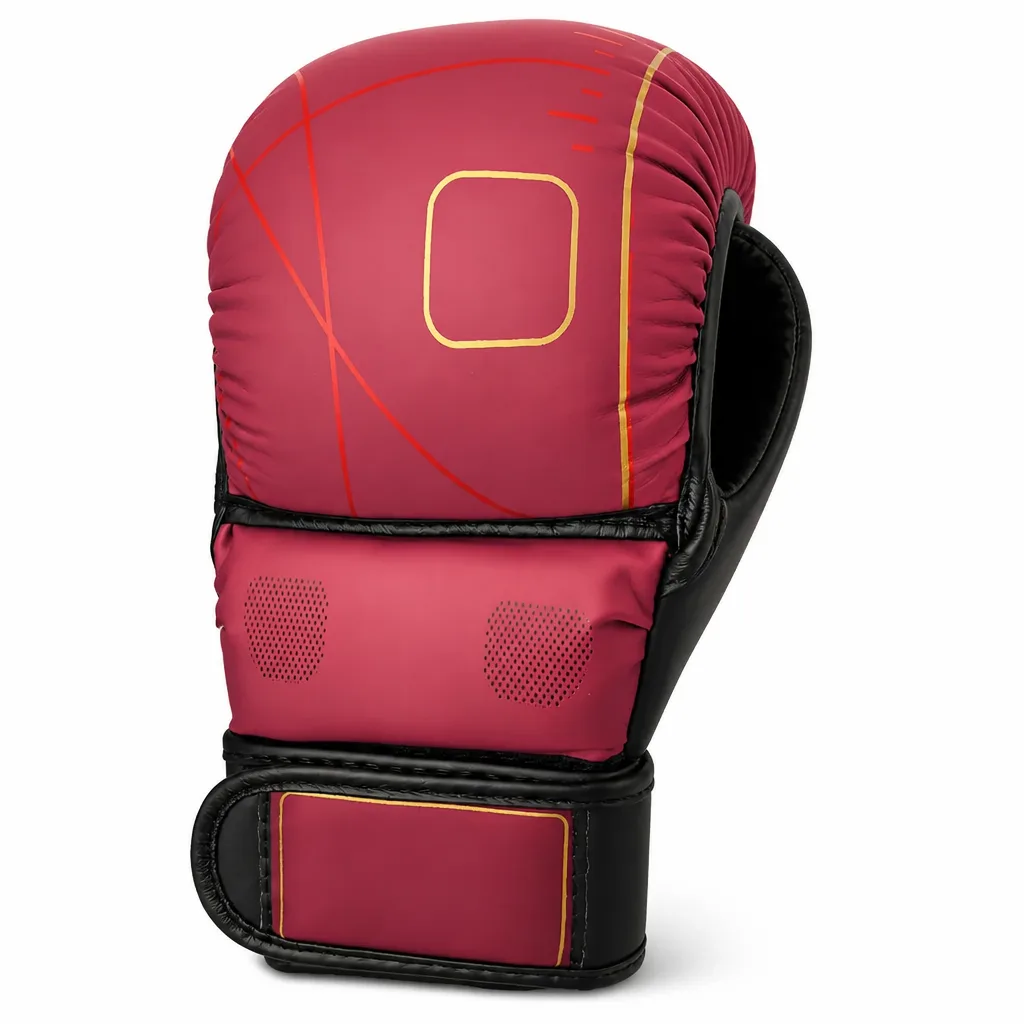
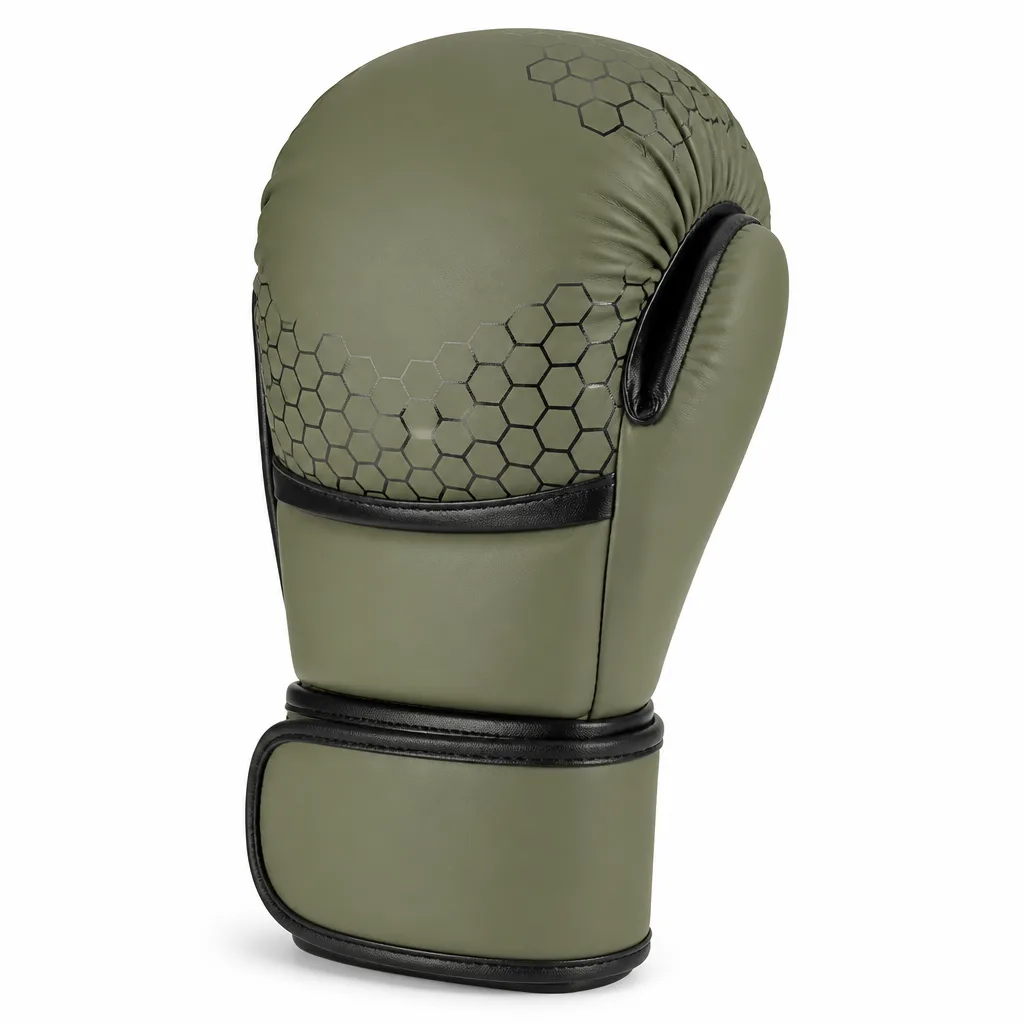
Browse Apollo MMA's collection for durable training apparel and accessories tailored for grapplers worldwide.
Final Thoughts: Train Smart, Roll Strong
Your grappling strength doesn't need to be 100% specific— a 70/30 general-to-specific split yields the best long-term gains. Build the base, add transferable power, and fine-tune for competition. Consistent application across BJJ, MMA, wrestling, or kickboxing will make you unbreakable on the mats.
Ready to level up? Grab the right gear from Apollo MMA and start programming today.
---