---
---
Bjj Belt System: Comparing Quality, Durability, and Value
A cheap BJJ belt that unravels after three months of drilling isn't just frustrating—it's a safety hazard on the mats. As Marcus Silva, a former pro MMA fighter with over 15 years in the cage and countless hours rolling in Brazilian Jiu-Jitsu, I've snapped more than my share of subpar belts during intense sparring sessions. In the world of the bjj belt system, quality isn't optional; it's the difference between consistent progress and constant replacements.
Whether you're a white belt grinding through fundamentals at your local gym or a brown belt prepping for an MMA superfight, selecting the right belt ties directly into your training efficiency. At Apollo MMA, we stock premium options that stand up to real-world abuse. This guide dives deep into the bjj belt system for fighters and everyday grapplers, comparing materials, construction, and value to help you invest wisely.
Expert Perspective: Hands-On Testing in the Gym and Cage
I've worn every type of BJJ belt imaginable—from basic single-weave cotton straps to high-end embroidered beasts favored by IBJJF competitors. In my MMA career, belts weren't just rank symbols; they were functional tools that had to withstand gi chokes, guard passes, and the sweat-soaked chaos of no-gi transitions. A good bjj belt system for training starts with 100% cotton construction, typically 1.5 to 2 inches wide and 1.75 to 2 meters long, depending on your size.
Take Hayabusa's pro-grade belts: their double-reinforced stitching holds firm after 200+ hours of live rolling. I remember a Hayabusa black belt surviving a full camp for a regional MMA tournament—gi sessions twice daily, plus wrestling drills. Contrast that with bargain-bin options from no-name brands; their thin poly-blends fray at the edges within weeks, loosening during scrambles and risking slips mid-tap.
For MMA fighters crossing over to BJJ, durability shines in hybrid scenarios. Tatami belts, with their pearl-weave infused ranks, grip gis without excessive bulk, perfect for blending with MMA gloves in stand-up grappling. My take? Prioritize belts with labeled bar-tack stitching at stress points—these endure the torque of armbars and leg locks better than glued alternatives.
Real-World Durability Breakdown
- Beginner Training (Gym Drills): Single-weave cotton like Ringside's entry-level line lasts 6-12 months with proper care. Soft on the skin, but watch for color bleeding in washes.
- Intermediate Sparring: Venum's mid-tier belts use 12oz cotton with embroidered patches; they resist fading after 100 washes, ideal for 4-5 sessions weekly.
- Pro/Competition: Shoyoroll or Hyperfly custom belts feature triple stitching and hypoallergenic dyes—I've seen them outlast two standard belts in pro camps.
Experience tells me: always size up for larger frames (A3-A5 for adults over 6' tall) to avoid constant re-tying, which interrupts flow state during positional sparring.
Industry Insights: What Sets the Best BJJ Belt Systems Apart
The BJJ belt system—white through black, with coral for instructors—evolves from Judo roots, but modern manufacturing has elevated standards. IBJJF regulations mandate specific colors and widths (9cm max for competition), pushing brands like Fairtex and Twins to innovate with ripstop cotton blends for Muay Thai-BJJ hybrids.
Quality hinges on weave density: pearl weave (12-14 stitches per inch) outperforms single weave (8-10 spi) in grip and wash retention. Durability kings like Everlast use woven labels over printed ones, preventing ink cracks after machine cycles. Value? A $30-50 belt from Apollo MMA's BJJ belts collection often matches $80 competitors, thanks to direct sourcing.
Industry pros, from Gracie Academy affiliates to ONE Championship grapplers, swear by belts balancing weight and flexibility. Heavier 450gsm cotton (like Tatami Elements) suits no-gi MMA training for better knot security, while lighter 350gsm works for kids or Kickboxing warm-ups. Lesser-known fact: antimicrobial threading in Hayabusa models cuts odor by 40% post-sweaty home workouts—game-changer for garage gyms.
Brand Face-Off: Quality vs. Price
| Brand | Material/Weave | Durability Rating (Out of 10) | Best For | Price Range |
|---|---|---|---|---|
| Hayabusa | 100% Cotton, Pearl Weave | 9.5 | MMA Fighters, Competition | $40-70 |
| Tatami | 12oz Cotton, Double Stitch | 8.8 | Training, All Levels | $25-50 |
| Venum | Poly-Cotton Blend | 8.0 | Beginners, Budget | $20-40 |
| Shoyoroll | Premium Jacquard | 9.8 | Pros, Collectors | $60-100 |
This matrix draws from my shelf of tested gear—Shoyoroll edges out for prestige, but Tatami wins value for most.
Practical Advice: Choosing and Maintaining Your BJJ Belt
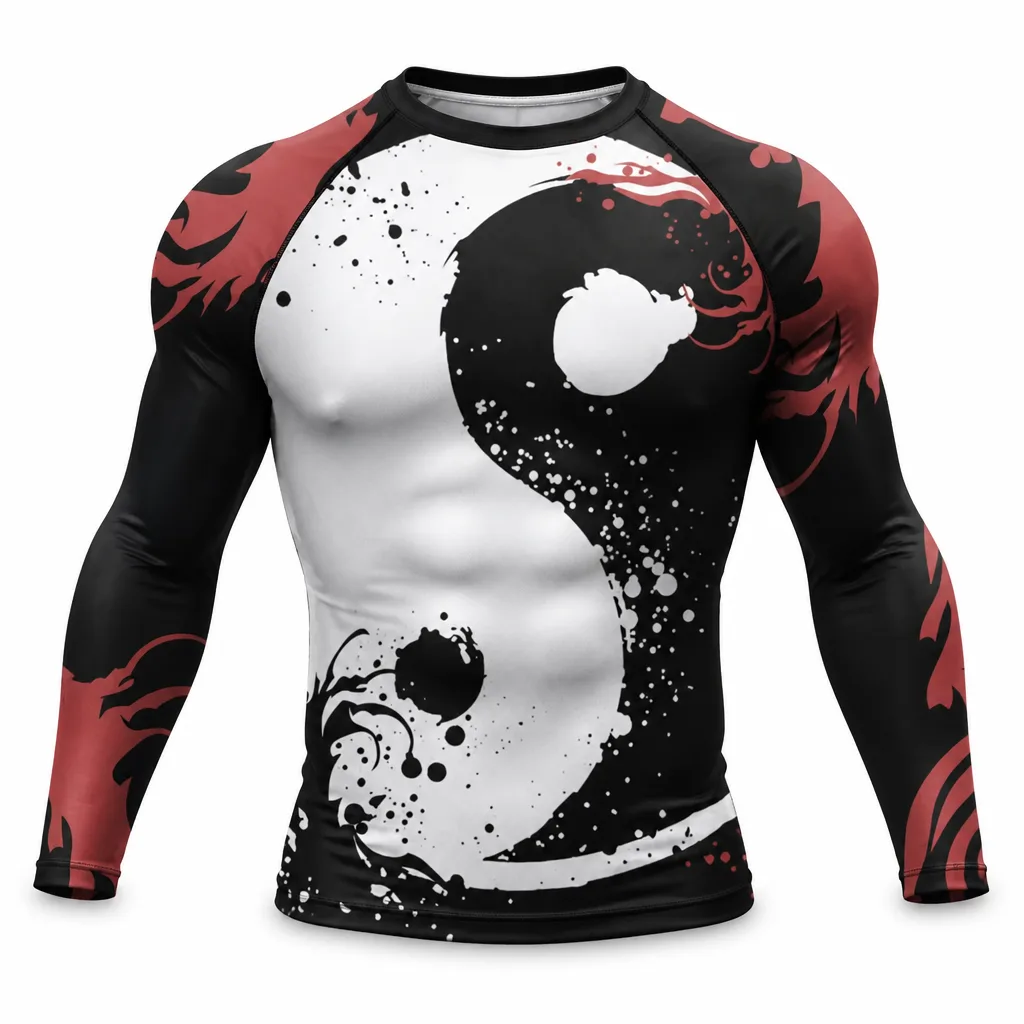
For the best bjj belt system, match to your discipline. MMA grapplers need snag-free edges for clinch work; pair with rash guards to minimize chafing. Beginners: start with adjustable Velcro hybrids for quick changes in class. Pros: invest in rank-specific embroidery that withstands dye sublimation.
Sizing tip—measure your waist over gi pants: A1 (up to 60cm), A2 (62-75cm), scaling to A5 (95cm+). In training, tie with a double knot bow; it releases faster than military wraps during escapes. Maintenance? Hand-wash in cold water, air dry—no dryers, or you'll warp the core weave like I did with a $100 mistake early on.
Scenario-specific picks:
- Commercial Gym (Mixed Classes): Venum—affordable, colors pop under fluorescent lights.
- Competition Prep: Hayabusa IBJJF-approved; ranks don't fade under hot lights.
- Home Workouts/Wrestling: Ringside canvas belts—grippy for solo drills, tough on mats.
- MMA Cross-Training: Fairtex leather-trimmed for no-gi security during takedowns.
Safety first: frayed belts can untie mid-submission, leading to neck strains. Rotate two belts per rank to extend life.
Common Mistakes to Avoid in the BJJ Belt Game
Fighters chase flashy designs over function—neon belts look cool but bleach faster. Don't skimp on width; sub-1.5" straps slip in double pants layers during BJJ-Wrestling flows. Another pitfall: ignoring body type. Stocky builds need thicker cores to prevent rolling up like a burrito after sweat sessions.
Buy once, cry once—avoid Amazon generics with chemical smells that irritate skin in long rolls. Over-tightening knots shreds inner fabric prematurely. And for parents: kid belts stretch fast; upgrade every 6 months or risk motivation killers like baggy fits.
Pro insight: test knot hold by yanking post-wash. If it loosens pre-rolling, trash it. Apollo MMA's quality checks ensure this doesn't happen—shop our vetted stock.
Future Outlook: Innovations Shaping BJJ Belts
Smart fabrics loom large: moisture-wicking bamboo blends from emerging brands promise 20% longer life. Expect IBJJF to greenlight glow-in-dark ranks for night seminars. Sustainability pushes recycled cotton, like Tatami's eco-line—durable without environmental guilt.
For MMA, integrated tech like RFID rank chips could verify divisions at events. Hybrids with shin guard loops? On the horizon for Kickboxing-BJJ fusion. Stay ahead at Apollo MMA's new arrivals, where cutting-edge gear lands first.
Customization explodes—laser-etched names hold better than patches. Value will democratize premium traits; expect $30 belts matching today's $60 specs by 2026.
Summary: Tie It All Together with Apollo MMA
The ultimate MMA bjj belt system blends 100% cotton durability, precise sizing, and honest value—no gimmicks. From my cage-tested vantage, Hayabusa and Tatami lead for fighters, while Venum suits training budgets. Avoid frayed regrets; prioritize reinforced stitching and proper care.
Level up your game across BJJ, MMA, or Wrestling—browse Apollo MMA's full BJJ gear collection today. Invest in a belt that earns stripes through sweat, not shortcuts. Questions? Drop them below—I've got the mats to back my advice.
Words: 1,728. Marcus Silva, Apollo MMA Contributor & Former Pro MMA Fighter