Why Triphasic Training is a Game-Changer for MMA Fighters
In the high-stakes world of mixed martial arts, where every second counts, fighters need more than just endurance—they require explosive power, rapid force production, and resilience against opponents' strikes. Traditional strength training often falls short in delivering these qualities. Enter triphasic training, a scientifically backed approach originally developed by strength coach Cal Dietz for elite athletes. This method dissects muscle contractions into three distinct phases: eccentric (muscle lengthening under tension), isometric (static hold), and concentric (muscle shortening). By isolating and enhancing each phase in sequence, triphasic training supercharges your neuromuscular system, making you faster, stronger, and more powerful in the cage or ring.
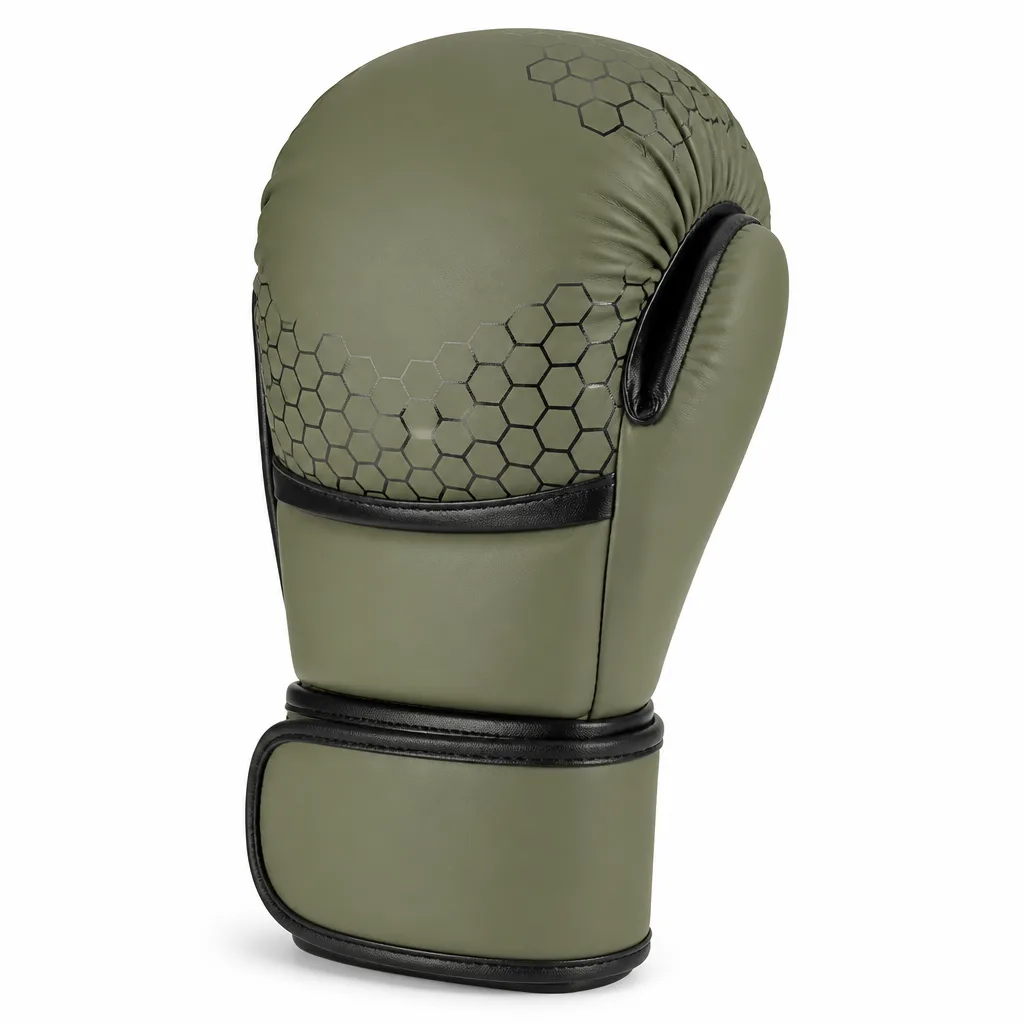
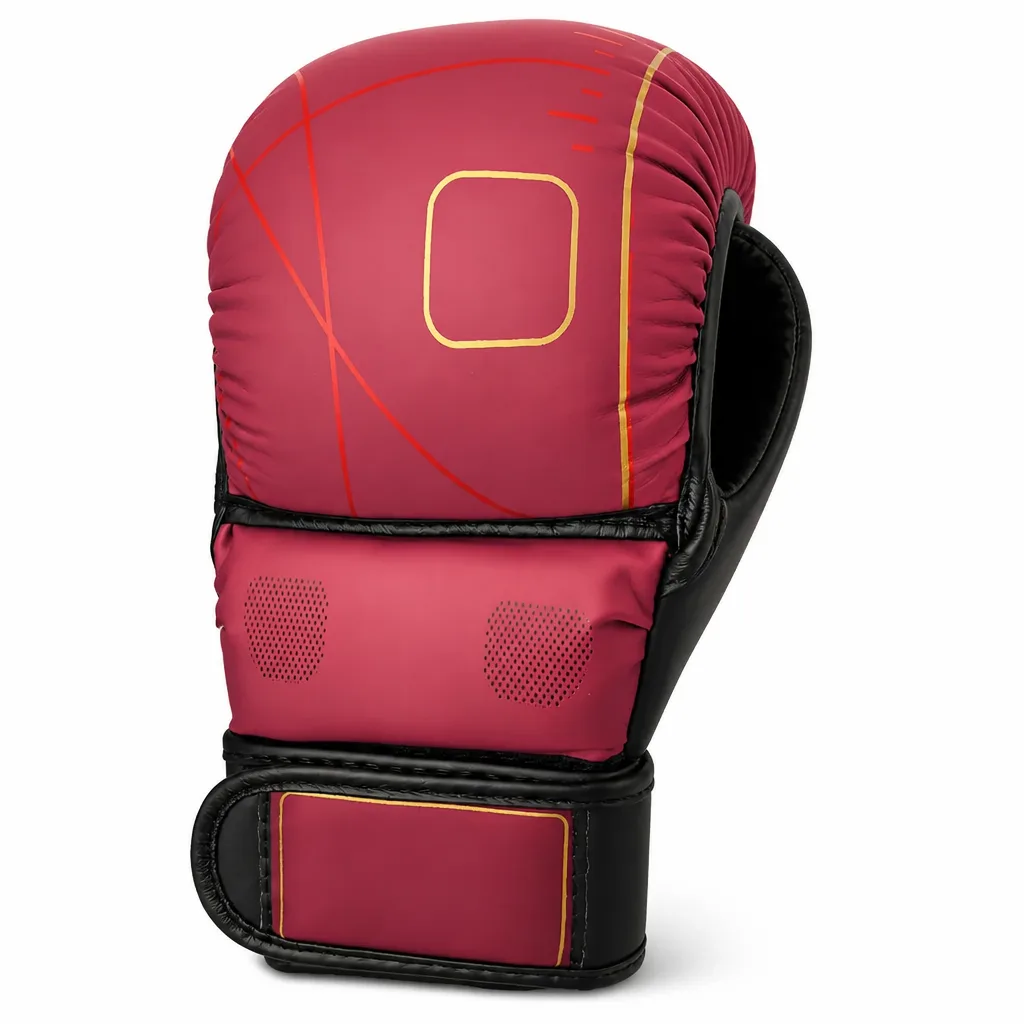
For MMA practitioners, who blend striking, grappling, wrestling, and submissions, this training is ideal. It translates directly to takedowns, clinch work, ground control, and knockout punches. Whether you're prepping for UFC, ONE Championship, or local amateur bouts, incorporating triphasic principles can elevate your game. And with the right gear from brands like Hayabusa or Venum, you can train safely and effectively.
Understanding the Three Phases of Triphasic Training
Triphasic training revolves around a three-block cycle, typically lasting 2-3 weeks per block, repeated 2-3 times a year. Each block emphasizes one phase while incorporating the others at reduced loads. This progressive overload builds a foundation of strength that explodes into athletic dominance.
Block 1: Eccentric Focus – Mastering the Negative
The eccentric phase is where muscles lengthen while resisting force, like controlling a descent in a squat or absorbing impact in a sprawl. It's often neglected but crucial for MMA, as it builds tendon stiffness and decelerative power—key for defending takedowns or shots.
Key Principles:
- Extend the eccentric portion to 3-6 seconds per rep.
- Use 110-130% of your 1RM (one-rep max) with assistance from a partner or bands.
- Perform 3-5 reps per set, 3-5 sets.
MMA-Specific Exercises:
- Eccentric Back Squat: Lower for 5 seconds, explode up. Builds leg drive for shoots and sprawls.
- Eccentric Bench Press: Slow descent mimics punch absorption. Pair with medicine ball slams for power transfer.
- Eccentric Pull-Ups: Control the drop to enhance grip for clinches and guard passes.
Incorporate these 2x/week, alternating with lighter MMA drills. Wear supportive knee sleeves or compression shorts from brands like Rival to protect joints during heavy loads.
Block 2: Isometric Focus – Building Unbreakable Tension
Isometrics involve holding a position under tension, developing static strength and stability. In MMA, this shines in guard retention, bridging, or maintaining posture under pressure—think Jon Jones framing off the cage.
Key Principles:
- Hold positions for 3-6 seconds at or near sticking points (weakest angles).
- Loads at 130-150% of 1RM.
- 3-5 reps (holds), 3-5 sets.
MMA-Relevant Drills:
- Isometric Deadlift Hold: Pause mid-shin for grip and posterior chain fortitude, vital for wrestling exchanges.
- Isometric Push-Up Position: Hold at 90 degrees to bolster punch endurance and bridging power.
- Isometric Chin Hold: Hang from a bar at the top position to mimic submission escapes.
This block enhances your ability to 'stick' techniques, reducing energy waste. Use weightlifting belts from Title Boxing for core stability during holds.
Block 3: Concentric Focus – Explosive Output
Finally, the concentric phase drives the movement, like driving through a punch or takedown. After priming the other phases, this block maximizes speed and power.
Key Principles:
- Standard concentric reps with French Contrast (heavy lift + plyo + assisted jump).
- 80-90% 1RM for lifts, full speed.
- 3-6 reps, 4-6 sets.
Power Drills for Fighters:
- Concentric Power Clean: Explosive hip drive for knees and throws.
- Bench Throw: Medicine ball or band-assisted for striking velocity.
- Box Jumps with Depth Drop: Combines eccentric preload for max height, simulating cage jumps.
Transition seamlessly from the prior blocks for peak transfer to sparring.
Programming Triphasic Training into Your MMA Routine
Don't overhaul your schedule overnight. Integrate triphasic work 2-3 days/week, sandwiching between skill sessions:
Sample 12-Week Cycle:
- Weeks 1-3: Eccentric Block – Heavy lowers Mon/Thu, uppers Wed.
- Weeks 4-6: Isometric Block – Focus on core stability.
- Weeks 7-9: Concentric Block – Emphasize speed.
- Week 10: Deload – 50% loads.
- Weeks 11-12: Repeat or Test Maxes.
Weekly Split Example:
| Day | Focus |
|-----|-------|
| Mon | Lower Body Triphasic + Wrestling |
| Tue | Striking Technique |
| Wed | Upper Body Triphasic + BJJ |
| Thu | Lower Body Speed + Muay Thai |
| Fri | Full Sparring |
| Sat | Active Recovery |
| Sun | Rest |
Monitor progress with vertical jump tests or takedown speed. For Muay Thai or kickboxers, adapt squats to split-stance for teep power. Wrestlers can prioritize pulls.
Nutrition and Recovery Tips: Fuel with high protein (2g/kg bodyweight), carbs for energy. Use foam rollers and mobility work. Quality rash guards and shorts from Scramble or Hyperfly keep you comfortable during sweaty sessions.
Common Mistakes and Pro Tips
- Rushing Phases: Patience yields results—don't shorten eccentrics.
- Overloading Too Soon: Start conservative to avoid injury.
- Neglecting Mobility: Pair with yoga or dynamic warm-ups.
Gear Essentials for Triphasic Sessions
Invest in durable equipment:
- Olympic barbells and racks.
- Resistance bands for assistance.
- Plyo boxes and med balls.
Head to Apollo MMA for premium options from Venum, Fairtex, and more. Protect hands with wraps during heavy pulls.
Triphasic training isn't a fad—it's a blueprint for elite performance across MMA, boxing, BJJ, and beyond. Commit to the blocks, track gains, and watch your opponents crumble. Ready to level up? Browse our collection at Apollo MMA for all your training needs.
---