Understanding the Bondarchuk Complex: A Game-Changer for Combat Athletes
In the high-stakes world of mixed martial arts (MMA), where every second counts, fighters need training methods that deliver precise, measurable gains. Enter the Bondarchuk Complex, a periodization system pioneered by legendary Soviet coach Anatoly Bondarchuk. Originally designed for Olympic throwers like hammer and discus athletes, this methodology has been successfully adapted for combat sports including MMA, boxing, Muay Thai, Brazilian Jiu-Jitsu (BJJ), wrestling, and kickboxing. It emphasizes specificity, breaking training into targeted phases to build explosive power, endurance, and technique without overtraining.
The core idea? Not all exercises are created equal. Bondarchuk categorizes them into four types based on their transfer to competition performance:
- General Preparation Exercises (GPE): Broad movements that build foundational fitness, like squats or bench presses.
- Special Preparation Exercises (SPE): More specific to the sport, such as medicine ball throws mimicking punches.
- Special Developmental Exercises (SDE): Highly targeted, like rotational slams for striking power.
- Competitive Exercises (CE): Actual sport skills, e.g., shadowboxing or pad work.
This hierarchy ensures training mirrors the demands of a fight, progressing from general to specific as competition nears. For MMA fighters, this means developing the rotational power for hooks and takedowns, the endurance for five-round wars, and the explosiveness for finishes.
Why Traditional Training Falls Short
Many fighters rely on generic weight room routines or high-volume cardio, leading to plateaus, injuries, or diluted power output. Problem: These approaches ignore biomotor specificity—the principle that training closest to the competition movement yields the best transfer.
Solution: The Bondarchuk Complex structures your program into phases:
1. General Prep Phase: Build aerobic base and strength with GPE (4-6 weeks).
2. Specific Prep Phase: Introduce SPE and SDE for power conversion (4-6 weeks).
3. Pre-Competition Phase: Heavy CE with minimal volume (2-4 weeks).
4. Taper: Sharpen with light, explosive work.
Outcome: Fighters hit peak condition—stronger clinches in wrestling, faster sprawls in BJJ, and knockout power in Muay Thai and boxing.
Breaking Down the Phases for MMA
Phase 1: General Preparation (Hypertrophy and Base Building)
Focus on GPE to increase work capacity. Use moderate weights (70-80% 1RM) for 3-5 sets of 8-12 reps. Examples:- Back squats
- Deadlifts
- Pull-ups
- Overhead presses
Sample Weekly Split:
| Day | Focus | Example Workout |
|-----|--------|-----------------|
| Mon | Lower Body | Squats 5x10, Lunges 4x12 |
| Wed | Upper Body | Bench 5x8, Rows 4x10 |
| Fri | Full Body | Deadlifts 4x8, Core Circuit |
| Sat | Active Recovery | Light grappling |
Progress by adding 5-10% load weekly.
Phase 2: Special Preparation (Power Conversion)
Shift to SPE and SDE. Reduce volume, increase intensity (85-95% 1RM for 3-5 reps). Dynamic efforts rule here.Key Exercises:
- SPE: Power cleans, push presses.
- SDE: Rotational med ball slams (mimicking knees/elbows), battle ropes for striking endurance.
For kickboxers, add landmine twists; BJJ practitioners focus on hip throws with kettlebells.
Pro Tip: Monitor velocity—use apps or coaching to ensure bar speed stays above 0.8 m/s. Slow lifts mean fatigue; deload if needed.
Real-World Example: UFC fighter prepping for a grappler-heavy opponent uses SDE like resisted sprawls to boost takedown defense explosiveness.
Phase 3: Pre-Competition (Peaking)
Almost all CE: Sparring, mitts, heavy bag. 80% effort, short bursts (3-5 min rounds). Minimal GPE/SPE (1-2 sessions/week).Outcome Metrics:
- Vertical jump +10%
- Punch force via dynamometer
- Grappling rounds without gassing
Taper volume by 50% in week -1, focusing on recovery (sauna, mobility).
Integrating Gear for Optimal Training
Quality equipment amplifies the complex. At Apollo MMA, stock up on gear that supports explosive work:
- Med Balls: 4-10kg for slams/throws (Venum or Fairtex).
- Resistance Bands: For assisted sprawls (Ringside).
- Weight Vests: Add load to shadowboxing (Hayabusa).
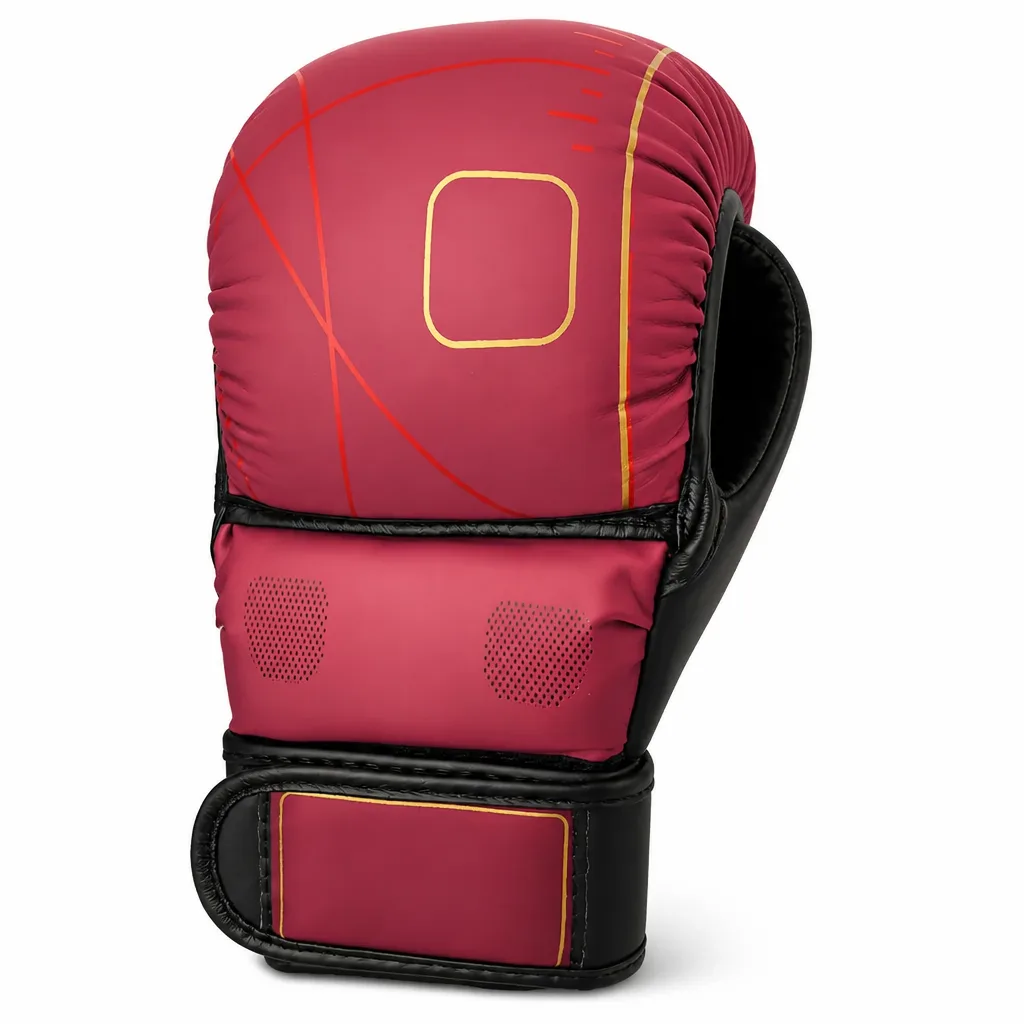
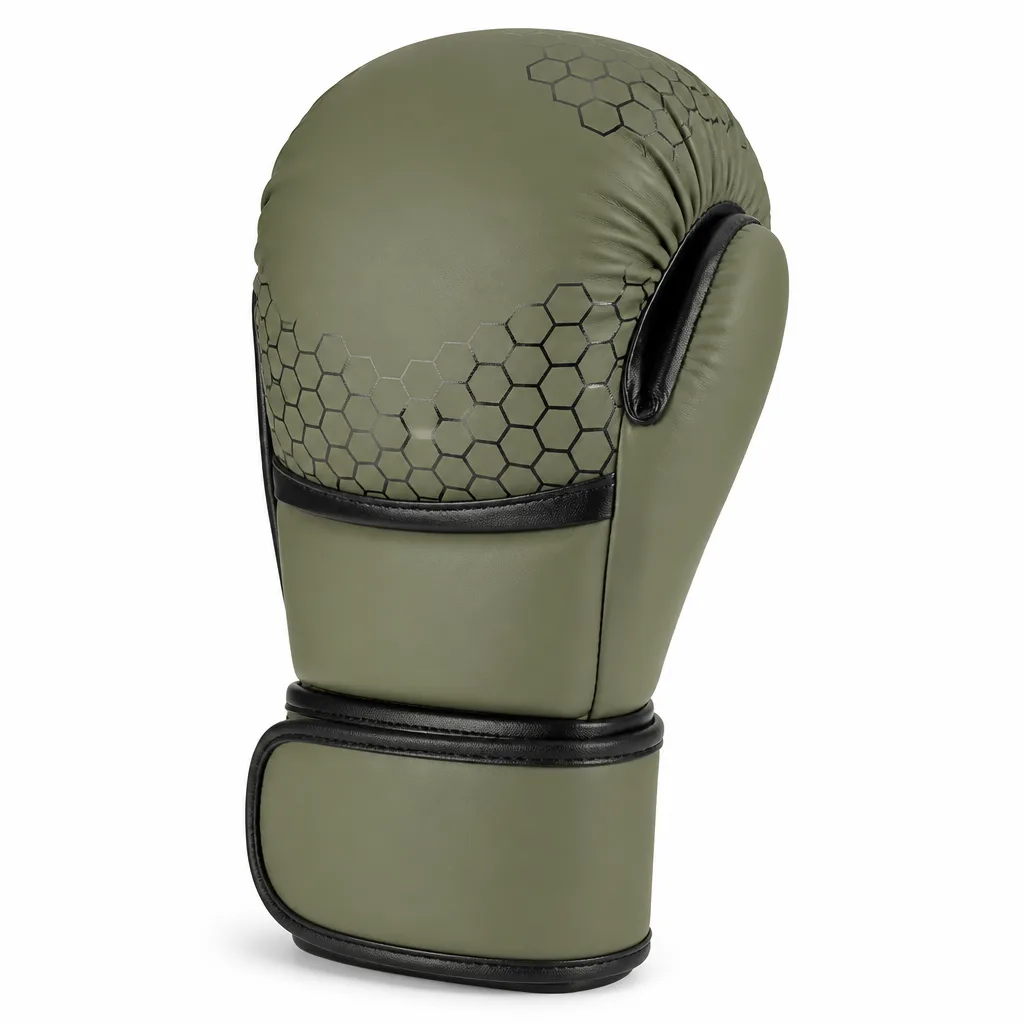
Maintenance Tip: Inspect gloves and wraps post-session—torn gear leads to injury.
Common Pitfalls and Fixes
- Pitfall 1: Too much volume early. Fix: Track RPE (Rate of Perceived Exertion) <8.
- Pitfall 2: Ignoring recovery. Fix: 48-72hr between heavy sessions; prioritize sleep.
- Pitfall 3: No testing. Fix: Baseline 1RM and repeat every 4 weeks.
Case Study: From Amateur to Pro
An amateur MMA fighter implemented this over 12 weeks: Phase 1 gained 15lbs muscle; Phase 2 boosted punch speed 20%; peaked for regionals with a KO win. Scalable for boxing pros refining clinch work or kickboxers enhancing leg kicks.Final Thoughts: Implement and Dominate
The Bondarchuk Complex isn't a fad—it's science-backed periodization for combat dominance. Start with a 4-week GPE block, track progress, and adjust. Fighters worldwide swear by it for that extra edge. Browse Apollo MMA for premium training tools to fuel your journey. Train smart, fight hard.---