The White Belt Phase: Your Foundation in Brazilian Jiu-Jitsu
Starting as a white belt in Brazilian Jiu-Jitsu (BJJ) marks the beginning of an exciting and challenging journey. This initial stage, often lasting 1-2 years or more depending on your training frequency and dedication, is all about absorbing the basics. You'll focus on survival, understanding positions, and developing a feel for the art. Unlike striking sports like MMA or boxing, BJJ emphasizes ground control, submissions, and escapes, making it accessible yet profoundly technical.
Expect to feel overwhelmed at first—tapping out frequently is normal. The goal isn't winning rolls but learning to move efficiently without relying on strength. Consistent drilling of fundamentals builds the muscle memory needed for higher belts.
Common White Belt Mistakes and How to Avoid Them
New practitioners often fall into traps that hinder progress. Recognizing these early can accelerate your development:
- Over-relying on strength (muscling): BJJ rewards technique over power. Instead of forcing moves, relax and flow. Practice with lighter partners to refine timing.
- Ego-driven training: Avoid sparring too aggressively against beginners or refusing taps. Humility fosters growth; view every roll as a lesson.
- Neglecting defense: Offense without escapes leaves you vulnerable. Prioritize shrimping (hip escapes), bridging, and framing to regain posture.
- Inconsistent drilling: Sparring alone isn't enough. Dedicate sessions to repetitive positional sparring from bad positions.
- Poor gym etiquette: Always bow on/off the mat, clean up gear, and respect higher belts. Hygiene matters—shower before class and trim nails.
By addressing these, you'll train smarter, reduce injuries, and earn respect from coaches and peers.
Essential Techniques Every White Belt Must Master
Focus on a core curriculum of positions and transitions. These form the backbone of BJJ across disciplines like MMA grappling and submission wrestling.
Positional Awareness
- Closed Guard: Your primary offensive base. Break posture with grips on sleeves/collar, then sweep or submit.
- Mount and Side Control: Learn to maintain top pressure. From mount, high mount sets up armbars; side control enables kimuras.
- Back Control: The most dominant position—hooks in, seatbelt grip for chokes.
Key Escapes
- Shrimp Escape: From bottom side control, frame the neck/shoulder, hip away, recover guard.
- Bridge and Roll: Under mount, trap an arm, bridge explosively, roll to top.
Fundamental Submissions
- Armbar: From guard, isolate elbow, swing legs over head, squeeze.
- Triangle Choke: Legs around neck/shoulder, pull head down, lock ankle behind knee.
- Americana: From side control or mount, figure-four elbow isolation, crank shoulder.
Sweeps
- Scissor Sweep: From closed guard, break posture, scissor legs to off-balance and topple.
- Hip Bump Sweep: When opponent postures up, bump hips to mount.
Gear Essentials for White Belts
Quality equipment enhances training and prevents injuries. As a beginner, invest wisely without overspending.
- BJJ Gi: Choose a 350-450gsm pearl weave for durability. Brands like Hayabusa, Fuji, or Tatami offer reinforced knees/collars. Size by height/weight charts—e.g., A2 for 5'8"-6'0", 160-190lbs.
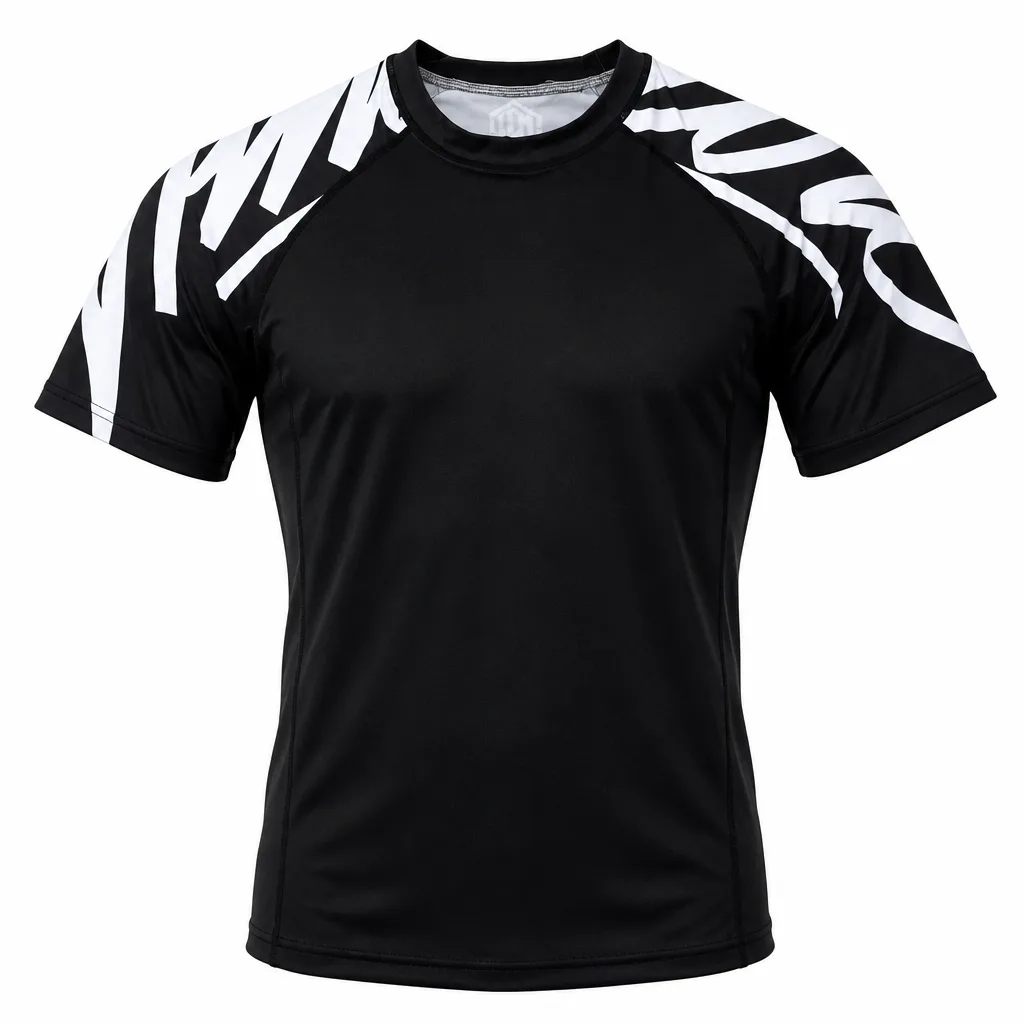
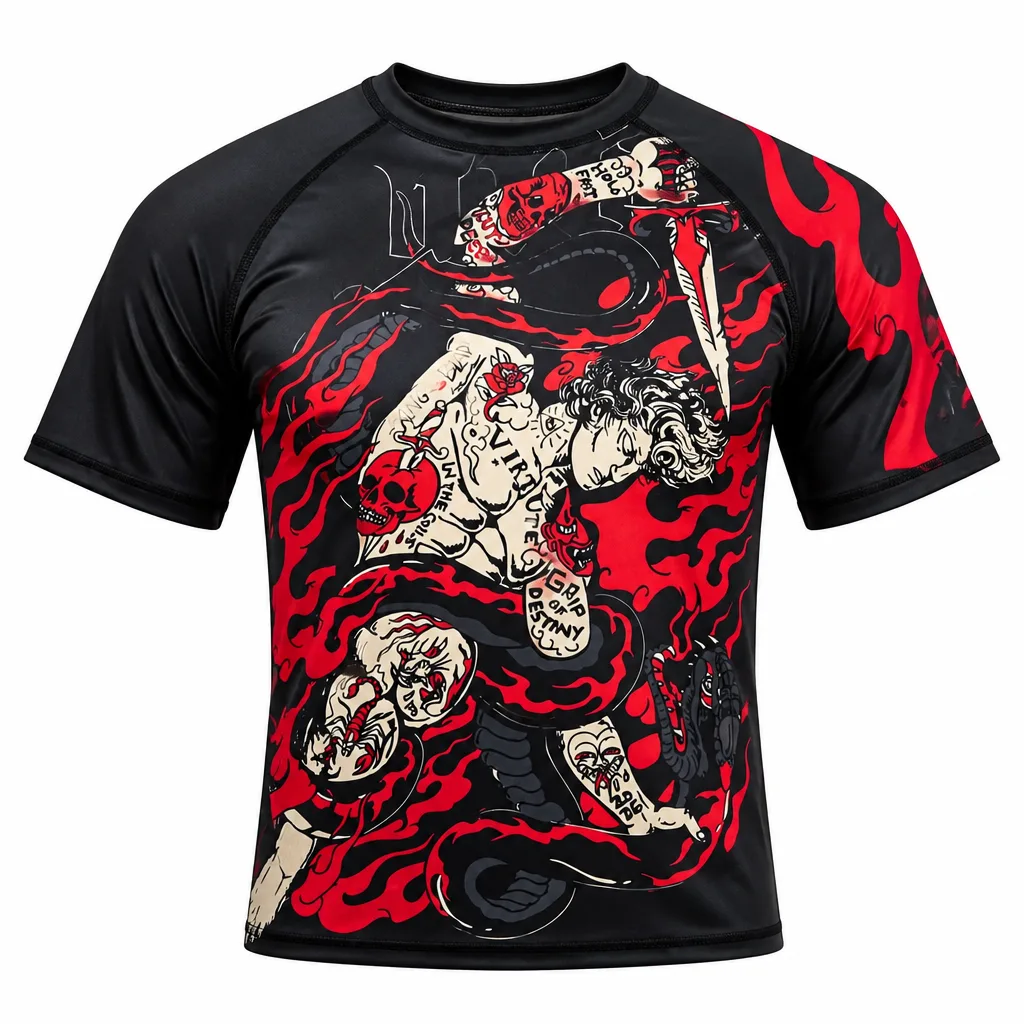
- Rash Guards and Spats: Moisture-wicking, compression fit. Short-sleeve for gi, long for no-gi. Venum or Scramble provide anti-chafing protection.
| Gear Item | Key Features | Why It Matters |
|-----------|--------------|---------------|
| Gi | Pre-shrunk cotton, reinforced stitching | Comfort during long rolls, withstands grips/washes |
| Mouthguard | Dual-arch boil-and-bite | Essential injury prevention |
| Finger Tape | Athletic tape | Protects knuckles from mat burns |
| Grappling Dummies | Filled canvas, articulated limbs | Home drilling partner |
Shop at Apollo MMA for premium selections tailored to BJJ, Muay Thai, and MMA needs. Start minimal; upgrade as you progress.
Training Schedule and Programming
Train 3-5 days/week, mixing classes, drills, and open mats. Sample week:
- Monday: Fundamentals class (positions/escapes)
- Wednesday: Technique drilling
- Friday: Sparring-focused
- Saturday: Open mat (flow rolling)
- Rest Days: Mobility work, yoga for hips/shoulders.
Track progress in a journal: techniques learned, rolls won/lost, insights. Compete at local tournaments after 6-12 months to test skills.
Developing the Right Mindset
White belt is 90% mental. Embrace the suck—progress feels slow, but plateaus break with persistence. Key principles:
- Patience: Belts aren't promotions; stripes show consistency.
- Growth Mindset: Failures are data. Ask for feedback post-roll.
- Community: Bond with training partners; BJJ is a lifelong family.
Fighters like Gordon Ryan started here—relentless basics led to black belt mastery. In crossover sports, white belt BJJ boosts MMA ground game immensely.
Next Steps: From White to Blue
Aim for 4 stripes (consistent training, basic proficiency). Blue belt requires offensive chaining and live rolling confidence. Keep drilling, stay humble.
Browse Apollo MMA's collection for all your BJJ essentials and elevate your game today.
---