Elevate Your Half Guard with Eduardo Telles' Kimura Sweep
In Brazilian Jiu-Jitsu (BJJ), the half guard remains one of the most versatile and resilient positions, especially when you're on the bottom. Pioneered by legends like Eduardo Telles, a multiple-time world champion and ADCC medalist, the half guard Kimura sweep is a dynamic offensive tool that combines arm control with explosive movement. This technique isn't just for pure grapplers—it's invaluable in MMA, where transitions from guard to top position can shift the fight's momentum, much like we've seen in UFC bouts blending BJJ with striking.
Whether you're a white belt building fundamentals or a seasoned competitor refining your arsenal, mastering this sweep adds unpredictability to your game. It targets the Kimura grip, a high-percentage lock that threatens the shoulder while setting up the sweep. Let's break it down step by step, with tips to make it flow seamlessly in live rolling or competition.
Why This Technique Works in Half Guard
Half guard shines because it limits your opponent's posture and mobility while giving you leverage for attacks. Eduardo Telles revolutionized bottom half guard by emphasizing deep underhooks and arm drags, turning defense into offense. The Kimura sweep exploits poor posture: when your opponent bases out or reaches, you trap the arm, isolate it, and rotate for the sweep.
Key Principles Before Diving In:
- Deep Half Guard Entry: Always prioritize getting your inside leg deep between theirs for control.
- Grip Fighting: Secure the Kimura early to prevent escapes.
- Hip Mobility: Explosive hip escape (shrimping) is crucial for the finish.
This move translates across disciplines—BJJ players use it for points, wrestlers for position dominance, and MMA fighters to create scrambles leading to submissions or ground-and-pound.
Step-by-Step Breakdown: Executing the Kimura Sweep
Step 1: Establish Half Guard and Isolate the Arm
Start in bottom half guard with your opponent's right knee controlled by your left arm and inside leg hooked deeply. As they posture up to pass, swim your right arm under their right armpit for the two-on-one grip (Kimura control). Pull their elbow across your centerline while framing their neck with your left hand. This breaks their posture immediately.Pro Tip: If they resist, use your head to drive into their shoulder, forcing the arm down. In Muay Thai or kickboxing sparring transitions, this grip disrupts balance quickly.
Step 2: Secure the Kimura Grip and Block the Hip
Rotate your hips slightly to your left, threading your right hand behind their triceps. Clasp your hands in a figure-four grip (palms together, monkey grip). Your left leg now posts on their hip to block their pass, while your right leg stays hooked inside.Push their head away with your left hand to open space. Eduardo Telles emphasizes squeezing the arm tight here—think of compressing their shoulder joint to weaken resistance.
Common Mistake to Avoid: Don't let go of the knee line; maintain shin-on-shin contact for leverage.
Step 3: The Hip Switch and Sweep Initiation
Explode your hips up and to your left (shrimping motion). Your left elbow drives into their ribs as you pull the trapped arm downward. Simultaneously, swing your left leg over their head, planting your foot on the mat for torque.This creates an 'S' shape in your body, loading the sweep. In wrestling scenarios, this mirrors a granby roll setup but with arm control.
Step 4: Complete the Rotation and Land in Top
Pull hard on the Kimura while kicking your left leg through, rotating your hips fully. Their body will flip over the trapped arm, landing you in top mount or side control. From here, transition to the full Kimura finish or mount attacks.Drilling Variation: Practice from knee-on-belly to simulate pressure. Add resistance by having your partner post their free hand—counter by framing it away.
Training Tips for Success
- Drills: Flow 5 reps from half guard entry to sweep, then switch sides. Use 3-minute rounds focusing on grip speed.
- Common Errors: Rushing the grip leads to armbar counters—be patient. Weak hips? Strengthen with kettlebell swings or BJJ-specific shrimp drills.
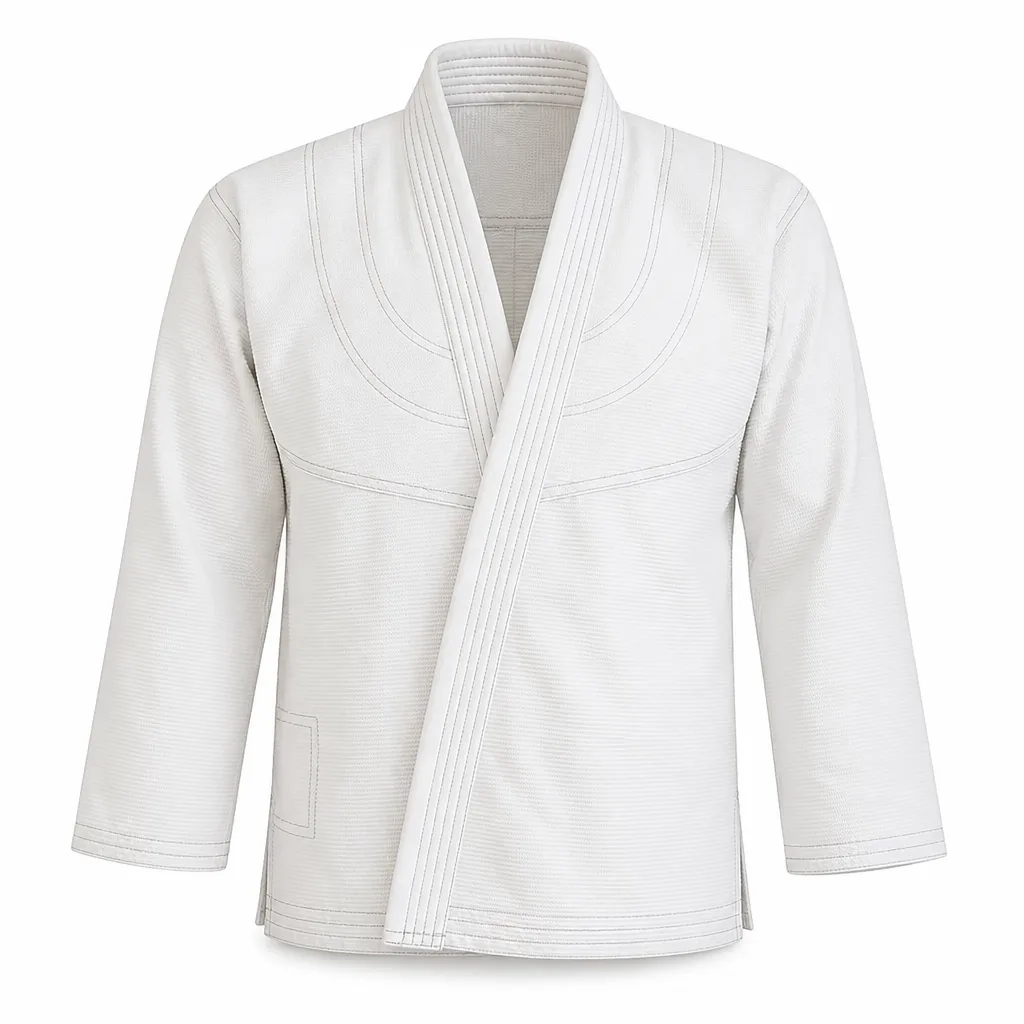
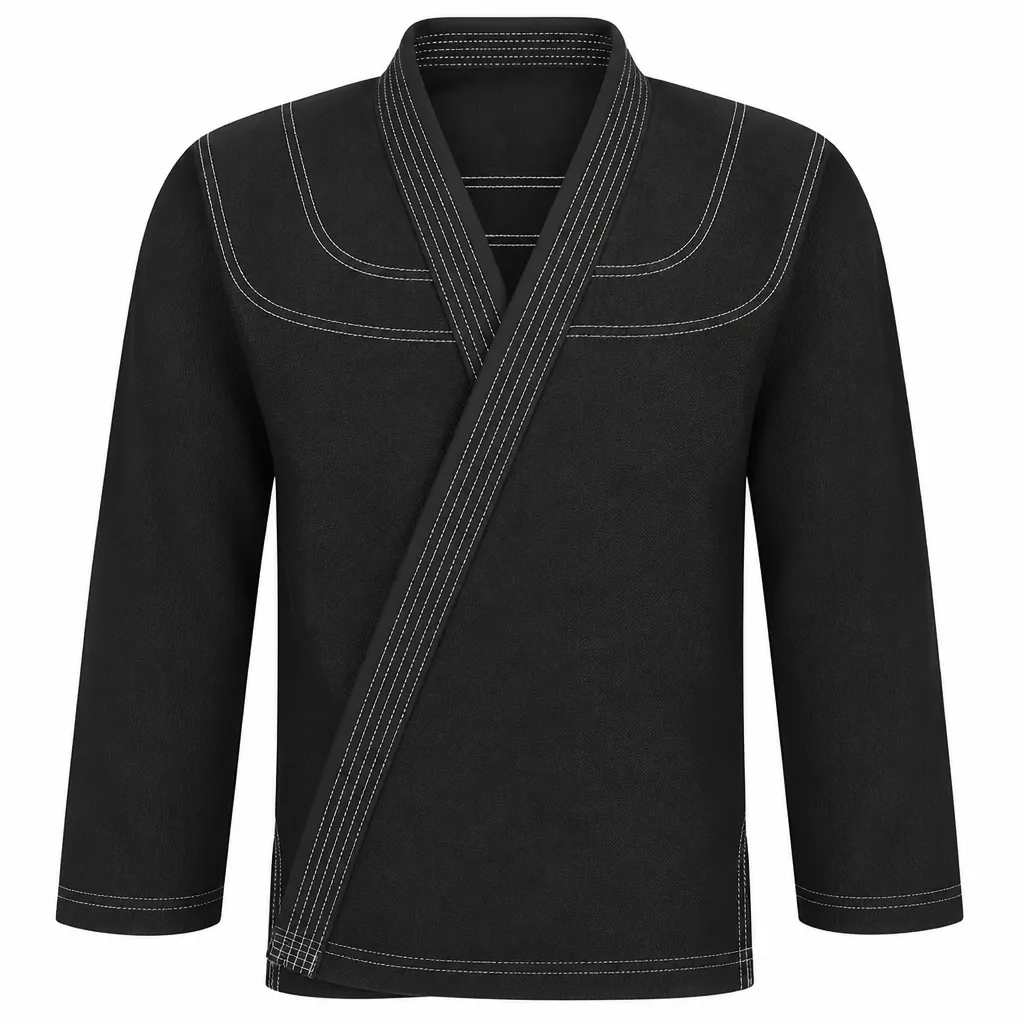
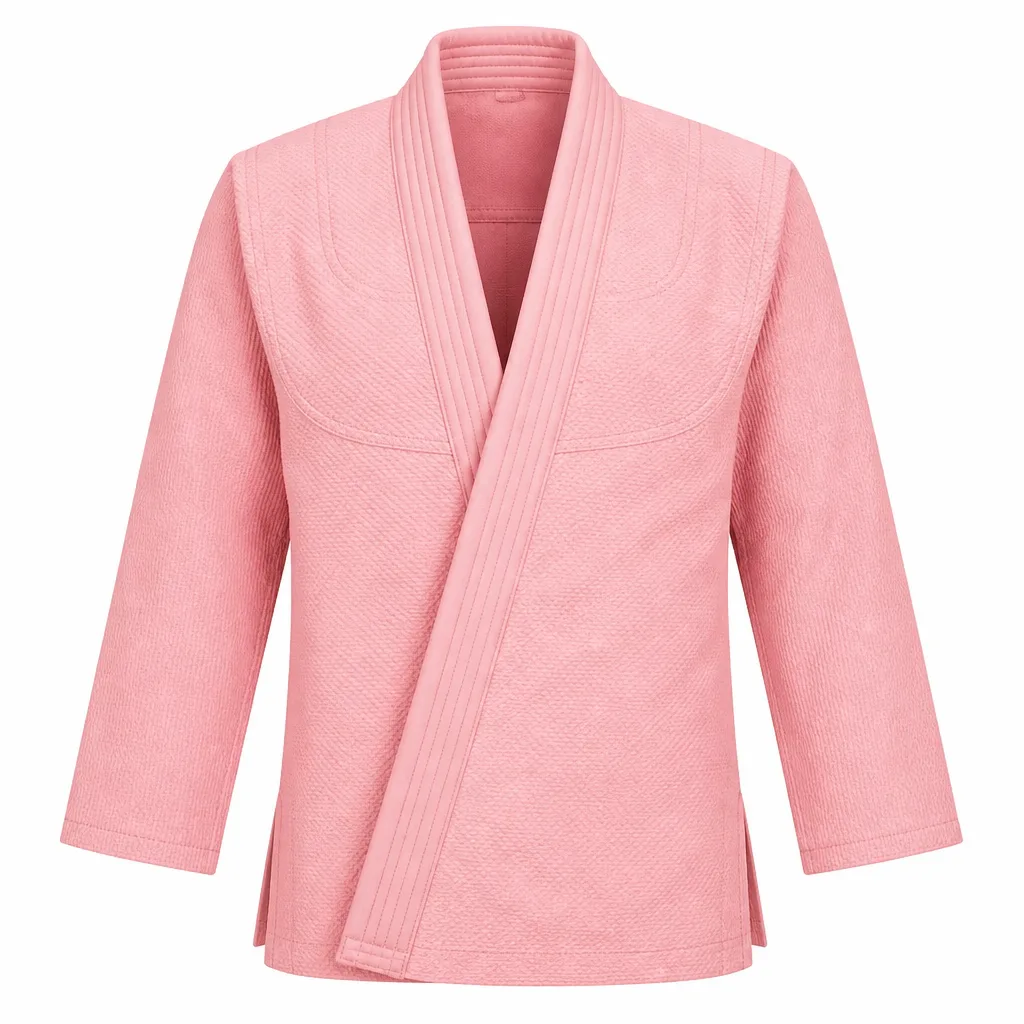
- Gear Recommendations: Invest in a durable BJJ gi like those from Hayabusa or Fuji for better grip strength during practice. Rash guards from Venum prevent slips in no-gi. At Apollo MMA, browse our collection of premium grappling gear to support your training.
Real-World Applications Across Combat Sports
In MMA, think Jon Jones using similar sweeps to reverse against grapplers. For pure BJJ, it's gold in IBJJF tournaments under half guard rules. Kickboxers drilling clinch escapes benefit from the hip mechanics, while wrestlers adapt it for single-leg counters.
Progression Path: Once comfortable, chain it with the waiter sweep or old-school sweep for a versatile half guard system.
Incorporate this into your warm-ups 2-3x weekly, and you'll see sweeps landing consistently. Eduardo Telles' innovation proves half guard is no longer just survival—it's a launchpad for dominance. Gear up at Apollo MMA and hit the mats!
(Word count: 1024)
---