The Ultimate Grappling Showdown: Wrestling Power vs. Judo Precision
In the world of combat sports, few matchups spark as much debate as a world-class wrestler facing off against a world-class judoka. Both disciplines are pillars of grappling, producing athletes with elite takedown skills, ground control, and finishing ability. But when these two forces collide—whether in MMA cages, BJJ tournaments, or no-gi submission grappling—who emerges victorious? This analysis dives deep into their strengths, weaknesses, and how they translate across combat sports like MMA, Wrestling, Judo, BJJ, and even Kickboxing stand-up transitions.
We'll break it down by key phases: stand-up entries, takedown execution, top control, transitions, and submissions. Drawing from real-world examples in UFC, ONE Championship, and ADCC, plus training applications for fighters at Apollo MMA, this guide equips you with actionable knowledge to train smarter.
Stand-Up Game: Grip Fighting and Entries
Wrestlers and judokas approach the stand-up phase differently, shaped by their rulesets. Wrestlers thrive in a no-gi environment, emphasizing explosive penetration steps, underhooks, and body locks. Their attacks are direct—think double-legs, singles, or high-crotch setups that blast forward without telegraphing.
Judokas, conversely, dominate with gi grips (though adaptable no-gi), using collar-and-sleeve control to off-balance opponents via kuzushi (breaking posture). A judoka's entry is circular and rhythmic, setting traps for throws like osoto-gari (major outer reap) or uchi-mata (inner thigh throw). In no-gi, they pivot to wrist control and underhooks, blending judo with wrestling influences.
Real-World MMA Example: Consider Khabib Nurmagomedov's wrestling avalanche against Dustin Poirier's judo-influenced defense at UFC 242. Khabib's chain wrestling overwhelmed, but Poirier's grip breaks delayed entries momentarily. Tip for trainers: Drill grip fighting from both styles—wrestlers add judo kuzushi for better setups; judokas incorporate wrestling blasts for speed.
In BJJ, no-gi wrestlers like Gordon Ryan often neutralize judo grips early, but judokas like Rodolfo Vieira use them to pull guard proactively.
Takedown Mastery: Explosiveness vs. Technique
Takedown success rates tell the tale. Elite wrestlers convert at 40-50% in MMA (per FightMetric data), thanks to level changes and mat returns. Judokas hover around 30-40%, prioritizing high-percentage throws over volume.
- Wrestler Advantages: Endless chaining (e.g., blast double to ankle pick), sprawl recovery, and mat wrestling for pins. Olympic wrestlers like Jordan Burroughs excel in reactive shots off counters.
- Judoka Edges: Sacrifice throws (e.g., sumi-gae) from defensive positions, seoi-nage (shoulder throws) from clinches, and ashi-waza (foot sweeps) for low-risk finishes.
Practical Training Tip: At your gym, pair wrestlers with judokas for live rounds. Wrestlers learn to defend throws by widening base; judokas build wrestling endurance with 5-minute shot drills. Gear up with quality wrestling shoes or judo gis from manufacturers like Fuji or Tatami—essential for grip and traction.
In UFC history, wrestlers like Daniel Cormier have stuffed 80% of judoka takedowns (e.g., vs. Anthony Rumble Johnson), but judokas like Ronda Rousey flipped the script with 90% throw accuracy early in her career.
Top Control and Positional Dominance
Once on top, wrestlers shine with ride time—using cross-body rides, seats, and leg rides to wear down foes. Their default is the ride for pins, transitioning to attacks only after exhaustion.
Judokas favor pins like kesa-gatame (scarf hold) or yoko-shiho-gatame (side four-quarter), which score ippon in judo and set up newaza (groundwork) submissions. They're quicker to armbars or chokes from these positions.
MMA/BJJ Crossover: Wrestlers control the center like Jon Jones, denying guard pulls. Judokas, like Kayla Harrison in PFL, use top pressure to hunt armlocks. In no-gi BJJ, wrestlers adapt with body locks; judokas add turtle attacks.
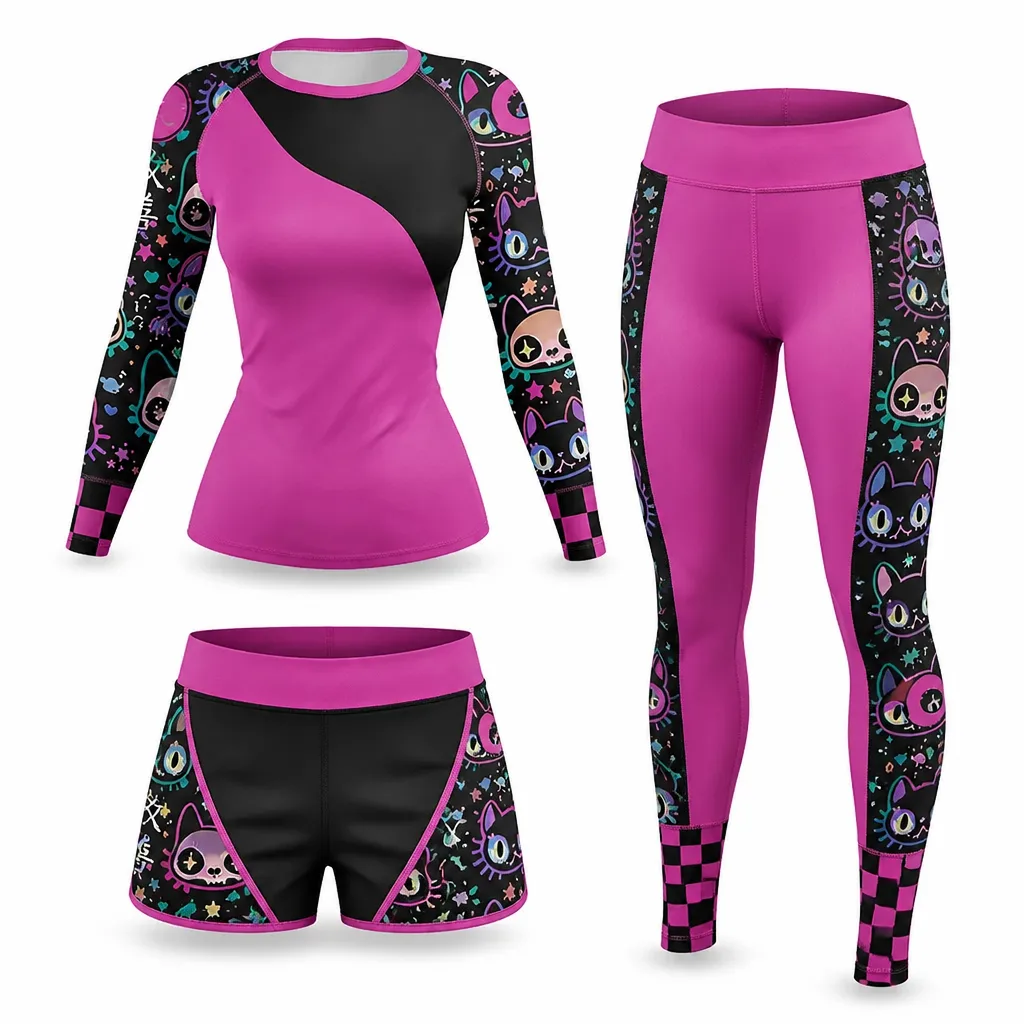
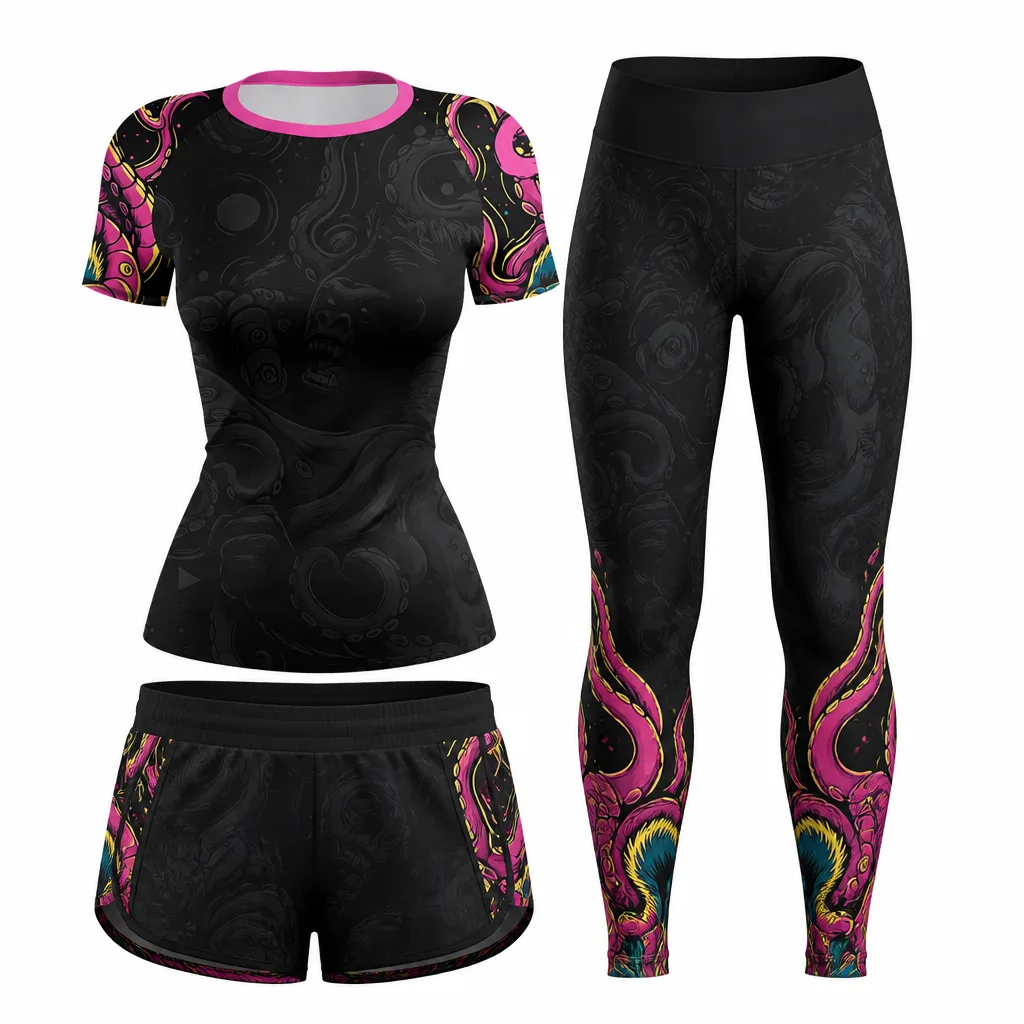
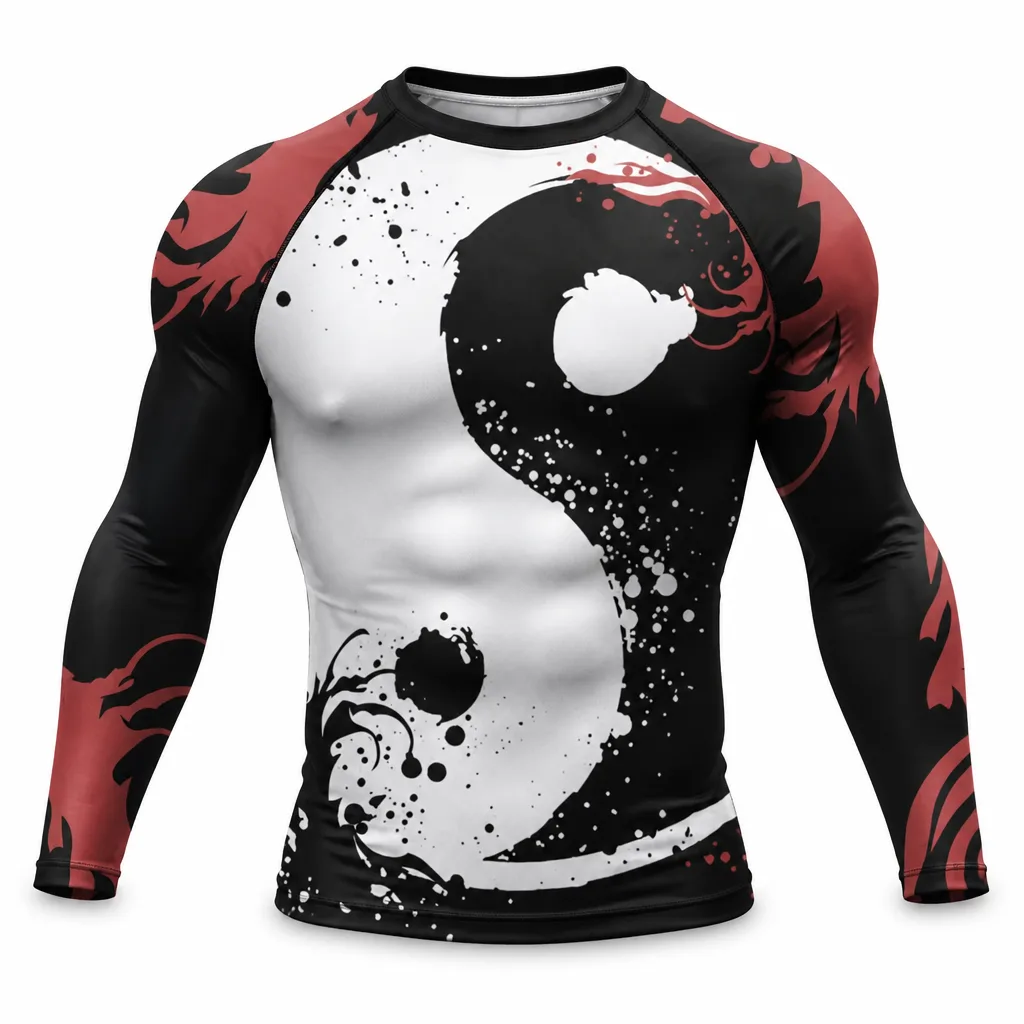
Actionable Advice: Train both—wrestlers drill judo newaza pins for submission chains; judokas practice wrestling breakdowns (e.g., elbow rides). Use rash guards and shorts from brands like Venum for no-gi sessions to mimic MMA feel.
Transitions and Guard Play
Wrestlers pass guard aggressively with torreando (bullfighter) or knee slices, avoiding deep engagements. Judokas pull guard more readily, launching attacks from half-guard or de la Riva.
In scrambles, wrestlers reset to feet via explosiveness; judokas use rotational sweeps to regain top.
Example: Lachlan Giles (BJJ/judo background) vs. wrestler opponents in ADCC—his guard retention frustrates blasts, but wrestlers like Nick Rodriguez power through.
Training Hack: Shadow wrestle transitions with a partner. Add resistance bands for wrestling sprawls or judo randori for sweep drills.
Submission Game: Finishing Blows
Judokas lead in armbars (juji-gatame) from anywhere, with udo-garami (helicopter armlock) as a no-gi staple. Wrestlers prefer opportunistic rides to kimuras or guillotines, less guard-based.
Stats from BJJ competitions: Judokas submit wrestlers 25% more via arms, but wrestlers escape 15% better due to base.
Pro Tip: Cross-train—wrestlers learn ude-garami entries from turtle; judokas drill wrestling escapes like sit-outs.
Who Wins? It Depends—But Train Both
Pure wrestler vs. pure judoka? Wrestler 60-40 edge in no-gi MMA/BJJ due to conditioning and chaining. With gi, judoka flips to 55-45 via throws.
Hybrid fighters like Islam Makhachev (wrestling + sambo/judo) dominate. For Apollo MMA customers, integrate both: wrestling for base, judo for finesse.
Gear Recommendations:
- Wrestling: Hayabusa shoes for grip.
- Judo: Tatami gi for throws.
- MMA: Fairtex shorts for no-gi.
Browse Apollo MMA for premium gear to elevate your game. Train hard, adapt smart—victory awaits the versatile grappler.
---