Ricardo de la Riva's Perspective on the Changing Landscape of BJJ Rules
Ricardo de la Riva, the Brazilian jiu-jitsu innovator who gave his name to one of the sport's most iconic guards, has long been a voice of experience in grappling. With a career spanning decades, he's witnessed the transformation of BJJ from its early, raw competition days to the highly regulated events of today. In discussions about the sport's rules, De la Riva expresses concern over how excessive regulations might dilute the essence of jiu-jitsu.
He argues that BJJ was originally designed as a self-defense system, not a sport burdened by layers of restrictions. Early tournaments allowed for more fluid, realistic exchanges, but now, rules often prioritize safety and spectacle over comprehensive skill testing. For instance, De la Riva points out the controversies around leg locks. In his era, these submissions were fair game from any position, reflecting real-world applicability. Today, however, many federations limit them based on belt level or position, which he believes handicaps developing well-rounded grapplers.
The Impact of Rule Changes on Backtakes and Guard Play
One area De la Riva highlights is backtaking. He laments rules that prohibit certain grips or reaping motions, which inadvertently protect competitors from legitimate attacks. In traditional jiu-jitsu, securing the back was a primary path to victory, often involving deep hooks and seatbelt control. Modern scoring sometimes favors guard retention over aggressive passing, leading to longer matches dominated by stalling rather than decisive action.
De la Riva also critiques the evolution of guard rules. The de la Riva guard itself—named after him for its outside hook and underhook grip—thrives on mobility and sweeps. Yet, rules against 50/50 positions or certain knee-reap configurations limit creativity. For MMA practitioners, these restrictions matter less since no-gi grappling and cage environments demand adaptability without rule crutches. Wrestlers transitioning to BJJ might appreciate his call for fewer limitations, as it mirrors freestyle wrestling's emphasis on constant action.
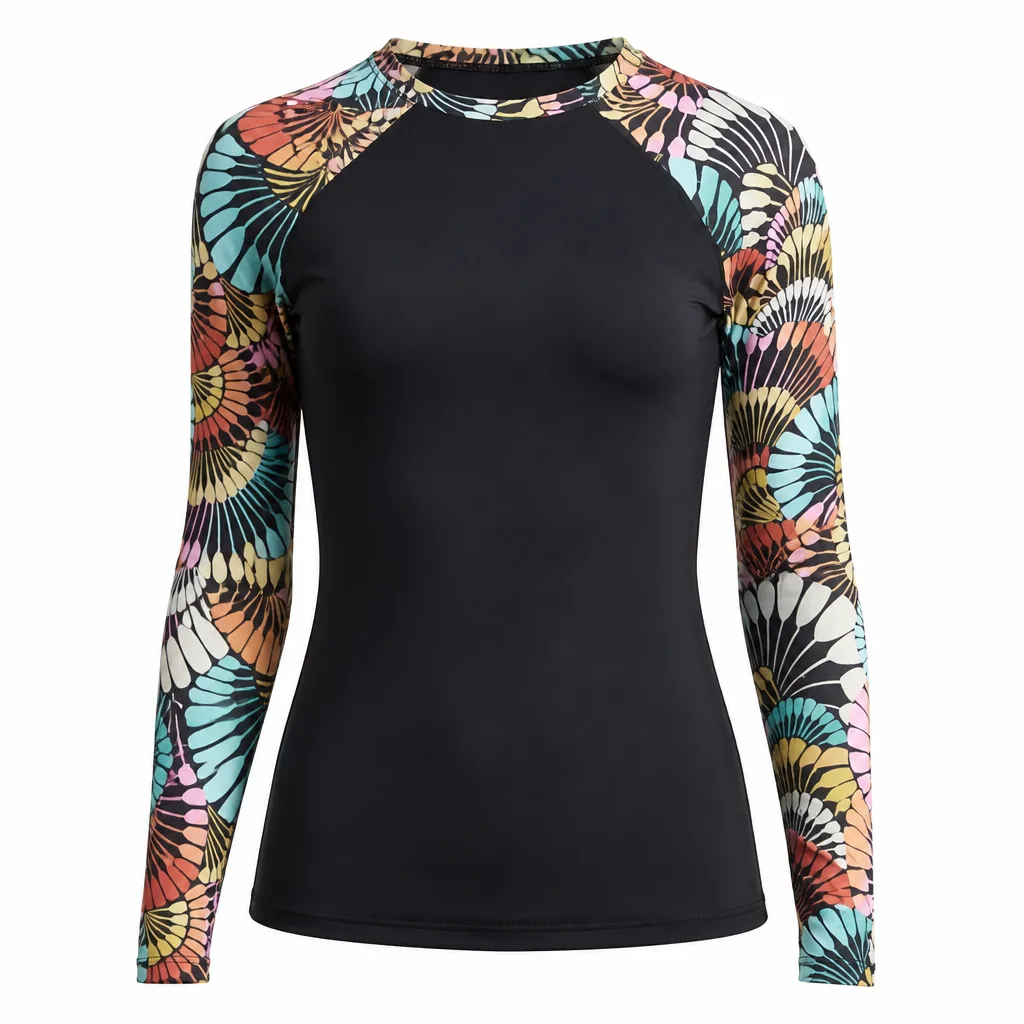
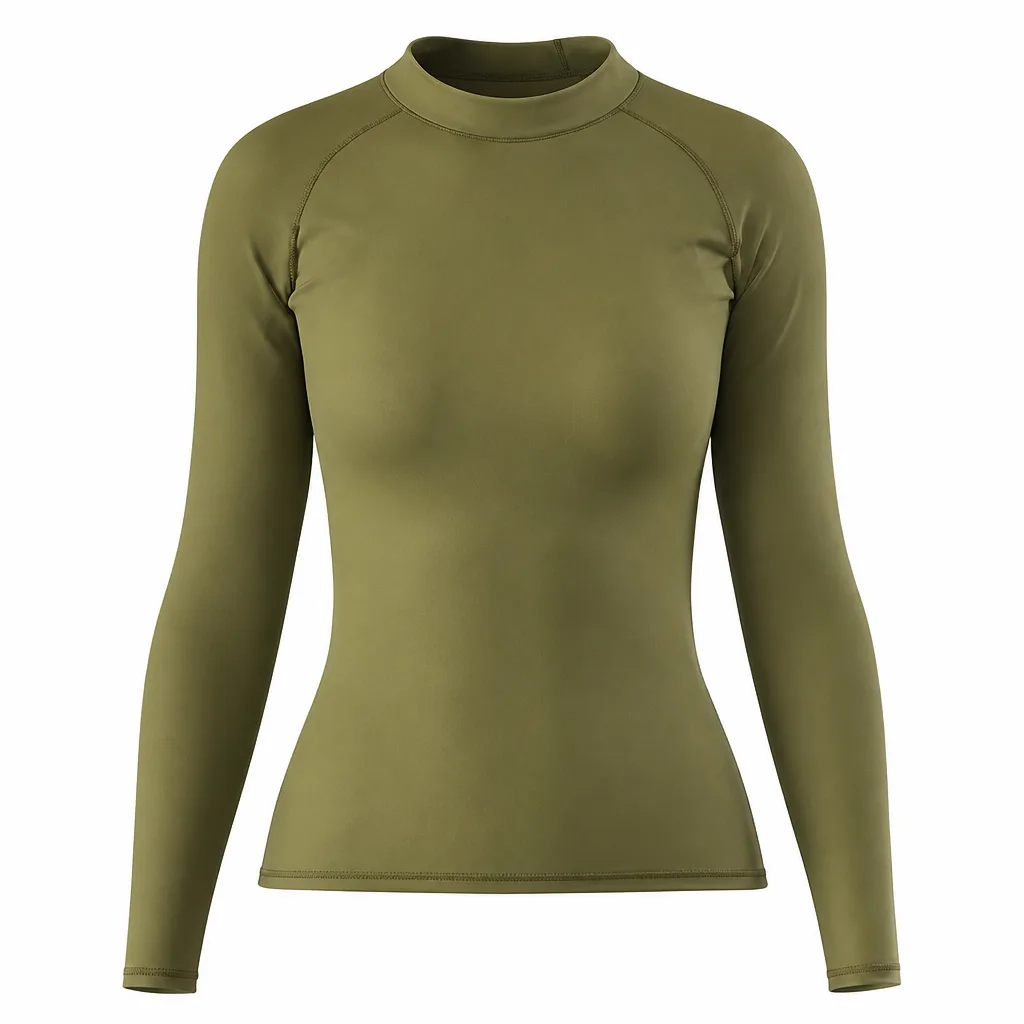
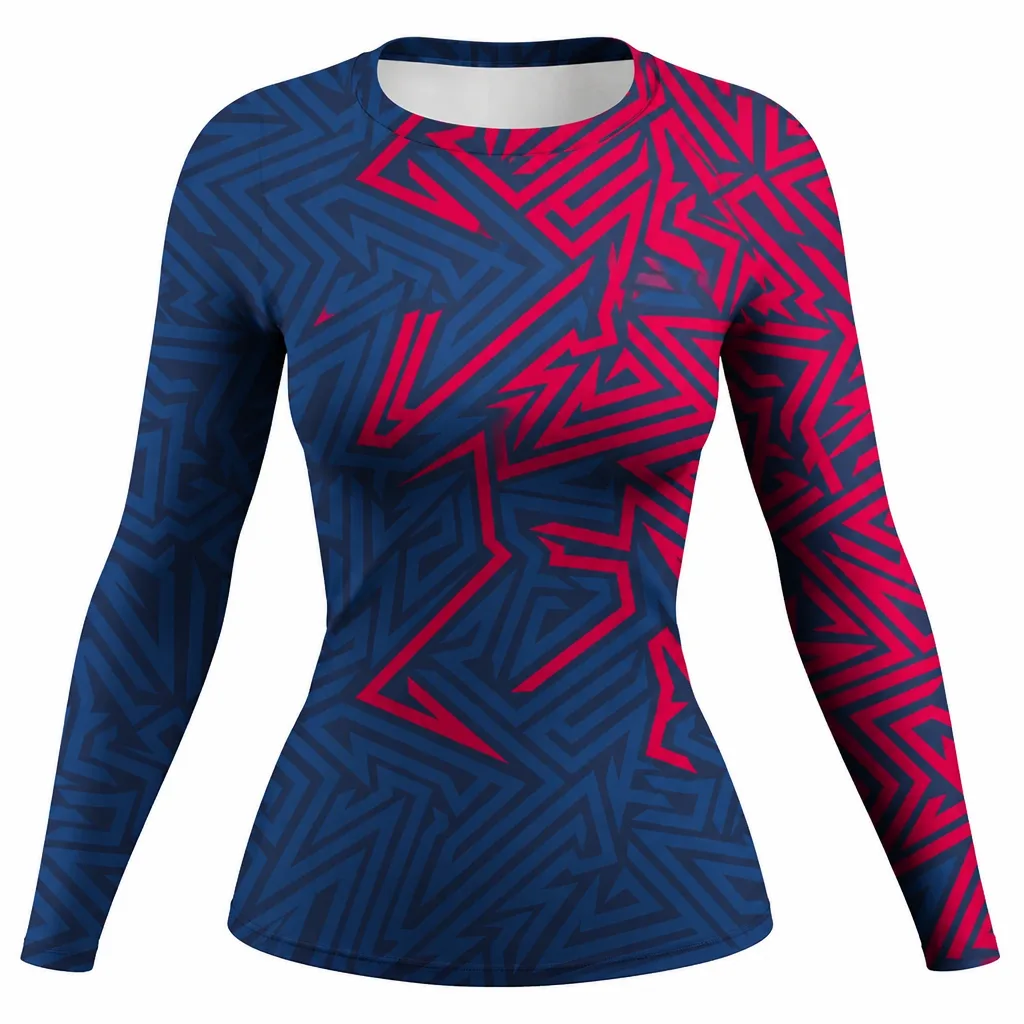
He advocates returning to simpler scoring: points for dominant positions and submissions only, without endless penalties. This would encourage risk-taking, much like Muay Thai or kickboxing rules that reward aggression. For fighters training across disciplines, understanding these debates helps in preparing for both gi and no-gi scenarios, where Apollo MMA's rash guards and shorts provide the grip-free mobility needed.
Gracie Barra's Blue Belt Requirements: Building a Solid Foundation
Transitioning from white to blue belt marks a pivotal moment in a BJJ journey. Gracie Barra, one of the largest BJJ academies worldwide, has a structured curriculum that ensures students master fundamentals before advancing. These requirements emphasize technique over strength, applicable to all body types and relevant for MMA, submission grappling, and self-defense.
Blue belts must demonstrate proficiency in a wide array of positions and transitions. Here's a breakdown of the key techniques, explained step-by-step with practical tips for training:
Closed Guard Essentials
From the closed guard, a cornerstone of BJJ control:
- Hip bump sweep: Break posture, shrimp out, and explode hips upward to reverse positions. Tip: Use this against larger opponents in MMA sparring to off-balance strikers attempting takedowns.
- Scissor sweep: Open guard slightly, trap the arm, and scissor legs for the sweep. Practice with a training partner holding top pressure to simulate real resistance.
- Flower sweep: A dynamic variation using one leg to push the hip while pulling the arm. Great for chaining into submissions.
Open Guard Mastery
Open guard play expands options:
- De la Riva guard sweeps: Secure the outside hook, underhook the far leg, and sweep by off-balancing. De la Riva himself refined this—ideal for kickboxers adding grappling.
- Butterfly guard hook sweep: Elevate with butterfly hooks and sweep laterally. Enhances wrestling bridges.
- Lasso guard sweep: Wrap the lasso around the arm and use it as leverage for sweeps or transitions.
Guard Passing Techniques
Passing is crucial for top players:
- Toreando pass: Frame the hips, circle arms to off-balance, and step around. Speed drill this with no-gi shorts from Apollo MMA for slick passes.
- Stack pass: Pressure down, stack the knees, and slide to side control. Avoid in no-reap rules.
- Knee cut pass: Drive the knee across to cut through the guard.
Side Control Attacks and Escapes
Side control dominance:
- Americana: Isolate the arm, figure-four grip, and crank upward. Safe for all levels.
- Straight armlock: Bridge and extend the elbow. Chain from failed Americana.
- Side control escape (shrimp to guard): Frame the neck/shoulder, shrimp hip away, recover guard.
Mount Positions
Full mount control:
- Armbar from mount: Posture up, isolate arm, swing leg over.
- Americana from mount: Similar grip, but rotate for torque.
- Mount escape (upa/bridge): Trap arm, buck hips, roll to top.
Back Control and Attacks
The most dangerous position:
- Rear naked choke (RNC): Seatbelt grip, snake the arm under chin, squeeze.
- Arm triangle from back: Weave arm for blood choke.
- Back escape: Bridge and shrimp to create space, turn into guard.
Turtle Position Strategies
Defensive yet opportunistic:
- Clock choke: From turtle, loop arm around neck.
- Arm drag to back take: Drag the arm, circle to back.
- Turtle escape to guard: Roll to offensive guard.
North-South and Knee-on-Belly
Pressure positions:
- North-south choke: Squeeze with arms and legs.
- Knee-on-belly attacks: Americana or armbar while maintaining balance.
Integrating These Skills into Your Training Regimen
To meet these standards, drill daily: 10 reps per side, focusing on speed and precision. Spar positionally—start in closed guard, pass to mount, etc. For MMA crossover, no-gi variations build wrestling ties; wear compression gear for grip fighting.
Gear matters: A quality gi ensures proper grips for sweeps, while rash guards prevent mat burns during turtle rolls. At Apollo MMA, explore gis from trusted brands like Fuji or Tatami to support your progression.
De la Riva's wisdom reminds us: Rules evolve, but fundamentals endure. Master these blue belt techniques, adapt to rule sets in IBJJF, ADCC, or local tournaments, and you'll thrive across grappling arts.
Whether prepping for BJJ comps, MMA fights, or casual rolling, this curriculum builds unstoppable defense and offense. Stay consistent, and the next belt awaits.
---