Unlock the Baratoplata: Revolutionize Your Triangle Defense
In the high-stakes world of Brazilian Jiu-Jitsu (BJJ), the triangle choke reigns supreme as one of the most devastating submissions. But what if you could turn the tables on your opponent mid-setup? Enter the Baratoplata, a sneaky armlock variation that's gaining traction among elite grapplers. Black belt Alberto Serrano, a seasoned competitor and instructor, breaks it down in this essential guide. Whether you're rolling in the BJJ gi, scrapping in MMA cages, or drilling no-gi wrestling, mastering this defense can save your neck—literally—and put you in hunting mode.
Serrano's approach isn't just theory; it's battle-tested on the mats. We'll dive deep into the mechanics, step-by-step execution, common pitfalls, and pro tips to integrate it into your game. Get ready to elevate your bottom game and catch opponents off-guard!
Why the Baratoplata Shines Against the Triangle
The triangle choke thrives on isolating your posture and locking your neck with those lethal legs. Defenders often posture up or spin out, but Serrano flips the script by attacking the arm instead. The Baratoplata (a portmanteau of 'bare' arm and 'plata' for plataforma) targets the elbow in a figure-four grip from an unconventional angle, exploiting the attacker's focus on the choke.
Key Advantages:
- Surprise Factor: Opponents fixate on the triangle, ignoring arm threats.
- Posture Breaker: Forces the attacker to release leg pressure to defend.
- Versatility: Works in gi, no-gi, and even transitions to MMA scrambles.
- High Finish Rate: Once locked, it's tough to peel off without tapping.
This isn't beginner fluff—it's for blue belts and above who want an ace up their sleeve (or around their opponent's elbow).
Step-by-Step: Executing Serrano's Baratoplata Defense
Serrano demonstrates from the classic closed guard triangle setup. Imagine you're on bottom, legs locked around their waist, but they've threaded the arm over your knee. Here's how to snatch victory:
1. Secure the Base: As they posture for the choke pull, shrimp your hips slightly to create space. Grip their near-side wrist with your same-side hand (e.g., right hand on their right wrist if attacking from your right leg).
2. Thread the Needle: Feed your other arm (left) under their attacking arm, reaching for their far shoulder or tricep. This sets the figure-four frame.
3. Build the Plataforma: Lock your hands in a figure-four grip behind their elbow—your right forearm cups their tricep, left hand grabs your own right wrist. Squeeze to immobilize the joint.
4. Elevate and Rotate: Bridge your hips explosively while rotating your upper body toward their trapped arm. This hyperextends the elbow and breaks their posture, loosening the triangle.
5. Finish or Transition: If they peel, extend for the straight armbar. If they defend, roll them over into mount for back takes or more attacks. In MMA, this flows seamlessly into ground-and-pound setups.
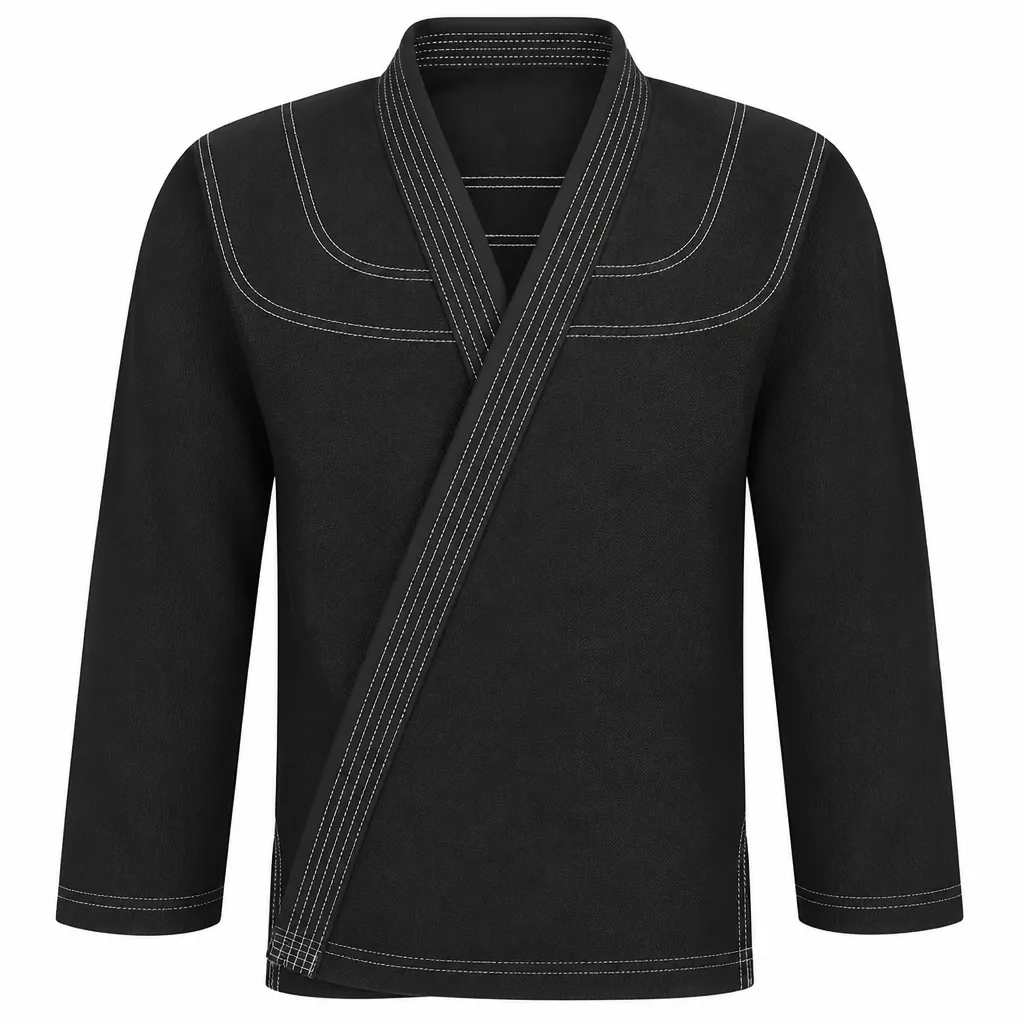
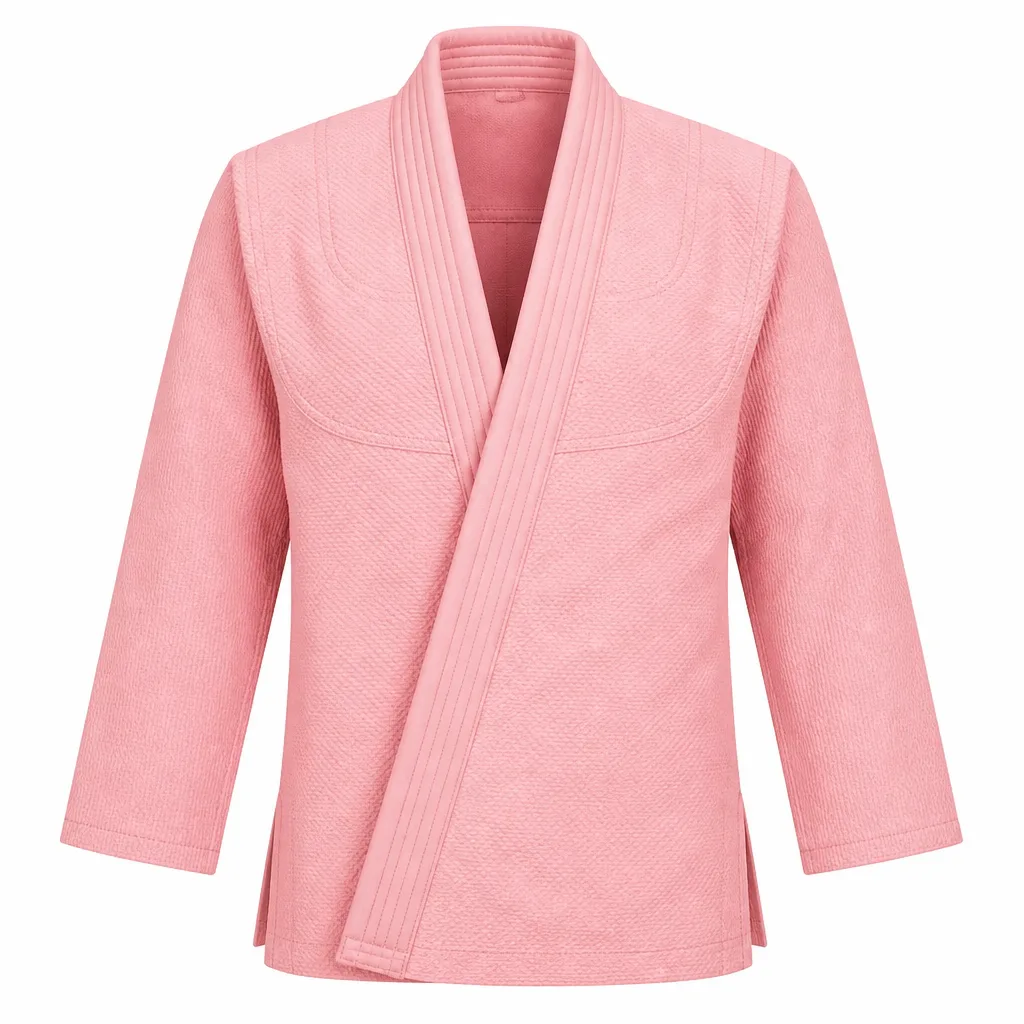
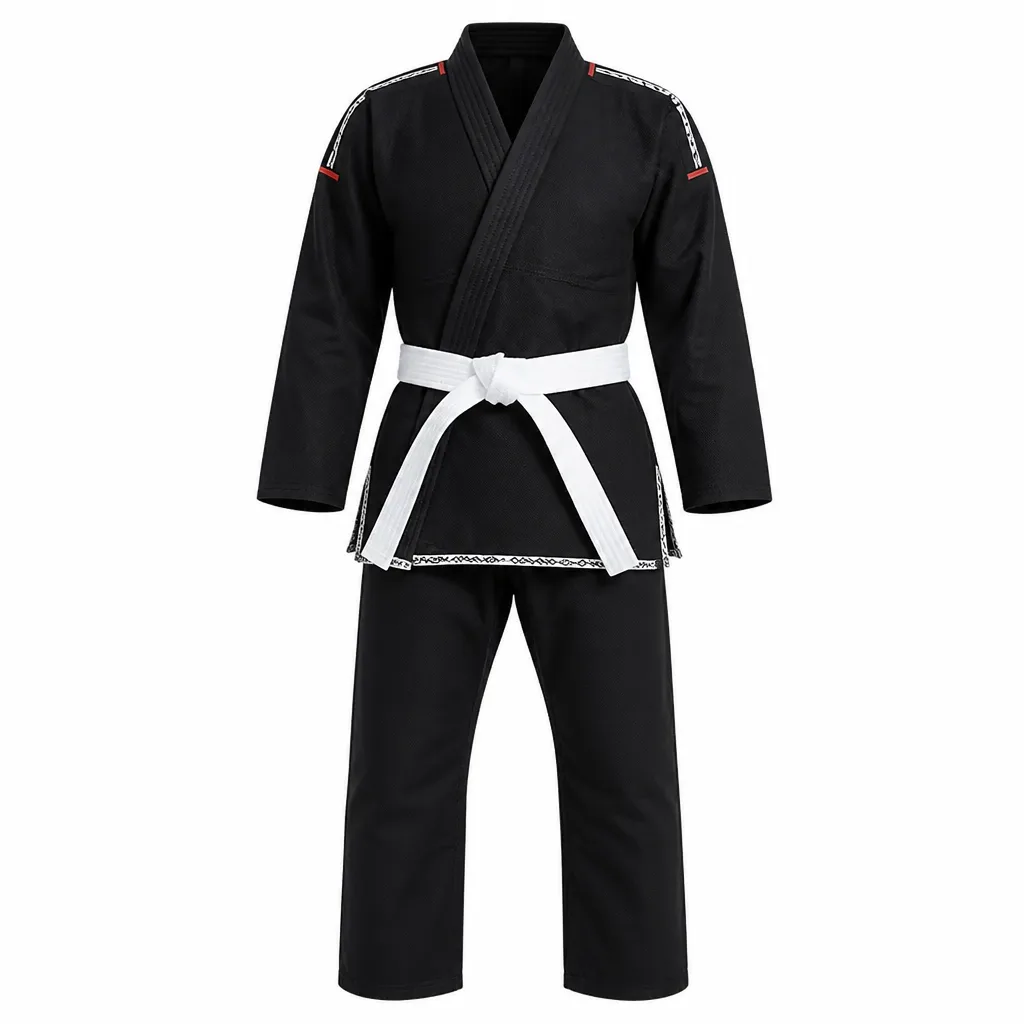
Pro Tip: Drill this slow at first—focus on grip strength. Use a quality BJJ gi from brands like Tatami or Fuji for better sleeve control, or rash guards like Venum for no-gi slickness. Apollo MMA stocks all the gear to grip and rip without slipping.
Common Mistakes and Fixes
Even pros botch this under pressure. Avoid these traps:
- Lazy Grips: Weak figure-four lets them stack and smash. Solution: Claw grips like a vice—train forearm endurance with heavy bag work or grip strengtheners.
- Hip Stall: No explosion means no break. Fix: Pair with hip escape drills (shrimping ladders) to build power.
- Overcommitting: Lunging too early exposes your neck. Stay defensive until the lock clicks.
Serrano emphasizes timing: Wait for their pull before countering. Watch rolls from ADCC or IBJJF Worlds—top triangles often get reversed this way.
Drilling Progressions for Real-World Dominance
Turn theory into instinct with these sessions:
- Solo Drills (10 mins): Shadow the grips on a dummy. Focus on elbow torque.
- Partner Warm-Up (15 mins): Flow rolls starting in triangle—practice 5 reps per side.
- Live Resistance (20 mins): Full rolls, cueing triangles to test under fire.
- MMA Integration: Add strikes—defend triangle, hit Baratoplata, then sprawl for takedown defense.
For wrestling crossover, this mirrors guillotine counters. Kickboxers and Muay Thai fighters: Adapt for clinch breaks.
Gear Recommendations for Optimal Training:
- Gloves: Hayabusa or RDX for padded protection during live drills.
- Mats: Thick puzzle mats prevent slips—essential for hip bridges.
- Rash Guards: Scramble or Hyperfly to stay mobile and sweat-free.
Browse Apollo MMA's collection for tournament-ready setups that withstand intense sessions.
Alberto Serrano: The Man Behind the Move
Alberto Serrano isn't just talking smack—he's lived it. A black belt under elite lineages, he's competed at high levels and coaches fighters who finish fights. His instructionals cut through fluff, delivering chain wrestling that wins matches. Follow his breakdowns for more gems like omoplata variations or guard retention mastery.
Advanced Variations and Chains
Once basics click, level up:
- Inverted Baratoplata: From De La Riva guard—Serrano's twist for open guard.
- Baratoplata to Triangle: Flip it offensive—trap their arm while setting your own triangle.
- No-Gi Tweaks: Use wrist wraps or Sanabul tape for lockdown grips.
In competition prep? Chain this with berimbolos or leg entanglements for 10th Planet flair. UFC grapplers like Charles Oliveira swear by similar arm feeds.
Why Add This to Your Arsenal Now?
The meta shifts fast—static defenses get stuffed. The Baratoplata keeps you proactive, turning defense into offense. Whether stacking worlds in BJJ, surviving MMA ground wars, or dominating local tourneys, this is your edge.
Hit the mats, drill relentlessly, and watch taps roll in. Gear up at Apollo MMA for the tools to execute flawlessly. What's your go-to triangle counter? Drop thoughts below!
(Word count: 1024)
---