The Ultimate David vs. Goliath: BJJ Grappling Triumphs Over Boxing Power
In the world of combat sports, few matchups spark more debate than grappler versus striker, especially when there's a massive size gap. A recent viral video captured a thrilling challenge fight between a 168lbs Brazilian Jiu-Jitsu (BJJ) purple belt and a towering 248lbs boxer. Despite the 80lb weight difference, the BJJ fighter secured a decisive submission victory. This showdown highlights why grappling skills remain a game-changer in MMA, self-defense, and street scenarios. Let's break down the fight step by step, analyze the techniques, and extract actionable lessons for fighters in BJJ, MMA, boxing, and beyond.
Fight Setup and the Size Disparity Challenge
The bout took place in an informal challenge setting, likely on a mat or open area, without a full cage or ring. The BJJ practitioner, weighing in at around 168lbs, faced off against a heavyweight boxer tipping the scales at 248lbs. That's not just a weight class difference—it's a full heavyweight versus a middleweight or welterweight.
- Boxer's Advantages: Raw power, knockout punching ability, reach, and experience in stand-up exchanges. Boxers train relentlessly on footwork, head movement, and devastating hooks and jabs.
- BJJ Fighter's Advantages: Technical grappling prowess, leverage-based submissions, and ground control. At purple belt level, this grappler had honed takedowns, guard work, and chokes over years of drilling.
This mismatch underscores a core truth in mixed martial arts: size matters, but skill can level the playing field. In UFC history, we've seen similar upsets, like smaller grapplers like Charles Oliveira submitting bigger foes.
Round-by-Round Breakdown: How the Fight Unfolded
Opening Exchanges: Testing the Waters
The fight kicked off with the boxer circling, throwing probing jabs to gauge distance. The BJJ fighter stayed patient, using a low stance to close the gap without eating big shots. Early on, the boxer landed a few glancing punches, but the grappler absorbed them and shot for a double-leg takedown.Key Tip: Against a striker, don't trade bombs. Use angles and feints to set up entries. In Muay Thai or kickboxing gyms, fighters practice this against taller opponents by drilling level changes.
The Crucial Takedown and Ground Transition
Midway through, the purple belt timed a perfect single-leg takedown, driving through the boxer's lead leg and dumping him to the mat. The boxer, unused to sprawls or wrestling defense, scrambled but found himself in the BJJ fighter's guard.From bottom position, the grappler used a closed guard to control posture, breaking the boxer's base. Attempts to pass were met with hip escapes and sweeps. This is classic BJJ: turning defense into offense.
- Technique Spotlight: Closed Guard Control – Wrap legs high, break elbows, and shrimp to create space for armbars or triangles.
- Boxer's Mistake: Posturing up too high, exposing the neck.
Mounting the Pressure: Top Control Masterclass
Once the BJJ fighter reversed to top position via a hip bump sweep, the dominance was clear. Full mount followed, with the lighter man raining ground-and-pound elbows while setting up the finish.
The boxer bridged desperately but couldn't dislodge the attacker. In a flash, the purple belt transitioned to an arm-triangle choke, locking it tight under the chin. Taps came quickly—no shame for the boxer, who fought valiantly.
Pro Insight: Arm-triangle from mount is gold against punchers. It uses their own arm against them, requiring minimal strength.
Why BJJ Won: 5 Key Lessons for Fighters
1. Takedown Timing is Everything: Wait for the striker to commit to a punch. In MMA training, pair wrestlers with boxers to simulate this.
2. Guard Game Saves Lives: Even from bottom, a skilled guard neutralizes size. Practice open guard sweeps against heavier partners.
3. Positional Hierarchy Rules: Back > Mount > Side Control > Guard. The BJJ fighter climbed the ladder methodically.
4. Submission Chains: Don't force one move—flow to the next. Here, ground strikes set up the choke.
5. Conditioning Matters: The grappler's cardio held up, while the boxer gassed defending on the ground. Incorporate wrestling rounds in your boxing or kickboxing sessions.
These principles apply across disciplines. Wrestlers can learn guard retention, Muay Thai clinch fighters can adapt to no-gi transitions, and boxers should drill basic sprawls.
Gear Essentials for Grappling vs. Striking Scenarios
Proper equipment bridges the gap between training and real challenges. For sessions mimicking this fight:
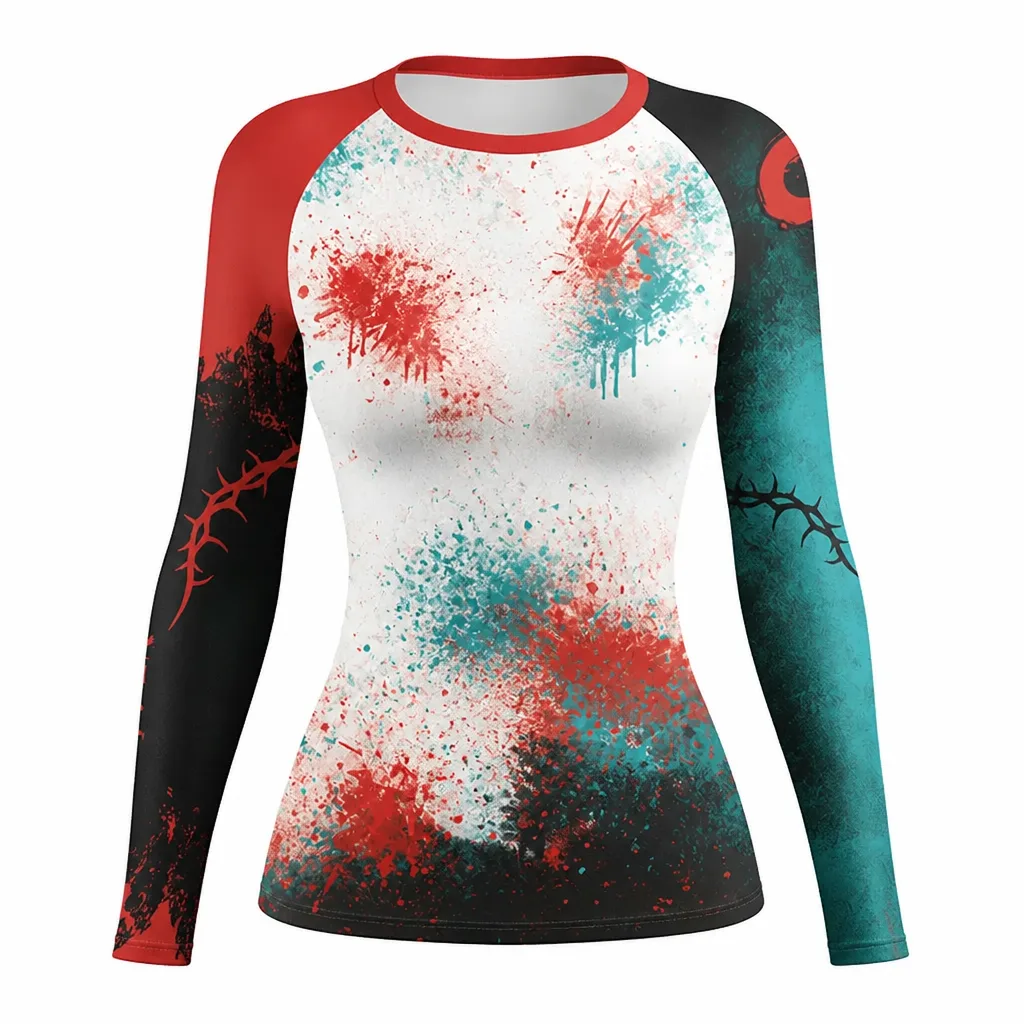
- Rash Guards and Spats: Sanabul or Hyperfly no-gi gear for slick movement and grip resistance.
- Mouthguards and Headgear: Protect against stray punches during takedown entries.
- Grappling Gloves: Hybrid MMA gloves like Hayabusa or Venum for ground strikes without full boxing padding.
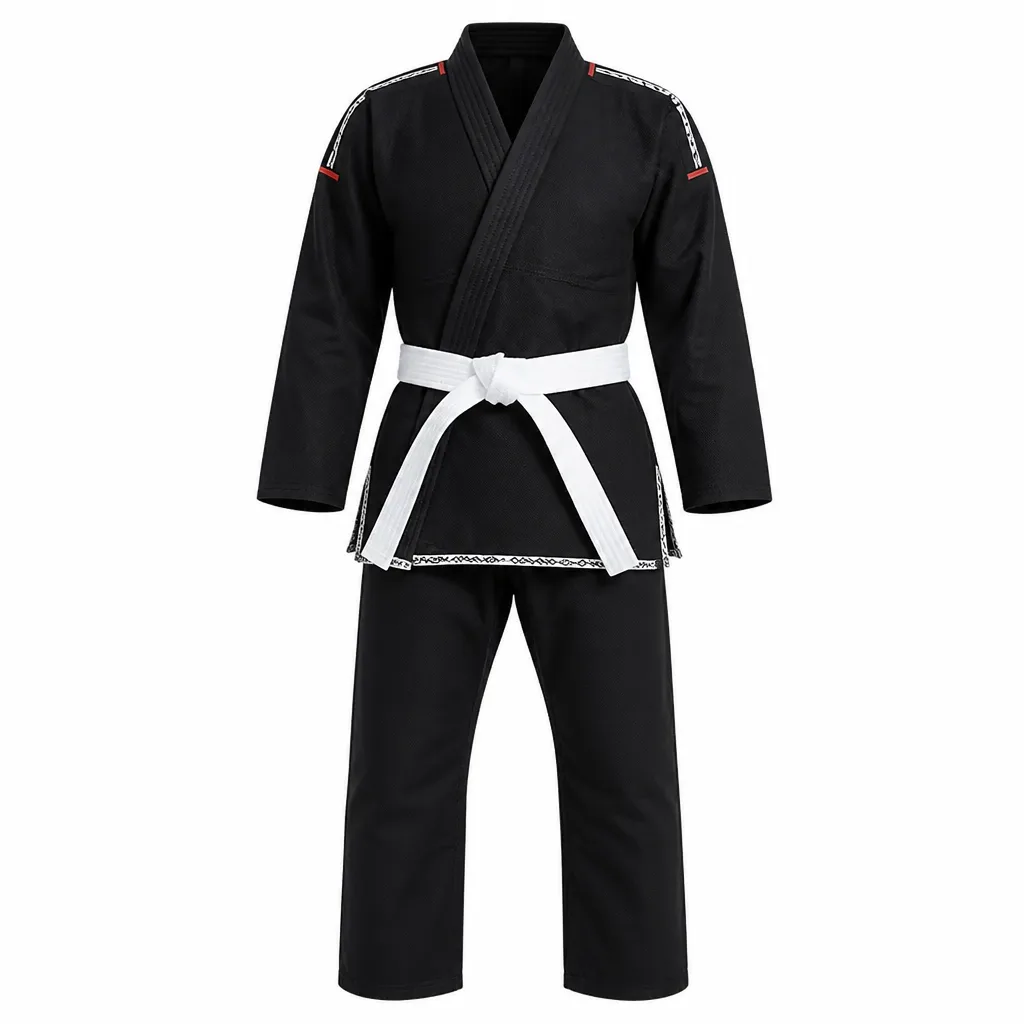
If you're gearing up for BJJ vs. boxing sparring, check out quality options from brands like Rival or Title Boxing. At Apollo MMA, browse our collection of durable grappling shorts, compression tops, and protective gear designed for intense sessions.
Maintenance Tip: Wash rash guards after sweaty grapples to prevent skin issues—air dry to preserve elasticity.
Training Drills to Recreate This Victory
Replicate the win in your gym:
- Drill 1: Striker Defense – Partner throws punches, you shoot takedowns. 5x3 minutes.
- Drill 2: Guard Retention – Heavier partner passes guard; retain and sweep.
- Drill 3: Arm-Triangle Flows – From mount to finish, 10 reps per side.
Scale for wrestling: Add sprawl variations. For kickboxing, incorporate knees from the clinch before shooting.
Broader Implications for MMA and Self-Defense
This fight echoes Royce Gracie's early UFC dominance, proving BJJ's edge in no-rules environments. Today, in ONE Championship or Bellator, grapplers still finish bigger strikers via rear-naked chokes or leg locks.
For hobbyists: Confidence against bullies. For competitors: Hybrid skills win belts.
Whether you're a beginner in BJJ or a seasoned boxer, this breakdown shows technique trumps tonnage. Gear up smart, train smart, and step on the mats at Apollo MMA's recommended setups.
What do you think—could better sprawl training have changed the outcome? Share your takes below!
---