Applying Motor Learning Science to Brazilian Jiu-Jitsu Training
Brazilian Jiu-Jitsu (BJJ) demands more than just mat time—it's about how you train. Professor Jason C. Brown, an expert in motor learning and control, breaks down the science behind skill acquisition. His insights help fighters optimize every roll, drill, and sparring session. Whether you're into BJJ, MMA, or submission grappling, these principles can elevate your performance.
Brown emphasizes that motor learning isn't random repetition; it's a structured process. Let's dive into his key takeaways and how to implement them in your training routine.
The Power of Deliberate Practice
Traditional grinding through reps won't cut it. Deliberate practice focuses on targeted, high-intensity efforts with clear goals. In BJJ terms:
- Identify weaknesses: Pinpoint specific techniques, like escaping side control or passing guard.
- Set micro-goals: Instead of 'drill armbars,' aim for 'execute 10 armbars from closed guard against resistance.'
- Push limits: Train at the edge of your ability, where errors happen but growth occurs.
Brown notes that elite grapplers like Gordon Ryan use this method. Add it to your MMA or BJJ sessions by alternating focused drills with live rolling. For example, spend 10 minutes drilling a single escape before sparring to test it.
Embracing Variability in Training
Repetition in identical conditions leads to stagnation. Introduce variability to build adaptable skills:
- Change partners: Roll with bigger, smaller, or stylistically different opponents.
- Modify rules: Use no-gi vs. gi, or positional sparring (start from bad positions).
- Vary environments: Train on different mats, with fatigue, or after strength sessions.
This mirrors the 'constraints-led approach.' Brown explains it enhances decision-making under pressure, crucial for MMA fights where chaos reigns. Practical tip: In your weekly schedule, dedicate one session to 'random rolls'—no predetermined starts, pure unpredictability.
The Role of Feedback: External vs. Internal
Feedback accelerates learning, but type matters:
- Extrinsic (external): Coach corrections or video analysis. Use sparingly for beginners to avoid dependency.
- Intrinsic (internal): Feel the movement yourself. Advanced practitioners rely here for refinement.
Brown advises a progression: Start with heavy coach feedback, taper it as you internalize sensations. Record your rolls weekly—review posture, grip breaks, and transitions. Tools like phone tripods make this accessible without fancy gear.
In team settings, provide concise feedback: 'Hip higher on that pass' beats vague praise. For solo training, use mirrors or self-talk to reinforce kinesthetic awareness.
Mental Imagery and Visualization
Don't just train physically—rehearse mentally. Brown cites studies showing visualization activates similar brain areas as physical practice:
- Pre-roll routine: Visualize sequences, counters, and finishes.
- Post-training review: Mentally replay successes and fixes.
- Injury recovery: Maintain sharpness by 'rolling' in your mind.
BJJ black belts often credit this for clutch performances. Integrate it into MMA prep: Before striking drills, visualize chaining takedowns into subs.
Optimal Reps, Sets, and Rest for Motor Learning
Science debunks endless drilling. Brown's guidelines:
| Phase | Reps per Set | Sets | Rest Between | Focus |
|-------|--------------|------|--------------|-------|
| Early Learning | 5-10 | 3-5 | 30-60s | Accuracy |
| Intermediate | 10-15 | 4-6 | 20-40s | Speed |
| Advanced | 15+ | 5+ | 10-20s | Fluency under fatigue |
Contextualize interference: Drill opposites (e.g., armbar then defense) to avoid skill blocking. For BJJ or wrestling, this means pairing attacks with counters in circuits.
Teaching BJJ: From White to Black Belt
Instructors play a pivotal role. Brown outlines progression:
- White belts: Block-based teaching (step-by-step). Heavy extrinsic feedback.
- Blue/Purple: Variability and reduced feedback. Encourage problem-solving.
- Brown/Black: Self-directed, with peers providing input.
Use 'games' for engagement: Shark tank positional battles build decision-making. As a coach, film classes for group debriefs—fosters ownership.
Sparring: The Ultimate Integrator
Sparring isn't 'just rolling'; it's where skills consolidate. Structure it:
1. Warm-up rolls: Light, positional.
2. Specific sparring: Start in targeted positions.
3. Shark tank: One vs. multiple.
4. King of the hill: Competitive ladder.
Brown warns against over-sparring early—save intensity for later. Track win/loss not for ego, but patterns (e.g., 'tapped 5x on back exposure').
Common Pitfalls and Fixes
- Over-reliance on strength: Technique trumps power. Drill with bigger partners.
- Neglecting recovery: Sleep and nutrition cement motor memories.
- Static drilling: Always add resistance or speed.
Long-Term Development: Periodization
Cycle your training:
- Accumulation phase: High volume, low intensity (drills).
- Intensification: Add resistance, variability.
- Competition taper: Sharpen with visualization, light rolls.
Brown's big idea: BJJ mastery is 10% technique, 90% how you learn it. Track progress in a journal: techniques learned, feedback notes, mental reps.
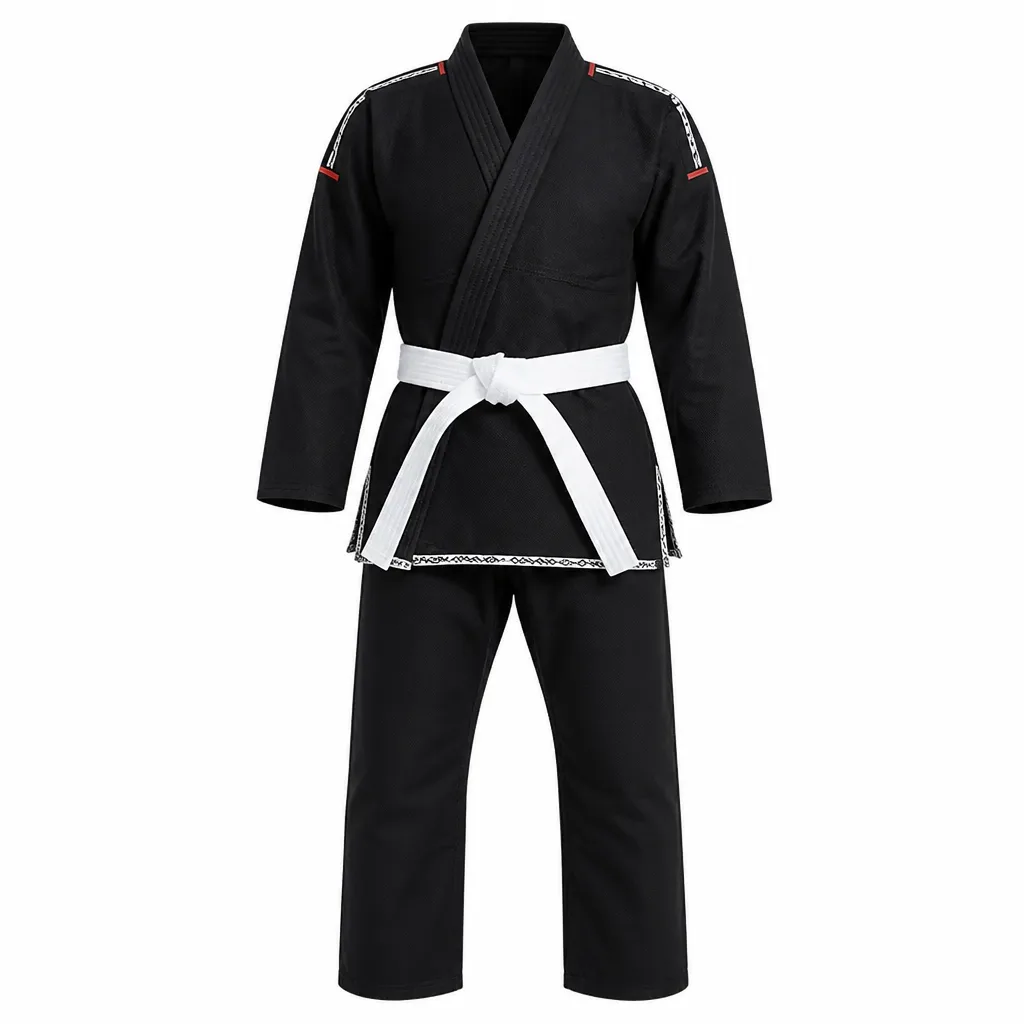
Gear matters too. Invest in durable gloves, shin guards, or gis that support dynamic movement—check Apollo MMA for premium options tailored to grapplers and strikers alike.
By weaving these motor learning principles into your routine, you'll not just train harder, but smarter. Whether prepping for the cage, tournament, or local comp, science-backed methods deliver results.
---