The Importance of Back Control in Grappling
In Brazilian Jiu-Jitsu (BJJ), MMA, and wrestling, securing and maintaining back control is one of the most dominant positions. It opens pathways to submissions like rear-naked chokes and provides constant submission threats while scoring maximum points in competition. However, even elite grapplers face moments when opponents frame up, shrimp away, or slip a hip to escape. This is where Alberto Serrano's neck crank back control reset shines—a slick, high-percentage move that punishes escapes and reestablishes your hooks and seatbelt grip.
Alberto Serrano, a seasoned BJJ black belt and Gracie Mag contributor, breaks down this technique with precision. Originally shared through Gracie Mag's instructional content, it's a staple for no-gi and gi practitioners alike. Whether you're training for the cage, the mats, or tournaments like IBJJF Worlds or ADCC, mastering this reset elevates your back attack game. Let's dive into the details, step by step, with tips to integrate it into your arsenal.
Why This Reset Works: Anatomy and Principles
The beauty of this technique lies in its biomechanical efficiency. When your opponent defends the rear-naked choke by framing your arm or posting on your leg, they often neglect their neck's vulnerability. The neck crank exploits torque on the cervical spine, forcing a defensive reaction that creates space for re-entry.
Key principles:
- Leverage over strength: Use your hips and core to generate power, not arm wrestling.
- Timing: Apply the crank immediately as they begin escaping—hesitation gives them recovery time.
- Safety first: In training, communicate with your partner. This is an advanced move; avoid full power on white belts.
This reset transitions seamlessly between gi and no-gi, making it versatile for MMA fighters blending wrestling and BJJ. In the octagon, it counters sprawls or guard passes gone wrong, keeping you offensive.
Step-by-Step Breakdown: Executing the Neck Crank Reset
Visualize starting in strong back control: both hooks in, seatbelt grip (one arm over shoulder, one under armpit), and chest-to-back pressure. Your opponent frames your choking arm and shrimps their bottom hip back to create space.
Step 1: Detect the Escape and Posture Up
As they push your elbow and rotate their hips away, immediately posture your chest up off their back. This prevents them from fully flattening out and escaping to turtle or half-guard. Keep your top hook locked to block their knee.Pro Tip: Drive your forehead into the back of their head for control. In MMA, this mimics wrestling underhooks, preventing them from turning into you.
Step 2: Insert the Cranking Arm
Release your seatbelt momentarily. With your non-choking arm (the underhook arm), snake it under their chin from the armpit side. Your elbow should point toward their neck, palm facing up. Pinch your shoulder to their ear, creating an initial 'S mount' arm position.This insertion is lightning-fast—practice solo drills by hugging a pillow and simulating the motion. For gi players, grab their lapel for extra control; no-gi folks, rely on underhook depth.
Step 3: Establish the Crank Grip and Rotate
Once inserted, rotate your cranking forearm so your bicep cups their chin. Your hand grabs behind their opposite shoulder or tricep. Now, arch your back and squeeze—apply torque by pulling their head down and across while your elbow drives into their neck.Common Mistake to Avoid: Don't crank straight back; diagonal torque maximizes discomfort and forces their hips to lift. Their natural reaction? They'll tuck their chin and roll toward you, opening the hip line.
Step 4: Swim the Bottom Hook and Re-Seatbelt
As they react to the crank by rolling or framing high, release pressure momentarily. Swim your bottom hook inside their thigh (the escaping leg), then reinsert both hooks. Simultaneously, transition your choking arm back to seatbelt over the shoulder.You're now reset: hooks deep, grips tight, chest pressure restored. From here, attack with RNC, arm triangle, or twister setups.
Step 5: Finish or Chain Attacks
If they turtle fully, flatten them with a body lock and roll to maintain top back take. In competition, this scores big points. For MMA, transition to ground-and-pound or stand up into a guillotine.Drilling and Progression: Building Proficiency
Start slow:
- Solo Drills: Lie on your back, simulate hooks, and practice arm insertion on a dummy head.
- Partner Drills: 5 reps from escape position, no resistance. Gradually add speed.
- Positional Sparring: Start in back control, let them escape once, reset with crank. 3-minute rounds.
Progress to live rolling: Use it when training partners counter your back attacks. Track success rate—aim for 70% resets in 10 attempts.
Gear Recommendations for Optimal Training:
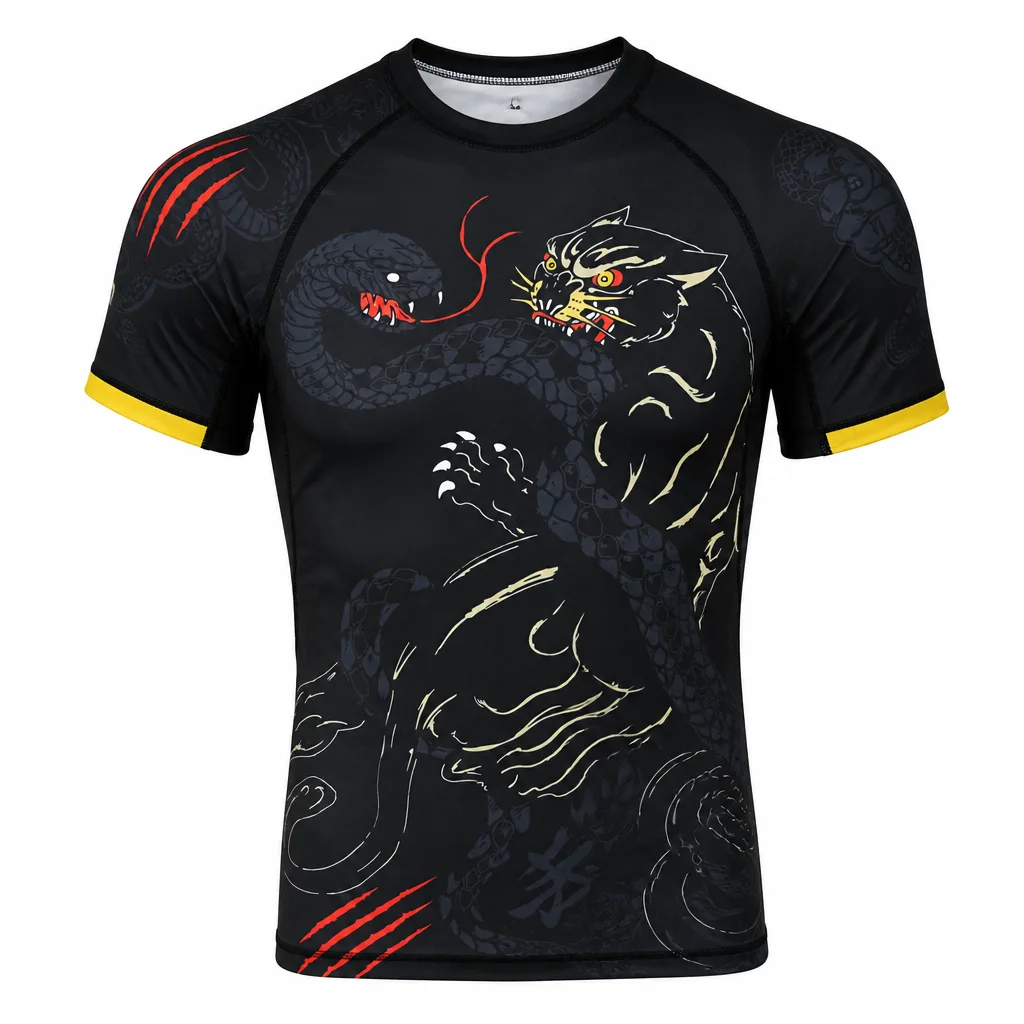
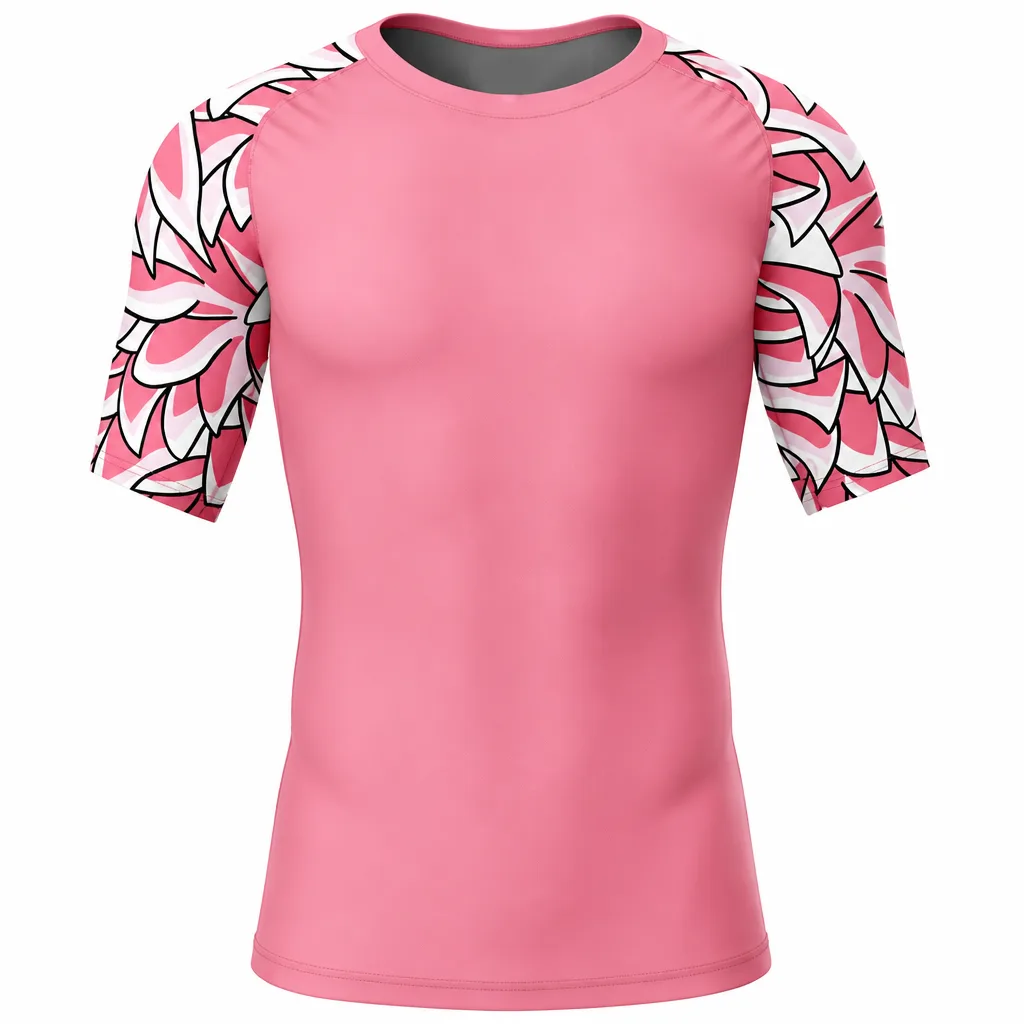
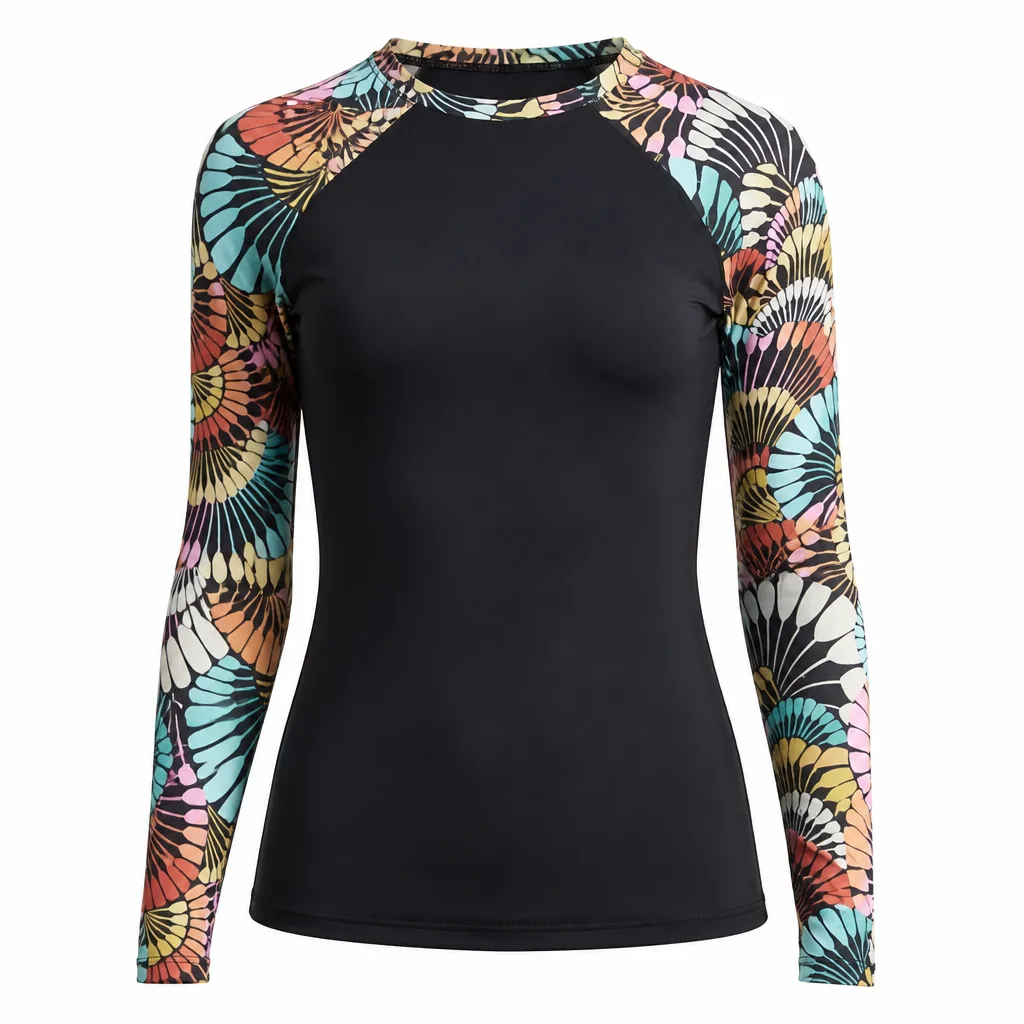
- Rash Guards: Frictionless material like those from Sanabul or Hayabusa prevents grips slipping during sweaty rolls.
- Gis for Gi Variation: Tatami or Fuji gis provide lapel control for enhanced cranks.
- Mouthguards and Headgear: Protect against accidental impacts in no-gi scrambles.
Head to Apollo MMA for premium selections that withstand intense grappling sessions.
Applications Across Combat Sports
- BJJ: Ideal for points-based matches; chains into bow-and-arrow or truck.
- MMA: Counters wrestler escapes, sets up strikes from back.
- Wrestling: Reinforces riding time with neck pressure.
- Submission Grappling: High finish rate in ADCC-style rulesets.
Common Errors and Troubleshooting
| Error | Fix |
|-------|-----|
| Opponent turtles without opening | Increase crank angle, use knee on belly to flatten |
| Can't insert arm | Posture higher, bait deeper frame first |
| Lose hooks during reset | Keep top foot on hip as anchor |
| Partner powers out | Improve hip drive; it's leverage, not strength |
Advanced Variations
- Gi Lapel Feed: Weave lapel into crank for vise-like grip.
- No-Gi Body Triangle: Switch to triangle after reset for inescapable control.
- Against Defenses: If they hide chin early, go belly-down arm triangle.
Final Thoughts: Elevate Your Back Game
Alberto Serrano's neck crank back control reset is a testament to BJJ's evolution—efficient, painful, and effective. Drill it relentlessly, and you'll turn escapes into opportunities. Whether prepping for local tournaments or UFC grappling exchanges, this technique delivers.
Ready to gear up? Browse Apollo MMA's collection of BJJ gis, rash guards, and training dummies to support your journey.
---