Elevate Your Guard Game with the Alternative X-Guard Sweep to Footlock
In Brazilian Jiu-Jitsu (BJJ) and mixed martial arts (MMA), mastering sweeps from the bottom position is crucial for reversing control and creating submission opportunities. One powerful variation comes from black belt Tom Davey, who showcases an alternative X-guard sweep that transitions directly into a straight ankle lock (footlock). This technique builds on classic X-guard principles but introduces a unique entry and finish, making it ideal for no-gi grappling, MMA, and even gi scenarios where footlocks are legal.
X-guard is a fundamental open guard position where your legs form an 'X' shape around your opponent's legs, typically with one shin across their thigh and the other hooking behind their calf. From here, traditional sweeps involve lifting and rotating the opponent over your body. Davey's version adds a deceptive twist, using momentum and precise grips to off-balance the opponent into a vulnerable position for the footlock.
This move is particularly valuable in MMA because it works against wrestlers and strikers who pressure forward, allowing you to sweep and submit without exposing your back. In pure BJJ rolling, it catches aggressive passers off guard. Let's break it down step by step, with tips for execution in training and competition.
Prerequisites and Setup
Before diving in, ensure you're comfortable with basic X-guard entries. Start from a seated guard or De La Riva, then transition by inserting your far leg (the one away from their lead leg) between their legs, shin across their thigh, and near leg hooked behind the calf. Your hands grip their pants or sleeves at the knees or ankles for control.
Key Tips for Setup:
- Stay on your hips to maintain mobility—avoid lying flat on your back.
- In MMA or no-gi, use wrist grips or underhooks instead of gi collars.
- Breathe steadily; this technique relies on explosive timing rather than strength.
Opponent stands with their right leg forward (your left side). You're in X-guard: left shin across their right thigh, right foot hooked behind their left ankle.
Step 1: Establish Grips and Off-Balance
Grab their left ankle with your right hand (same-side hand to the hooked leg). Your left hand pushes their right knee away to break their balance. This creates space and loads your hips for the lift.
Pro Tip: Pull the ankle hard toward your chest while pushing the knee. In wrestling-heavy scenarios like MMA, this mimics a single-leg defense reversal.
Step 2: The Sweep Initiation
Drive your left elbow into their right hip while lifting with your right leg (the hook). Rotate your hips clockwise (if they're right-lead). Your left leg pushes off their right thigh to elevate their hips.
As they post their left hand to counter, release the ankle grip momentarily. Swing your right leg up and around to trap their left leg between your legs.
Common Mistake to Avoid: Don't rush the lift—wait for them to commit weight forward. Practice with a partner who resists lightly to build timing.
Step 3: Transition to the Footlock Entry
With their balance disrupted, maintain the X configuration but now scoot your hips back. Your right arm snakes under their left calf, grabbing behind their Achilles with your right hand cupping the top of the foot.
Your left hand grabs their toes or the ball of the foot, pulling it toward you. This is the classic straight ankle lock grip, but entered dynamically from the sweep.
Relevance to Combat Sports: In Muay Thai or kickboxing transitions to ground, this catches leg-kickers who drop weight. BJJ competitors love it under IBJJF rules where footlocks are allowed from guard.
Step 4: Finish the Footlock
Fall to your left side, extending your legs to straighten their trapped leg. Squeeze your knees together while pulling the foot with both hands. Rotate your wrists to increase torque on the ankle.
Finishing Details:
- Keep your elbows tight to your body for leverage.
- If they roll to escape, follow with a heel hook variation (advanced, no-gi only).
- Tap early in training to avoid injury—ankles are delicate.
Drilling and Progression
Solo Drills:
- Shadow X-guard: Lie on your back, practice the leg swing and grip transitions 20 reps per side.
- Hip mobility: Bridge and shrimp from X-guard to build explosiveness.
Partner Drills:
1. Static holds: Partner stands in place; work entries slowly.
2. Live resistance: Add 50% speed, focus on off-balancing.
3. Positional sparring: Start in X-guard, sweep or submit within 30 seconds.
Integration into Your Game:
- Chain with back takes if the sweep fails.
- Counter common defenses: If they step over, switch to ashi garami.
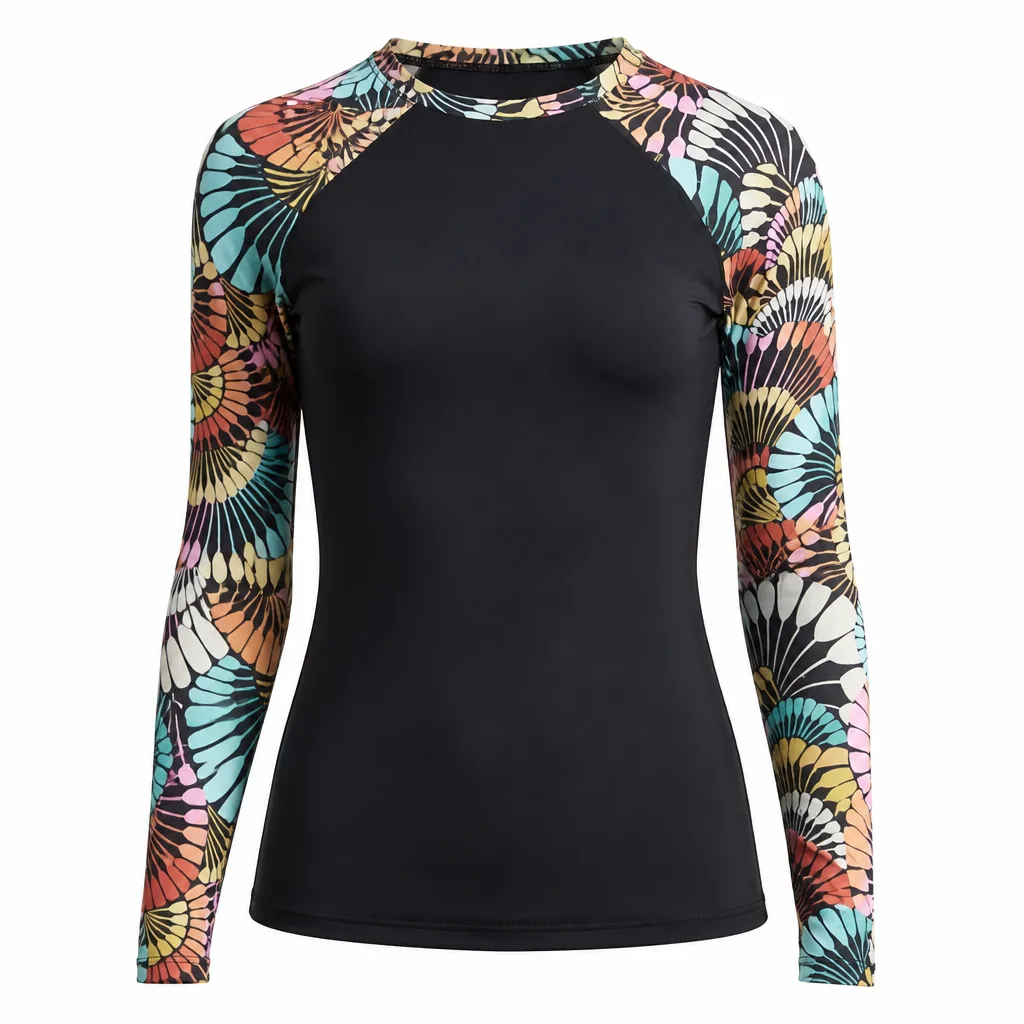
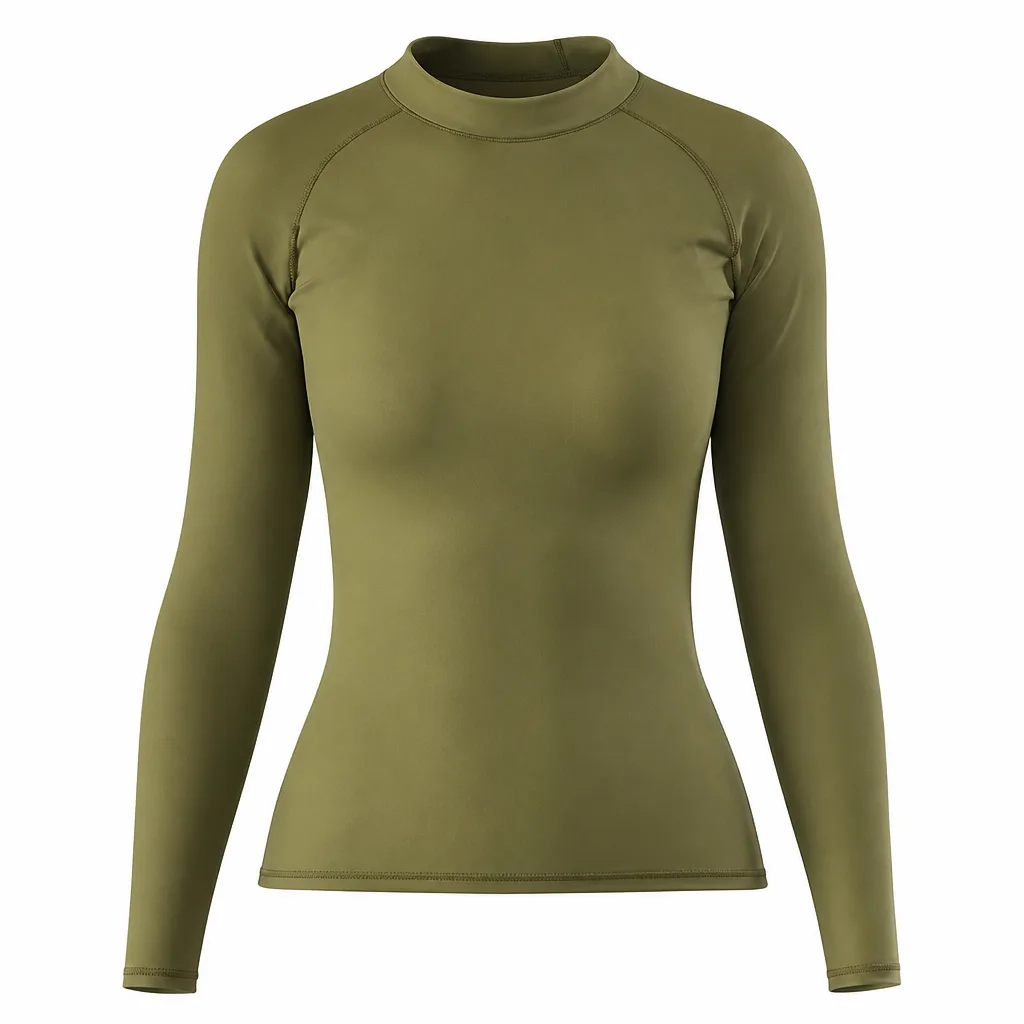
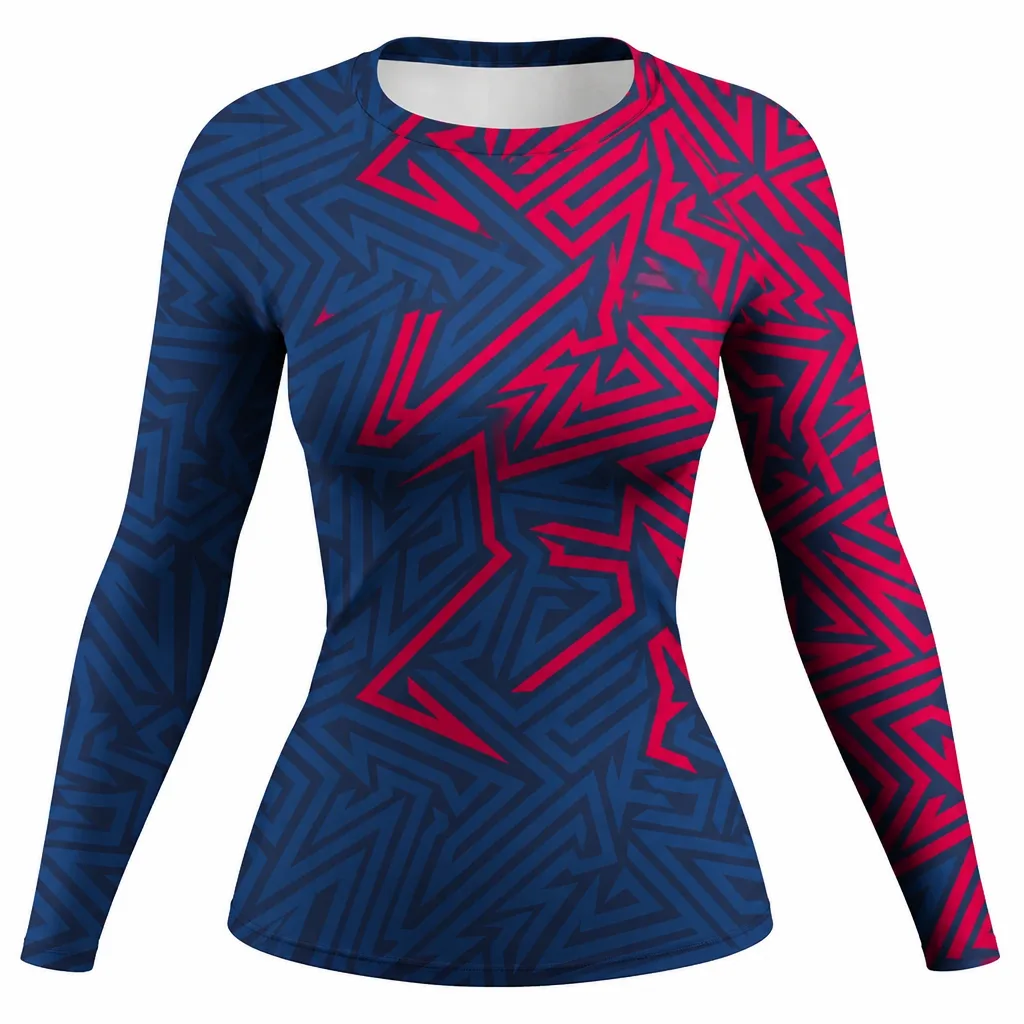
- Gear Note: Wear flexible rash guards and shorts for no-gi; in gi, use a lightweight jacket from brands like Tatami or Origin for better mobility. Find quality grappling gear at Apollo MMA to support your training.
Why This Technique Stands Out
Tom Davey's approach differs from standard X-guard sweeps (like the basic lift-over) by incorporating an immediate submission threat. It reduces the risk of them passing or stacking you post-sweep. Black belts report high success rates against blue belts and above who over-rely on posture.
In MMA contexts, think of fighters like Charles Oliveira using similar guard work to reverse and submit. For wrestling bases, it neutralizes sprawls effectively.
Safety and Legal Notes:
- Always warm up ankles and hips.
- Check competition rules: ADCC allows it anytime; IBJJF brown/black belts from guard.
- Beginners: Master basic ankle locks first.
Advanced Variations
1. No-Gi Heel Hook Finish: From the same entry, invert and figure-four your legs for a heel hook.
2. Gi Collar Feed: Sleeve grip their pants, feed to a collar for a back take.
3. MMA Wall Assist: Use the cage to push off during the lift for extra power.
Practice this 3x weekly, filming sessions to refine details. Your bottom game will thank you.
Elevate your BJJ arsenal with this gem from Tom Davey. Head to Apollo MMA for premium gis, no-gi gear, and mats to perfect it in the gym.
---