How to Choose the Perfect Jiu Jitsu Apparel for Your Training
In the humid dojos of 1920s Brazil, where Mitsuyo Maeda's judo techniques fused with local grappling to birth Brazilian Jiu-Jitsu, fighters trained in whatever kept them moving—often simple canvas pants and loose shirts borrowed from laborers. Fast-forward to today, and jiu jitsu apparel has evolved into a precision-engineered arsenal, blending cutting-edge fabrics with time-tested designs. Picture this: you're white belt deep in your first tournament roll, sweat pooling, gi ripping at the seams. That moment? It's the spark that ignited my obsession with the right gear. As a BJJ black belt and strength coach who's rolled with everyone from hobbyists to UFC contenders, I've learned that perfect jiu jitsu apparel isn't just clothing—it's your second skin on the mats.
The Journey: Chasing Comfort Amid the Chaos of Training
My path to mastering jiu jitsu apparel started in a sweaty São Paulo-inspired gym in the U.S., where I transitioned from judo to BJJ as a blue belt. Early on, I grabbed the cheapest gi off the rack—a stiff, 450gsm pearl weave number that chafed like sandpaper during guard passes and tore after a few intense sparring sessions. It was a rude awakening: in BJJ, where you're pulling, twisting, and posting for hours, apparel must endure without hindering movement.
Over a decade of coaching at commercial gyms, home setups, and competition prep camps, I've tested gear across disciplines—MMA, wrestling, even Muay Thai clinch work that bleeds into no-gi grappling. Beginners often overlook how a poorly fitted rash guard bunches under compression shorts during shrimp drills, while pros demand antimicrobial treatments to combat the funk of daily training. This journey taught me that jiu jitsu apparel for training must balance breathability, durability, and mobility, tailored to your body type, skill level, and session type. Whether you're drilling armbars at home or surviving open mats, the wrong kit turns motivation into misery.
I've rolled in everything from Tatami's featherweight gis for speed drills to Hayabusa's heavyweight models for IBJJF comps. Each piece revealed trade-offs: lighter fabrics dry faster but rip easier under knee rides, while reinforced stitching adds longevity at the cost of flexibility. These real-world trials, from 5-round MMA sparring to endless wrestling takedown chains, shaped my criteria for the best jiu jitsu apparel.
Key Discoveries: Decoding Fabrics, Fits, and Fighter Needs
Diving deep into the anatomy of jiu jitsu apparel uncovered game-changers that separate entry-level enthusiasts from elite grapplers. Let's break it down by core categories, with insights honed from dissecting hundreds of gis post-training and advising fighters on gear that survives pro-level abuse.
The Gi: Weave Weight, Collar Stiffness, and Reinforcement Realities
For gi training—the heart of traditional BJJ—fabric weight is king. Measured in GSM (grams per square meter), 350-450gsm suits beginners and no-gi hybrids for quick drying and mobility; think Tatami Elements or Fuji Supreme. Intermediate to advanced fighters thrive in 500-550gsm like Shoyoroll Wave 5 or Venum Elite, offering grip without the board-like stiffness of ultra-heavy 650gsm competition beasts.
Insider tip: Check for "pearl weave" (balanced texture for collar chokes) versus "gold weave" (smoother for passes). Reinforced knees and double-layered cuffs prevent blowouts during berimbolos, a must for taller frames posting in De La Riva. I've seen pros like Gordon Ryan favor A1 weights for comps—light yet tough—but they demand proper shrinking rituals: hot wash, no dry, to fit like armor. Limitation? Budget gis under $100 fade colors and loosen fast; invest $150+ for longevity.
No-Gi Essentials: Rash Guards, Spats, and Shorts for Speed
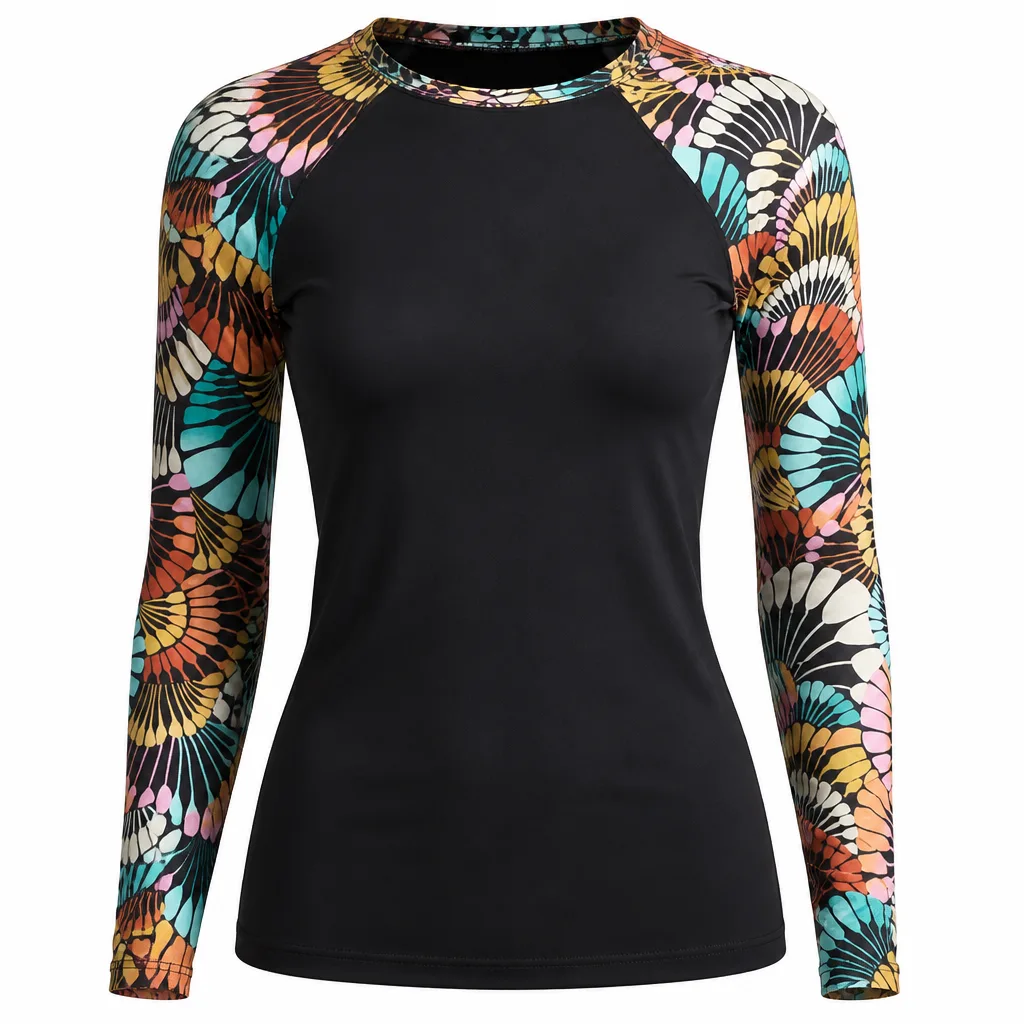
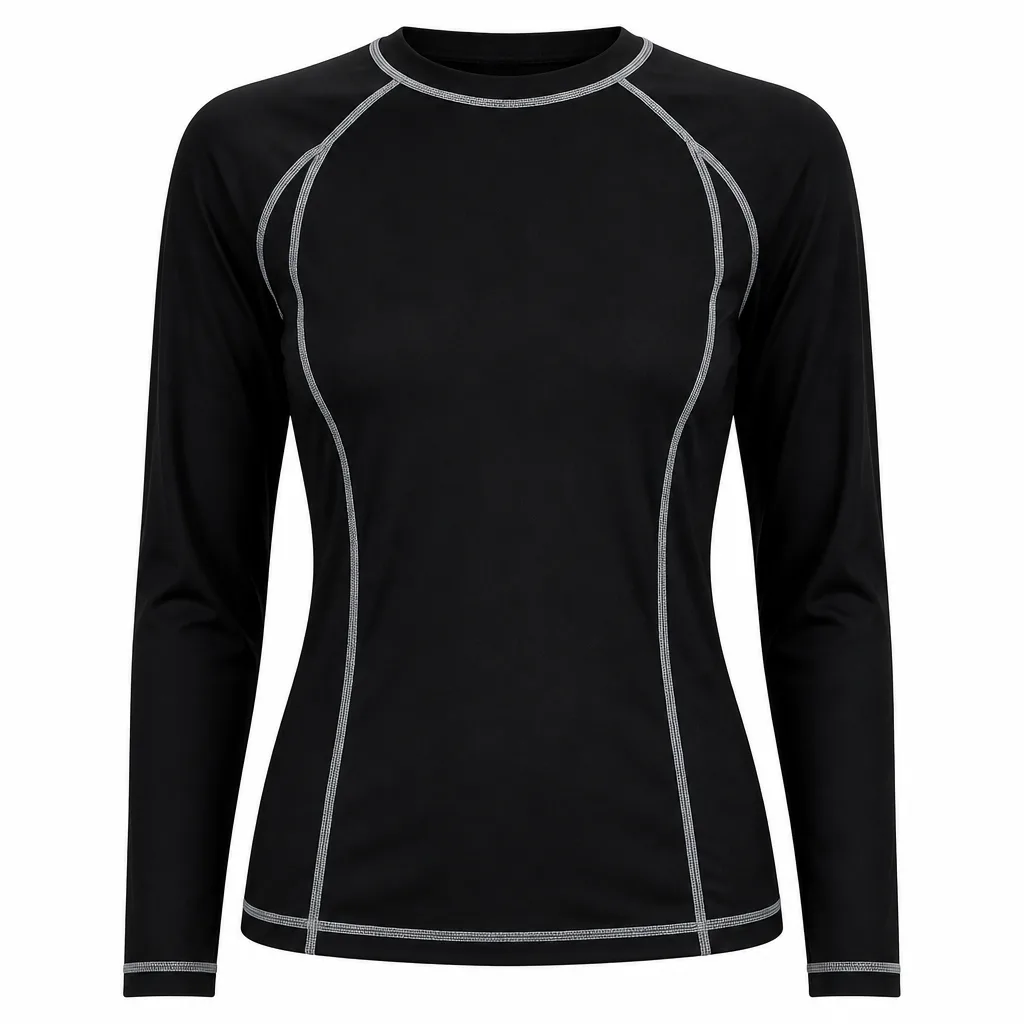
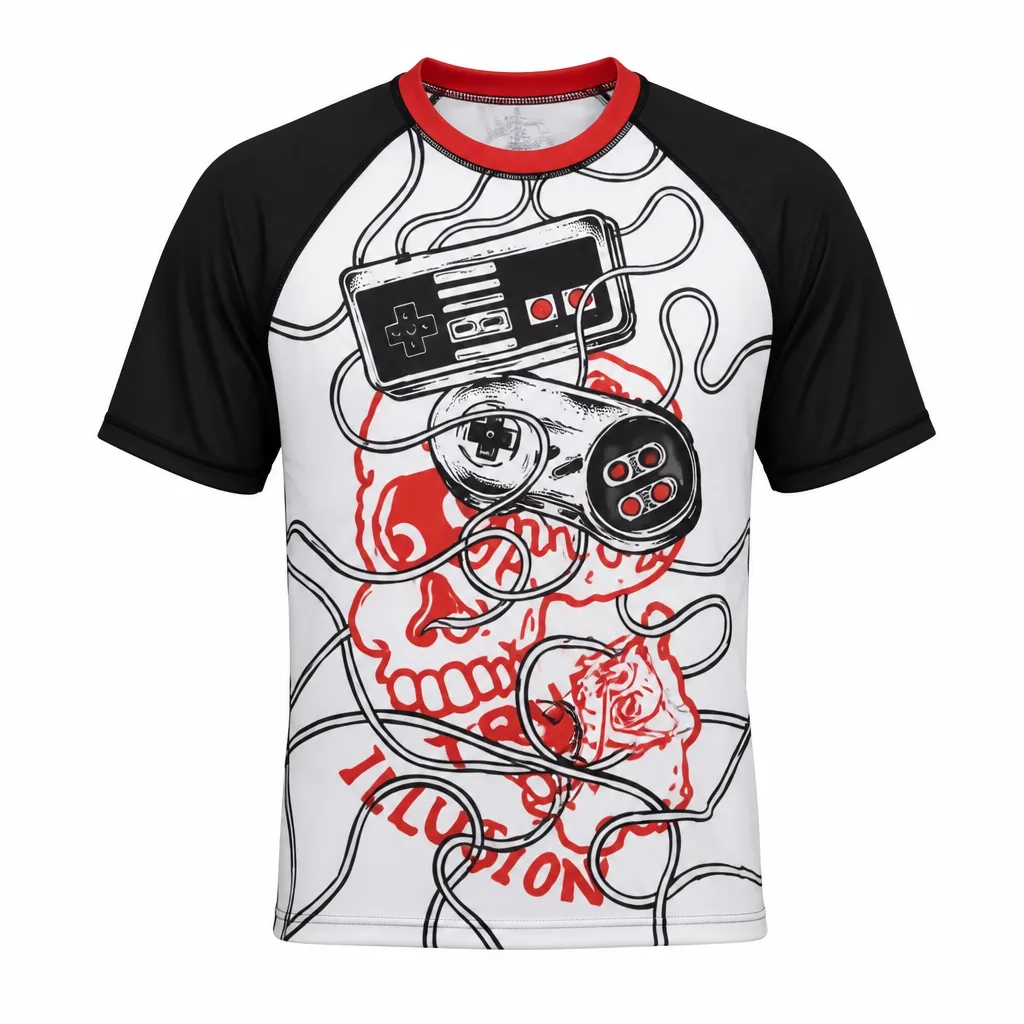
In no-gi or MMA crossover sessions, MMA jiu jitsu apparel shines. Rash guards with 80% polyester/20% spandex (like Hayabusa Hex or Venum Cage) wick sweat via laser-cut seams, preventing mat burns during wrestling scrambles. Long-sleeve for armbar defense; short for Muay Thai elbows bleeding into grappling.
Spats (compression leggings) are non-negotiable for jiu jitsu apparel for fighters—they reduce chafing in half-guard and grip breaks. Look for flatlock stitching and silicone waistbands; I recommend 200-250gsm nylon blends that stay put without rolling. Pair with split-side shorts (Venum Attack series) featuring 4-way stretch and Velcro-free closures to avoid gi-pants snags. Pro insight: In home workouts, thumb loops on rash guards secure sleeves during solo drills, mimicking partner resistance.
Sizing Secrets and Body Type Hacks
Sizing trips up 80% of newbies. Gis run small—size up for broad shoulders (e.g., A2 for 5'10"-6'0"). Rash guards? True to athletic fit; pros layer under fight shorts for compression therapy post-spar. Women-specific cuts in brands like Scramble address hip flares ignored by unisex gear. Always prioritize IBJJF-approved labels for tournaments, and test mobility: can you high-knee without binding?
Safety note: Antimicrobial silver threading fights bacteria in shared gym environments, but maintain gear—gentle wash, air dry—to avoid micro-tears that lead to infections.
Transformation: How the Right Apparel Elevates Your Game
Switching to dialed-in jiu jitsu apparel transformed my training. Gone were the distractions of slipping grips or overheating polyester; in came laser focus. A client, an intermediate MMA fighter blending BJJ with kickboxing, swapped baggy boardshorts for fitted Venum spats—sudden explosion in takedown speed, no drag in transitions.
For pros prepping comps, a custom-fit gi means tighter collars for bow-and-arrow chokes, saving seconds in scrambles. Beginners gain confidence rolling freely, not fighting fabric. In high-intensity environments like commercial gyms, breathable MMA apparel prevents fatigue, extending sessions by 20-30%. It's not hype: proper gear amplifies technique, turning good grapplers into great ones.
Lessons Learned: Honest Trade-Offs from the Mats
No gear is perfect. Premium Hayabusa gis ($200+) outlast budget options threefold but demand care—machine drying shrinks them unevenly. No-gi rash guards excel in sweat management yet pill after 50 washes without high-denier nylon. For wrestling-heavy styles, prioritize silicone grips over sublimation prints that peel.
Price-to-value: $80-120 hits sweet spot for most; splurge on one hero piece (e.g., gi jacket). Eco-conscious? Hemp blends from emerging brands offer sustainability without sacrificing grip. And for all levels, layer wisely—rash guard under gi for no-gi days reduces laundry. These truths, earned from coaching 500+ athletes, underscore that best jiu jitsu apparel aligns with your wallet, style, and goals.
Across disciplines, BJJ apparel influences everything: Muay Thai clinches benefit from no-slip spats, boxing footwork from lightweight shorts. Always consider environment—home gyms allow looser fits; comp mats demand compliance.
Actionable Takeaways: Your Gear Checklist for Victory
Armed with this, here's your blueprint to select flawless jiu jitsu apparel:
- Assess Your Training Style: Gi-dominant? Prioritize weave weight. No-gi/MMA? Compression focus. Check our MMA apparel collection for hybrids.
- Material Match-Up:
- Breathability: Poly/spandex blends (90%+ moisture-wicking).
- Durability: 450gsm+ gi, reinforced stress points.
- Antimicrobial: Silver-infused for gym rats.
- Fit Test Protocol: Squat, shrimp, armbar yourself. No binding? Green light.
- Budget Breakdown:
- Beginner: $100 gi/rash set (Fuji, Sanabul).
- Intermediate: $150-200 (Tatami, Venum).
- Pro: $250+ custom (Hayabusa, Origin).
- Maintenance Mastery: Cold wash, hang dry. Rotate 2-3 sets weekly.
- Enhance with Training: Pair gear with our training tips for drills that maximize apparel performance.
Ready to upgrade? At Apollo MMA, we curate the jiu jitsu apparel for fighters trusted worldwide—from Hayabusa precision to Tatami tradition. Your perfect kit awaits; step on the mats transformed.
By Sarah Chen, BJJ Black Belt & Apollo MMA Gear Expert