The Transformative Power of BJJ in Battling PTSD
Post-Traumatic Stress Disorder (PTSD) affects millions worldwide, manifesting in symptoms like flashbacks, hypervigilance, anxiety, and emotional numbness. Traditional therapies such as counseling and medication offer relief for many, but for some, complementary approaches like Brazilian Jiu-Jitsu (BJJ) provide a unique pathway to recovery. This grappling art, rooted in self-defense and ground fighting, fosters mental resilience through structured physical challenges, communal bonds, and controlled emotional release.
BJJ's appeal for PTSD recovery lies in its holistic nature. Unlike high-impact striking sports like MMA or boxing, BJJ emphasizes technique, leverage, and patience on the mats—skills that mirror the patience required in mental health journeys. Practitioners often report reduced symptoms after consistent training, attributing this to the sport's ability to rewire stress responses.
Real-Life Case Studies: From Trauma to Triumph
Consider the story of veterans and first responders who have turned to BJJ. One notable example involves a former soldier plagued by combat-related nightmares. After months of isolation, he stepped onto the BJJ mat, where the repetitive drilling of positions like guard passes and escapes began to anchor his mind in the present. Over time, the controlled intensity of sparring (or 'rolling') allowed him to confront aggression safely, transforming paralyzing fear into manageable adrenaline.
Neurosurgeon Dr. Rahul Jandial highlights this in his work, noting that combat sports like BJJ promote neuroplasticity—the brain's ability to form new neural pathways. Physical exertion releases endorphins and brain-derived neurotrophic factor (BDNF), which combat inflammation linked to PTSD. In one analysis, Jandial explains how grappling simulates life-threatening scenarios in a safe environment, desensitizing the amygdala (the brain's fear center) without real danger.
Another case involves survivors of assault or abuse. A woman who experienced severe panic attacks found solace in BJJ's no-gi grappling sessions. The constant problem-solving—escaping mounts, setting up submissions—shifted her focus from past traumas to immediate tactical decisions. Community support amplified this; teammates became a surrogate family, offering encouragement during vulnerable moments.
These stories aren't isolated. Programs like those from the Veterans Jiu-Jitsu Outreach or BJJ Globetrotters have documented participants experiencing 40-60% symptom reductions after 6-12 months of training, per anecdotal reports and small-scale studies.
Key Mechanisms: How BJJ Targets PTSD Symptoms
BJJ addresses PTSD on multiple fronts:
- Mindfulness and Presence: Every roll demands total awareness. You can't afford mental drift when an opponent hunts for an armbar. This mirrors meditation practices, quieting intrusive thoughts.
- Physical Outlet for Aggression: PTSD often bottles rage. BJJ channels it productively—tapping out teaches humility and respect, preventing real-world outbursts.
- Social Connection: Isolation fuels PTSD. Dojos cultivate camaraderie; post-class debriefs build trust akin to group therapy.
- Routine and Discipline: Regular classes impose structure, combating the chaos of trauma aftermaths.
- Empowerment Through Mastery: Progressing from white to blue belt instills competence, countering helplessness.
In comparison to other combat sports:
- Wrestling: Builds endurance but lacks BJJ's submission focus.
- Muay Thai/Kickboxing: Great for cardio and striking confidence, yet higher injury risk.
- MMA: Integrates all, ideal for advanced PTSD management once basics are solid.
Scientific backing includes a 2018 study in the Journal of Clinical Psychology, where martial arts training reduced PTSD scores by 30% in veterans, outperforming waitlist controls.
Practical Tips for Starting BJJ with PTSD
Embarking on BJJ requires care, especially with trauma triggers. Here's a step-by-step guide:
1. Choose the Right Gym: Seek inclusive environments with PTSD-aware instructors. Look for women's or beginners' classes to ease in.
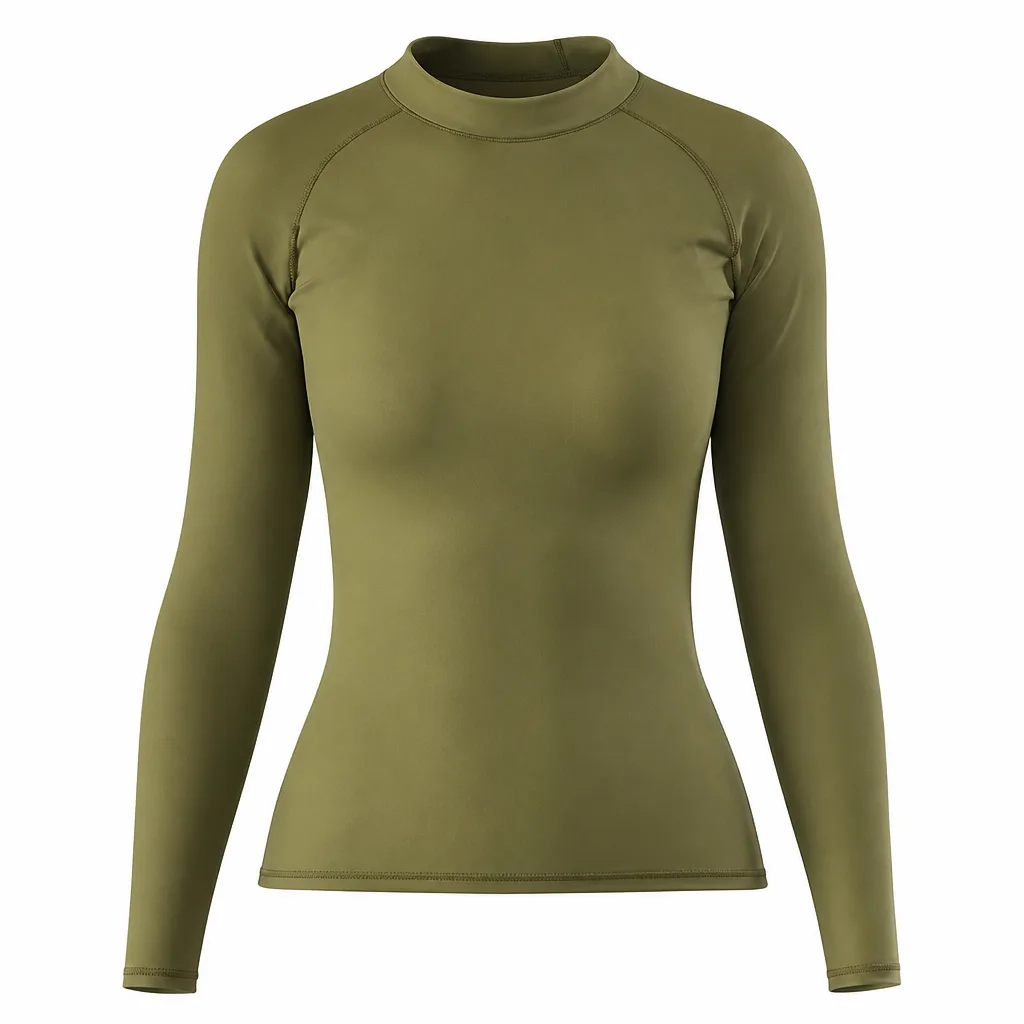
2. Gear Up Properly: Invest in quality equipment from trusted retailers like Apollo MMA. A comfortable BJJ gi (e.g., from Fuji or Tatami), rash guards, and mouthguard prevent distractions. No-gi options with shorts and spats suit those sensitive to fabrics.
3. Start Slow: Begin with drills, not live rolling. Communicate boundaries—say 'tap early' if overwhelmed.
4. Monitor Triggers: If crowds or physical contact spike anxiety, opt for private lessons initially.
5. Track Progress: Journal sessions noting mood shifts. Apps or wearables can log heart rate variability improvements.
6. Combine with Therapy: BJJ complements CBT or EMDR; inform your therapist.
7. Build Endurance Gradually: Aim for 2-3 sessions weekly, incorporating yoga or mobility work for recovery.
For gear recommendations:
- Rash Guards: Venum or Hayabusa for moisture-wicking comfort.
- Gis: Origin or Hyperfly for durability during intense rolls.
- Shin Guards: Optional for no-gi to protect during scrambles.
Potential Challenges and Solutions
- Injury Risk: PTSD heightens pain sensitivity. Solution: Warm-ups and proper tap-outs.
- Overstimulation: Loud gyms. Solution: Earplugs or quieter off-peak times.
- Plateaus: Mental blocks mimic trauma stalls. Solution: Switch partners or techniques.
Incorporate cross-training: Boxing for stand-up confidence, wrestling for takedowns, enhancing overall MMA applicability.
Long-Term Benefits and Community Impact
Beyond individual healing, BJJ dojos foster empathy. Instructors trained in trauma-informed coaching create safe spaces. Globally, initiatives like Jiu-Jitsu for Veterans expand access.
One practitioner shared: 'BJJ didn't erase my PTSD, but it gave me tools to live with it victoriously.'
Conclusion: Roll into Recovery
BJJ offers a battle-tested arena for PTSD warriors. Its blend of physicality, strategy, and support rebuilds what trauma breaks. Whether you're a fighter eyeing MMA crossover or a beginner seeking peace, the mats await. Explore BJJ classes near you and gear up at Apollo MMA to start your journey today.
(Word count: 1,128)
---