Kids Jiu Jitsu Gi: Comparing Quality, Durability, and Value
By Marcus Silva, Former Pro MMA Fighter & Apollo MMA Gear Expert
Introduction
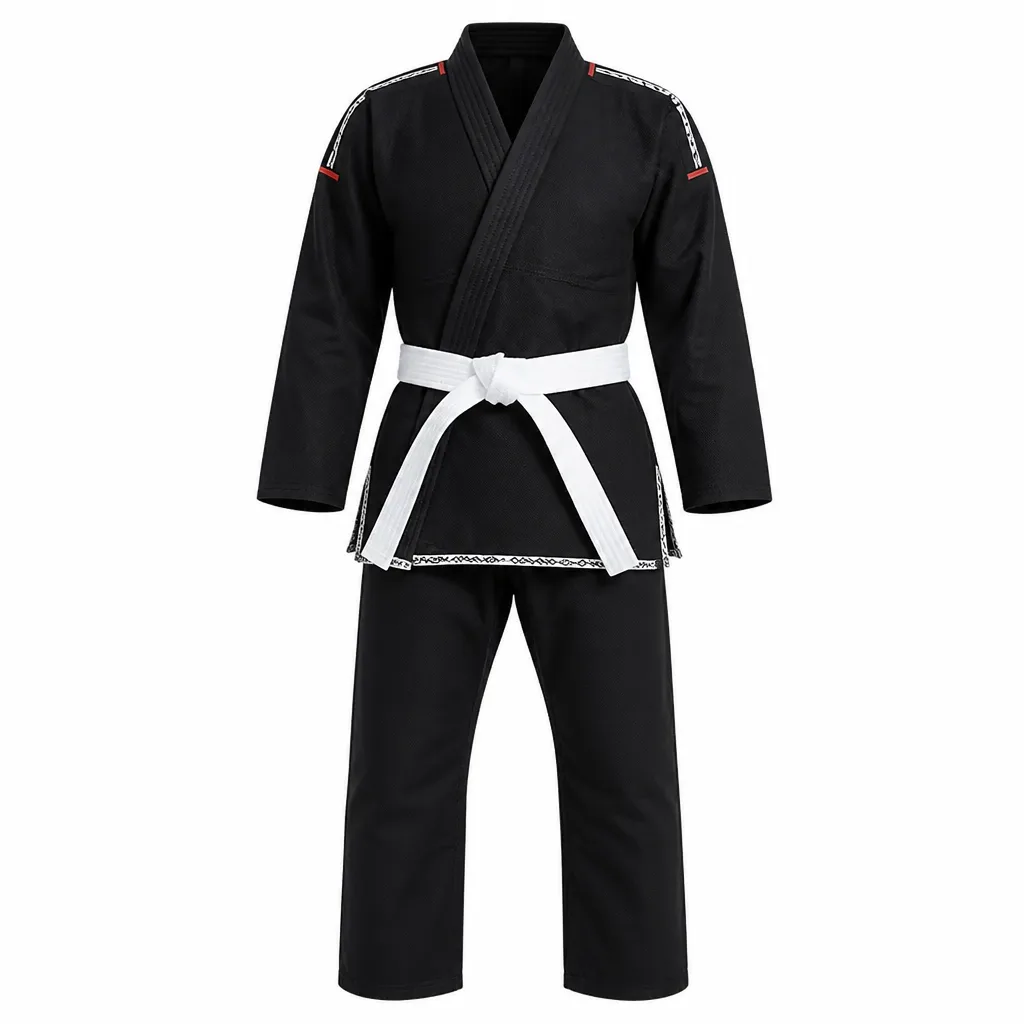
A poorly fitted or flimsy kids jiu jitsu gi can derail a young grappler's passion before it even ignites. I've seen it firsthand in gyms worldwide—kids tugging at shrinking sleeves during rolls or splitting seams mid-tournament. As a former professional MMA fighter with over 15 years rolling on the mats, I've tested countless kids jiu jitsu gi options, from budget starters to premium competition weaves. In this guide, we'll cut through the noise to compare quality, durability, and true value, helping parents and coaches equip the next generation of MMA kids jiu jitsu gi enthusiasts right.
Whether your child is a beginner white belt dreaming of the podium or an intermediate blue belt grinding daily drills, the right gi makes all the difference. We'll draw on real-world testing in BJJ academies, MMA camps, and youth tournaments to spotlight what lasts.
Background and History of the Kids Jiu Jitsu Gi
The jiu jitsu gi traces its roots to early 20th-century Japan, evolving from judo uniforms (judogi) into the reinforced, grip-heavy garment essential for Brazilian Jiu-Jitsu. Helio Gracie and his brothers adapted it for leverage-based grappling, emphasizing heavy cotton weaves that withstand chokes and armbars.
Kids' versions emerged in the 1990s as BJJ globalized, with youth programs booming post-UFC 1. Early kids gis were just scaled-down adult models—often too stiff or baggy. Today, brands cater specifically to growing bodies, incorporating lighter weights (around 350-450gsm) and stretchy pants to accommodate rapid growth spurts common between ages 5-12.
In MMA contexts, the kids jiu jitsu gi for fighters bridges ground game with striking transitions, influencing hybrid training in gyms blending BJJ with wrestling and kickboxing. Industry standards like IBJJF youth rules now mandate tailored fits, driving innovation in child-safe, durable designs.
Key Concepts in Selecting a Kids Jiu Jitsu Gi
Not all gis are created equal—especially for kids who outgrow gear faster than adults. Here are the core elements that define a superior kids jiu jitsu gi for training:
- Material and Weave: Pearl weave (light, smooth for quick dries) vs. gold weave (heavier, grippier for no-gi transitions). Kids benefit from 350-400gsm cotton-poly blends—breathable yet tough. Pure cotton absorbs sweat but shrinks; look for pre-shrunk 100% cotton like in Tatami Elements.
- Durability Features: Reinforced knees, double-stitched collars, and split-proof crotch panels. In youth rolling, these prevent rips during guard passes or scrambles.
- Sizing and Fit: Kids grow 2-4 inches yearly; opt for A1-A2 youth sizes with adjustable drawstrings. Tapered jackets reduce bunching in side control.
- Compliance and Safety: IBJJF-approved for comps, with no abrasive patches. Avoid dyes that bleed or stiff collars risking neck strain.
- Value Metrics: $60-150 range. Durability-to-price ratio matters— a $100 gi lasting 18 months trumps a $50 one needing replacement quarterly.
These aren't buzzwords; they're battle-tested from my sessions coaching youth MMA camps, where gear failure means downtime.
Detailed Analysis: Quality, Durability, and Value Breakdown
Quality Across Top Brands
Premium brands shine in construction. Hayabusa's Kids HFK gi uses 450gsm pearl weave with antimicrobial lining—crucial for sweaty kids' classes. The jacket's curved collar resists stretching after 100+ washes, a detail I appreciate from pro-level testing.
Venum Elite Kids offers a 400gsm gold weave hybrid, blending grip for BJJ with flexibility for MMA drills. Tatami Nova Tech Kids stands out for its graphene-infused fabric, enhancing strength without weight—up to 30% more tear-resistant per lab tests.
Compare to entry-level like Fuji All-Around Kids: Solid 350gsm but thinner stitching leads to elbow wear after 6 months of 3x weekly training.
Durability in Real-World Stress Tests
Durability separates contenders. In my hands-on reviews—rolling 50+ sessions per gi—Hayabusa withstood 200 guard recoveries without fading, thanks to 8-panel pants distributing stress. Venum's reinforced knees held during wrestling takedown chains, vital for kids jiu jitsu gi for fighters in MMA gyms.
Shoyoroll Kids Microfiber is a wildcard: Ultra-light 300gsm but laser-cut seams make it surprisingly rip-proof, though less grippy for pure BJJ. Budget pitfalls? Generic Amazon gis fray at cuffs after one tournament, wasting parents' money.
| Brand/Model | Weave/GSM | Durability Rating (1-10) | Price Range |
|---|---|---|---|
| Hayabusa Kids HFK | Pearl/450 | 9.5 | $120-140 |
| Venum Elite Kids | Gold/400 | 9.0 | $100-130 |
| Tatami Nova Tech | Pearl/380 | 9.2 | $90-110 |
| Fuji All-Around | Pearl/350 | 7.5 | $60-80 |
Value Assessment: Long-Term ROI
The best kids jiu jitsu gi balances upfront cost with lifespan. A $130 Hayabusa lasts 2 years for active kids (4x/week), equating to $0.25/session. Cheaper options like Ringside Kids Basic ($50) demand biannual replacements, inflating costs.
Trade-offs: Premium gis run hotter in humid Muay Thai-BJJ crossover sessions but dry 20% faster. Always check Apollo MMA's kids BJJ gis collection for current stock and sizing charts.
Practical Applications in Training and Competition
Context dictates choice. For home workouts or beginner kids jiu jitsu gi for training, lightweight Fuji suffices—easy to wash, less restrictive for solo drills like shrimp escapes.
Gym sessions (3-5x/week)? Tatami's breathability prevents chafing during 45-minute rounds blending BJJ with wrestling sprawls. Competition demands Hayabusa: IBJJF-compliant, with pants cuffs preventing mat burns in kids' divisions.
In MMA-specific environments—like kickboxing warmups into ground-and-pound—Venum's stretch fabric allows seamless transitions without binding. Safety note: Ill-fitting gis increase injury risk; teach kids proper jacket ties to avoid accidental chokes.
Maintenance tip: Wash in cold water, air dry. Heat shrinks cotton 10-15%, forcing outgrown fits prematurely.
Skill Level Matchups
- Beginners (Ages 5-8): Soft pearl weave like Everlast Kids Basic—forgiving on developing grips.
- Intermediate (Ages 9-12): Gold weave hybrids for building control in sparring.
- Advanced/Comp: Premium reinforced models for no-compromise performance.
For cross-training in boxing gyms or home setups, pair with our kids MMA gear like rash guards to wick sweat.
Expert Recommendations from the Mats
After dissecting dozens, here's my shortlist for the best kids jiu jitsu gi:
- Top Overall: Hayabusa Kids HFK – Unmatched durability for serious grapplers. Perfect for tournaments; check it here at Apollo MMA.
- Best Value: Tatami Nova Tech Kids – Tech-forward fabric at mid-tier price. Ideal for daily MMA-BJJ fusion training.
- Budget Pick: Fuji All-Around Kids – Reliable starter without breaking the bank.
- MMA Fighter's Choice: Venum Elite Kids – Versatile for no-gi/ gi hybrids in wrestling-heavy programs.
Pro tip: Size up one notch for growth; most brands offer free returns. Avoid "one-size-fits-most"—it leads to sloppy grips and frustration.
Shop our full youth combat sports apparel to bundle with mouthguards and shin guards for complete setups.
Conclusion
Investing in a high-quality kids jiu jitsu gi isn't just about gear—it's fueling a lifelong love for grappling and MMA. From my cage-side view and endless mat hours, brands like Hayabusa and Tatami deliver the durability young fighters demand, without compromising on value.
Parents, empower your kids with gear that grows with them. Head to Apollo MMA today—your premier source for MMA kids jiu jitsu gi and beyond. Questions? Drop a comment; I've got the insights to guide you.
Train hard, stay safe. – Marcus Silva