Why Proper Restraint Matters in BJJ and MMA
In Brazilian Jiu-Jitsu (BJJ) and mixed martial arts (MMA), controlling your opponent is the foundation of success. Whether you're in a grappling exchange on the ground or transitioning to submissions, knowing how to restrain effectively prevents escapes and sets up your attacks. This guide dives deep into proven methods for maintaining dominant positions like mount and side control, drawing from elite instruction. These skills translate seamlessly to wrestling, submission grappling, and full MMA fights, helping you stay safe while imposing your will.
Restraint isn't just about strength—it's technique, leverage, and anticipation. Fighters often "overbook" by stacking too many grips or moves, leading to sloppy control and easy counters. Instead, focus on minimal, efficient holds that maximize your base and minimize their options. Let's break it down position by position with actionable steps.
Full Mount: The Ultimate Top Control
Full mount is the gold standard for restraint, giving you access to strikes, chokes, and armbars. But holding it against a skilled opponent requires precision.
Key Principles for Stable Mount
- Base First: Keep your knees wide, toes tucked under for balance. Weight your hips low onto their torso to pin their breathing.
- Hand Placement: Post one hand on the mat near their shoulder for support, the other controlling their wrist or elbow. Avoid grabbing their head too early—it exposes your base.
- Hip Awareness: Stay centered. If they bridge, swim your arms inside their legs and sprawl forward to high mount.
Common Mistakes and Fixes
- Overbooking Grips: Don't clutch everything. Use cross-face pressure (elbow driving into their neck) to turn their head and block hip escape.
- Static Posture: Constantly adjust. If they shrimp, immediately replace with knee-on-belly for reset.
Side Control: The Pressure Cooker
Side control crushes mobility and funnels to submissions like kimura or straight ankle lock. It's versatile for BJJ rolls, wrestling scrambles, or Muay Thai clinch dumps.
Building Unbreakable Side Control
1. Entry: From north-south or knee-on-belly, slide hips low, underhook their far arm, and lock your elbow to your rib. 2. Grip Fighting: Control their near arm by pinching it to your chest. Far arm? Swim under for a deep underhook or tricep control. 3. Head and Hip Pressure: Drive your shoulder into their face (cross-face), while your hip bone grinds their ribs. Rotate slightly to kill their bridge. 4. Leg Positioning: Far knee up for base, near leg straight and framing their hip—no space for them to recover guard.Advanced Variation: Switch to reverse side control for back exposure. Ideal for no-gi grappling where rash guards slip less.
MMA Application: From side control, you can posture for punches or pass to mount. Pair with durable grappling shorts to avoid grip breaks.
Escaping Their Frames
Opponents frame your neck or hips? Stack your weight forward, pry the frame with your forearm, and re-insert your shoulder. Never lift off—use body weight.Real-World Example: Think Gordon Ryan's side control in ADCC matches. He pins with minimal movement, forcing taps. Emulate by drilling 10-rep sets per side.
Knee-on-Belly: The Transition King
This isn't a static hold—it's a dynamic restraint for punishing posture and setting up sweeps or subs.
Execution Breakdown
- Knee Placement: Tip of knee on their belly button line, other foot base out wide. Toes pointed down for stability.
- Arm Control: Both hands on their biceps or wrists, pulling down to flatten them.
- Posture: Upright like a boxer, free hand ready for strikes or grips.
Duration Tip: Hold 5-10 seconds max per side to avoid fatigue. Rotate hips to free the knee and advance position.
North-South and Other Pins
North-South chokes their neck and arms while pressuring the solar plexus.
- Lock In: Knees wide outside their shoulders, elbows inside pinning arms. Chest heavy on face.
- Submissions: Kimura from here is gold. Or guillotine if they turtle.
For wrestling fans, this mirrors heavy top pressure pins. Add BJJ gi collars for no-gi adaptations using mouthguards and headgear.
Integrating Restraint into Your Game
Training Progressions
1. Solo Drills: Shadow grapple positions, focusing on base shifts. 2. Partner Resistance: Start positional sparring from bad spots. 3. Live Rolling: Apply in 6-minute rounds, track successful restraints. 4. MMA Flow: Chain to strikes—mount to ground-and-pound, side to elbows.Gear That Enhances Training
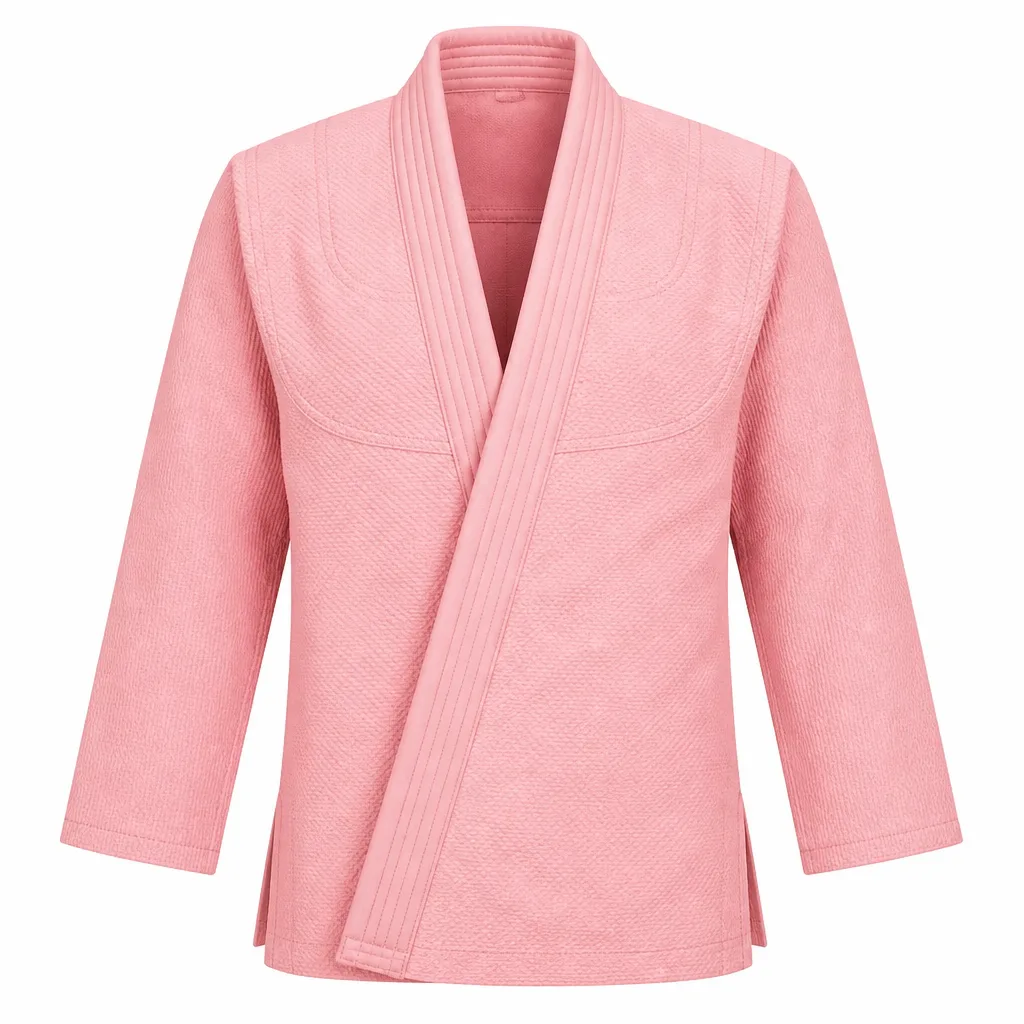
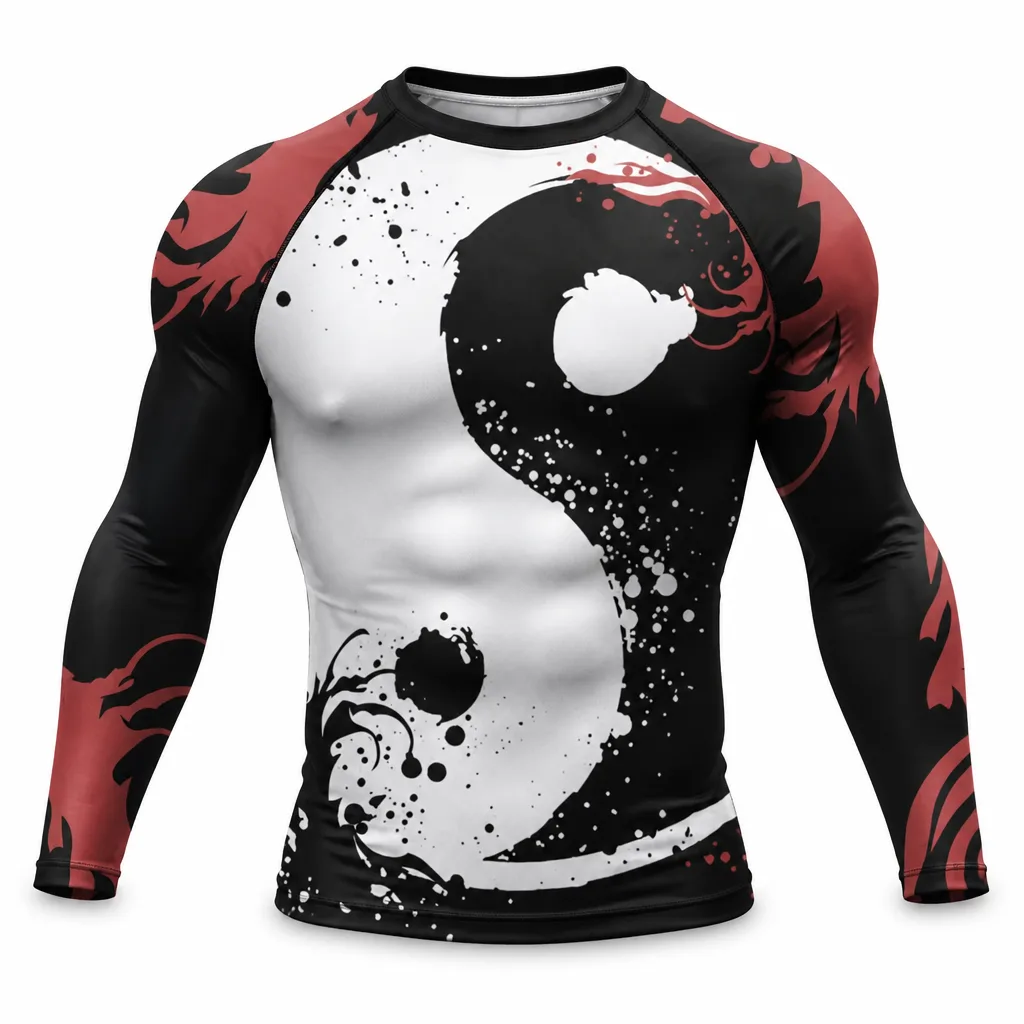
Invest in supportive gear like compression rash guards for better grip retention, or padded grappling dummies for solo work. At Apollo MMA, find everything from Venum gis to Hayabusa shorts built for restraint battles.Mental Edge
Anticipate escapes. Read their hips—if they load a bridge, you're already countering. Pros like the Mendes brothers excel here through reps.Troubleshooting Common Issues
| Issue | Cause | Fix |
|-------|-------|-----|
| Losing mount | Narrow base | Widen knees, low hips |
| Side control escape | Weak underhook | Deepen grip, shoulder pressure |
| Knee-on-belly fatigue | Poor foot base | Point toes, engage core |
| Overbooking | Too many grips | Simplify to 2-3 controls |
Final Thoughts: Restraint Leads to Victory
Master these, and you'll turn defense into dominance across BJJ, MMA, wrestling, and beyond. Consistency is key—drill daily, gear up properly, and watch your control skyrocket. Head to Apollo MMA for premium rash guards, gis, and training tools to level up your sessions. Stay restrained, stay winning.
---