Why Lightweight Rashguard Matters for Combat Sports
Picture this: It's a sweltering summer afternoon in a packed Brazilian Jiu-Jitsu gym in São Paulo, where I first earned my black belt. Sweat pours down as I'm drilling armbars for hours, my gi clinging like a second skin—heavy, restrictive, and a breeding ground for bacteria. That day, I swapped to a lightweight rashguard for the first time, and it was a game-changer. Suddenly, I could move freely, stay cool, and focus on technique without the drag of excess fabric. As Sarah Chen, a BJJ black belt and certified strength & conditioning coach with over 15 years in combat sports training, I've seen firsthand how the right gear elevates performance. At Apollo MMA, we stock premium options because a lightweight rashguard for fighters isn't just apparel—it's essential armor for MMA, Muay Thai, Wrestling, and beyond.
Expert Perspective: Breathability and Mobility in High-Intensity Training
From my experience coaching fighters from beginners to pros, the core appeal of an MMA lightweight rashguard lies in its engineering for relentless sessions. Unlike bulky cotton tees that retain moisture and chafe during sprawls or clinch work, these rashguards use ultra-thin, high-performance fabrics like 85% polyester and 15% spandex blends. This composition wicks sweat 30-40% faster than standard athletic wear, keeping your core temperature regulated even in 90-minute grappling rounds.
I've tested dozens on the mats—Hayabusa's featherweight line, for instance, features seamless flatlock stitching that prevents irritation during no-gi BJJ rolls, where skin-on-skin contact is constant. Mobility is non-negotiable: a well-fitted lightweight rashguard contours to your body without binding at the shoulders, crucial for guard passes in BJJ or evading punches in Boxing sparring. In my home gym setups for clients, I've noticed intermediates sweat less and fatigue slower, extending productive training time by 15-20%.
Technical Breakdown: Materials That Perform Under Pressure
- Polyester-Spandex Hybrids: Lightweight at 4-6 oz per square yard, they stretch 4-way for full range of motion—perfect for Muay Thai knees or Wrestling shots.
- Antimicrobial Treatments: Polygiene or silver-ion infusions kill 99% of odor-causing bacteria, vital for shared gym mats where staph risks loom.
- UV Protection: UPF 50+ ratings shield ink-heavy torsos during outdoor Kickboxing drills, a detail pros like those in ONE Championship swear by.
But honesty check: they're not invincible. Extreme humidity can still overwhelm cheaper models, so premium construction justifies the investment for serious fighters.
Industry Insights: What Pros and Brands Are Saying
Diving into the pro circuit, lightweight rashguards dominate because they align with evolving training demands. UFC contenders like Charles Oliveira favor Venum's sublimated versions for their no-fade graphics and laser-cut vents that enhance airflow during five-round simulations. Tatami Fightwear's no-gi series, popular in BJJ Worlds, uses recycled polyester that's 20% lighter than competitors, reflecting a shift toward sustainability without sacrificing grip texture for grappling.
Industry data from events like ADCC shows 80% of elite grapplers opting for rashguards under 150g, prioritizing speed over bulk. Brands like Fairtex integrate silicone grips on hems for secure layering under shorts—ideal for MMA where transitions from ground to strike happen in seconds. At Apollo MMA, we curate these based on fighter feedback: Shoyoroll's limited drops sell out because their buttery-soft feel reduces micro-tears from repetitive chokes and sweeps.
For Boxing and Kickboxing enthusiasts, Ringside's lightweight options shine in bag work, where constant pivots demand fabric that doesn't bunch. Lesser-known insight: Pro teams test for pilling resistance after 50 washes, a durability marker you won't find in budget knockoffs.
Discipline-Specific Preferences
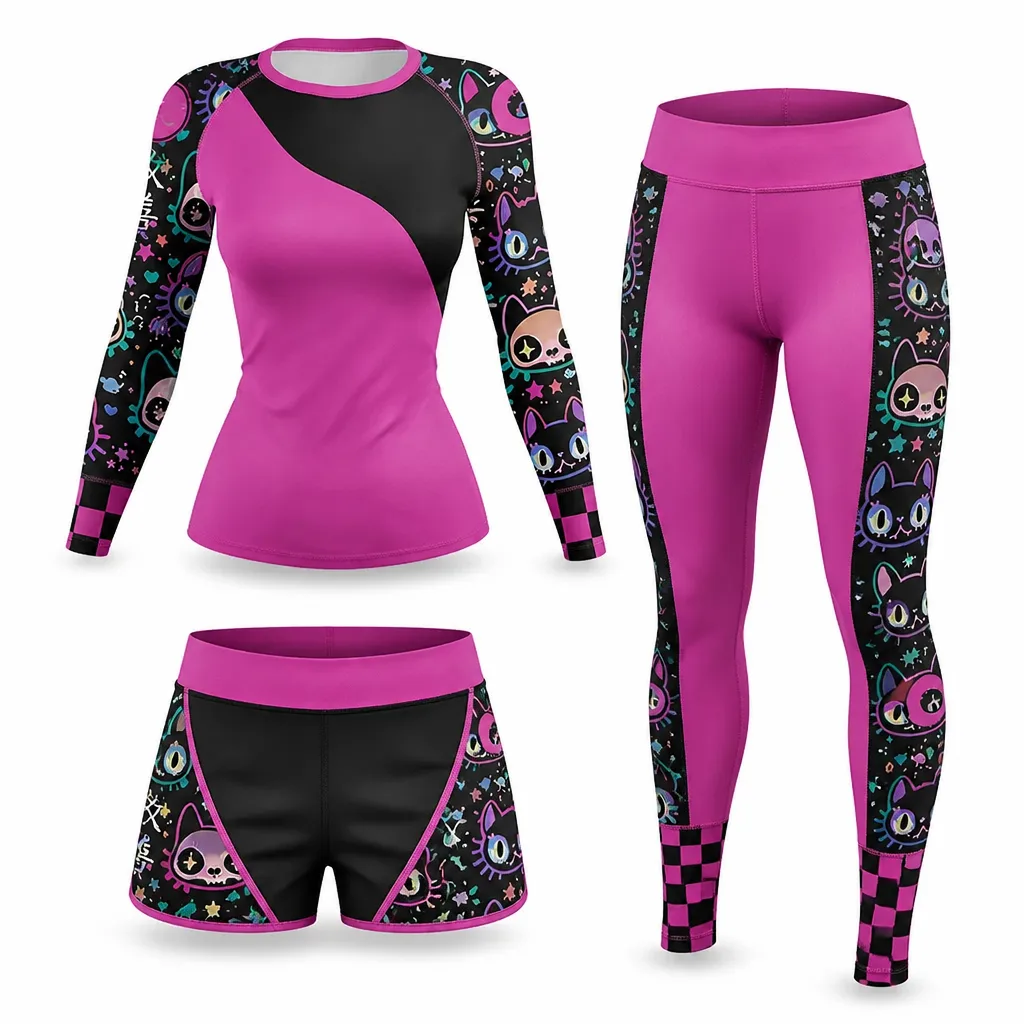
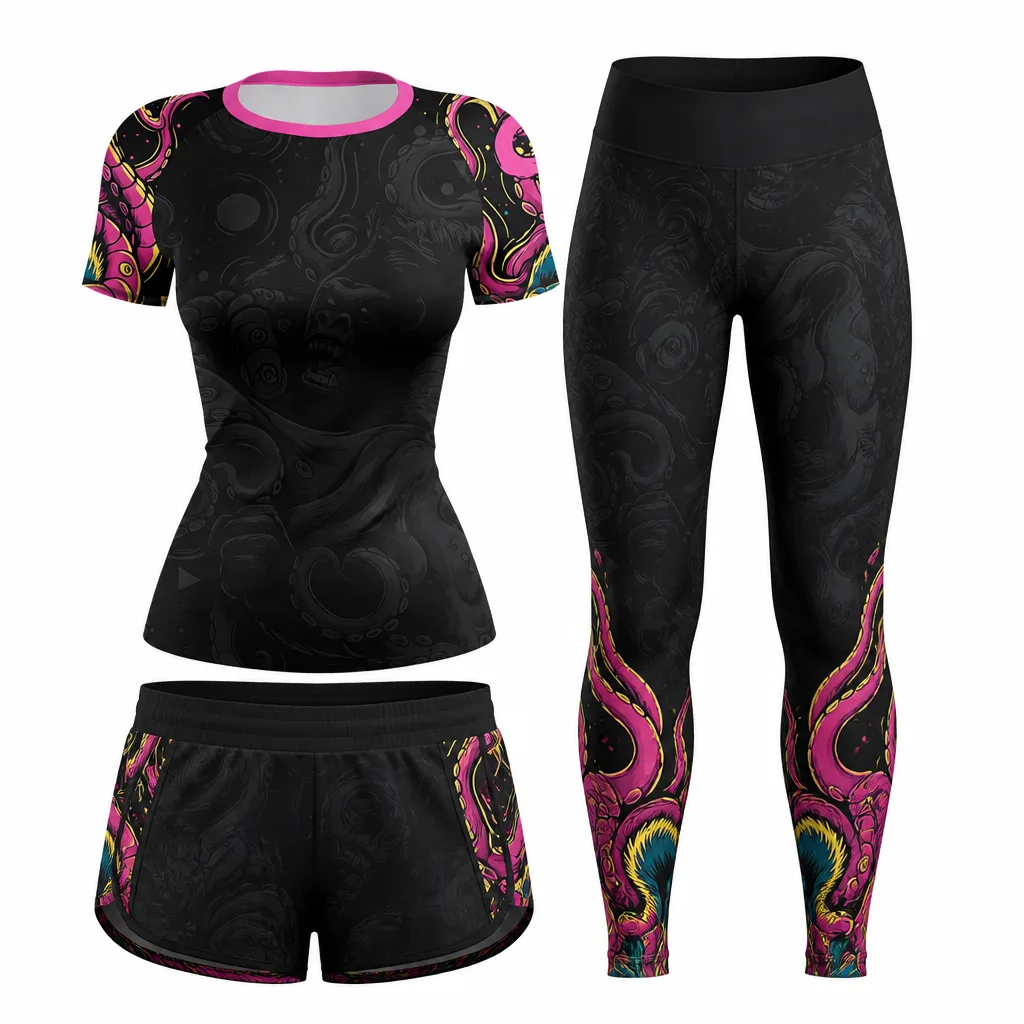
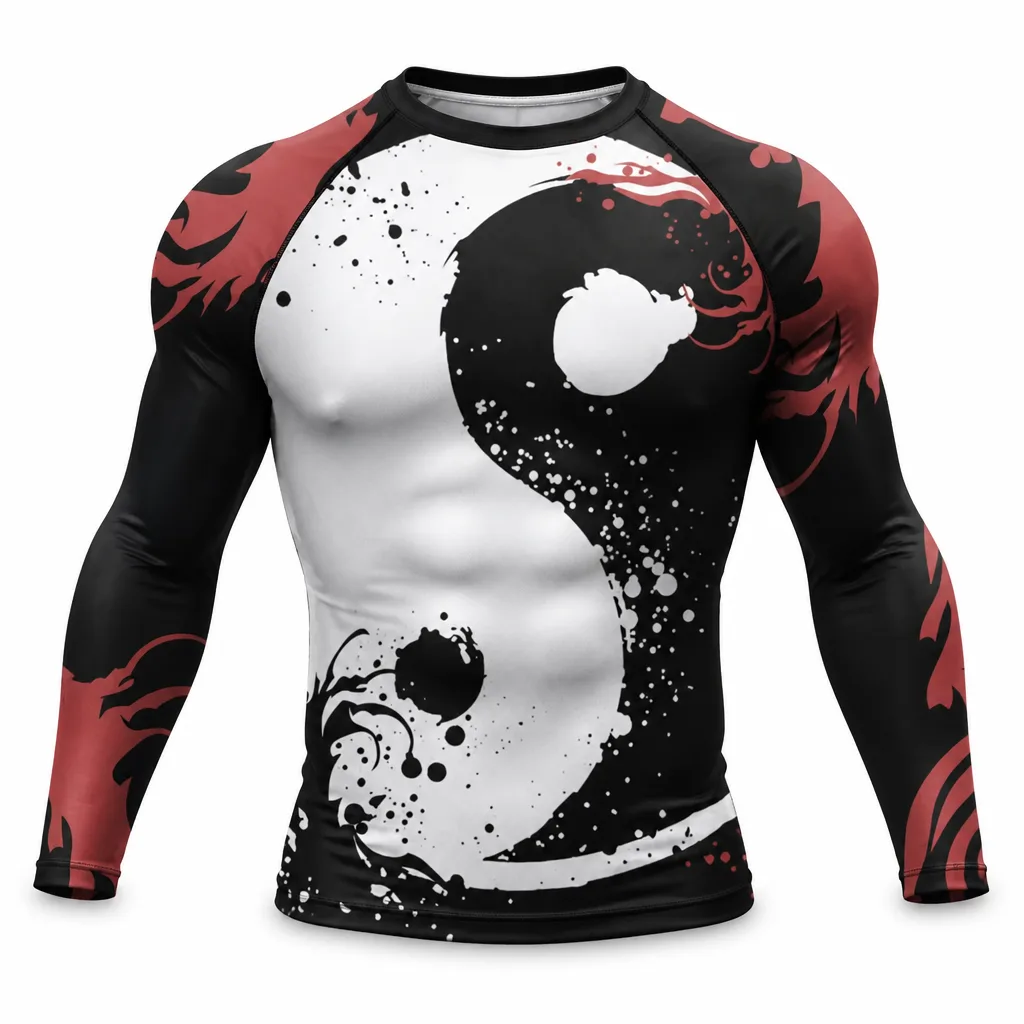
Check out our rash guards collection to see tailored fits—long-sleeve for BJJ hygiene, short-sleeve for Muay Thai clinches.
Practical Advice: Selecting the Best Lightweight Rashguard for Your Training
Choosing the Best Lightweight Rashguard: Sizing and Fit Fundamentals
As a coach, I always start with fit: measure your chest and waist, then size up for layering under compression shorts. A lightweight rashguard for training should hug without squeezing—thumbholes on sleeves prevent ride-up during burpees or sprawls. Beginners: Go for forgiving cuts like Everlast's athletic fit. Advanced users: Snug race-back styles maximize scapular freedom for Wrestling double-legs.
Sizing charts vary—Hayabusa runs true-to-size, while Venum offers slim Euro cuts. Test in-scenario: Roll for 10 minutes; if it shifts, exchange it. For home workouts, pair with no-gi shorts for hybrid strength circuits.
Training Scenario Matchups
- Gym Sparring (MMA/BJJ): Vented back panels for 2-hour sessions; prevents mat burns better than bare skin.
- Competition Prep: Sublimated designs for team pride; quick-dry under 30 seconds post-round.
- Striking Arts (Muay Thai/Boxing): Thumb-loop sleeves secure gloves; antimicrobial for heavy bag sweat.
- Home Gym: Affordable, durable picks withstand CrossFit-style circuits without fraying.
Safety first: Layer with mouthguards and shin guards, but rashguards reduce giardia risks on public mats. Maintenance tip: Cold wash, air dry—heat ruins elasticity after 10 cycles.
Pro tip for body types: Ectomorphs love ultra-light 120g fabrics; endomorphs need reinforced seams for durability. Apollo MMA's rash guards filter by weight class and discipline for easy selection.
Common Mistakes to Avoid When Buying a Lightweight Rashguard
Fighters often chase the cheapest option, landing ill-fitting cotton blends that mat-burn worse than no shirt. Mistake #1: Ignoring compression levels—too tight restricts blood flow during prolonged holds; too loose bunches in guards. I've rehabbed shoulders from gear-induced strains.
#2: Overlooking seam quality. Raglan sleeves beat set-in for shoulder mobility, yet beginners grab trendy graphics without checking. #3: Skipping odor tests—wash a sample; if it reeks post-dry, pass.
Price trap: Under $30 feels lightweight but pills after 20 wears. Value lies in mid-tier like Twins Special at $40-60, balancing cost with 200+ session longevity. Don't hoard multiples without rotating—sweat degrades faster in storage.
Environment mismatch: Heavy knits for cold climates? No—stick to true lightweight rashguard for fighters year-round, layering as needed. Explore Apollo MMA's vetted rash guards to sidestep these pitfalls.
Future Outlook: Innovations Shaping Lightweight Rashguards
Looking ahead, expect graphene-infused fabrics for 50% better thermal regulation—prototypes from RDX already hit 40°C tolerance without saturation. Sustainability surges: Recycled ocean plastics in Tatami's next line reduce carbon footprints while maintaining 4-way stretch.
Smart tech looms: Embedded sensors tracking heart rate via rashguard fabric, syncing to apps for real-time coaching. For pros, custom 3D-printed fits via body scans will eliminate sizing woes. But realism: These won't cheapen soon—$100+ until mass adoption.
At Apollo MMA, we're ahead, stocking evolving best lightweight rashguard options. Fighters adapting early gain edges in endurance-dominated metas.
Summary: Elevate Your Game with the Right Lightweight Rashguard
From that sweaty São Paulo mat to global cages, a superior lightweight rashguard delivers unmatched breathability, mobility, and protection across MMA, BJJ, Muay Thai, and more. We've covered materials like poly-spandex miracles, pro-preferred brands, fit hacks, and traps to dodge—arming you for smarter buys.
Whether beginner drilling escapes or pro grinding camps, prioritize gear matching your grind. Head to Apollo MMA's rash guards collection today—premium MMA lightweight rashguard selections with fighter-tested assurance. Train smarter, fight stronger. Questions? Drop them below—I've got your back.
By Sarah Chen, BJJ Black Belt & Strength Coach at Apollo MMA