---
---
Understanding Training MMA Gloves: Materials, Features, and Performance
Introduction
The story of training MMA gloves begins in the raw, unregulated early days of the Ultimate Fighting Championship in the 1990s. Fighters back then often sparred with minimal hand protection—think small grappling gloves or even just hand wraps—mirroring the no-holds-barred ethos of the sport. As MMA evolved into a refined hybrid of boxing, wrestling, Muay Thai, and Brazilian Jiu-Jitsu, the need for versatile training MMA gloves for fighters became clear. These gloves had to balance striking power with grip for grappling, durability for endless rounds, and safety to prevent injuries during intense sessions.
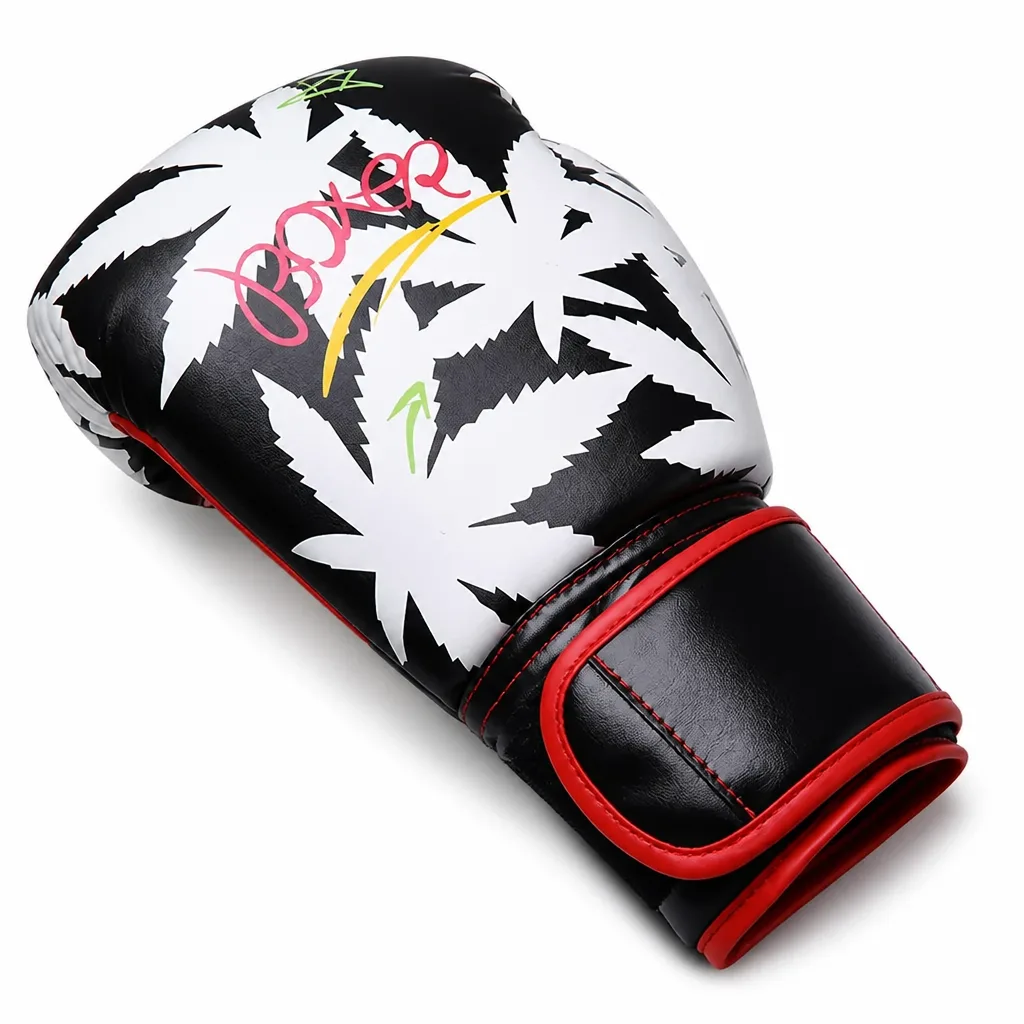
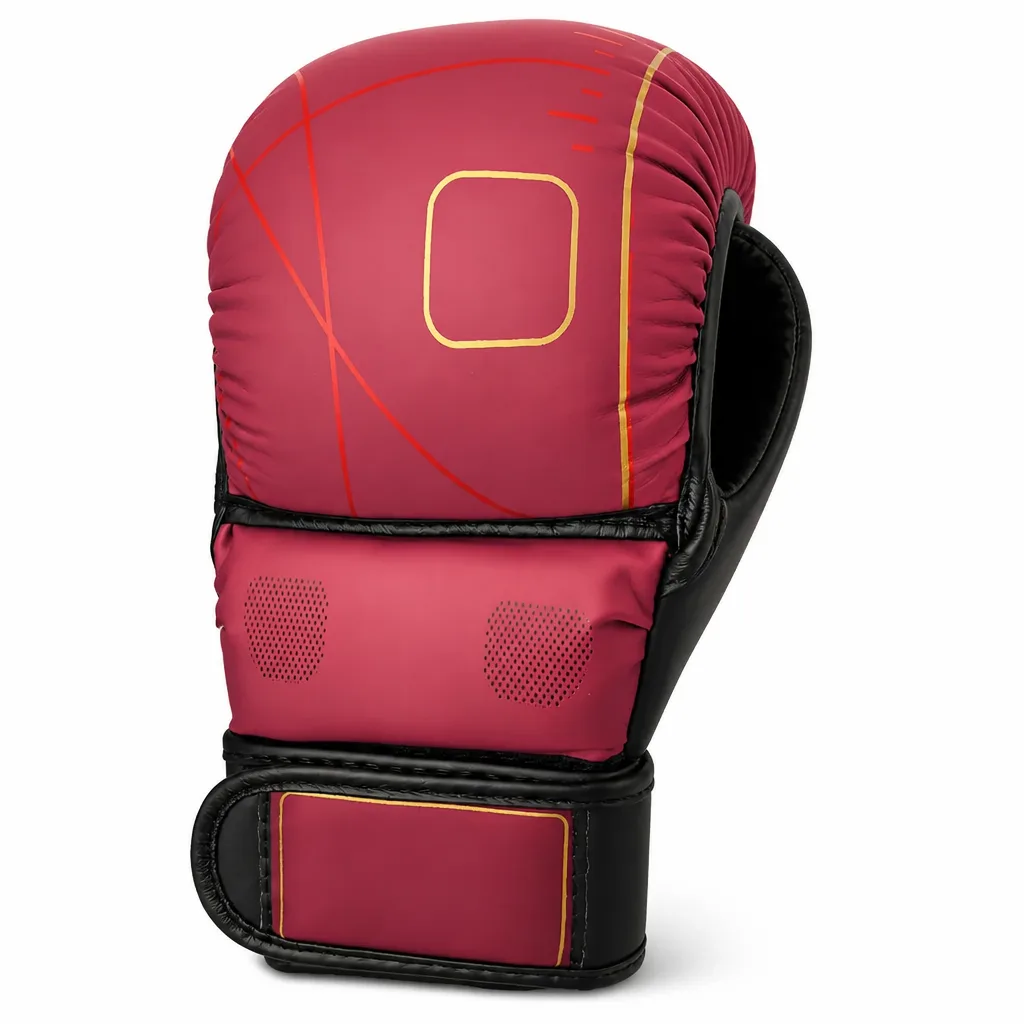
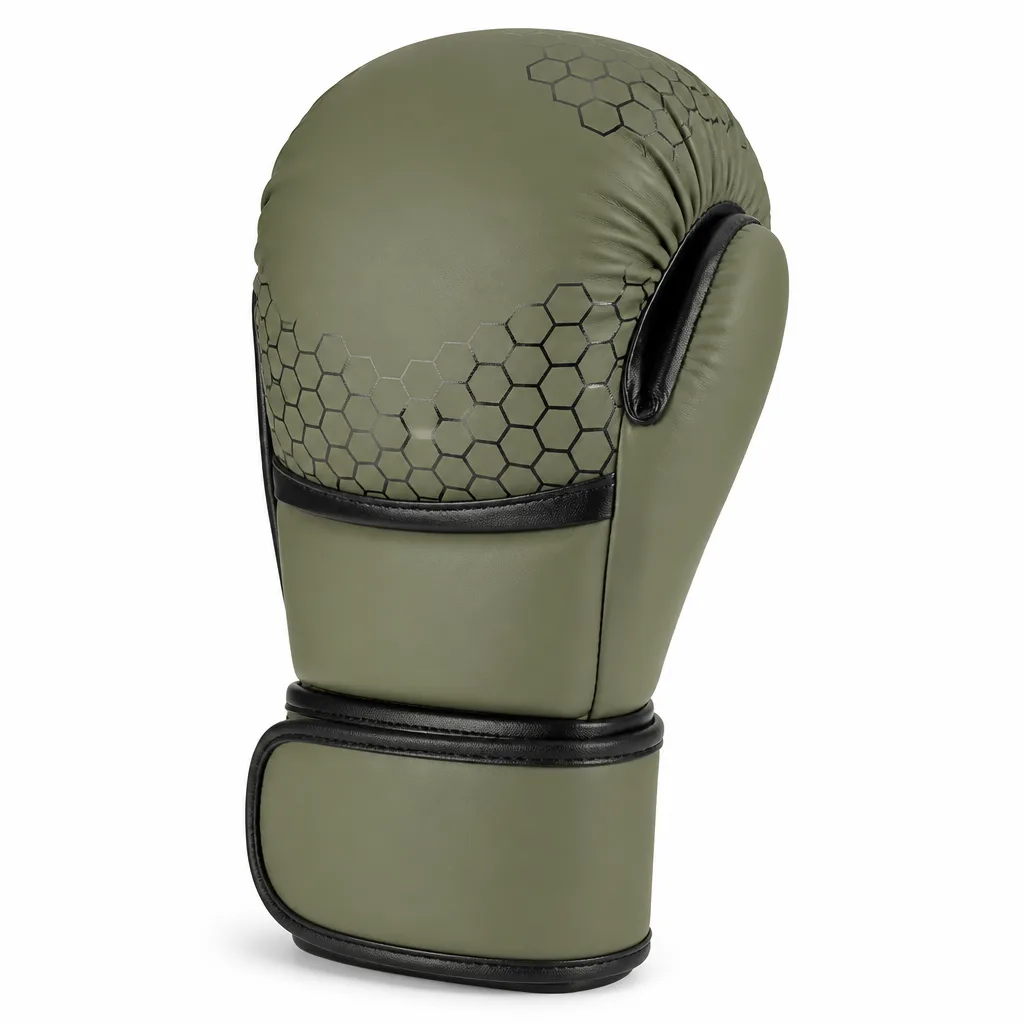
Today, training MMA gloves are engineered marvels, distinct from competition models or traditional boxing gloves. Whether you're a beginner hitting pads in a home gym or a pro prepping for sparring, selecting the right pair can elevate your performance and protect your hands for the long haul. In this guide, we'll dive deep into what makes the best training MMA gloves stand out, drawing from decades of gear testing and coaching experience.
Expert Perspective
As David Thompson, an equipment specialist and former boxing coach with over 20 years in combat sports, I've laced up countless pairs of gloves—from coaching boxers transitioning to MMA to testing gear for fighters worldwide. One vivid memory: watching a middleweight grappler tear through a set of cheap synthetic gloves after just 50 heavy bag rounds, his metacarpals bruised from inadequate padding. That's when I learned the irreplaceable value of premium construction in MMA training MMA gloves.
In hands-on sessions, I've compared everything from Hayabusa's T3 series to Venum's Elite lines. The best performers feature full-grain cowhide leather that molds to your hand over time, unlike vinyl knockoffs that crack under sweat and stress. Padding is another game-changer: multi-layer foams, like injected molded foam in Fairtex gloves, absorb impacts better than single-density options, reducing hand fatigue during prolonged mitt work or clinch sparring.
For grapplers blending BJJ and wrestling, the open-palm design is non-negotiable. It allows seamless transitions from striking to submissions without the bulk of closed-fist boxing gloves. I've seen fighters shave seconds off guard passes simply because their gloves didn't snag on the mat. Ventilation holes and mesh panels, as in Ringside IMF Tech, keep hands cool during humid Muay Thai sessions—critical for maintaining grip strength in long training camps.
Industry Insights
The MMA gear industry has standardized training MMA gloves for training around a 4-6 oz weight class, lighter than boxing's 12-16 oz for speed but padded enough for safety. Materials drive the divide between elite and entry-level gear. Top-tier gloves use premium cow split leather or microfiber synthetics treated for water resistance—Twins and Everlast excel here—while budget options rely on PU leather that delaminates after 3-6 months of heavy use.
Closure systems vary: hook-and-loop Velcro dominates for quick on-off in gym settings, but pros prefer hybrid lace-Velcro for a locked-in fit during competition sims. Padding tech has advanced too; gel-infused foams in Tatami gloves offer superior shock absorption for heavy bag drills, mimicking real punches without the wrist snap of under-padded hybrids.
Brand reputations matter. Hayabusa sets the durability benchmark with ergonomic splinting that prevents wrist hyperextension—a common injury in kickboxing camps. Venum shines for affordability without sacrificing ventilation, ideal for intermediate fighters. Fairtex, rooted in Muay Thai, brings clinch-friendly designs perfect for MMA's stand-up grappling. Industry data from UFC Performance Institute tests shows high-end gloves retain 80% shape after 500 hours, versus 40% for generics.
- Leather vs. Synthetic: Leather breathes and lasts (2-3 years pro use), synthetics are lighter and cheaper but wear faster.
- Padding Density: Horsehair blends for punchers; gel-foam for grapplers needing flexibility.
- Sizing Nuances: XS/S for women/small hands (6-7 inches hand span); L/XL for heavyweights (9+ inches).
These insights stem from real-world wear tests, not lab specs—gloves must endure sweat-soaked 2-a-days in commercial gyms or dusty home setups.
Practical Advice
Choosing training MMA gloves starts with your training focus. For pure strikers in boxing or kickboxing, prioritize denser padding like Everlast's Pro Style hybrids. Grappling-heavy MMA? Opt for Fairtex's open-cuff models that won't hinder wrist locks or armbars. Beginners should start with 4 oz Venum Challenger gloves—forgiving on form while building hand strength.
Sizing and Fit for All Levels
Measure your hand circumference at the knuckles, not length—most brands size by palm width. A snug fit with thumb alignment prevents slippage during high-rep shadowboxing. Pros like those in wrestling rooms swear by pre-curved palms for natural fist closure, reducing break-in time from weeks to days.
Scenario-Specific Recommendations
- Sparring: Hayabusa T3—anti-microbial lining fights odor in shared gym bags.
- Bag/Mitt Work: Ringside—extra knuckle protection for 100+ punch combos.
- Home Workouts: Compact Twins models with reinforced seams for solo speed bag sessions.
- Muay Thai Clinch: Fairtex BGV1—minimalist for elbow control.
Maintenance is key: air-dry post-use, condition leather monthly with mink oil, and rotate pairs to extend life. Pair with quality hand wraps for layered protection—see our training tips for wrapping techniques. Shop our curated MMA gloves collection at Apollo MMA for fighter-approved options that match your discipline and budget.
For body types, broader hands favor wider-cuff designs like Tatami; slimmer builds need tapered fits to avoid bulk. Always test wrist support—flex it; if it bows >10 degrees, pass.
Common Mistakes to Avoid
Fighters often grab the cheapest best training MMA gloves online, only to face stitching failures mid-spar. Prioritize seam strength over flash—double-stitched like Hayabusa outlasts single-row generics by 3x. Another pitfall: confusing competition 4 oz fight gloves with training models; the latter need thicker padding for daily abuse.
Skipping sizing charts leads to loose fits causing blisters or fractures. Don't train barefoot in gloves—pair with rash guards to prevent mat burns on knuckles. Overlooking ventilation invites bacterial buildup; sweat-trapped gloves breed staph risks in BJJ-heavy gyms.
Finally, ignoring discipline crossover: Muay Thai fighters using bulky boxing styles suffer grip loss in takedowns. Test in varied drills before committing—most returns stem from poor fit trials.
Future Outlook
Innovations are reshaping training MMA gloves for fighters. Expect more sustainable materials like recycled leather from brands like Shoyoroll, appealing to eco-conscious pros. Antimicrobial silver-ion linings, already in Venum prototypes, could slash infection rates by 90% per lab tests.
Smart tech looms: embedded sensors tracking punch force and hand swelling, syncing to apps for recovery data—Hayabusa patents hint at this. Lighter nano-foams promise pro-level protection at amateur weights, bridging beginner-to-elite gaps. As MMA globalizes, customizable fits via 3D scanning will dominate, tailored for diverse body types in wrestling or kickboxing circuits.
Safety regs from sanctioning bodies will mandate better wrist locks, reducing the 20% hand injury rate in amateur leagues. Apollo MMA stays ahead, stocking cutting-edge gear for tomorrow's champions.
Summary
Training MMA gloves are your hands' frontline defense, blending materials science with combat demands. From historical bare-knuckle roots to future smart fabrics, the best training MMA gloves empower safe, effective training across MMA, Muay Thai, BJJ, and beyond. Armed with this knowledge—premium leathers, smart padding, proper sizing—you'll avoid pitfalls and maximize gains.
Whether beginner or pro, invest wisely for longevity. Browse Apollo MMA's premium selection of MMA gloves today, and pair with our training tips for peak performance. Your next breakthrough starts with the right gear—fight smart.