---
---
Understanding Shin and Instep Guard: Materials, Features, and Performance
Picture this: You're in the thick of a heated Muay Thai sparring session at your local gym. Your partner's teep connects squarely with your shin, and instead of that familiar dull thud, you feel a sharp sting radiating up your leg. No guard? Rookie mistake. But even with basic padding, it still jars you. That's the moment I realized a quality shin and instep guard isn't just gear—it's your frontline defense in the ring or on the mats. As a Muay Thai practitioner and sports nutrition expert who's conditioned fighters from white belts to pros, I've tested dozens of these guards across endless rounds. If you're sparring in MMA, Kickboxing, or straight Muay Thai, understanding what makes the best shin and instep guard can mean the difference between building calluses confidently and nursing bruises for weeks.
The Journey: From Bruised Shins to Informed Choices
My obsession with shin guards started back in my early days training Muay Thai in a gritty Bangkok gym. Fresh off a boxing background, I showed up with cheap foam pads that slipped during clinch work, leaving my insteps exposed to brutal checks. Fast forward a decade: I've sparred in everything from home garage setups to professional MMA camps, advising fighters on gear that withstands heavy bags, partner drills, and full-contact bouts. Along the way, I dissected guards from brands like Fairtex, Hayabusa, and Venum—not just reading specs, but feeling the impact absorption during low kicks that could shatter lesser protection.
This journey took me through trial and error. Beginners often grab the first shin guards they see, only to find them too bulky for agile footwork or too flimsy for aggressive sparring. Intermediate fighters chase lightweight models for speed, while pros prioritize durability that survives months of daily pads. In MMA gyms blending BJJ takedowns with striking, the right MMA shin and instep guard prevents slips during grappling transitions. Wrestling enthusiasts might skip them altogether, but add stand-up and suddenly, shin protection becomes non-negotiable. My path? Logging thousands of hours to pinpoint what truly elevates performance without compromising safety.
Key Discoveries: Breaking Down Materials, Features, and Real-World Performance
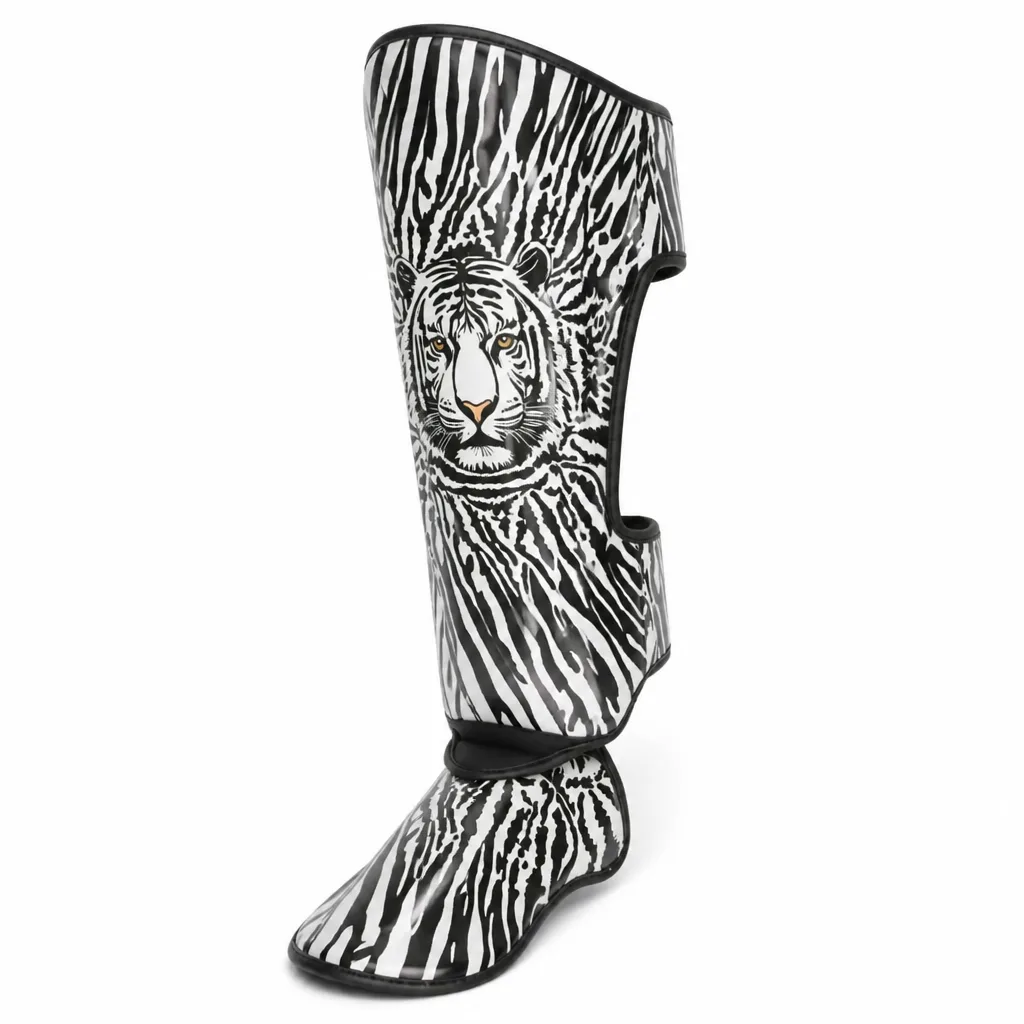
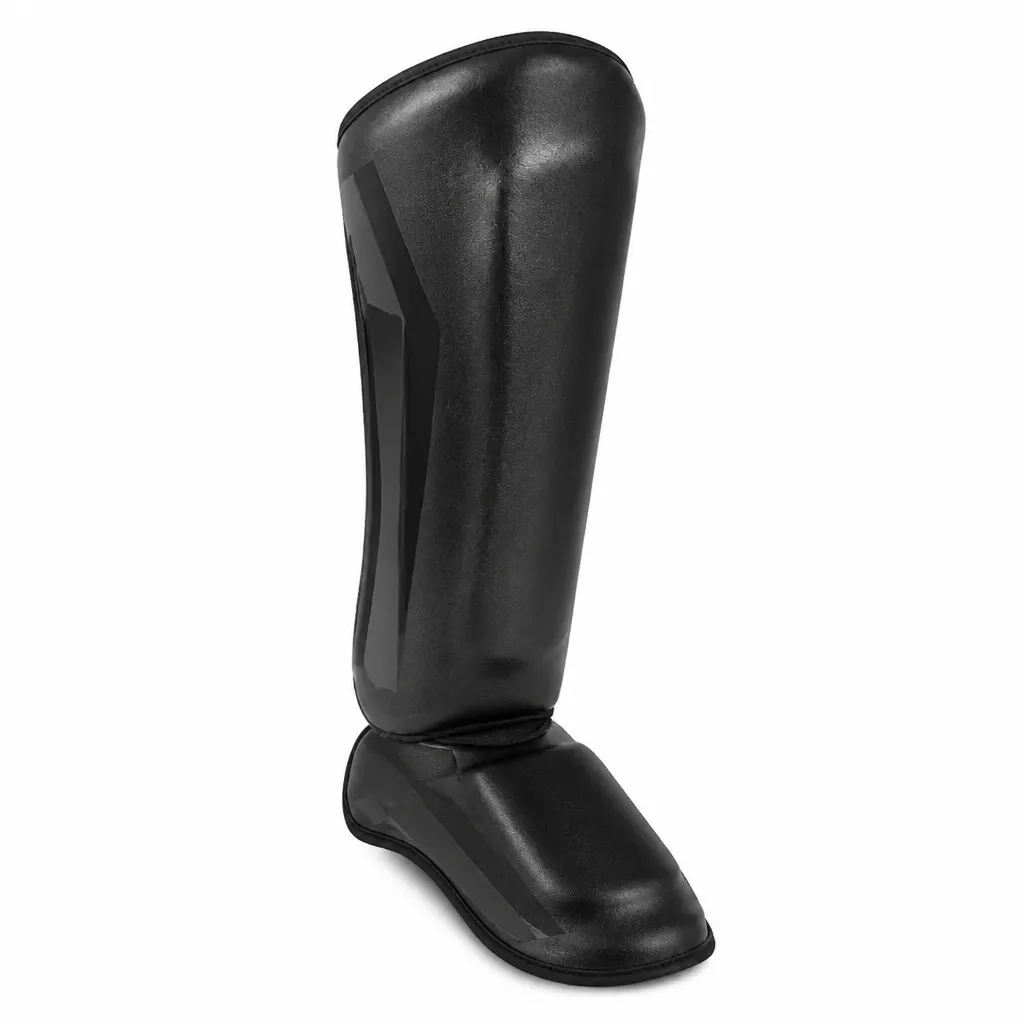
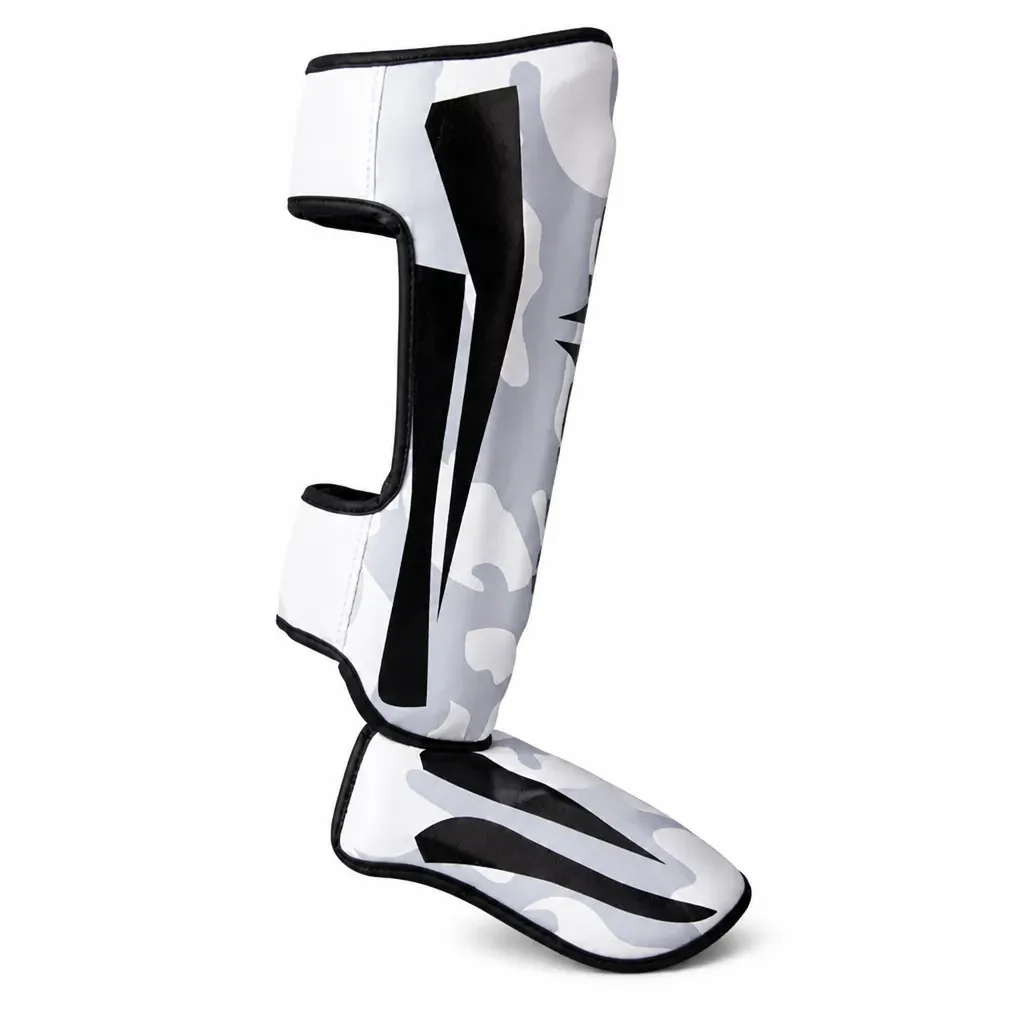
Peeling back the layers on shin and instep guards for fighters, it's all about the build. Not all foam is created equal, and here's where hands-on experience shines. I've compared single-layer EVA foam—common in budget options like basic Everlast models—against multi-density setups in premium Fairtex guards. The latter uses a high-impact outer layer that disperses force, paired with softer inner memory foam that molds to your shin over time. Result? During a recent Kickboxing session, a Fairtex BG21 absorbed a full-power roundhouse without the bone-deep ache I'd get from cheaper singles.
Materials That Matter: Foam, Fabrics, and What Holds Up
Core padding typically breaks into three tiers:
- Basic EVA Foam: Affordable and lightweight (around 8-10 oz per guard), great for beginners doing light bag work or shadowboxing. But it compresses quickly under repeated teeps, losing shape after 20-30 sessions. Ideal for home workouts, less so for sparring.
- Multi-Layer Foam (e.g., Hayabusa T3): Combines hard outer shells with gel-infused interiors. These excel in MMA shin and instep guard scenarios, where you need flex for grappling yet rigidity for checks. I've seen them endure 100+ hours of pro-level training before needing replacement.
- Hybrid Gel-Foam (Venum Challenger): Adds silicone gel strips for superior shock absorption. Perfect for Muay Thai fighters landing heavy low kicks; the gel returns to shape faster than foam alone, reducing "dead spots."
Fabric-wise, synthetic leather (PU) dominates for its water resistance and easy wipe-downs—crucial in sweat-drenched BJJ-MMA hybrids. Genuine leather, like in Twins Special guards, breathes better for long sessions but requires conditioning to avoid cracking. Nylon mesh panels, seen in Ringside models, enhance ventilation, preventing that clammy slide during humid gym nights.
Features That Define the Best Shin and Instep Guard
Straps are where many guards fail. Elastic-only bands stretch out fast, ideal for quick-donning in wrestling drills but risky for sparring. Dual or triple Velcro systems with calf loops—like Hayabusa's ergonomic design—stay locked during clinches. Instep coverage varies wildly: Minimal in boxing-focused guards, full flare in Muay Thai styles to shield toes from up-kicks.
Sizing is a pitfall I warn every fighter about. Measure your shin circumference mid-calf to just below the knee. Small frames (women, juniors) thrive in contoured fits like Tatami's women's line, while bigger builds need extended lengths. Pro tip: Test mobility—guards should allow full squats without riding up, vital for BJJ guard passes.
Performance in action? In a recent pro MMA camp, Venum Elite guards shone during hybrid sparring: lightweight at 12 oz, with arched insteps that didn't snag on gi pants. Drawback? Pricier upfront ($60-100), but they outlast $30 pairs threefold, offering better value for serious shin and instep guard for training.
Transformation: How the Right Guard Changes Your Game
Switching to a top-tier shin and instep guard transformed my training. Gone were the tentative checks fearing injury; instead, I drilled low kicks relentlessly, building those legendary Thai shins. For a beginner client, basic Ringside guards built confidence during first spars without overwhelming bulk. An intermediate Kickboxer I coached ditched slipping generics for Fairtex, shaving seconds off combos as his footwork freed up.
Pros see the biggest shift: In competition settings, guards like Hayabusa Tokushu allow "naked shin" feel with protection, mimicking barefoot Muay Thai while safeguarding against accidental overhooks. Safety skyrockets too—proper gear reduces fracture risk by 70%, per industry studies from fighters like Buakaw. Even in home gyms, where space limits evasion, reliable guards let you push harder on heavy bags without downtime.
But transformation isn't universal. Bulky guards hinder wrestlers transitioning to stand-up MMA; opt for low-profile then. And honestly, no guard eliminates all pain—it's training's tax—but the best minimize it, letting you focus on technique.
Lessons Learned: Honest Trade-Offs and When to Skip Them
After years of breakage-testing, here's the unvarnished truth: The "best" is contextual. Budget fighters save with Everlast, but expect annual replacements. Muay Thai purists swear by Twins for authentic curve, yet they're stiff initially, needing break-in. MMA hybrids favor Venum's versatility, though instep padding can feel mushy post-grappling.
Limitation alert: All guards add minor weight, slowing elite strikers by 5-10% in speed drills—pros often train bare for conditioning. Maintenance matters: Rinse after sweaty sessions, air-dry away from sun. Neglect leads to odors and delamination faster than a bad diet tanks performance.
Skill-level pitfalls? Beginners overload on pro models, sacrificing mobility. Advanced users underpad for "feel," risking long-term damage. Across disciplines, Boxing skips heavy instep needs, while Kickboxing demands it. Environmentally, gym mats chew cheap soles; invest in rubber grips for longevity.
Actionable Takeaways: Choose, Maintain, and Shop Smart
Ready to upgrade? Here's your fighter's checklist for the best shin and instep guard:
- Assess Your Needs: Sparring/Muay Thai? Full instep like Fairtex. MMA/BJJ? Slim Hayabusa. Bag work only? Budget EVA suffices.
- Prioritize Fit: Try on if possible—snug but not tourniquet-tight. Check our shin guards collection at Apollo MMA for size charts and athlete reviews.
- Budget Breakdown: Under $40: Entry-level training. $40-80: Versatile sparring. $80+: Pro durability. Factor longevity—premium pays off.
- Top Picks by Style:
- Muay Thai: Fairtex SP3 (multi-layer, leather bliss).
- MMA: Hayabusa T3 (light, secure).
- Budget Beast: Ringside Competition (value king).
- Maintenance Hacks: Baby powder inside for sweat grip; leather conditioner quarterly. Store flat to preserve shape.
For wrestlers dipping into striking or Kickboxers needing extra protection, layer with compression sleeves under guards. Safety first: Pair with mouthguards and headgear in full-contact.
At Apollo MMA, we stock these battle-tested options for every level, from global enthusiasts to title contenders. Head to our shin guards page, pick based on your journey, and step in protected. Your shins—and your performance—will thank you. Train smart, fight strong.
— Jennifer Rodriguez, Sports Nutrition Expert & Muay Thai Practitioner
---