The Art of Choosing Training Gi for MMA
Introduction
Have you ever stepped onto the mats for an MMA grappling session only to find your gi bunching up, restricting your guard passes, or tearing at the seams after a few intense rolls? Selecting the right training gi for MMA isn't just about grabbing the cheapest option—it's a critical decision that impacts your performance, safety, and longevity in training. As David Thompson, with over 20 years as an equipment specialist and former boxing coach, I've tested hundreds of gis across gyms, home setups, and pro camps. In this guide, we'll break down everything you need to know to choose the best training gi that suits your MMA needs, whether you're drilling BJJ techniques or simulating cage fights.
Background and History
The gi traces its roots to Judo in early 20th-century Japan, where Kano Jigoro designed a sturdy uniform to withstand throws and grips. Brazilian Jiu-Jitsu masters like the Gracies adapted it for ground fighting, evolving the training gi into the heavyweight staple we know today. In MMA, the gi entered the picture through fighters like Royce Gracie at UFC 1, blending stand-up striking with gi-controlled grappling.
Fast-forward to modern MMA training: while no-gi is king for cage simulation, gi work builds grip strength, posture control, and transitions essential for wrestlers and grapplers in MMA. I've seen pros like Georges St-Pierre incorporate gi sessions to sharpen their top control, proving its enduring value. Understanding this history helps you appreciate why a quality MMA training gi prioritizes durability over flash—it's built for the grind, not the spotlight.
Key Concepts in Selecting a Training Gi
At its core, a training gi for fighters must balance weight, weave type, fit, and reinforcements. Weight classes range from lightweight A1 (350gsm) for speed drills to ultra-heavy A5 (650gsm+), with A2-A3 (450-550gsm) as the sweet spot for most MMA practitioners. Weave matters too: pearl weave offers breathability for humid gyms, while gold weave provides a slicker feel for faster escapes—ideal for no-gi transitions.
Fit is non-negotiable. A proper gi allows full range of motion for guard retention without excess fabric that opponents can weaponize. Safety features like padded collars prevent neck chafing during prolonged clinches, a detail I've emphasized in my gear testing for Muay Thai and Wrestling cross-training. Finally, IBJJF compliance ensures tournament versatility, but for pure MMA training gi for training, prioritize reinforcement over strict sizing.
- GSM (Grams per Square Meter): Measures fabric density—higher means tougher but hotter.
- Weave Types: Pearl (balanced), Gold (slippery), Honeycomb (durable yet light).
- Reinforcements: Double-layered knees, reinforced cuffs to survive grips and reaps.
Detailed Analysis: Breaking Down the Components
Jacket Construction and Materials
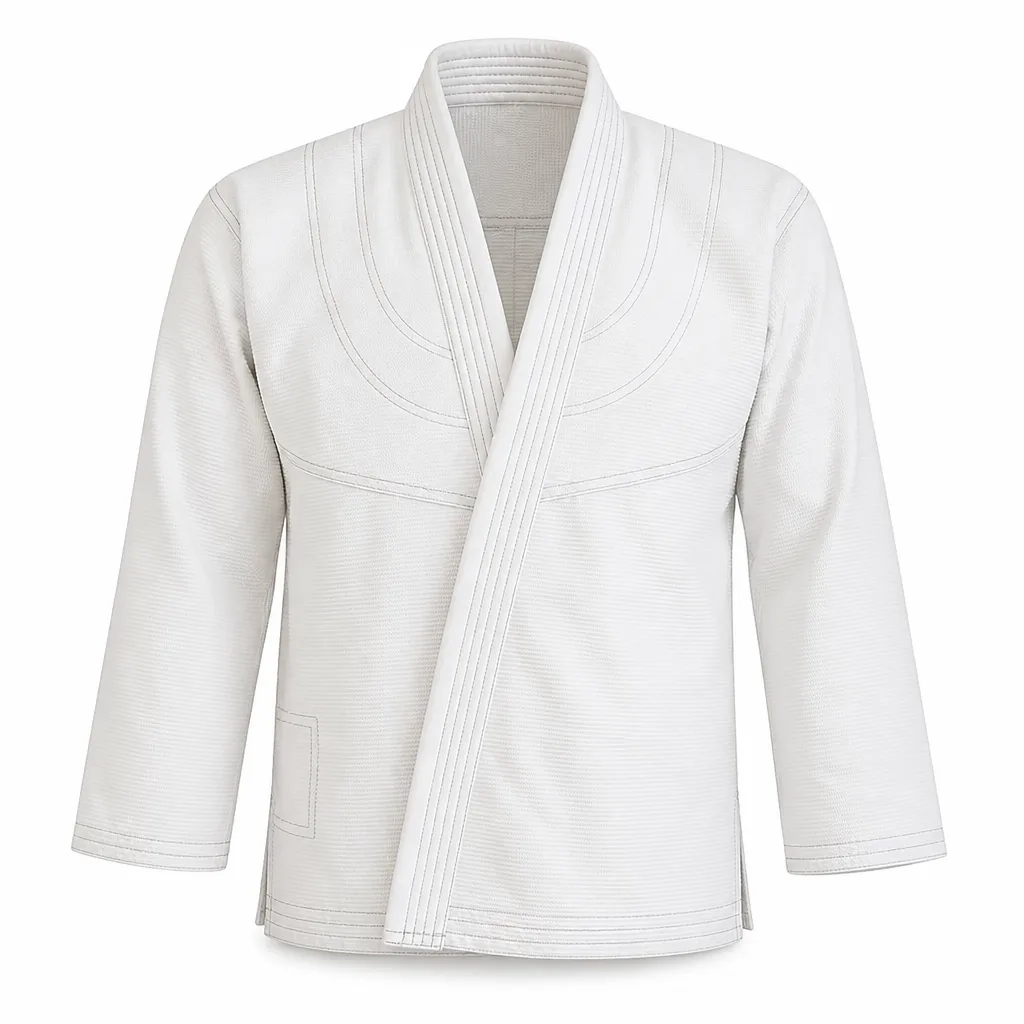
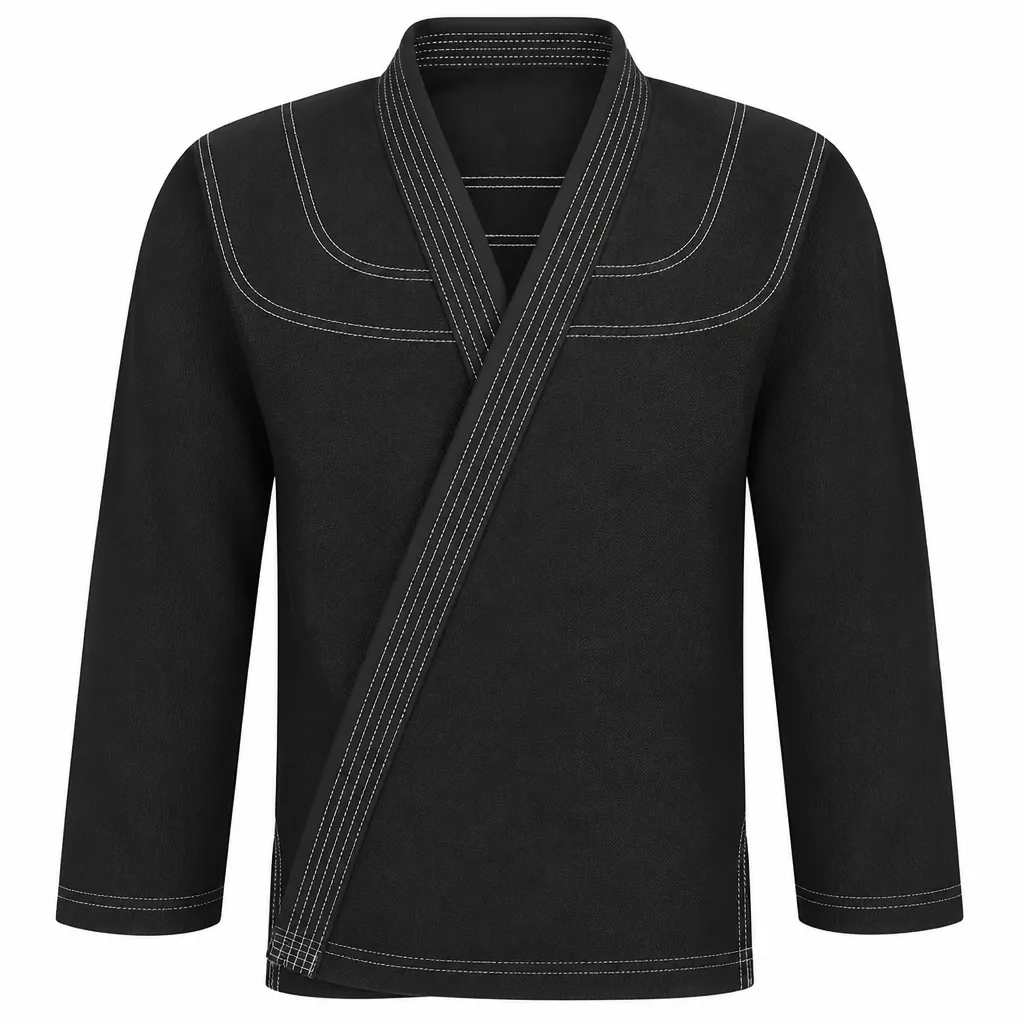
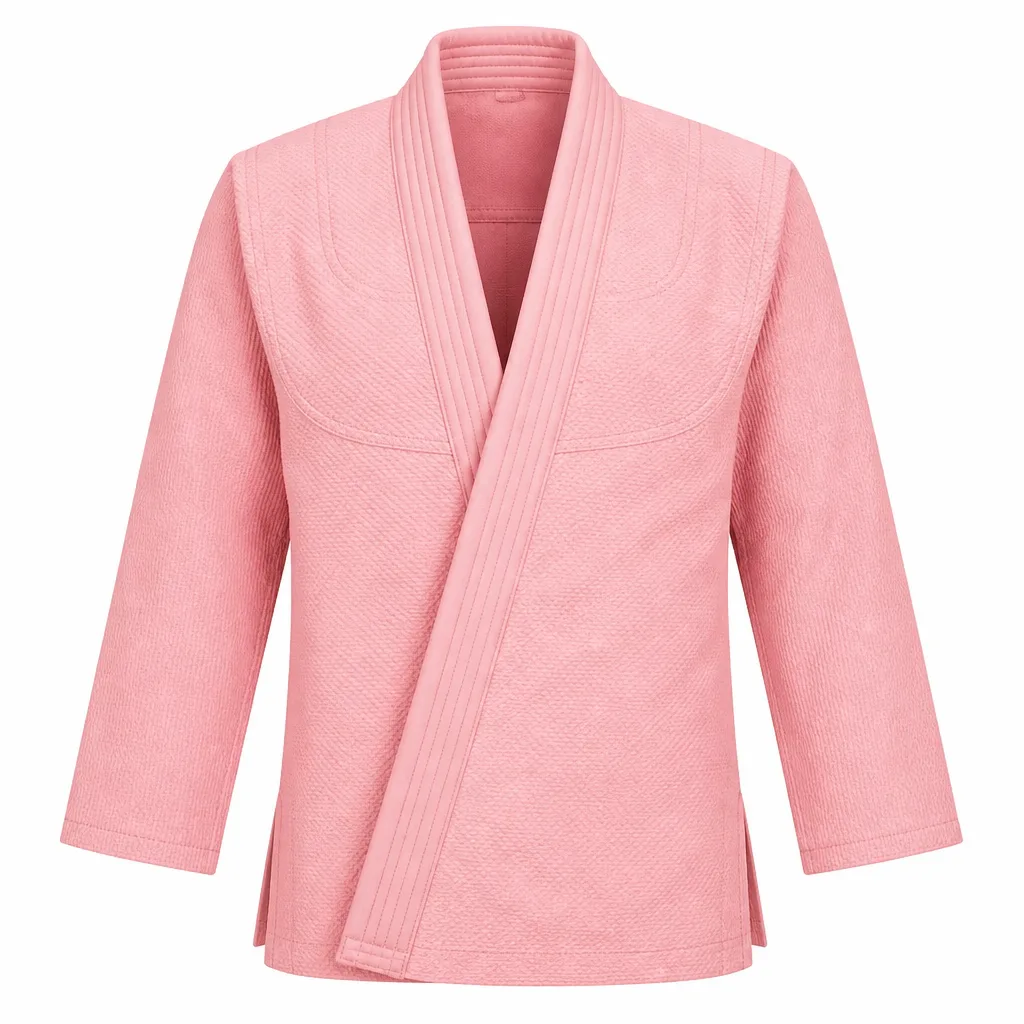
The jacket is the gi's workhorse, enduring chokes, arm drags, and sprawls. Premium training gis use 100% cotton ripstop or bamboo blends for moisture-wicking—crucial in sweaty MMA sessions blending BJJ sweeps with Kickboxing knees. Brands like Hayabusa employ 450gsm pearl weave with taped seams, resisting tears I've witnessed in budget gis after 50 rolls.
Observe the collar: a rubberized or PVC-lined one stays flat under grips, unlike cheap foam that bunches and causes mat burns. In my experience outfitting intermediate fighters, a well-padded collar reduces shoulder strain during americana drills, a common MMA positional sparring move.
Pants: Durability and Mobility
Pants take the brunt of knee rides and guard passes. Look for triple-stitched seams and knee padding—Venum's models shine here with CORDURA reinforcements that hold up to 200+ training hours. Avoid ultra-light pants for heavy sparring; they split under wrestling shots, a pitfall for beginners transitioning from Boxing bags to live rolls.
Sizing tip: MMA fighters with longer legs prefer drawstring waists over elastic for secure fit during takedown defenses. I've tested this in home gyms where mobility trumps aesthetics—loose ankles snag less on opponents' heels.
Sizing Charts and Fit Nuances
Standard sizes (A0-A5) correlate to height and weight, but MMA builds vary. A 6'2" welterweight might need an A3 tall for arm length, ensuring sleeve grips don't ride up during clinch work. Always cross-reference brand charts; Tatami's run snug, while Shoyoroll offers roomier cuts for muscular frames.
Pro insight: Wash new gis in hot water pre-use to pre-shrink 10-15%, preventing mid-session wardrobe malfunctions. This lesser-known step, born from my decades of gear prep, saves frustration in commercial gyms.
Durability, Maintenance, and Longevity
A top best training gi lasts 1-2 years with weekly use if maintained right. Air-dry to preserve weave integrity—machine drying fades colors and weakens fibers. For odor control in high-volume training, add white vinegar to washes; it's a trick pros swear by for back-to-back sessions.
Trade-offs: Premium gis like Fairtex cost $150+, but their 550gsm construction outlives $50 knockoffs by 3x. Honestly, if you're a casual enthusiast, mid-tier suffices—saving budget for rash guards or training tips implementation.
Practical Applications Across Training Scenarios
Gym and Sparring Sessions
In commercial gyms mixing MMA, BJJ, and Wrestling, opt for mid-weight A2 gis. They handle partner drills without overheating during 5-round simulations. I've coached fighters using Ringside gis for Muay Thai clinch-to-ground flows, where reinforced pants prevented rips from knee strikes.
Home Workouts and Solo Drills
For home setups, lightweight A1 gis promote fluidity in shadow grappling or dummy work. Breathable fabrics suit solo sessions, but pair with quality mats to avoid slips—safety first for self-taught enthusiasts.
Competition Prep and Pro Camps
Advanced fighters prepping for MMA bouts favor heavy A4 gis to build grip endurance, mimicking worst-case gi scenarios. Twins Special gis excel here, with their battle-tested toughness from Thai camps. Integrate with shin guards for full sparring realism.
Skill-level breakdown:
- Beginners: Affordable, forgiving fits like Everlast A2 for learning basics.
- Intermediate: Balanced Hayabusa for technique refinement.
- Pros: Custom-heavy like Tatami Element for peak conditioning.
For cross-discipline athletes, a versatile gi supports Boxing footwork drills in gi or Kickboxing teeps from guard. Always check for IBJJF specs if competing in BJJ tourneys alongside MMA fights.
Expert Recommendations from Apollo MMA
After rigorous testing, here are my top picks from Apollo MMA's collection—tailored for real-world MMA demands:
- Best Overall Training Gi: Hayabusa Performance – 450gsm pearl weave, antimicrobial collar. Excels in humid gyms; $160 value holds for 300+ hours. Ideal for all levels.
- Best for Durability: Venum Elite – Reinforced everywhere, gold weave for slick guards. Pros love it for wrestling-heavy MMA; minor con: initial stiffness shrinks out.
- Best Budget: Ringside Competition – Solid A2 at $90, great for beginners building grip without breaking bank.
- Premium Pick: Tatami Nova Absolute – Bamboo blend for elite moisture control, perfect for long pro camps.
- Lightweight Option: Fairtex Training – For speed drills and home use; pairs seamlessly with no-gi shorts.
Shop our full MMA training gi lineup at Apollo MMA—free shipping on orders over $100. Pair with hand wraps for comprehensive gear kits. For more on integrating gear into routines, check our training tips.
Common Pitfalls to Avoid
Don't chase hype—Instagram flex gis often lack reinforcements. Skip synthetic blends; they melt under friction. And size up if you're between categories, especially for broader shoulders common in MMA strikers.
Conclusion
Choosing the right training gi for MMA elevates your game, from sharper transitions to injury prevention. Weigh your training style, environment, and budget against proven materials and construction—then invest confidently. At Apollo MMA, we're committed to equipping fighters worldwide with gear that performs when it counts.
Ready to upgrade? Browse our premium selection today and feel the difference in your next session. Questions on fit or maintenance? Drop a comment below—we're here to help build champions.
By David Thompson, Equipment Specialist & Former Boxing Coach | Apollo MMA