No Gi Vs Gi Bjj: A Comprehensive Comparison
Picture this: It's my third month diving into Brazilian Jiu-Jitsu after years of grinding Muay Thai elbows and knees in the Apollo MMA ring. I step onto the mat for my first gi class, the crisp white BJJ gi from Tatami feeling heavy and unfamiliar, like wearing a straightjacket made of cotton. Sweat starts pooling under the collar almost immediately. Fast forward a week, and I'm rolling no-gi in a lightweight Venum rash guard and grappling shorts—suddenly, everything feels faster, slicker, more chaotic. That contrast sparked my deep dive into no gi vs gi BJJ, especially as an MMA conditioner who trains fighters blending Muay Thai clinches with ground work. If you're wrestling with the same dilemma—for gym sessions, comps, or MMA crossover—this guide breaks it down with hard-earned insights.
The Journey: From Muay Thai Striker to Ground Game Explorer
My path into BJJ mirrored so many fighters I coach at Apollo MMA: starting with striking arts like Muay Thai and Kickboxing, where gear like Fairtex shin guards and Twins gloves dominate. But as I prepped clients for MMA cages, grappling became non-negotiable. I committed to twice-weekly BJJ sessions, alternating gi and no-gi to test the waters. Beginners often ask, "Which should I start with?" My advice? Both, but sequenced right.
Gi training kicked off with the structure of traditional BJJ. The gi—typically 100% cotton pearl weave fabric in single (450gsm), double (550gsm), or gold weave (350gsm for lighter pros)—forces deliberate grips on collars, cuffs, and lapels. In my first rolls, I felt the drag: slower scrambles, emphasis on leverage over athleticism. Perfect for home gyms or commercial dojos where space is tight, but it humbled my striker explosiveness.
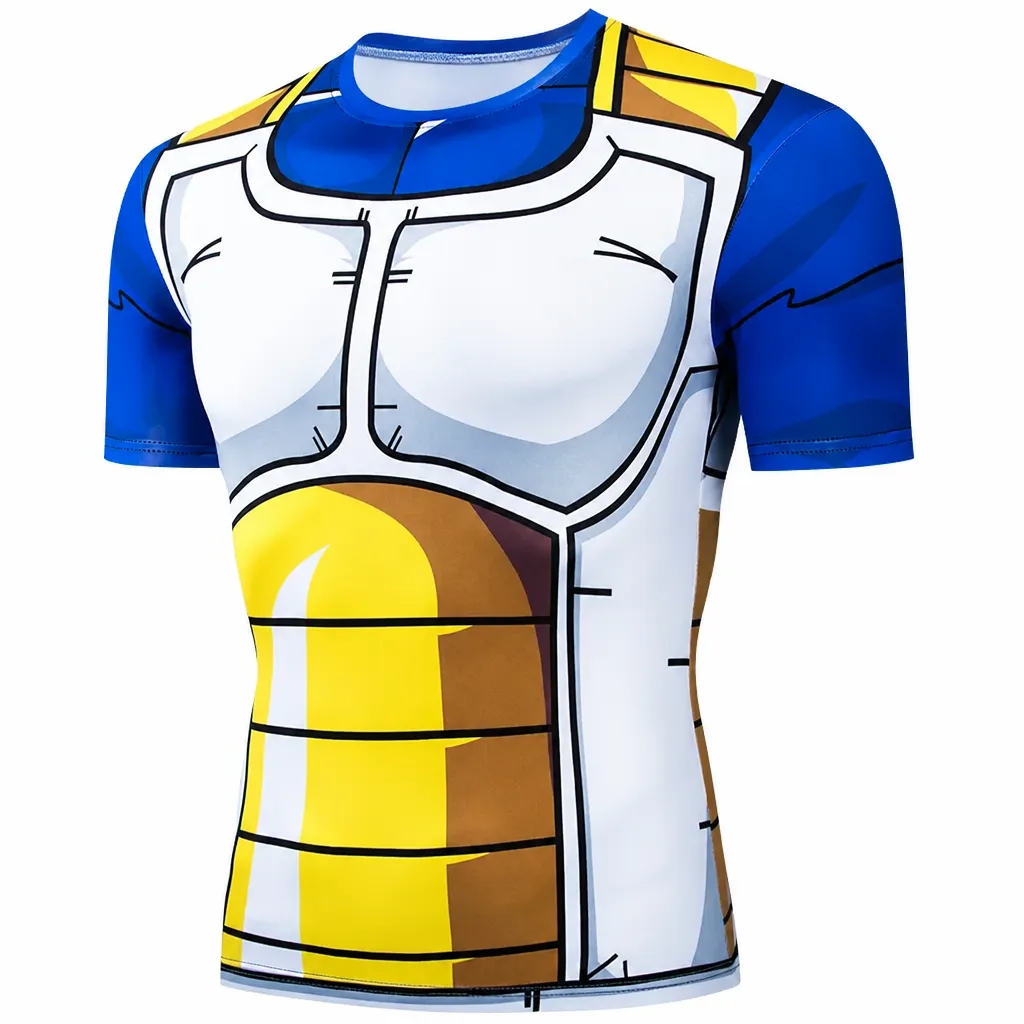
No-gi flipped the script overnight. Ditching the gi for compression spats, board shorts, or fight shorts (think Hayabusa's Wick fabric for moisture-wicking polyester-spandex blends), the pace exploded. Slides, speed, and underhooks ruled. For MMA no gi vs gi BJJ, this felt like home—mirroring cage grappling where opponents wear minimal gear. Over six months, I logged 200+ hours, sparring intermediates and pros, noting how no-gi sharpened transitions for my Muay Thai clinch escapes.
Training Scenarios That Shaped My Perspective
- Gym Drills: Gi for technique clinics—de la Riva guards stick like glue on pearl weave.
- Sparring Sessions: No-gi for live resistance, mimicking Wrestling takedown chains.
- Competition Prep: I entered a local tourney alternating formats, feeling gi's grip fatigue in my forearms by round three.
- Home Workouts: No-gi shines for solo drills; less laundry, quicker dry times on synthetic rash guards.
This journey revealed no gi vs gi BJJ for training isn't binary—it's about stacking them for well-rounded growth.
Key Discoveries: Techniques, Pace, and Gear Breakdown
Peeling back the layers, the differences run deeper than fabric. Gi BJJ emphasizes control through cloth grips, building what pros call "old-school" patience. Techniques like collar chokes (bow-and-arrow) or worm guards rely on the gi's friction—impossible without it. Fabric durability matters here: A cheap 350gsm gi tears at the seams during aggressive grips, while Shoyoroll's gold weave holds up to 500+ washes.
No-gi shifts to body locks, speed, and wrestling influences. Head-and-arm throws, guillotines, and leg entanglements dominate. Without grips, athleticism surges—expect 20-30% faster scrambles. For fighters, this translates directly to MMA: think Khabib's chain wrestling sans gi friction. But here's the trade-off I discovered firsthand: sweat turns no-gi into a slip-n-slide. Quality gear mitigates this.
Gear Head-to-Head: What Wears What and Why
Let's talk equipment with the precision Apollo MMA demands. I've tested dozens, from beginner kits to pro stacks.
| Aspect | Gi BJJ | No-Gi BJJ |
|---|---|---|
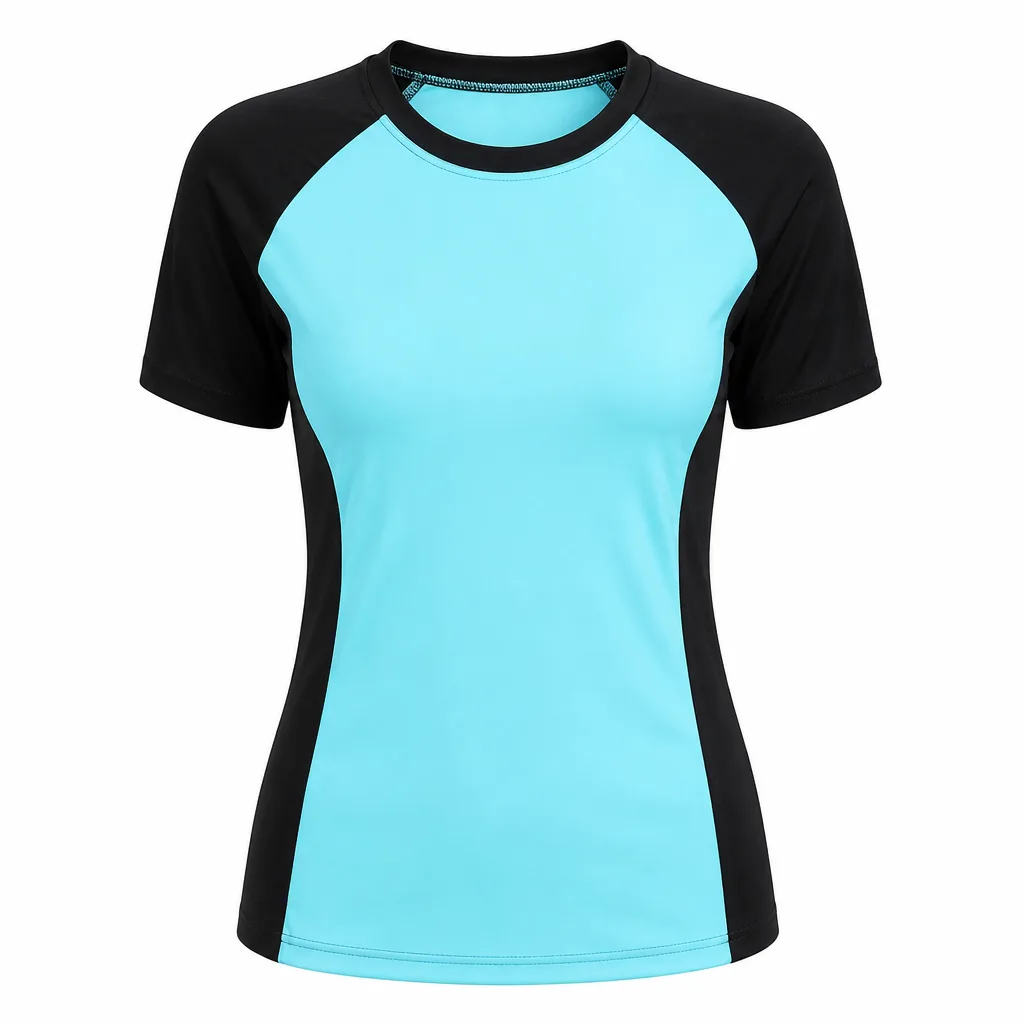
| Core Gear | Full gi (jacket, pants, belt); 450-550gsm pearl weave for durability | Rash guards, spats/shorts; 80/20 polyester-spandex for compression |
| Durability | High tear resistance but shrinks 5-10% if not pre-washed; Tatami Elements lasts 2x longer | Stretch holds after 100 washes; Venum's sublimated prints fade minimally |
| Cost | $100-250; value in longevity for frequent training | $50-150; quicker replacement but less maintenance |
| Safety | Gi burns possible from friction; padded collars reduce neck rash | Skin-to-skin risks staph; long-sleeve rash guards essential |
For no gi vs gi BJJ for fighters, MMA folks lean no-gi. The gear's minimalism—no billowing fabric snags on gloves or fences—enhances performance. But gi builds grip strength crucial for Muay Thai clinches. Sizing tip: Gi pants run long for taller frames (A1-A4 scales); no-gi spats should hug quads without riding up during leg locks.
Maintenance wisdom: Wash gis in cold water with athletic detergent to prevent stiffening; air-dry no-gi synthetics to preserve elasticity. Neglect this, and a $200 gi becomes a rag in months.
Transformation: How Switching Styles Evolved My Game
By month six, the shift was profound. Gi drills fortified my base—my Muay Thai sprawls got stickier, countering takedowns like a wrestler. No-gi injected explosiveness; I hit 90% more successful guard passes in sparring. For clients, this meant tailored programs: Striking-heavy MMA fighters prioritize 70/30 no-gi/gi, while pure grapplers reverse it.
Professionals like Gordon Ryan (no-gi king) swear by wrestling shorts for leg drive, while gi aces like Mikey Musumeci exploit fabric for ashi garami traps. My transformation peaked at a local MMA scrimmage: No-gi BJJ escapes saved me from bottom positions, blending seamlessly with shin guard conditioning.
Skill-level pivot: Beginners thrive in gi for slower learning curves; intermediates crush no-gi pace; pros hybridize for ADCC vs IBJJF versatility.
Lessons Learned: Honest Trade-Offs and Realities
Not all rosy—gi training amplifies bad habits like over-relying on grips, which vanish in MMA chaos. No-gi demands superior cardio; I've gassed pros used to gi's pauses. Injury angles: Gi chokes risk trachea compression if collars aren't reinforced; no-gi amplifies mat burns without quality rash guards.
Price-to-value check: Entry-level gis under $80 compromise on stitching, leading to blowouts mid-roll. No-gi shorts without split-scams tear on wide stances. Brand reps hold: Hayabusa for no-gi innovation (hexagon grip palms), Tatami for gi affordability without skimping on reinforcement.
For best no gi vs gi BJJ, context rules. Commercial gyms favor gi for tradition; home setups scream no-gi efficiency. Women fighters note: Gi pants prevent wedgies in butterfly guard; no-gi spats offer better hygiene in sweaty sessions.
Actionable Takeaways: Build Your Hybrid Arsenal
Ready to decide? Here's your roadmap, forged from matside trials.
- Assess Goals: MMA or sub-wrestling? 60% no-gi. Pure BJJ artistry? Gi dominant.
- Gear Up Smart: Start with a versatile BJJ gi (A2 size for 5'8"-6'0") and no-gi stack—rash guard, shorts, spats from our no-gi collection.
- Train Balanced: 2 gi, 3 no-gi sessions weekly for fighters. Track grip fatigue with a journal.
- Safety First: Mouthguards mandatory; disinfect gear post-use. For no-gi, layer with MMA shorts featuring drainage gussets.
- Scale by Level: Beginners: Gi for fundamentals. Pros: Experiment with hybrids like gi-top/no-gi-bottom.
Stock Apollo MMA's shelves with these insights in mind—we curate for durability, like Everlast's reinforced gi pants or Ringside's anti-slip no-gi tights. Fighters worldwide trust us for gear that performs, not just looks good. Dive into no gi vs gi BJJ confidently; your evolved game awaits. Questions? Hit the comments—let's roll.
Written by Jennifer Rodriguez, Sports Nutrition Expert & Muay Thai Practitioner at Apollo MMA. Gear tested in 500+ training hours.
---