How to Choose the Perfect Vintage BJJ Gi for Your Training
Picture this: It's the early 1990s in Brazil, where the Gracie family is revolutionizing martial arts with Brazilian Jiu-Jitsu. Fighters like Royce Gracie step onto the UFC mats wearing classic white judogi-inspired uniforms—simple, durable, and unpretentious. These early vintage BJJ gi weren't about flash; they were battle-tested tools for survival on the ground. Fast forward to today, and that timeless aesthetic has roared back, blending nostalgia with modern performance. If you're hunting for the best vintage BJJ gi to elevate your rolls, you're in the right place. As a BJJ black belt who's logged thousands of hours on the mat—from humid academies in Rio to air-conditioned U.S. gyms—I'll walk you through choosing one that fits your style, body, and training demands.
The Roots of Vintage BJJ Gis: A Quick History Lesson
The story of the vintage BJJ gi traces back to Japanese judo, where the judogi was born in the late 19th century. Jigoro Kano designed it from heavy cotton canvas to withstand throws and grips without tearing. When Mitsuyo Maeda brought judo to Brazil in 1914, the Gracies adapted it for their no-rules street fights, lightening the fabric and tailoring the pants for leg locks.
By the 1980s and '90s, BJJ gis evolved into the pearl weave we know—multiple layers of diamond-stitched cotton for superior durability and grip. Vintage styles pay homage to these origins with faded dyes, minimalist patches, and relaxed cuts. Brands like Shoyoroll pioneered the modern revival in the 2010s, dropping limited-edition runs that sold out in hours. Today, MMA vintage BJJ gi options nod to this heritage, appealing to fighters blending grappling with striking arts like Muay Thai or wrestling.
Why does history matter for your choice? Vintage gis aren't just retro—they perform. That pre-washed, softened cotton molds to your body faster than stiff new models, reducing initial break-in blisters. I've seen beginners quit after one session in a rigid gi; a vintage-inspired one keeps them hooked.
Key Concepts: What Makes a Gi "Vintage"?
Not every old-looking gi qualifies as vintage BJJ gi for training. True vintage captures essence over age—think aesthetic and feel, not necessarily a 30-year-old relic (which might shred on first guard pass). Here's what defines them:
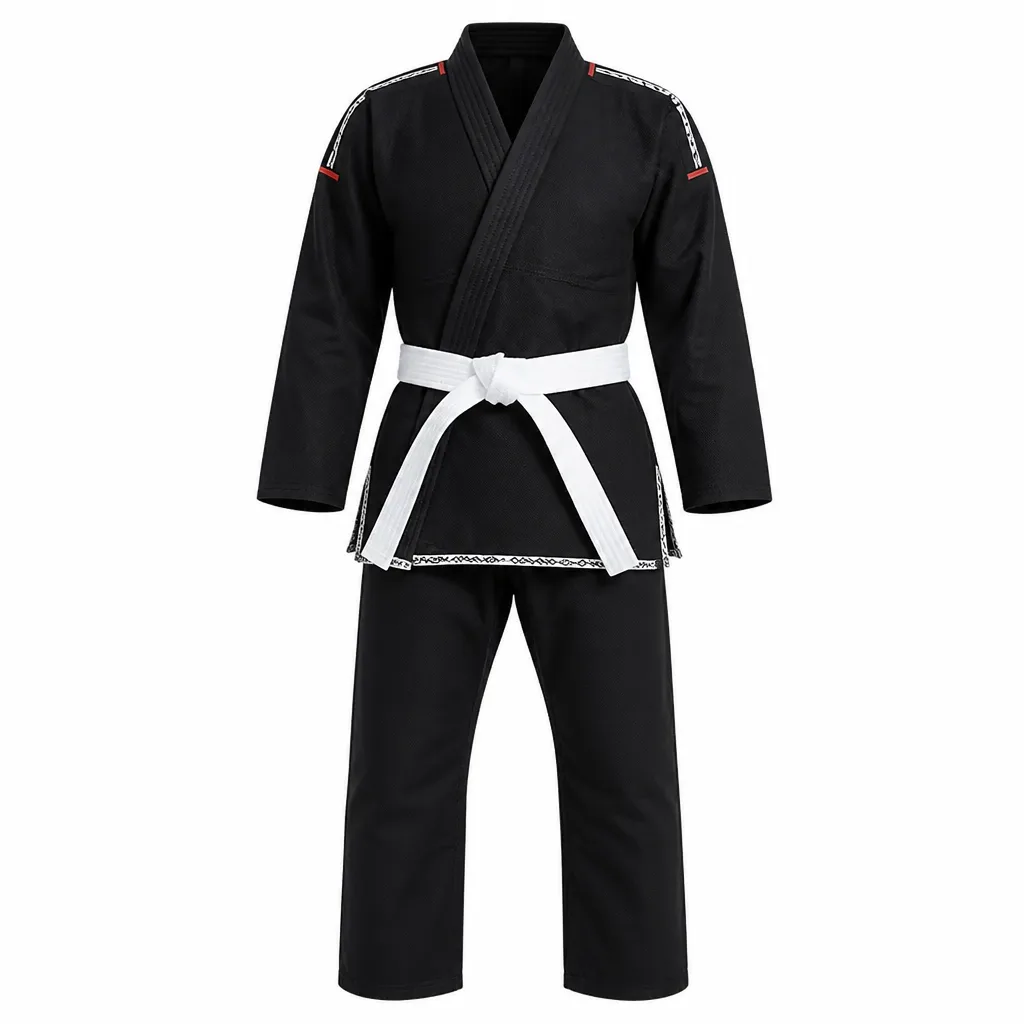
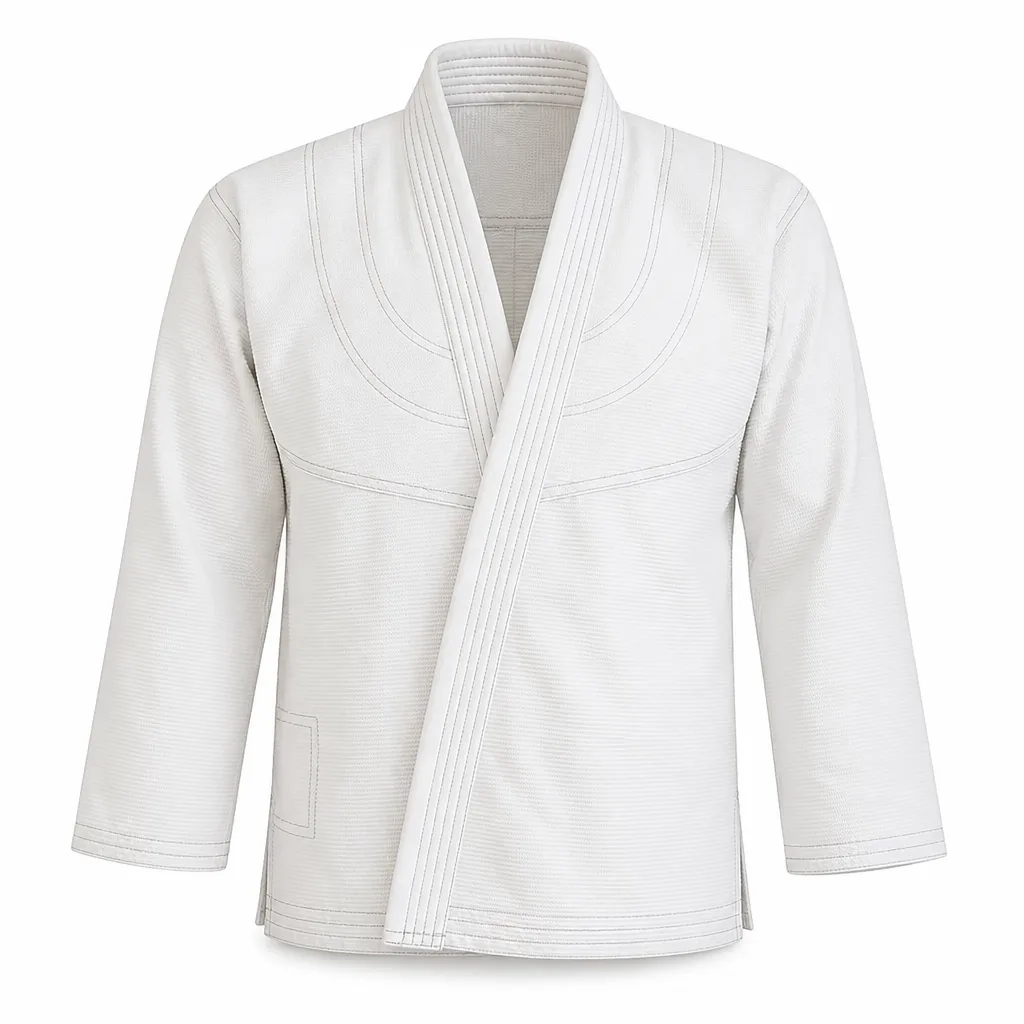
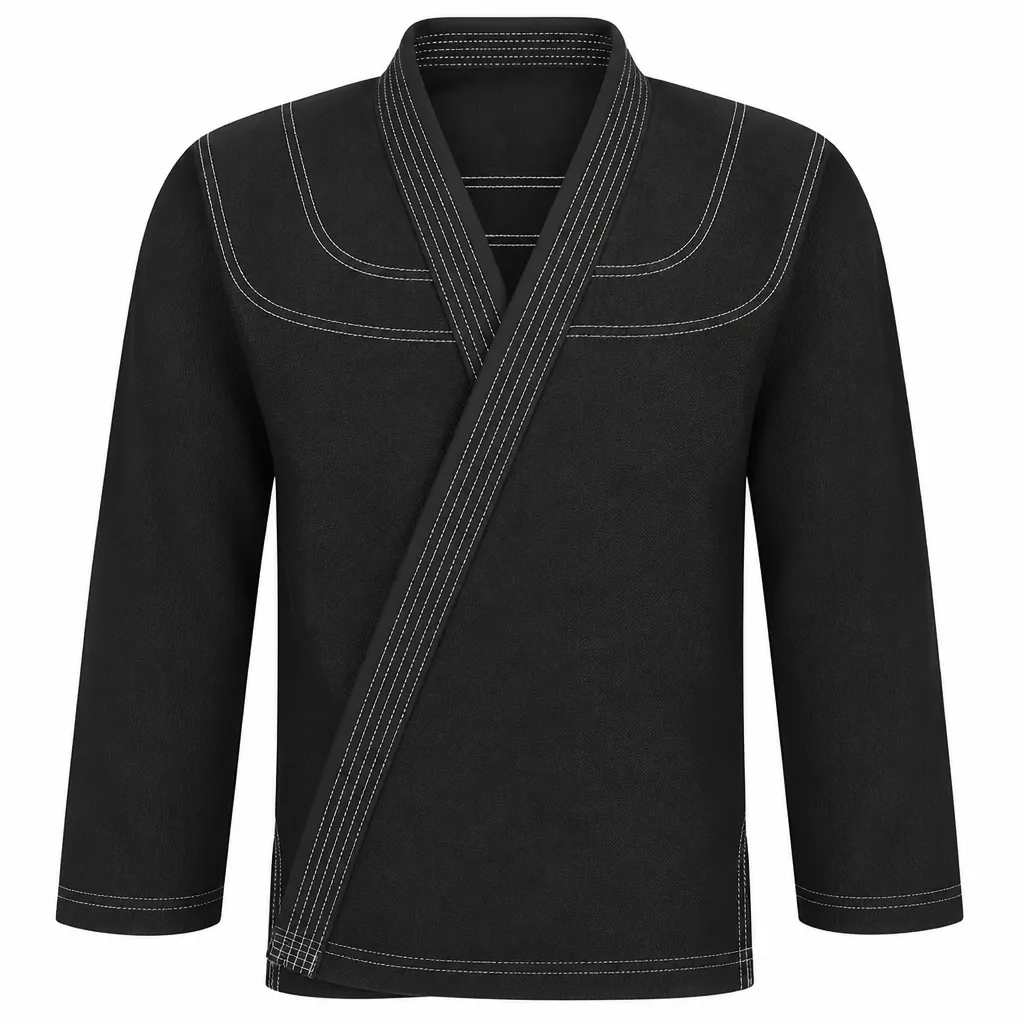
- Materials: 100% cotton pearl weave (350-550 GSM), often pre-shrunk and stonewashed for a broken-in vibe. Avoid synthetics; they lack the authentic grip fighters crave in kimono wrestling.
- Colors and Patches: Faded indigo blues, off-whites, or earth tones with subtle embroidery. Minimalist logos evoke 90s simplicity—no neon sponsor blasts.
- Cut and Weight: A2-A3 weights (around 450g/m²) balance mobility and toughness. Pants feature lighter legs for spider guard without ballooning.
- Compliance: IBJJF-approved for comps, with reinforced knees and no shorts-under-gi rules violations.
Pro tip: Vintage gis shine in breathability. In sweaty no-gi transitions or MMA drills, that open weave wicks moisture better than heavy modern competition cuts. But they're not invincible—expect more shrinkage (5-10%) if not pre-washed properly.
Detailed Analysis: Breaking Down Fit, Durability, and Performance
Finding the Right Fit for Your Body Type
Sizing is where most grapplers stumble. Vintage gis run larger and looser than no-gi rash guards, mimicking classic judo fits. Measure your height, weight, and wingspan—don't trust generic charts. For a 5'10", 170lb intermediate like many MMA fighters, an A2 fits snug through shoulders but allows jacket inflation for deep half guard.
Shoulder seams should hit your delts, not neck. Pants cord should cinch mid-calf for de la Riva hooks. I've coached stocky wrestlers who swear by wider vintage pants to prevent ride-ups during sprawls; lanky kickboxers prefer tapered legs to avoid shin guard snags. Always try in person or check Apollo MMA's detailed size guides—exchanges are painless.
Durability Under Fire: Real-World Testing
Durability separates hype from heroes. Pearl weave 1 (thinner) suits beginners drilling fundamentals; pearl 5 (gold weave) endures black-belt shark tanks. In my experience, Tatami's vintage lines hold up to 500+ washes, but cheap knockoffs fray at collar grips after 50 rolls.
Reinforcements matter: Double-layered knees fend off kneebar torque, while drawstring waists prevent slips in standing passes. For vintage BJJ gi for fighters crossing into MMA, prioritize ripstop pants— they resist tears from clinch knees better than standard cotton.
| Gi Weight | Best For | Durability Rating (1-10) |
|---|---|---|
| A1 (Light) | Beginners, hot climates | 7 |
| A2 (Standard) | All levels, training | 9 |
| A3/A4 (Heavy) | Pros, comps | 10 |
Performance Trade-Offs: Breathability vs. Strength
Vintage gis excel in grip fights— that textured cotton bites into sleeves for collar chokes. But in high-intensity sparring, they dry slower than hybrids. Safety-wise, loose fits reduce mat burns but demand belt security to avoid accidental chokes. Maintain by washing in cold water, air-drying—no dryers, or you'll shrink into a kid's size overnight.
Practical Applications: Matching Gis to Your Training Life
Your gi choice hinges on where and how you train. Let's break it down by scenario.
Gym Sessions and Sparring
For daily 2-hour classes in a commercial BJJ gym, grab a mid-weight vintage BJJ gi for training. It breaks sweat without suffocating, perfect for drilling armbars till exhaustion. Pair with our compression shorts underneath for no-gi switches—essential for MMA enthusiasts blending wrestling takedowns.
Competition Prep and Tournaments
IBJJF Worlds? Opt for IUC-compliant vintage with fresh white—no stains tolerated. Pros like Gordon Ryan favor heavier weaves for sleeve control in leg entanglements. Beginners at locals: lighter vintage reduces fatigue, letting you focus on training tips like posture escapes.
Home Workouts, MMA Cross-Training, and Travel
Home gyms demand packable gis—vintage pants fold small for duffels. In MMA, that faded blue pairs seamlessly with Venum shorts for no-gi grappling into Muay Thai clinches. Wrestling purists appreciate the mat grip during folkstyle drills. For travel, pre-shrunk models avoid hotel laundry disasters.
Across Kickboxing or Boxing hybrids, vintage gis prevent rash from extended clinch work. Always layer with rash guards for skin safety—I've bandaged too many gi-burns from bare torsos.
- Beginners: Forgiving fit builds confidence.
- Intermediate: Balanced for positional sparring.
- Advanced/Pro: Heavy-duty for war-mode rolls.
For more on integrating gear into routines, check our training tips.
Expert Recommendations: Top Vintage BJJ Gis at Apollo MMA
After testing dozens, here are my curated picks from Apollo MMA's premium collection—the best vintage BJJ gi for every fighter:
- Tatami Nova Absolute Vintage (A2): Stonewashed pearl weave, buttery after 10 washes. Ideal for gym rats—$150 value holds for years. Fighters love the reinforced collar for bow-and-arrow chokes.
- Shoyoroll Batch #Exclusive Vintage: Limited faded dyes, pro-level grip. MMA crossover king at $220; pairs with Hayabusa gloves flawlessly.
- Fuji Classic Retro (A1): Budget beast for beginners ($100). Light, breathable for humid Muay Thai gyms transitioning to BJJ.
- Origin Warp Speed Vintage: Hybrid durability with vintage look ($180). No-shrink pants shine in comps—my go-to for coaching wrestlers.
Price-to-value? Expect $120-250. Skip sub-$80 imports; they lack stitching integrity. At Apollo MMA, we stock sizes A0-A6, with fighter feedback driving our selections. Bundle with belts or mouthguards for comp kits.
Insider tip: Vintage gis age like wine—roll hard, and that patina tells your story. For personalized fits, hit our chat; we've outfitted pros worldwide.
Need training tips to maximize your new gi? Dive into our guides.
Wrapping It Up: Step Into Your Vintage Era
Choosing the perfect vintage BJJ gi for fighters boils down to honoring tradition while meeting modern demands. From historical judogi roots to today's MMA-infused training halls, these gis deliver grip, comfort, and that unbeatable retro swagger. Weigh your sessions—gym drills favor light and loose, comps demand ironclad builds—and prioritize fit above all.
Don't settle for stiff newcomers; a quality vintage gi from Apollo MMA will transform your rolls, prevent injuries, and boost confidence across BJJ, wrestling, or MMA. Head to our collection today, pick your shade, and feel the difference. Questions? Drop a comment—I've got your back on the mats. Oss!
By Sarah Chen, BJJ Black Belt & Strength Coach at Apollo MMA