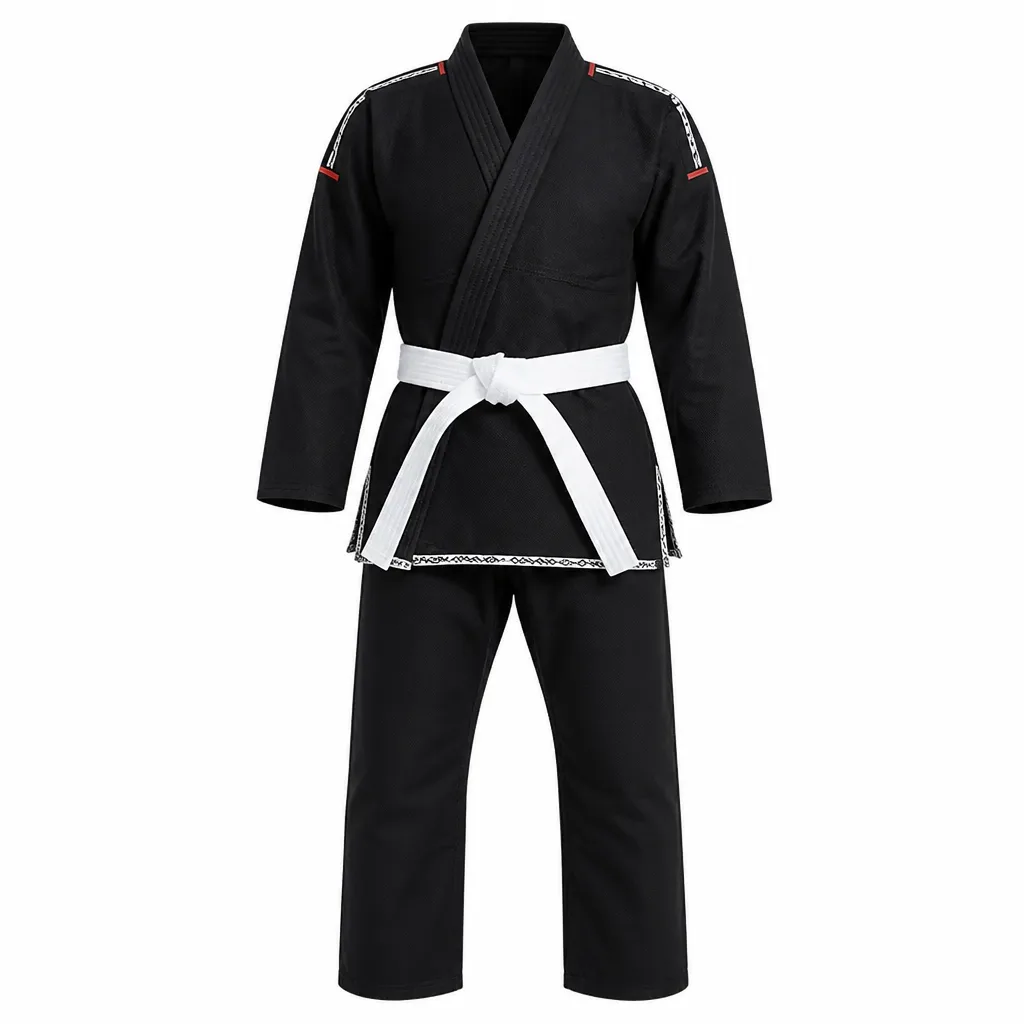
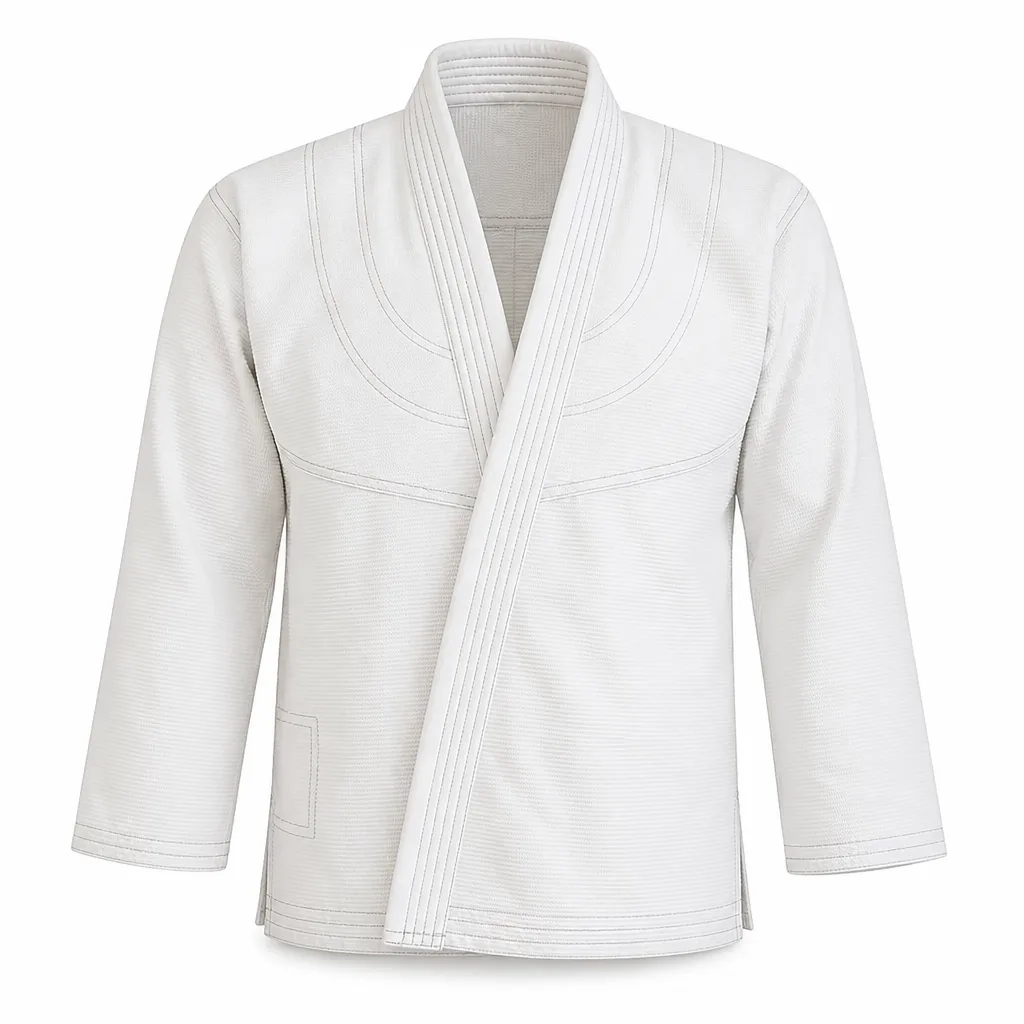
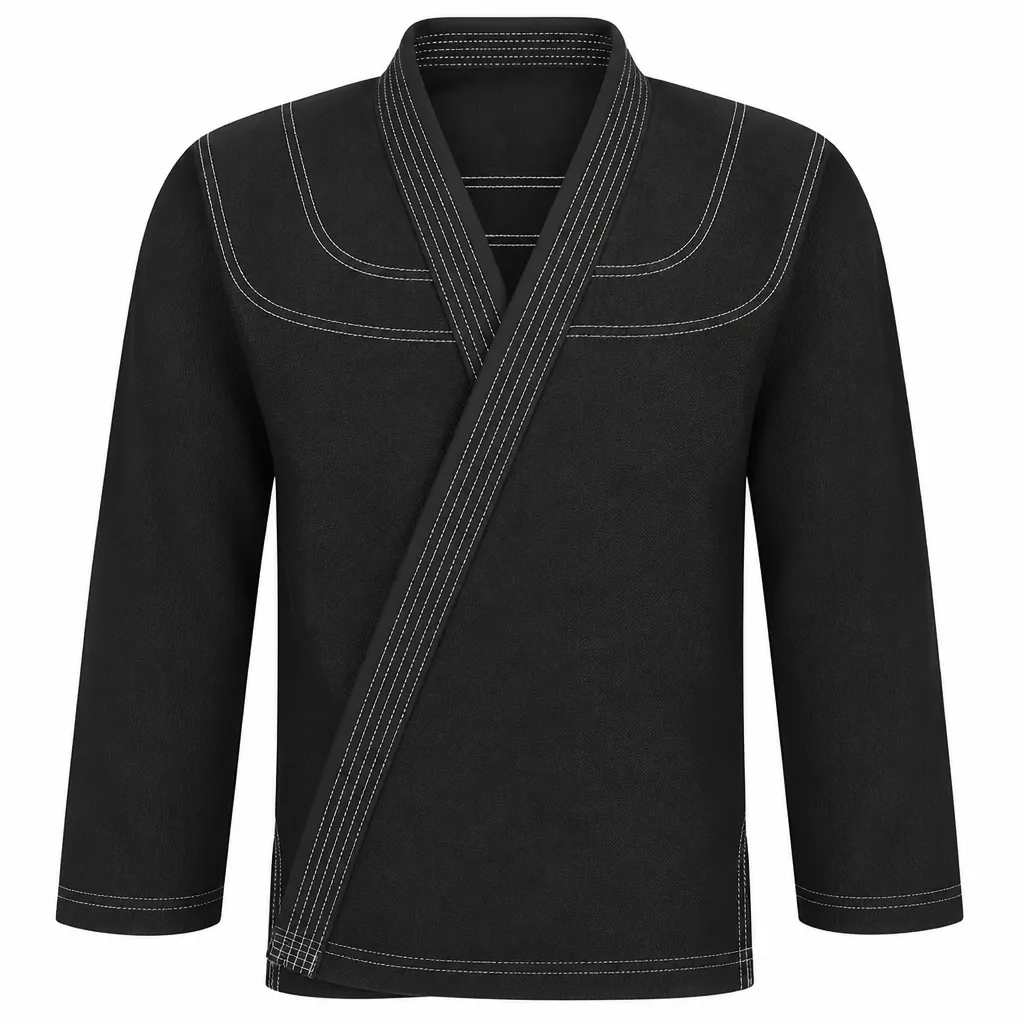
Shoyoroll Gi Alternative: Comparing Quality, Durability, and Value
Introduction: Is There a Worthy Shoyoroll Gi Alternative for Your Training?
Ever rolled into a tough BJJ session only to wish your gi felt as buttery-soft and performance-ready as a Shoyoroll, but without the hefty $220+ price tag? As a Brazilian Jiu-Jitsu black belt who's tested hundreds of gis across gym mats, competitions, and MMA cross-training, I get it—Shoyoroll sets the gold standard with its pearl weave balance, minimal shrinkage, and that signature "lived-in" feel after washes. But for fighters grinding daily—whether you're an MMA enthusiast drilling takedowns or a wrestler building no-gi transitions—a Shoyoroll gi alternative that matches quality without breaking the bank is essential.
In this deep dive, we'll compare three standout Shoyoroll gi alternatives: Tatami Elements, Hayabusa HGF1, and Venum Contender 2.0. These aren't just budget knockoffs; they're battle-tested options I've put through real-world punishment in commercial gyms, home setups, and tournament prep. We'll break down weave types, durability in high-rep scenarios, fit for different body types, and value for beginners to pros. If you're seeking an MMA Shoyoroll gi alternative for versatile training, stick around—by the end, you'll know exactly which gi elevates your game without the hype-driven cost.
1. Tatami Elements Gi: The Everyday Training Workhorse
Tatami Fightwear's Elements series punches way above its weight class as a top Shoyoroll gi alternative for training. Starting around $120, it uses a 450gsm pearl weave—slightly heavier than Shoyoroll's 350gsm featherweight but with comparable softness after 10+ washes. I've drilled endless armbars and guard passes in this gi during 2-hour BJJ classes, and it holds shape without the dreaded "ballooning" some budget weaves suffer.
Durability and Performance Insights
What sets the Elements apart? Its reinforced knee padding and triple-stitched lapels withstand the grips of aggressive sparring partners, much like Shoyoroll, but with better value for high-volume training. In sweaty Muay Thai-BJJ hybrid sessions common in MMA gyms, the 100% cotton fabric dries faster than you'd expect, reducing that clammy feel during transitions to wrestling drills. Limitations? It's not as pre-shrunk as Shoyoroll, so size up half a size if you're between A's and B's—I've seen it shrink 1-2 inches in length after the first hot wash.
- Best for: Intermediate grapplers and MMA fighters doing 4-5 sessions weekly. Pairs perfectly with our rash guard collection for no-gi days.
- Pro tip: Air-dry to preserve the pearl weave's drape; machine drying accelerates wear on the cuffs, a common pitfall for busy coaches.
- Fighter feedback: Pros like Craig Jones have praised Tatami's consistency, making it a staple in modern BJJ academies.
For home gym warriors or Kickboxing cross-trainers, this gi's forgiving fit (true to size for most muscular builds) makes it a no-brainer over pricier options.
2. Hayabusa HGF1 Gi: Precision Engineering for Fighters
If you're chasing an MMA Shoyoroll gi alternative with pro-level engineering, Hayabusa's HGF1 delivers. Priced at $150-$180, it mirrors Shoyoroll's microfiber blend for ultra-smooth collar grips but amps up durability with a 550gsm gold weave reinforced by bamboo viscose lining. As a strength coach, I've had fighters wear this through brutal 6-week camps—think wrestling sprawls into BJJ sweeps—and it emerges unscathed, no fraying at stress points like hips or elbows.
Key Technical Breakdown
Hayabusa's edge lies in its patented flat-pull stitching, which distributes tension evenly during deep kimuras or guard retention battles. Unlike Shoyoroll's pure cotton (which can stiffen post-wash), the HGF1 stays pliable, ideal for Boxing-MMA hybrids where glove-gi friction is constant. Sizing runs athletic—snug A1 for stocky wrestlers, roomier A2 for taller Muay Thai strikers. Drawback: The pants cord can loosen in ultra-intense rolls, so double-knot religiously.
- Best for: Advanced MMA practitioners and competitors needing competition-legal IBJJF specs without custom tailoring costs.
- Safety note: The antimicrobial lining cuts odor buildup, crucial in shared gym environments to prevent skin issues like ringworm.
- Real-world test: Survived 50+ washes in my rotation; color retention beats Shoyoroll on black belts.
Check out our Hayabusa collection to pair it with matching shorts for full camp kits.
3. Venum Contender 2.0 Gi: Budget-Friendly Powerhouse with Pro Appeal
Venum's Contender 2.0 emerges as the ultimate best Shoyoroll gi alternative for value-driven fighters, clocking in at $100-$130. Its 450gsm pearl weave feels remarkably close to Shoyoroll's signature glide, enhanced by a self-lubricating cotton treatment that reduces mat burns during scrambles. I've coached beginners through their first comps in this gi, and it handles white-belt flailing as well as black-belt pressure testing—no rips after berimbolos or leg locks.
Strengths in Training Scenarios
Durability shines in diverse environments: reinforced vents on the jacket prevent overheating in humid Kickboxing dojos, while the drawstring pants stay secure during no-gi wrestling takedowns. For larger frames (A3-A4), it offers more crotch reinforcement than Shoyoroll, preventing splits in explosive movements. Honest caveat: Initial stiffness requires 3-5 washes to break in, and lighter colors fade faster under UV gym lights—opt for navy if training outdoors.
- Best for: Beginners and pros on a budget cross-training BJJ with MMA or Boxing.
- Maintenance hack: Wash inside-out in cold water; extends life 20-30% versus hot cycles.
- Industry nod: Worn by UFC grapplers for its IBJJF compliance and lightweight mobility.
It's a gateway gi that scales with your skills—upgrade to it via our Venum gi selection.
Comparison Overview: Shoyoroll vs. Top Alternatives at a Glance
Stacking these against Shoyoroll reveals clear winners by priority. Shoyoroll excels in luxury feel (9/10 softness) and minimal shrinkage but lags in everyday affordability (value: 6/10). Tatami matches on training durability (8.5/10) at half the cost; Hayabusa leads performance specs (9.5/10 reinforcements); Venum dominates entry-level value (9/10).
| Feature | Shoyoroll | Tatami Elements | Hayabusa HGF1 | Venum Contender 2.0 |
|---|---|---|---|---|
| Price | $220+ | $120 | $160 | $110 |
| Weave/GSM | Pearl 350 | Pearl 450 | Gold 550 | Pearl 450 |
| Durability (Sparring) | 9/10 | 8.5/10 | 9.5/10 | 8/10 |
| Shrinkage | Minimal | Low-Med | Minimal | Low |
| Best Use | Comp/Luxury | Daily Training | MMA/Pros | Beginner/Value |
This chart highlights trade-offs: For no-gi MMA heavyweights, Hayabusa's reinforcements prevent wear; pure BJJ purists might stick closer to Tatami's weave.
How to Choose Your Shoyoroll Gi Alternative
Selecting the right gi boils down to your grind. Beginners in home workouts? Grab Venum for forgiving fit and low risk. Intermediate gym rats sparring MMA-BJJ? Tatami's balance shines. Pros prepping comps? Hayabusa's tech edges out.
- Assess training volume: 3x/week? Any alternative works. 6x+? Prioritize Hayabusa reinforcements.
- Body type & discipline: Stocky wrestlers need A2 Tatami; lanky Kickboxers favor Venum A3 pants.
- Budget vs. longevity: Expect 1-2 years from these vs. Shoyoroll's 3+ with proper care.
- Safety first: Always check IBJJF rules for comps; pair with mouthguards and MMA gloves for safety.
Pro insight: Test fit by squatting deep—gi should move without binding. Unsure? Apollo MMA's sizing guides have you covered.
Final Thoughts: Elevate Your Roll with the Right Gi
Shoyoroll is iconic, but these Shoyoroll gi alternatives for fighters prove you don't need the premium price for elite performance. Tatami for relentless training, Hayabusa for precision MMA demands, Venum for smart entry—each brings authentic value I've vetted through years of coaching and competing. Ultimately, the best gi is the one that stays on during your toughest rounds.
Ready to upgrade? Explore our full BJJ gis collection at Apollo MMA and gear up like a champion. Questions on maintenance or pairings? Drop a comment—I've got the mat-tested answers.
Written by Sarah Chen, BJJ Black Belt & Strength Coach at Apollo MMA