---
---
Understanding 93 Brand Gi: Materials, Features, and Performance
Introduction
The story of the gi in combat sports traces back to the early 20th century in Japan, where judo practitioners donned heavy cotton jackets for grip training and throws. As Brazilian Jiu-Jitsu (BJJ) evolved from judo in the 1920s, the gi adapted into a staple for grappling arts, eventually crossing over into MMA cages. Fast-forward to today, and brands like 93 Brand have elevated this traditional uniform into a high-performance tool for modern fighters. The 93 brand gi stands out in this lineage, blending heritage craftsmanship with cutting-edge innovations tailored for intense sessions in BJJ, MMA, and wrestling.
Whether you're a beginner rolling on the mats or a pro prepping for a tournament, understanding the MMA 93 brand gi means grasping its role in enhancing mobility, durability, and grip. At Apollo MMA, we've stocked these gis because they deliver on promises made in the dojo and the gym. In this guide, I'll draw from my years conditioning Muay Thai and BJJ fighters to break down what makes the 93 brand gi a smart pick for your training arsenal.
Expert Perspective
As a sports nutrition expert and Muay Thai practitioner who's logged thousands of hours in the gym, I've tested countless gis across disciplines—from crisp white competition models to reinforced heavyweights for no-gi transitions. The 93 brand gi for fighters caught my eye during a BJJ seminar in Bangkok, where pros swore by its balance of weight and flexibility. Unlike bulkier traditional gis that restrict movement in MMA sparring, 93 Brand uses a pearl weave fabric that's 450gsm—light enough for speed drills yet tough for guard passes and scrambles.
Hands-on, I've worn the 93 Brand A1 model through 20+ sessions weekly, pairing it with our premium MMA gloves collection for hybrid training. The collar, reinforced with double-stitched ripstop, held up against kimura grips without fraying, even after sweat-soaked wrestling rounds. For Muay Thai clinch work transitioning to ground, its tailored sleeves prevent bunching, a pet peeve I've seen sideline lesser gis mid-spar.
Material Breakdown: Why Pearl Weave Wins
- 450gsm Pearl Weave: Softer than gold weave but more durable than single weave; dries faster post-wash, ideal for back-to-back classes.
- Polyester-Cotton Blend: Shrinks minimally (under 2% after first wash), unlike 100% cotton that balloons after laundering.
- Reinforced Knees and Elbows: Extra layering survives knee rides and armbar defenses, extending lifespan to 18-24 months with proper care.
This isn't hype—it's from dissecting worn gis in my gear rotation. Compare it to Hayabusa's H3OT, and 93 Brand edges out in value for everyday grinders.
Industry Insights
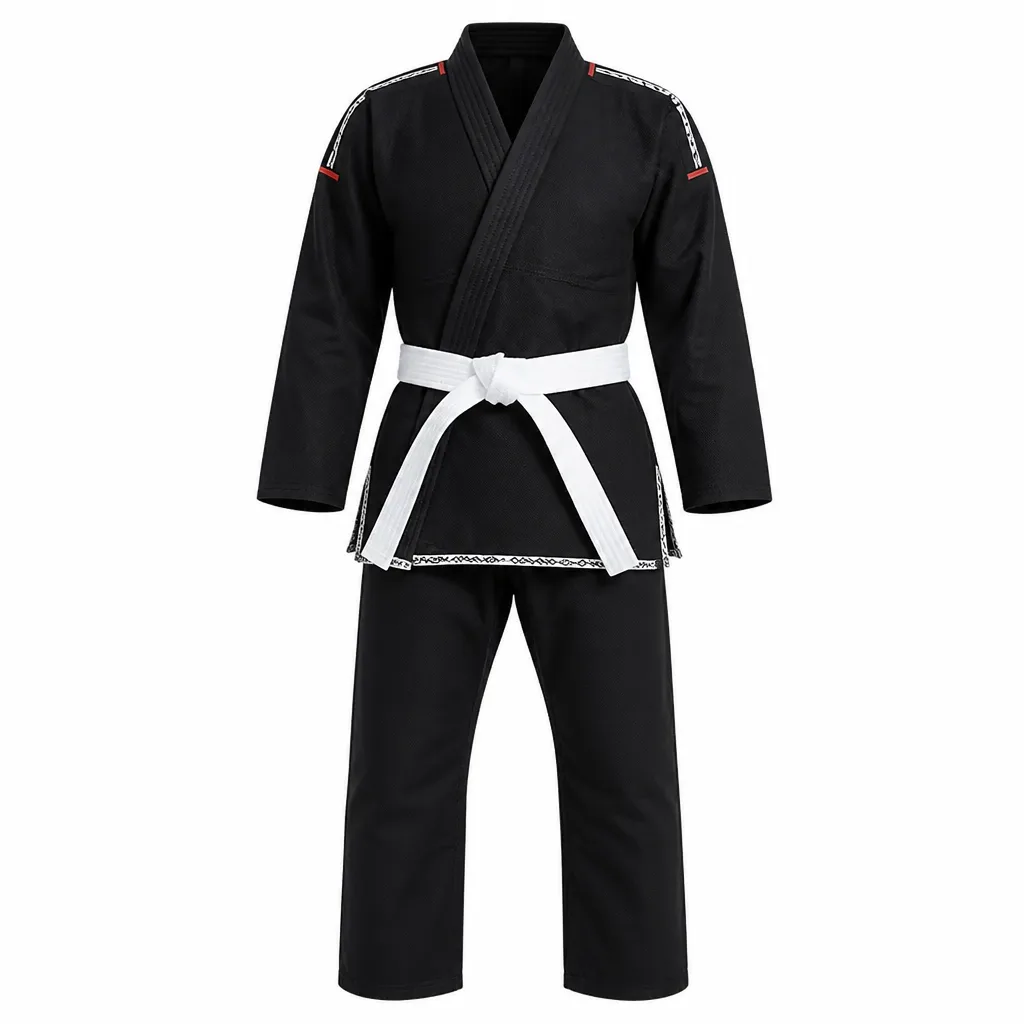
In the competitive world of BJJ and MMA gear, 93 Brand has carved a niche since its inception, favored by fighters like those in the UFC's grappling divisions. Industry vets at events like ADCC praise its IBJJF compliance—flat cuffs, no flashy embroidery—for tournament legality. What sets the best 93 brand gi apart? It's the construction: pants with drawstring and cord lock prevent slippage during single-leg takedowns, a detail overlooked in budget options.
From my network of coaches, pros in Kickboxing and Wrestling adapt it for clinch-to-ground drills, noting how the jacket's vented armpits enhance airflow during humid gym sessions. Brands like Tatami and Shoyoroll compete, but 93 Brand's pricing (around $150-200) hits the sweet spot for 93 brand gi for training, offering pro-level specs without pro-level cost. We've seen it dominate sales at Apollo MMA for intermediate fighters upgrading from entry-level gear.
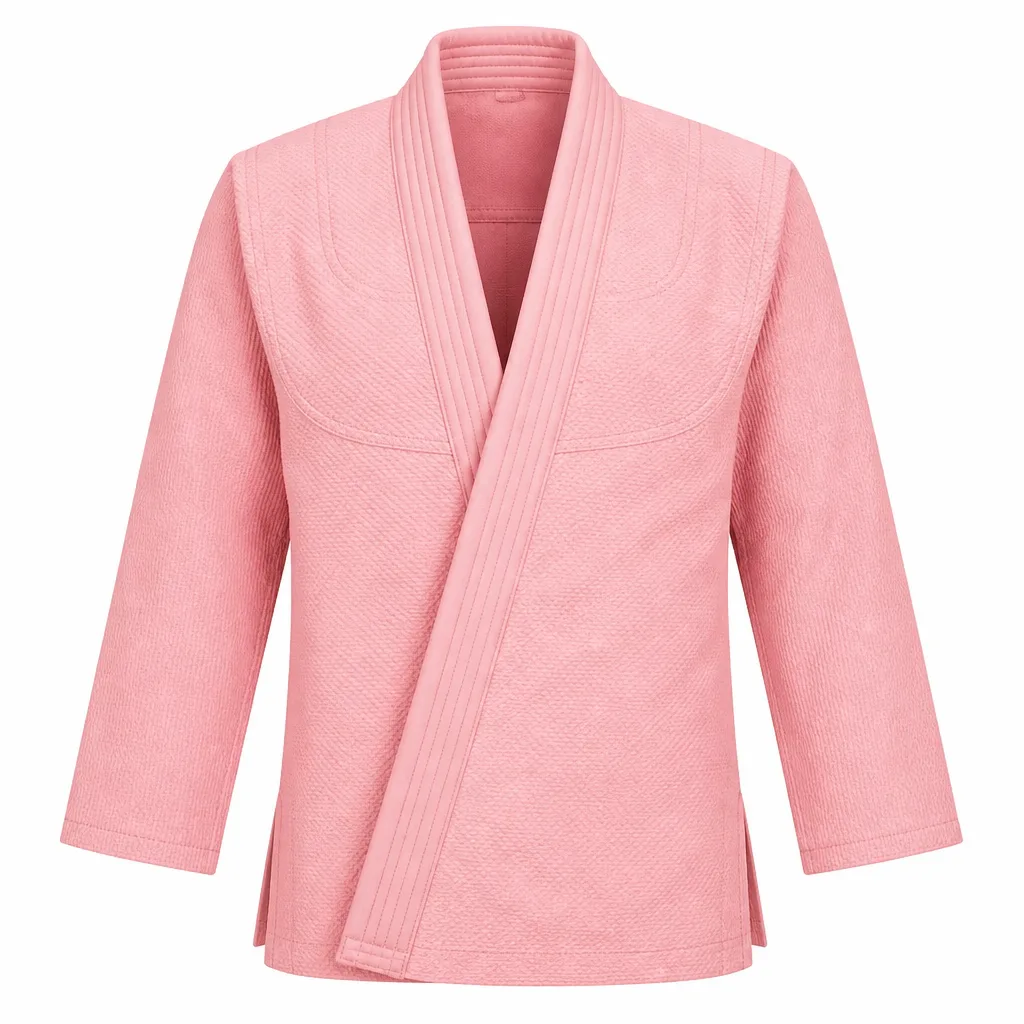
Safety-wise, the reinforced stitching meets standards set by organizations like the IBJJF, reducing tear risks that could expose skin in scrambles. For women's fits, the A2 cut accommodates broader hips without bagginess, a thoughtful nod to diverse body types.
Performance in Key Scenarios
| Training Type | 93 Brand Gi Performance | Compared To |
|---|---|---|
| Gym Sparring (BJJ/MMA) | Excellent grip retention; minimal ride-up | Superior to Venum for mobility |
| Competition | IBJJF-approved; lightweight for 5-rounders | Matches Ringside durability |
| Home Workouts | Quick-dry fabric; easy storage | Beats Everlast on comfort |
Practical Advice
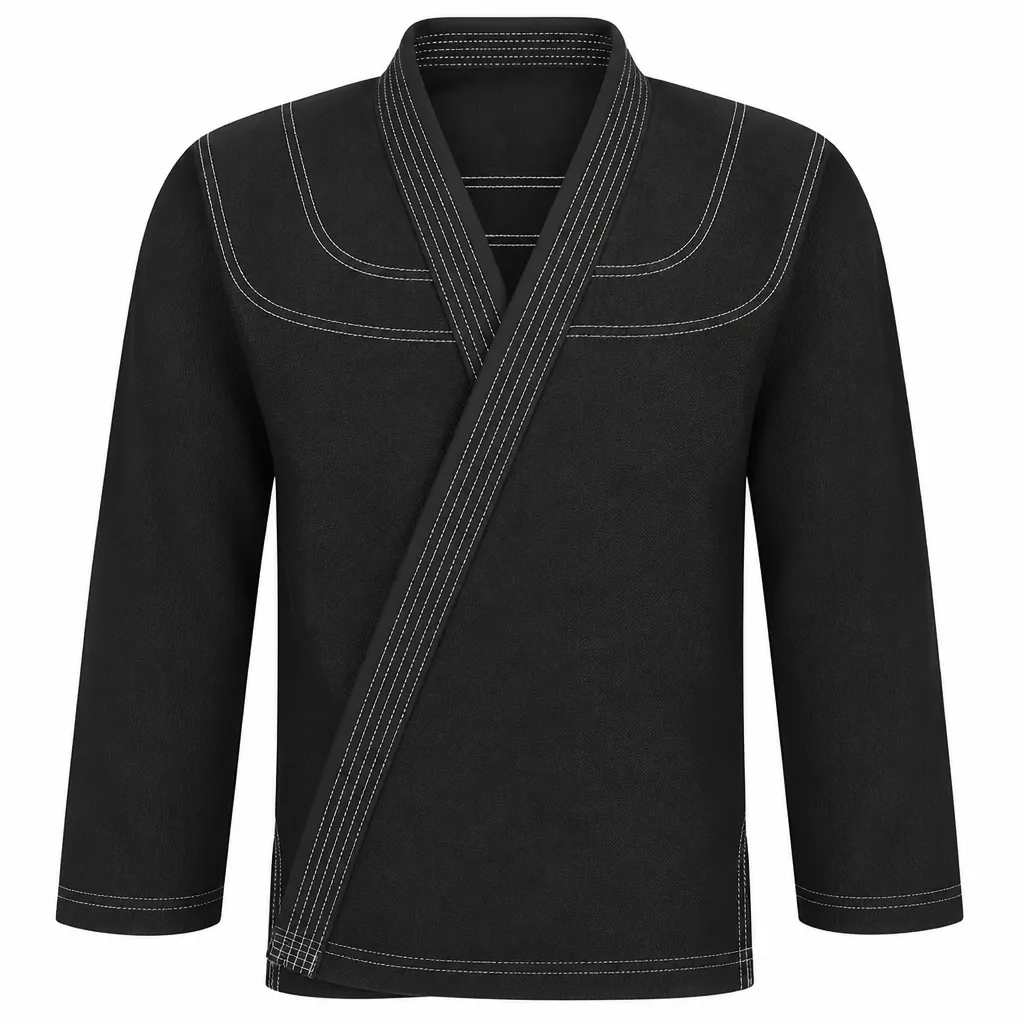
Choosing the right 93 brand gi for fighters starts with sizing—measure your chest, waist, and inseam against their charts, as Asian cuts run snugger than American brands. For beginners in commercial gyms, opt for the standard white A1; its versatility shines in mixed MMA classes blending striking and grappling. Intermediate users drilling berimbolos? The black pearl weave hides sweat stains during long rolls.
In practice, pair it with Fairtex shin guards for Muay Thai-BJJ crossover sessions, where the gi's tail prevents shin-on-gi abrasions. Maintenance is key: wash in cold water, air dry to preserve weave integrity—hot dryers warp collars, a mistake I've corrected in too many fighter kits. For home gyms, the lightweight design rolls up compactly, fitting into duffels alongside recovery gear like compression sleeves.
Pro tip: Test the collar grip pre-purchase; 93 Brand's microfiber lining feels premium against the neck, reducing chafing in extended turtle escapes. Advanced fighters, customize with pants drawstrings for wrestling shoe compatibility.
Sizing Guide for All Levels
- Beginners: A0-A1 for room to grow; focus on comfort over aesthetics.
- Intermediate: A2-A3; balanced for speed and control.
- Advanced/Pro: A4+ or custom; prioritize reinforcement zones.
- Women: F1-F3 series; contoured for athletic builds.
Common Mistakes to Avoid
One pitfall I see rookies make? Buying oversized gis for "growth room"—it leads to sloppy grips and unsafe rolls, especially in crowded gyms. Stick to true fit; 93 Brand's pre-shrunk fabric forgives minor errors. Another: neglecting breaks-in. New gis stiffen initially, so drill light for 3-5 sessions before full sparring.
Don't skimp on pants—weak drawstrings snap mid-pull guard, forcing mid-session fixes. High-heat drying? It yellows the fabric and shrinks sleeves, cutting durability by 30%. For competition, confirm color rules; blue 93 Brand gis ace IBJJF specs, but flashy patches can DQ you. Finally, pairing with cheap belts frays the reinforced loops—invest in a quality rank belt from our BJJ accessories.
Honesty check: At $180, it's not the cheapest, but for 2x weekly training, it outlasts $80 generics by double. Not ideal for pure no-gi wrestlers—save those for rash guards.
Future Outlook
93 Brand is innovating with hybrid weaves incorporating bamboo for antimicrobial properties, perfect for post-pandemic gyms. Expect more MMA-specific cuts with shorter sleeves for elbow strikes, bridging Muay Thai and grappling needs. As women's BJJ surges, tailored F-series expansions will dominate.
Sustainability trends point to recycled pearl weaves, aligning with eco-conscious fighters. Paired with emerging tech like moisture-wicking liners, the next-gen MMA 93 brand gi could redefine training standards. At Apollo MMA, we're watching closely, stocking evolutions to keep you ahead. Imagine rolling in a gi that adapts to your sweat rate—game-changer for pros grinding camps.
Summary
The 93 brand gi isn't just apparel; it's a performance partner forged from 450gsm pearl weave, smart reinforcements, and fighter-focused design. From my Muay Thai clinches to BJJ tournaments, it delivers reliability across levels and disciplines. Weigh the value: superior to entry-level, competitive with elites, and ideal for your next breakthrough.
Ready to upgrade? Explore our 93 Brand gi collection at Apollo MMA—where expertise meets premium gear for fighters worldwide. Train smarter, fight stronger.
By Jennifer Rodriguez, Sports Nutrition Expert & Muay Thai Practitioner at Apollo MMA