How to Choose the Perfect Maeda Gi for Your Training
Picture this: You're deep into a grueling BJJ session at your local gym, sweat pouring, locked in a fierce armbar battle. Suddenly, your gi sleeve gives way with a sharp rip, turning a potential submission into an embarrassing wardrobe malfunction. Sound familiar? It's a nightmare every grappler dreads, and it's often the result of grabbing the wrong Maeda gi off the rack without a second thought.
As David Thompson, with over 20 years testing combat sports gear—from boxing gloves that withstand pro-level hooks to heavy bags that take endless punishment—I've seen it all in MMA and grappling circles. A subpar gi doesn't just fail you mid-roll; it compromises your safety, technique, and confidence. In this guide, we'll cut through the confusion to help you select the best Maeda gi for your training, whether you're a beginner white belt sweating in home workouts or a seasoned MMA fighter prepping for sparring.
Understanding the Challenge of Finding the Right Maeda Gi
Choosing a Maeda gi for training isn't like picking up a basic t-shirt. These aren't your average uniforms; they're engineered for the chaos of grappling arts like Brazilian Jiu-Jitsu, Wrestling, and MMA ground work. Maeda gis stand out in the premium market alongside brands like Hayabusa and Tatami, prized for their Japanese-inspired craftsmanship and fighter-focused design.
The real hurdles? Fit inconsistencies across brands, deceptive marketing on "lightweight" claims that crumble under real stress, and overlooking how your body type or discipline affects performance. A Muay Thai practitioner dipping into no-gi might scoff at gis, but for BJJ or submission grappling, the gi amplifies grips, chokes, and control—demanding a jacket, pants, and belt that move with you, not against you.
I've coached fighters who blew hundreds on flashy gis that shrank after one wash or tore during light drilling. Beginners struggle with oversized bags that bunch up, hindering escapes, while pros waste time on stiff collars that fatigue their necks in long sessions. Add in training environments—from humid commercial gyms to dusty home setups—and safety risks like loose fabric causing accidental chokes, and you see why rushed choices lead to frustration.
Solution Overview: Key Factors for the Perfect Maeda Gi
The good news? Arming yourself with a structured approach turns gi selection into a straightforward win. Focus on five pillars: material and weave, sizing and fit, durability features, discipline-specific adaptations, and value alignment. Maeda excels here, offering gis in pearl weave (350-550 GSM for balanced weight) and innovative honeycomb patterns that shed water faster than traditional cotton.
For MMA fighters, prioritize hybrid-friendly MMA Maeda gi options with reinforced knees for sprawling and shorter cuffs to pair seamlessly with rash guards or shorts. Wrestlers might lean toward lighter weaves to mimic singlet mobility, while BJJ purists swear by stiffer collars for collar chokes. At Apollo MMA, our curated Maeda collection reflects these nuances, tested in real scenarios from amateur comps to pro camps.
Expect trade-offs: Ultralight gis (under 400 GSM) dry quicker for back-to-back classes but rip easier under heavy grips. Heavier ones (500+ GSM) endure but demand more energy in hot gyms. Honesty upfront builds better gear choices—saving you returns and regrets.
Detailed Steps to Select Your Ideal Maeda Gi
Step 1: Assess Your Training Needs and Discipline
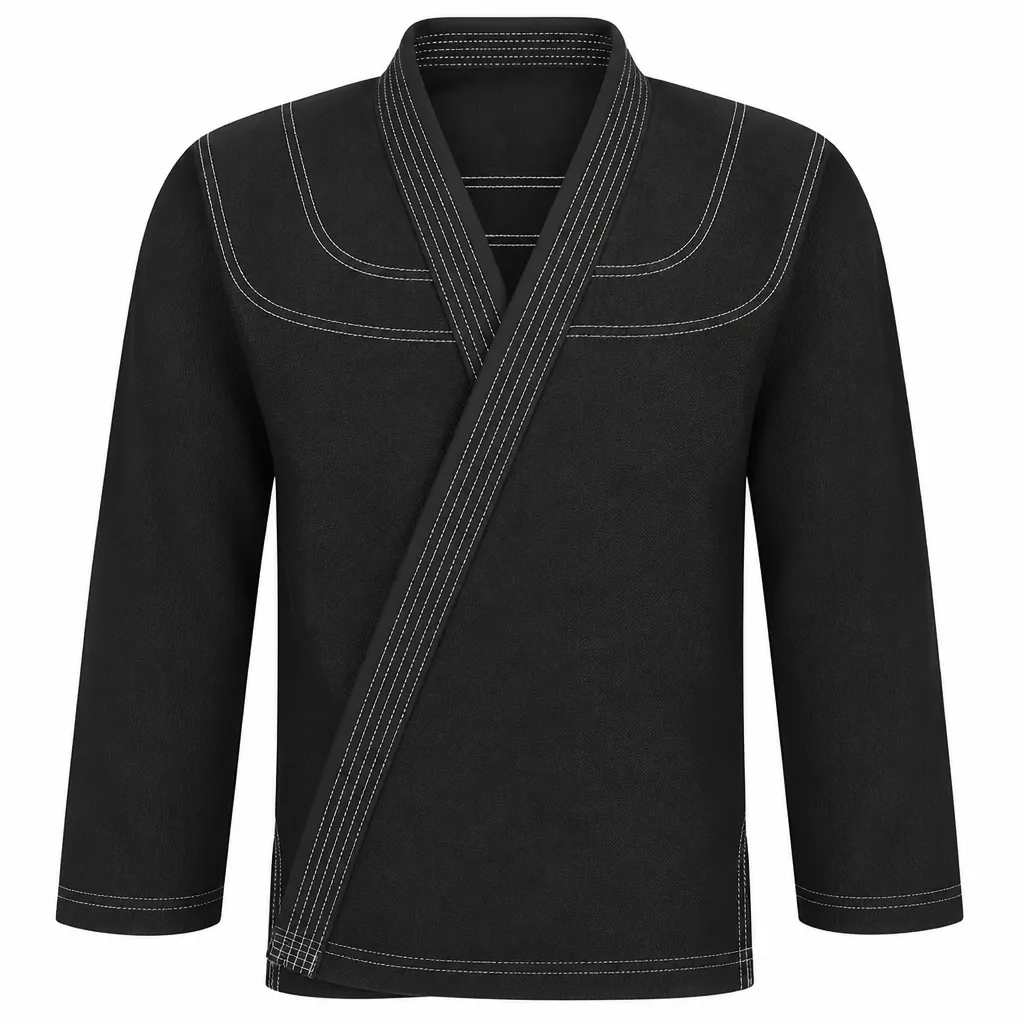
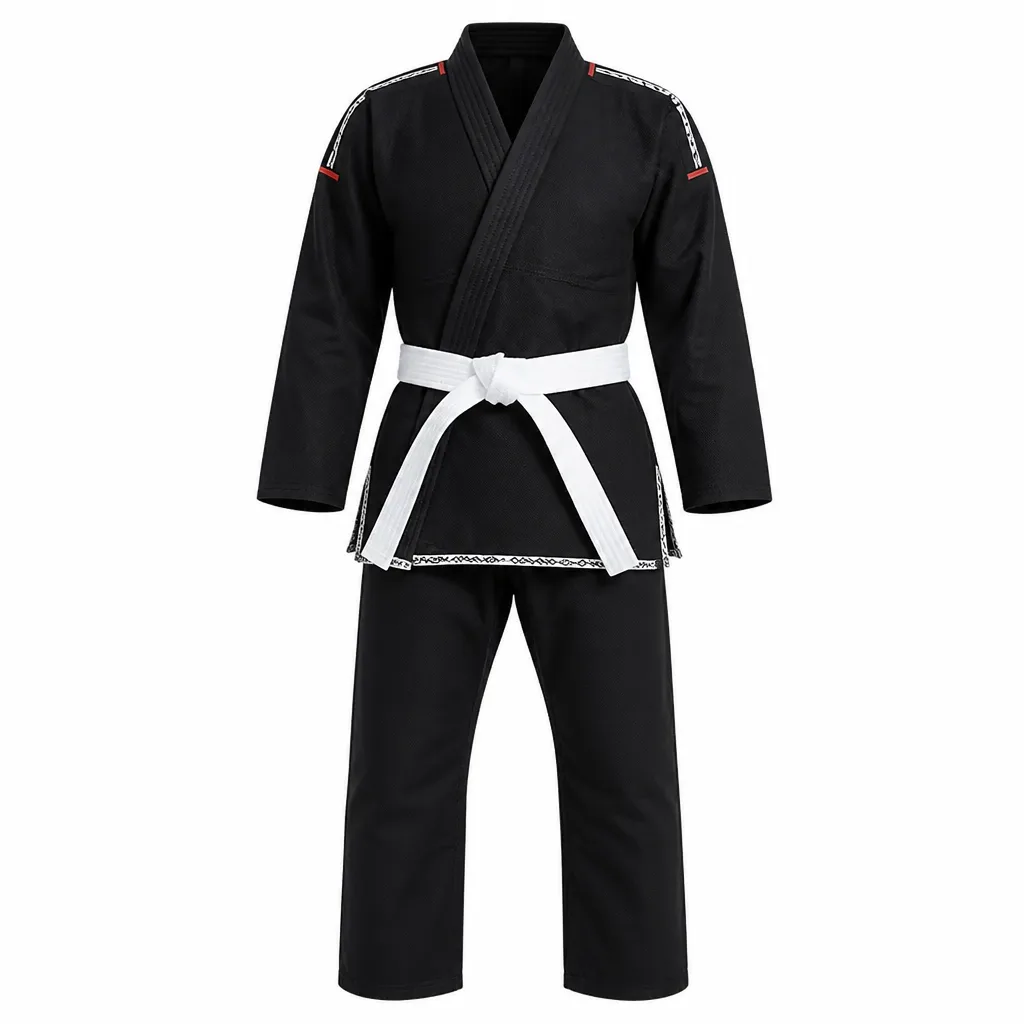
Start by mapping your sessions. Pure BJJ? Go for a full traditional Maeda gi for fighters with double-reinforced stitching at stress points like the collar and hems—Maeda's Jigoro model shines here, with its gold weave that's gripped by UFC grapplers for clock chokes.
MMA crossover training? Opt for Maeda's hybrid variants with ventilation panels, reducing bulk under fight shorts. Kickboxers adding clinch work or Wrestling folks drilling takedowns need pants with extra grip tape inside the waistband to stay secure during scrambles. Beginners: Stick to mid-weight (450 GSM) for forgiveness; pros: Customize with tailored lengths.
Consider frequency too—daily grinders need investment-grade durability, while casual hobbyists can balance cost with quality.
Step 2: Decode Gi Construction and Materials
Maeda gis use premium cotton or cotton-poly blends, but the weave tells the story. Pearl weave (most common) offers a smooth surface for slides and grips, stacking up against Shoyoroll's reputation. Honeycomb weave, a Maeda specialty, wicks moisture 20-30% better, ideal for sweaty Muay Thai clinch-to-ground transitions.
Inspect cuffs: Tapered vs. straight—tapered prevents finger jams in guard passes. Collars? Stiff rice-paddy style for BJJ holds, softer for Wrestling comfort. Pants matter equally: Wide-leg for mobility in open guard, fitted for no-gi hybrids. I've ripped cheaper weaves sparring; Maeda's 8-10 oz panels hold through 100+ rolls.
- Avoid: 100% cotton without pre-shrink treatment—expect 5-10% shrinkage post-wash.
- Prioritize: Ripstop reinforcements at elbows/knees for tear resistance.
Step 3: Nail the Sizing and Fit
Sizing charts lie—always cross-reference with Apollo MMA's detailed guides. Maeda runs true-to-size but athletic builds need an A-cut jacket for broader shoulders. Measure chest, waist, and inseam dry; gis shrink slightly.
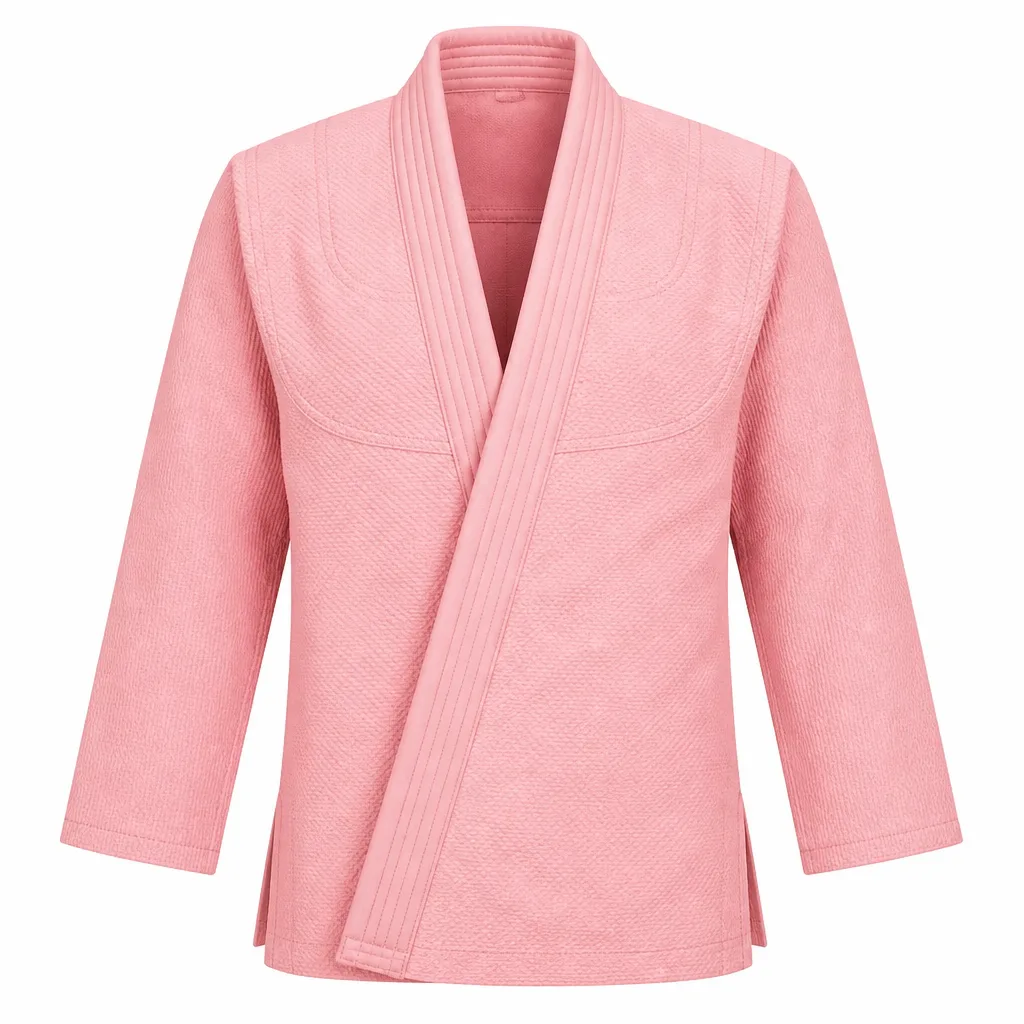
Test fit mentally: Jacket should drape loose at hips for hip escapes but snug at torso. Sleeves end mid-forearm pre-wash. Pants: Snug waist, roomy thighs for knee shields. For taller fighters (6'2"+), Maeda's long options prevent riding up. Women-specific cuts? Maeda offers athletic tailoring, reducing bunching for smaller frames.
Pro tip: Layer with hand wraps or rash guards? Size up half for unrestricted movement. In comp settings, IBF/UWW standards mandate specific fits—Maeda complies seamlessly.
Step 4: Evaluate Durability, Features, and Maintenance
Durability separates weekend warriors from pros. Maeda's triple stitching and bartack reinforcements at vents withstand 500+ washes if cared for right. Features like drawstring waists with internal cords prevent slips mid-takedown.
Safety first: No loose strings (choking hazards) and padded collars reduce neck strain. Maintenance? Cold wash, air dry—hot dryers warp weaves. In home gyms, dust-free storage extends life; gym rats, rinse post-salt sweat.
Budget check: Entry Maeda at $150 lasts 1-2 years heavy use; premium $250+ for pros. Compare to Venum or Fairtex—Maeda edges in weave consistency.
Step 5: Test in Real Scenarios and Buy Smart
Before committing, visualize: Does it hold in shark tank rolls? Pair with shin guards for MMA? Apollo MMA's return policy lets you trial in light drills. Read fighter reviews on our site—real feedback from black belts on fade resistance.
For training tips, integrate gi work with pad drills; a solid Maeda gi elevates both.
Expert Tips from 20+ Years in Combat Sports Gear
Here's insider gold you won't find on generic lists:
- Body Type Hacks: Ectomorphs (lean) size standard; endomorphs add length to avoid muffin-top pants. Test arm length by hanging sleeves—should cover half your palm.
- Climate Kings: Tropical gyms? Maeda's Pearl Light (350 GSM). Cold climates? Heavier for warmth without bulk.
- Competition Edge: IBJJF-approved Maeda dyes don't bleed, crucial for blue belts. Pros like me layer with Everlast wraps under gi for wrist support.
- Lesser-Known Durability Test: Tug cuffs post-purchase—if threads pop, return it. Maeda's hold like Ringside bags under hooks.
- Hybrid MMA Setup: Pair Maeda gi for training with Twins shorts—cuff synergy prevents rides.
One underrated: Rotate two gis for laundering—doubles lifespan. For sparring, check for micro-tears weekly; ignored, they cascade. And for training tips on gi-specific drills, hit our blog—pair new gear with technique tweaks for max gains.
Women fighters: Maeda's women's line fits curves without baggy traps, outperforming unisex in guard retention. Advanced? Custom embroidery adds personalization without weight penalty.
Honest caveat: No gi is indestructible. Even top Maeda models wear at grips after 18 months pro use—factor maintenance into your investment.
Wrap-Up: Gear Up Right at Apollo MMA
Selecting the perfect Maeda gi boils down to aligning your training reality with quality construction—no shortcuts, no hype. From beginner rolls to pro MMA camps, the right one boosts performance, prevents injuries, and lasts. We've covered the pitfalls, steps, and pro secrets to empower your choice.
Ready to upgrade? Dive into Apollo MMA's premium MMA Maeda gi collection today—expert-vetted, fighter-approved, shipped worldwide. Your next unbreakable roll starts here. Questions? Drop a comment; I've got gear stories for days.
David Thompson, Equipment Specialist & Former Boxing Coach