The Art of Choosing BJJ Eastern Europe for MMA
By Michael Park, Wrestling Coach and Gear Reviewer at Apollo MMA
Introduction: The Takedown That Changed Everything
Picture this: You're in the thick of a grueling MMA sparring session at your local gym. Your opponent shoots in for a double-leg takedown, and you sprawl perfectly, transitioning into a guard pass. But as you grip their gi collar, you feel the fabric hold firm—no rips, no slippage, just pure control. That's the edge BJJ Eastern Europe gear brings to MMA fighters. Born from the gritty dojos of Poland, Hungary, and beyond, this style of BJJ equipment has exploded in popularity for its no-nonsense durability tailored to the hybrid demands of MMA training.
In this guide, we'll dive deep into why MMA BJJ Eastern Europe is a game-changer for fighters of all levels. Whether you're a beginner building your grappling base or a pro prepping for the cage, choosing the right BJJ Eastern Europe for fighters means gear that withstands takedowns, scrambles, and strikes. At Apollo MMA, we've tested these pieces firsthand, and we're here to share the insider knowledge to help you select the best BJJ Eastern Europe options.
Background and History: From Iron Curtain Dojos to Global MMA Stages
The roots of BJJ Eastern Europe trace back to the post-Soviet era, when Brazilian Jiu-Jitsu trickled into Eastern Europe through underground seminars and traveling black belts. Places like Warsaw, Budapest, and Kiev became hotbeds for grappling, blending BJJ with the region's wrestling heritage—think freestyle and Greco-Roman influences from Soviet sports academies. This fusion created a unique gear ethos: tough, affordable, and built for relentless drilling.
By the early 2010s, Eastern European brands began crafting gis and no-gi rash guards with materials sourced locally, emphasizing heavier weaves and reinforced stitching to handle the physicality of Sambo-infused BJJ. Fighters like Poland's Michal Galvao-inspired grapplers and Hungarian submission hunters brought this gear to IBJJF Worlds and ADCC, catching the eye of MMA pros. Today, BJJ Eastern Europe for training dominates in gyms where MMA cross-training is king, offering value that premium Japanese or American brands can't always match.
I've coached wrestlers transitioning to MMA who swear by these pieces—their edge comes from real-world toughness tested in cold, concrete-floor dojos, not just polished competitions.
Key Concepts: What Makes BJJ Eastern Europe Stand Out for MMA
At its core, BJJ Eastern Europe gear prioritizes functionality over flash. Unlike lightweight competition gis from Brazil, these often feature 450-550gsm pearl weave fabrics with ripstop panels, ideal for MMA's gi-no-gi transitions. Key concepts include:
- Hybrid Durability: Reinforced knees and cuffs withstand knee rides and guard retention under striking pressure—critical for MMA sparring.
- Athletic Fit: Tighter sleeves and pant legs prevent glove snags, blending wrestling singlets' mobility with gi grip.
- Cost-to-Performance Ratio: Often 30-50% less than Hayabusa or Shoyoroll, without skimping on quality.
- Climate Adaptability: Thicker cotton-poly blends dry faster in humid gyms, perfect for long sessions.
For MMA practitioners, this means gear that supports wrestling takedowns, BJJ sweeps, and even light Muay Thai clinch work. Safety-wise, smoother weaves reduce friction burns during rolls, and IBJJF-compliant dyes minimize skin irritation.
Gi vs. No-Gi: Tailoring to Your Discipline
In MMA, you'll switch between gi and no-gi. BJJ Eastern Europe excels here—gis for BJJ-specific drilling, rash guards for no-gi wrestling that feeds into your standup game.
Detailed Analysis: Breaking Down Materials, Sizing, and Performance
Let's get technical. I've put hundreds of hours into MMA BJJ Eastern Europe gear during coaching sessions, from beginner clinics to pro camps. Here's what sets it apart.
Materials and Construction
Eastern European gis use high-tenacity cotton from regional mills, often 100% pearl weave at 500gsm—thicker than Tatami Elements (350gsm) but lighter than Fuji Supreme. Ripstop polyester blends in high-abrasion zones (pants hems, jacket collars) resist tears from mat burns or opponent grips. Stitching? Double- or triple-reinforced with nylon thread rated for 50+ washes without fraying.
Rash guards feature Spandex-Lycra mixes (80/20) with flatlock seams, preventing chafing during extended guard passing. Compared to Venum, these hold shape better after sweat-soaked sessions—I've seen American brands pill after 20 uses, while Eastern pieces endure 100+.
Sizing and Fit for Different Body Types
Sizing runs true-to-form, with A0-A5 scales accommodating wrestlers' broader shoulders. For MMA fighters:
- Beginners (5'6"-5'10"): A1-A2 for mobility; avoid baggy fits that snag on shorts.
- Intermediate/Advanced (6'+): A3-A4 with adjustable drawstrings for dynamic movement.
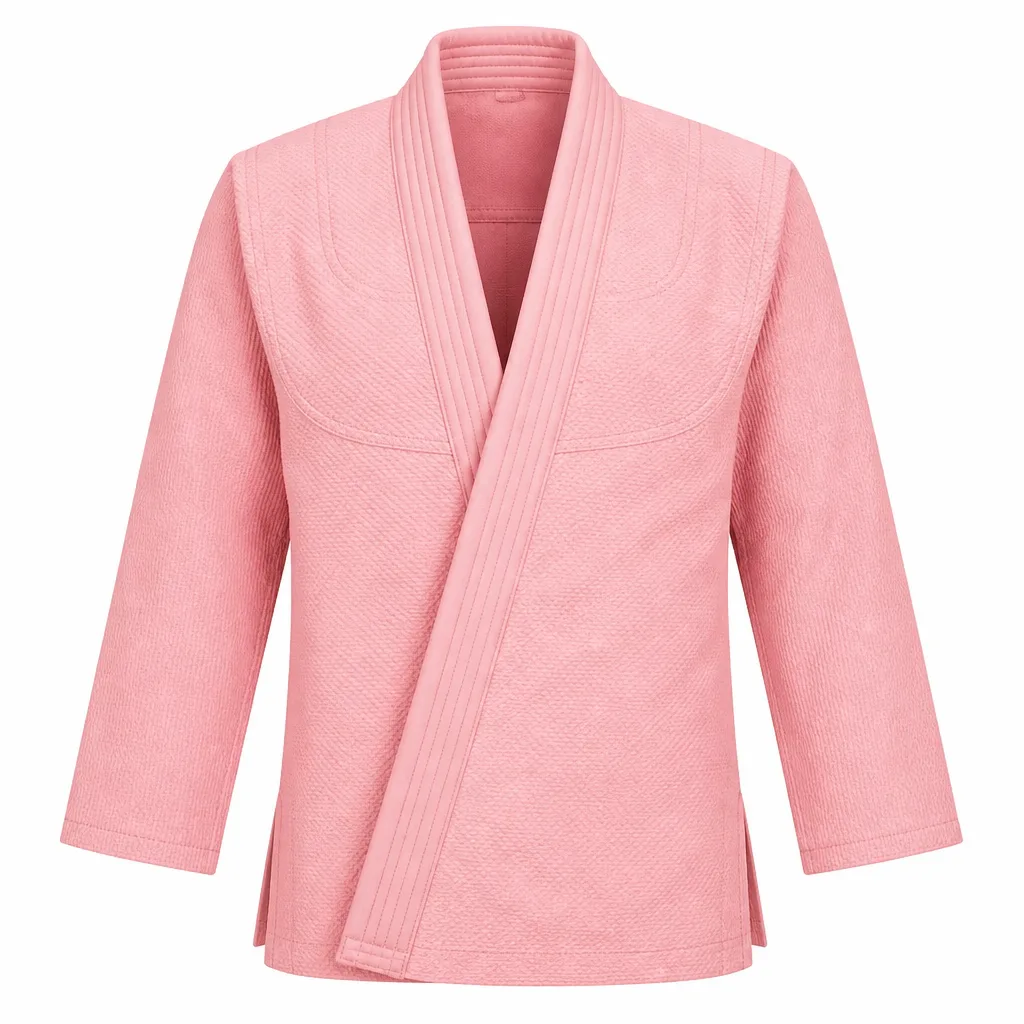
- Women: F1-F3 options with tailored cuts for hip mobility in berimbolos.
Pro tip: In home workouts, looser fits prevent overheating; tighten for comps. Always check Apollo MMA's size charts for precise fits.
Durability and Maintenance
These endure 6-12 months of 5x/week training. Wash in cold water, air dry—harsh detergents fade dyes faster. Limitations? Heavier weight can fatigue beginners in hot climates, so pair with breathable shorts from our MMA shorts collection.
Performance in scenarios: During a recent wrestling camp, an Eastern Europe gi held up to 50+ rep drills, where a standard gi tore at the sleeve.
Practical Applications: Training Scenarios Where It Shines
BJJ Eastern Europe for training adapts seamlessly across environments.
Gym Sessions and Sparring
In commercial gyms blending BJJ and MMA, the grip strength aids collar chokes transitioning to ground-and-pound setups. For sparring with strikes, reinforced collars prevent ripping during frantic scrambles.
Competition Prep
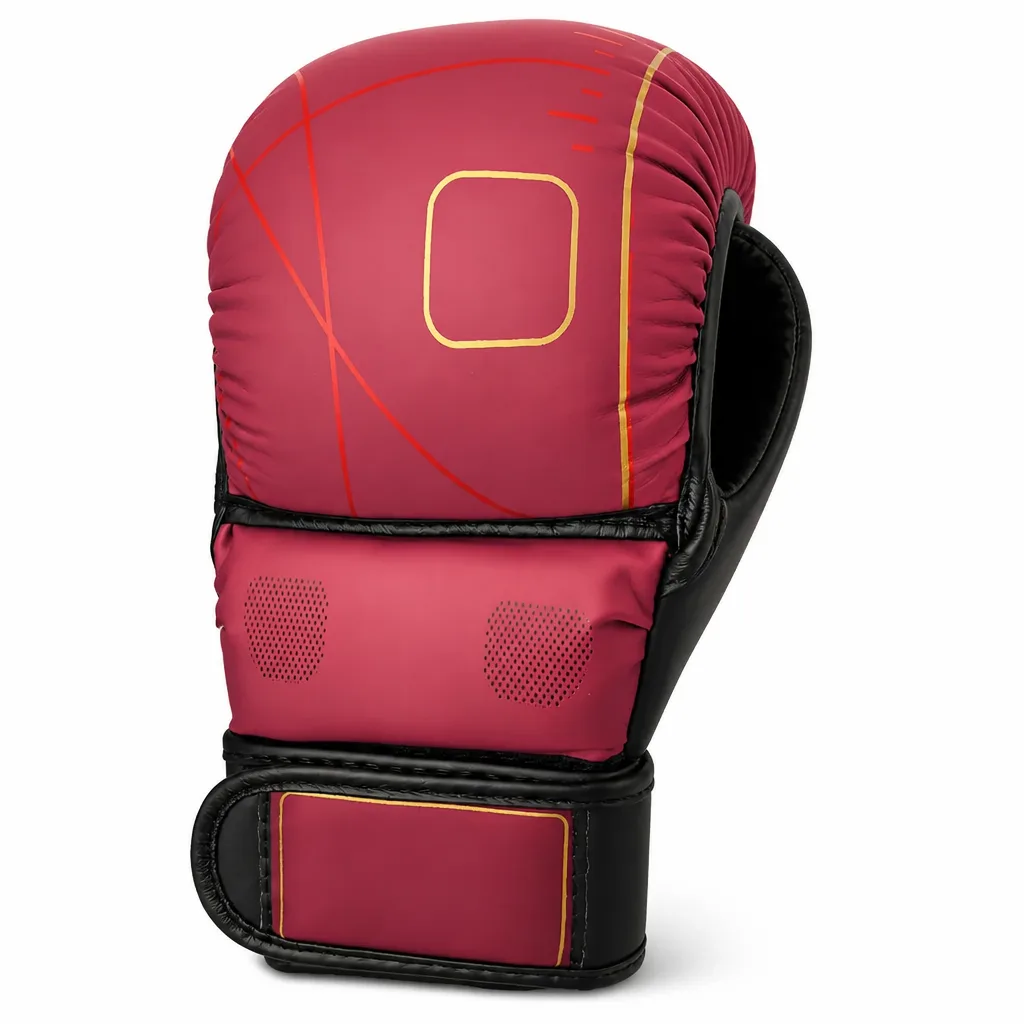
IBJJF-legal for tournaments, but MMA pros use them for open mats. Pair with MMA gloves from our selection for hybrid drills mimicking cage fights.
Home Workouts and Travel
Compact packing for camps; durable for solo dummy work. Beginners love the confidence from gear that doesn't fail mid-drill.
For Kickboxing or Muay Thai crossover, no-gi rash guards layer under shorts without bulk, enhancing clinch escapes rooted in BJJ.
Expert Recommendations: Top Picks from Apollo MMA
As a coach who's outfitted teams, here are my vetted choices for the best BJJ Eastern Europe:
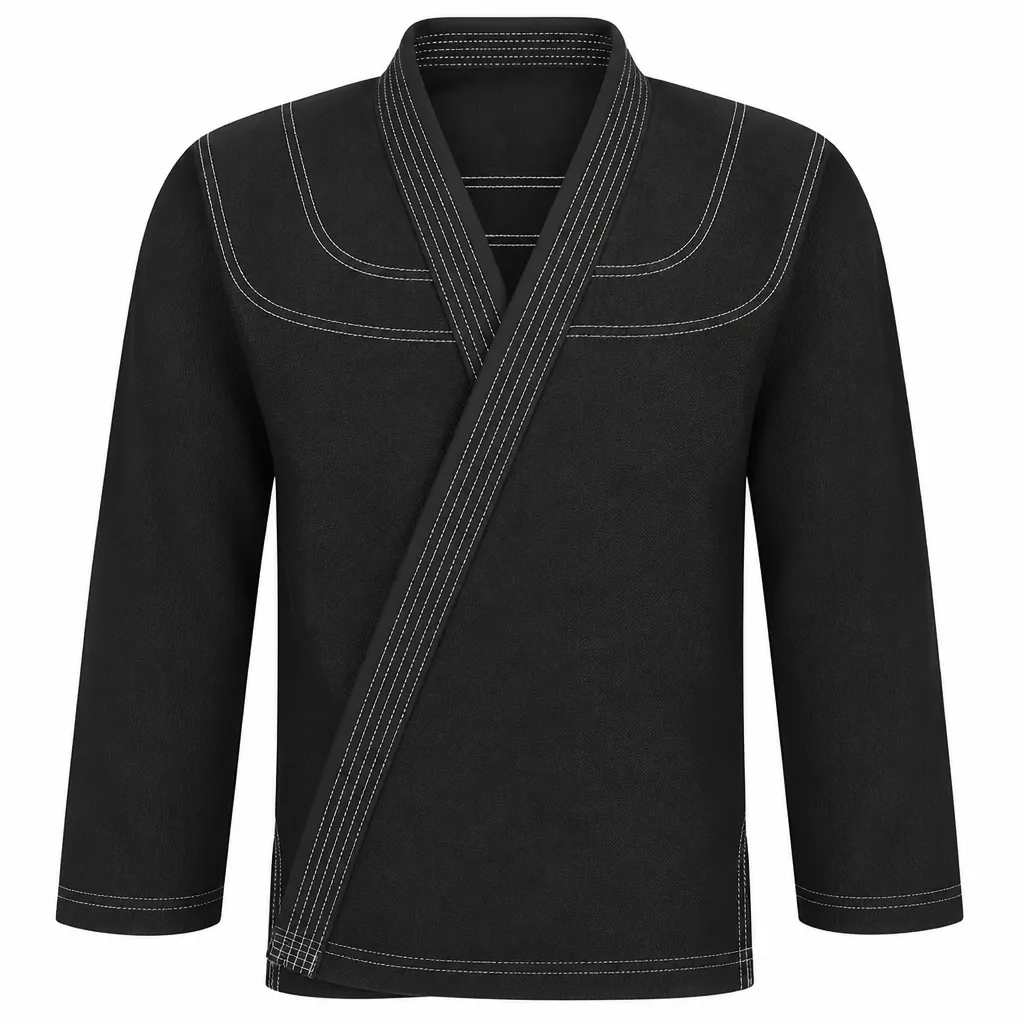
- Elite Pearl Weave Gi: 550gsm, IBJJF approved. Perfect for pros—$120 value. Ideal for wrestling-heavy MMA.
- Hybrid No-Gi Rash Guard Set: Anti-slip silicone grips, UV protection. Beginners to advanced, $60.
- Competition Pants: Ripstop reinforced, drawcord waist. Pairs with any top for no-gi wrestling.
Honest trade-offs: Not the lightest for pure BJJ comps, but unbeatable for MMA grind. Shop our BJJ gear collection and Eastern Europe BJJ exclusives—free shipping on orders over $100. For ear protection during rolls, add headgear from top brands like Cliff Keen.
Advanced tip: Customize with embroidery for team pride; lasts through seasons.
Conclusion: Elevate Your Game with BJJ Eastern Europe
Choosing BJJ Eastern Europe for fighters isn't just about gear—it's investing in the resilient spirit of grapplers who've turned dojos into proving grounds. From history-rich fabrics to battle-tested performance, this category delivers for MMA's demands. Whether drilling takedowns or surviving scrambles, it empowers every level.
Ready to experience the difference? Head to Apollo MMA's collection today and gear up like the pros. Your next submission starts here.
Train smart, fight strong. – Michael Park