The Art of Choosing Bjj Seminars for MMA
Have you ever signed up for a BJJ seminar hyped as a game-changer, only to leave feeling like you just paid for a fancy warm-up? As a Muay Thai practitioner who's crossed over into MMA and attended countless bjj seminars, I know the frustration. For MMA fighters, the ground game isn't optional—it's survival. But with seminars popping up everywhere, picking the right MMA bjj seminars can mean the difference between sharpening your guard passes or wasting a weekend.
In this guide, we'll tackle the problem head-on: too many options, not enough relevance to your fight style. Drawing from my hands-on experience rolling with pros and conditioning fighters at Apollo MMA, I'll walk you through a proven system to choose bjj seminars for fighters that deliver real MMA edge.
Understanding the Challenge of BJJ Seminars for MMA Fighters
MMA demands a hybrid skill set. You're not just a grappler; you're blending Muay Thai clinch work, wrestling takedowns, and BJJ submissions under pressure. Yet most bjj seminars cater to pure jiu-jitsu practitioners drilling techniques in isolation. I've seen intermediate MMA guys attend gi-heavy events, only to struggle adapting no-gi flows back to the cage.
The overload is real. Social media floods with "world-class" instructors, but without context, it's a gamble. Beginners chase black belts with flashy titles, while pros overlook seminars mismatched to their weight class or fight tempo. Add travel costs, seminar fees ($100–$300 a pop), and gear wear-and-tear, and poor choices hit your wallet and recovery hard.
From my training logs, seminars shine when they address MMA-specific pain points—like escaping under strikes or chaining subs from top control. But generic ones? They reinforce habits that crumble against kickboxers or wrestlers. Safety matters too: overcrowded mats lead to tweaks, especially if you're skimping on proper rash guards or mouthguards.
Your Solution: A Fighter-Focused Framework for Selecting BJJ Seminars
The good news? You don't need to seminar-hop endlessly. My framework boils it down to instructor pedigree, curriculum fit, and logistics tailored for MMA. It's battle-tested from events I've hit in Bangkok gyms to U.S. fight camps. This approach ensures bjj seminars for training align with your goals, whether you're a beginner building fundamentals or a pro refining transitions.
Think of it as scouting opponents: vet the source, match the style, and gear up right. Apollo MMA stocks everything from premium BJJ rashguards to durable gis, so you're seminar-ready without breaking the bank. Let's break it into actionable steps.
Detailed Steps to Picking the Best BJJ Seminars
Follow these steps sequentially, and you'll zero in on high-value best bjj seminars. I've used this exact process to select events that boosted my clinch-to-ground transitions.
Step 1: Prioritize Instructors with MMA Pedigree
Start with the coach. Look beyond belt rank—seek black belts with cage time. Guys like Gordon Ryan excel in no-gi, perfect for MMA, while gi wizards like Marcelo Garcia offer grip-fighting insights transferable to wrestling. Check their fight record on Sherdog or Tapology.
In my experience, instructors who've cornered UFC fighters (think John Danaher disciples) teach pressure-testing that pure BJJers miss. Avoid seminar nomads chasing seminar fees over quality; cross-reference attendee reviews on Reddit's r/bjj or BJJ Globetrotters forums.
Step 2: Match the Curriculum to Your MMA Needs
Not all MMA bjj seminars are equal. Scrutinize the agenda: does it cover guard retention under punches? Half-guard sweeps for smaller frames? For Muay Thai crossovers like me, prioritize anti-wrestling and backtakes from clinches.
Beginners: Focus on fundamentals like posture and frames. Intermediates: Drill transitions. Pros: Seek pressure passing or leg lock defense, increasingly vital post-Khabib era. If it's gi-only and you're no-gi MMA, pass unless it explicitly bridges worlds.
Step 3: Evaluate Logistics and Environment
Location trumps hype. Proximity cuts recovery time—I've skipped Cali events for local ones to maintain my striking volume. Check gym specs: mat space (at least 1,000 sq ft for 50+ attendees), AC (overheating kills focus), and hygiene (post-COVID must).
Timing: Weekends avoid work bleed, but scout for open mats post-seminar. Cost-benefit: $150 events with Q&A beat $250 lectures. For traveling fighters, pair with gear like our Apollo MMA duffel bags for seamless packing.
Step 4: Vet Feedback from Fighters Like You
Dig into unfiltered reviews. YouTube breakdowns reveal pace and depth—slow-mo technique clips show if it's MMA-applicable. Forums highlight red flags like "too salesy" or "injury-prone drills."
Pro tip: Message past attendees via Instagram. As someone who's rolled 100+ seminar hours, I prioritize events with 4.5+ stars from MMA accounts over grappler echo chambers.
Step 5: Gear Up and Prep for Success
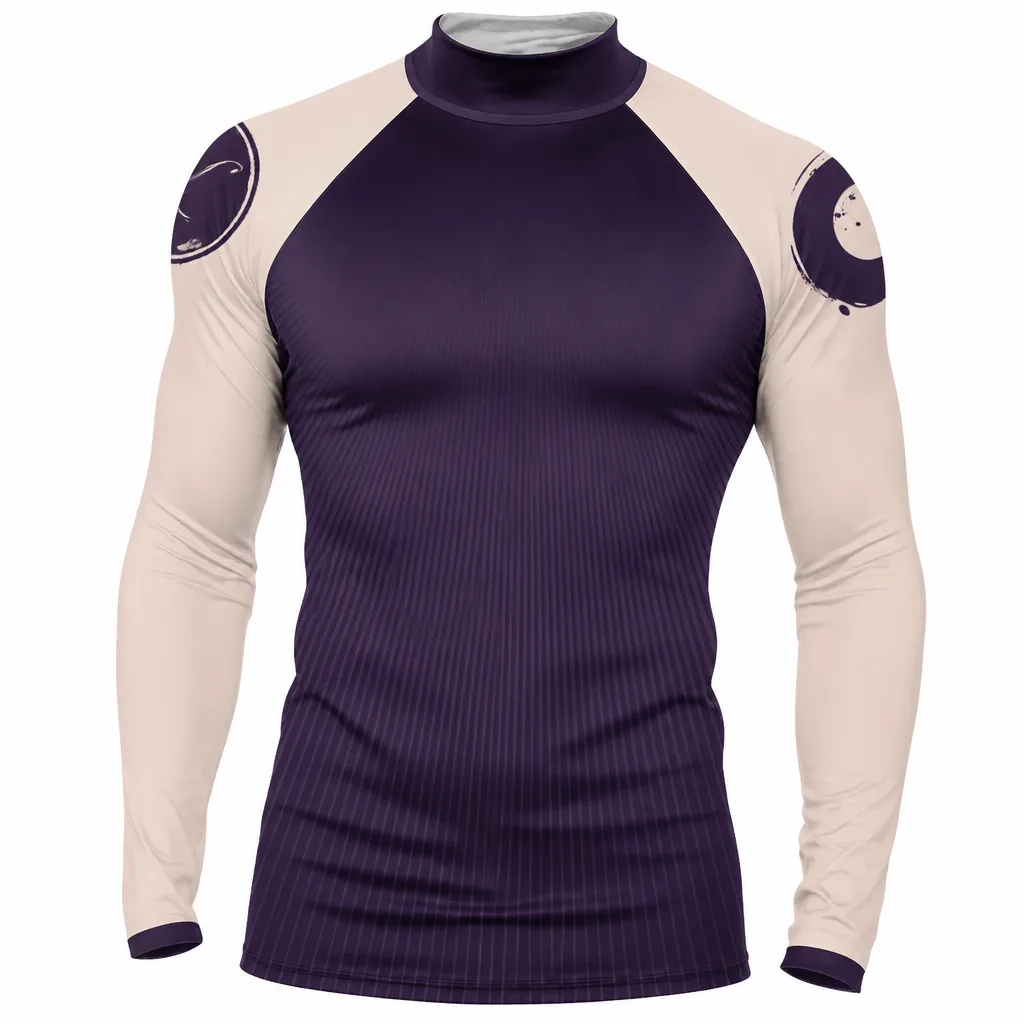
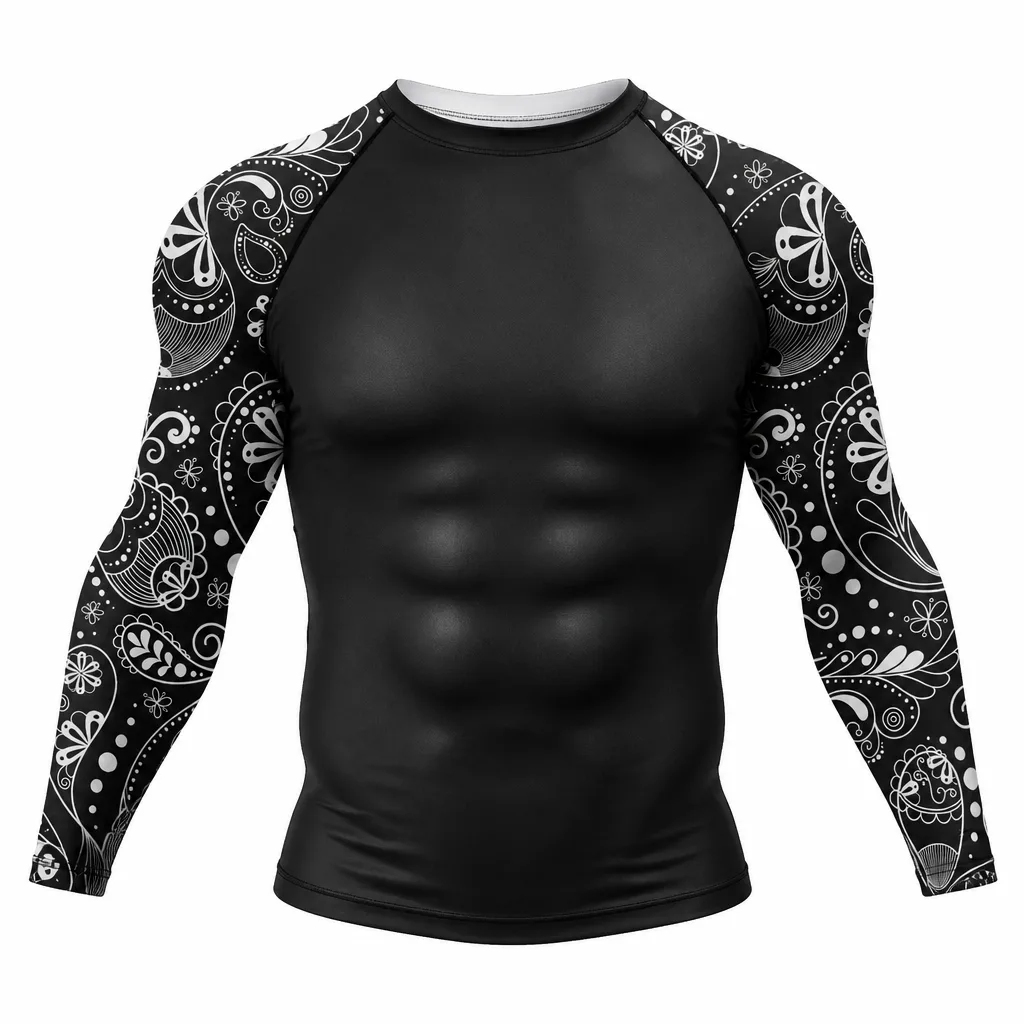
Seminars test your kit. For no-gi bjj seminars for fighters, pack moisture-wicking rashguards (Hayabusa or Venum hold up best, with flatlock seams preventing chafing during long rolls). Gi days? Tatami Elements Gis breathe well without excess weight.
Don't forget knee pads for guard work, quality mouthguards, and finger tape. I've shredded cheap gloves at mixed events—invest in versatile MMA training gloves from Apollo MMA. Wash gear immediately post-event to dodge ringworm; athletic tape residue invites bacteria.
Expert Tips from the Mats: Maximizing BJJ Seminars for MMA Gains
- Body Type Match: Lighter fighters (under 170lbs) thrive at dynamic seminars like Keenan Cornelius events; heavies prefer John Wayne Parr-style pressure drills. Test via free YouTube previews.
- Safety First: Arrive early for prime mat real estate. Warm up solo—dynamic stretches prevent strains. If injured, skip; seminars exacerbate tweaks.
- Post-Seminar Integration: Film rolls, then drill 3x weekly. Pair with wrestling for MMA flow. Track progress in a journal—my Muay Thai shins thanked me after better guard recovery.
- Budget Hacks: Globetrotter passes offer multi-seminar deals. Bundle with Apollo MMA's BJJ gear bundles for value. Skip merch upsells; technique is the real ROI.
- Hybrid Training Tie-In: For kickboxers/Muay Thai folks, seek "MMA BJJ" labeled events. Lesser-known gem: Seminars blending BJJ with sprawl-and-brawl escapes—gold for standuppers.
- Level-Specific: Beginners audit first hour free if offered. Pros negotiate private follow-ups. Home gymmers? Virtual hybrids from 10th Planet count as bjj seminars for training.
One insider hack: Follow seminar vets on Instagram (e.g., @bjjnomad) for unadvertised pop-ups. I've scored game-changers this way, like a closed-door Danaher session adapting 50/50 to MMA strikes.
Honest caveat: No seminar replaces consistent mats. They're accelerators, not substitutes. Over-relying leads to technique soup without timing—seen it stall pros.
Conclusion: Elevate Your Game with the Right BJJ Seminars
Choosing best bjj seminars isn't luck—it's strategy. By vetting instructors, aligning curricula, and prepping gear, you'll turn weekends into weapons. From my years conditioning fighters and hitting global mats, these picks have fortified my MMA arsenal, blending Muay Thai knees with unbreakable ground control.
Ready to level up? Stock up on essentials at Apollo MMA—our recovery gear like foam rollers ensures you're fresh for the next one. And check our BJJ shorts collection for no-gi dominance. Drop your seminar wins in the comments—what's your go-to for MMA BJJ gains?
Written by Jennifer Rodriguez, Sports Nutrition Expert & Muay Thai Practitioner at Apollo MMA. Gear up, train smart, fight strong.