How to Choose the Perfect Jiu Jitsu Camp for Your Training
Picture this: You're an MMA fighter wrapping up a grueling sparring session in your local gym, sweat-soaked in your favorite Hayabusa rash guard, dreaming of that intensive jiu jitsu camp where you'll sharpen your guard passes and submissions against world-class partners. The adrenaline fades, but excitement builds—what if this camp transforms your ground game? Choosing the right jiu jitsu camp isn't just a vacation; it's a pivotal investment in your skills. As a Brazilian Jiu-Jitsu black belt and strength coach who's trained at camps from California to Brazil, I've seen firsthand how the perfect one accelerates progress while avoiding burnout.
The Evolution of Jiu Jitsu Camps: A Brief History
Jiu jitsu camps trace their roots to the early days of Brazilian Jiu-Jitsu in the 20th century, when Helio Gracie hosted informal training gatherings on the beaches of Rio de Janeiro. These sessions evolved into structured events as BJJ spread globally in the 1990s, fueled by the UFC's rise. Pioneers like the Gracies and Alliance team formalized camps to immerse students in high-volume drilling and live rolling.
Today, MMA jiu jitsu camps blend pure grappling with striking integration, catering to fighters from Muay Thai strikers transitioning to no-gi wrestling. Brands like Tatami and Shoyoroll emerged alongside this boom, supplying durable gis tested in these sweat-drenched environments. Understanding this history helps you appreciate why camps remain the gold standard for rapid skill acquisition—far beyond weekly classes.
Key Concepts in Selecting a Jiu Jitsu Camp
At its core, a top-tier jiu jitsu camp for training revolves around four pillars: elite instruction, tailored curriculum, optimal facilities, and community vibe. Instructors should hold high-level black belts with competition pedigrees—think multiple IBJJF Worlds medals or UFC experience. Curriculum must balance technique, drilling, and sparring ratios, typically 40/40/20 for intermediates.
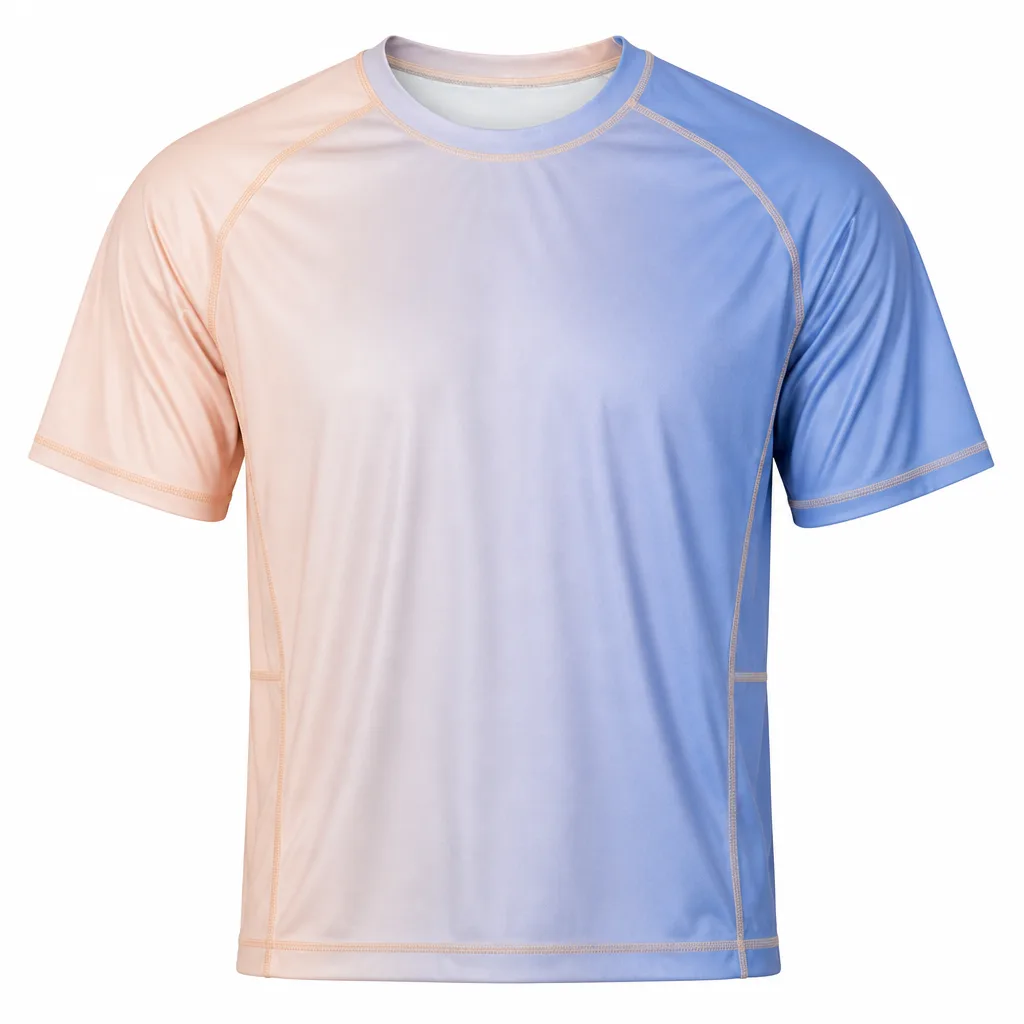
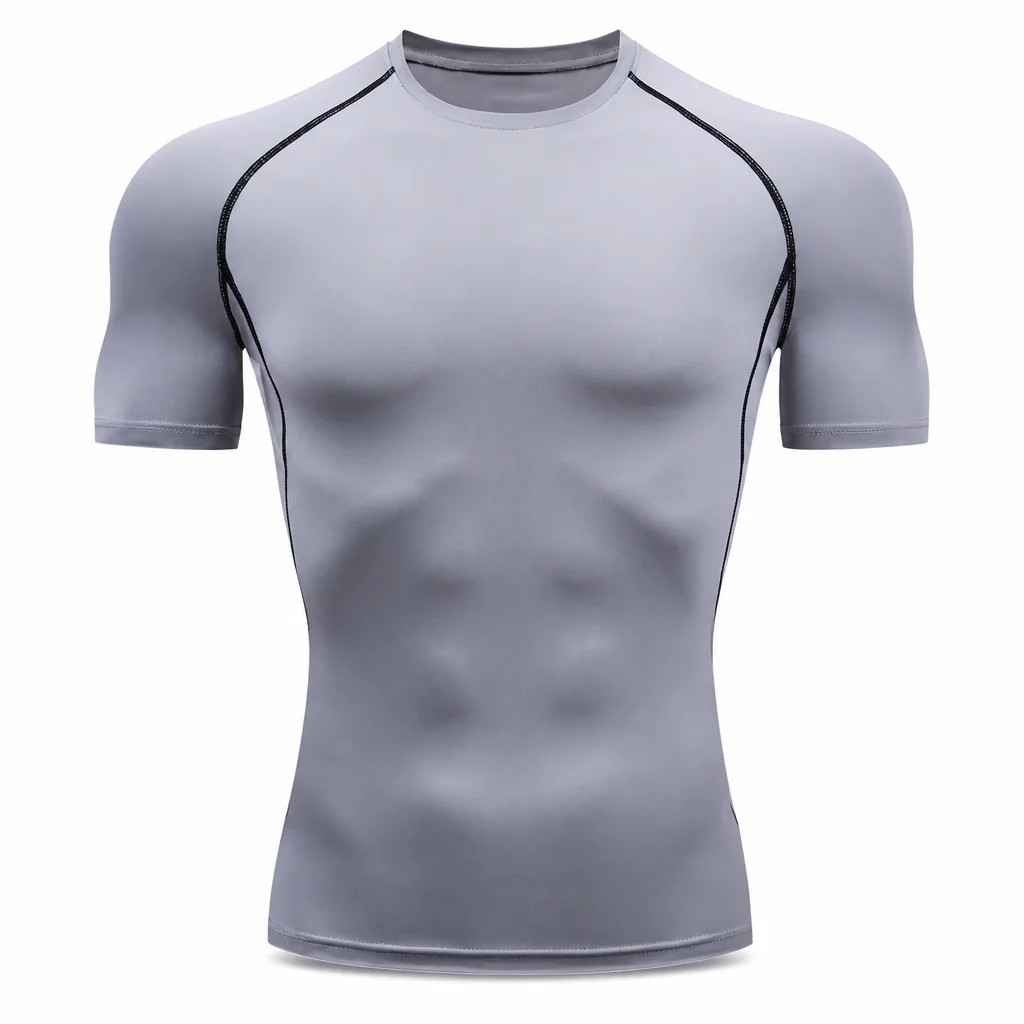
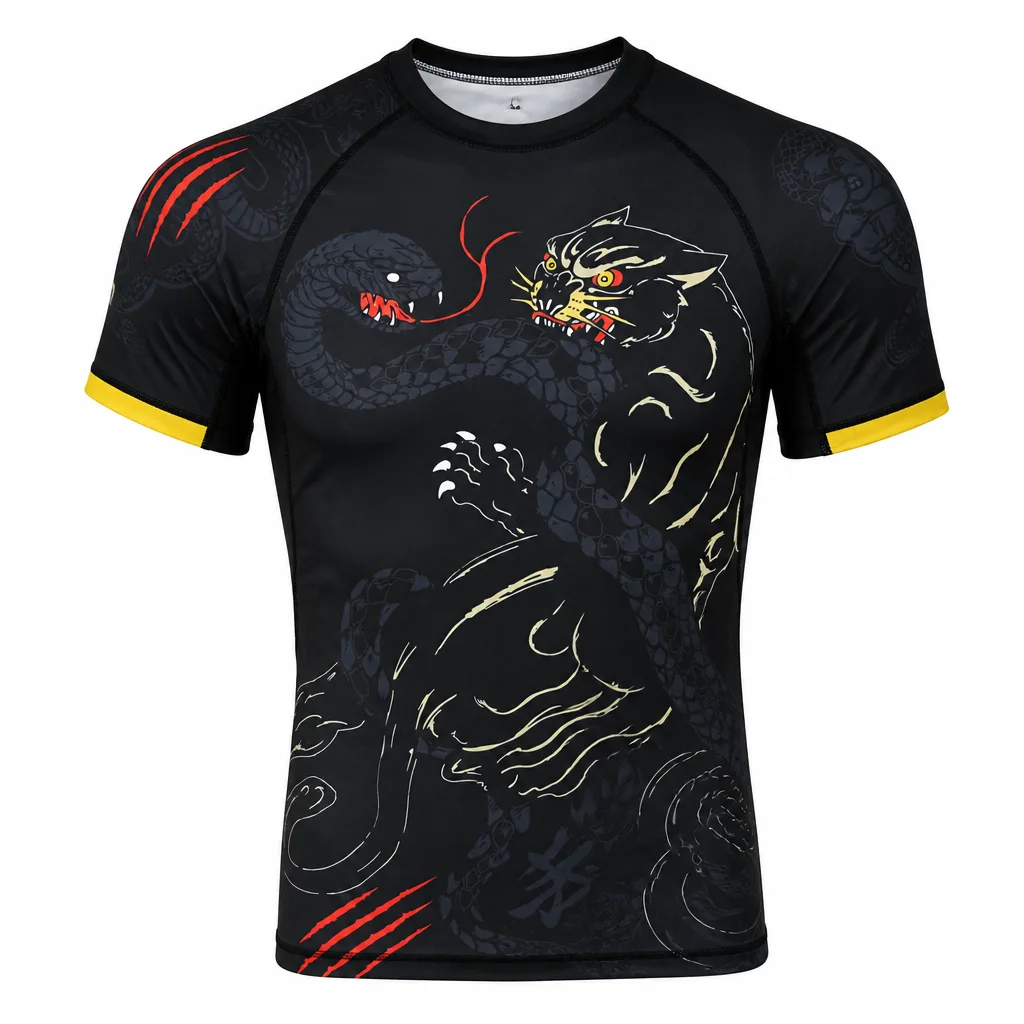
Facilities matter for recovery: expect tatami mats from brands like Zebra, quality showers, and nutrition setups. Community fosters growth; camps with diverse attendees—from beginners to pros—mirror real-world rolling. Gear-wise, prioritize moisture-wicking rash guards and compression shorts; I've ripped standard cotton ones after day two of non-stop sessions.
- Instruction Quality: Verify coach credentials via ADCC or Pan-Ams results.
- Curriculum Fit: Gi, no-gi, or MMA-specific themes.
- Facilities: Air-conditioned mats prevent slips from sweat buildup.
- Atmosphere: Inclusive yet intense—avoid ego-driven scenes.
Detailed Analysis: Breaking Down Your Selection Criteria
Location and Accessibility
Proximity cuts travel stress, but iconic spots like Costa Azul in Brazil offer unparalleled vibe. For U.S.-based fighters, camps in Austin or Oxnard provide world-class training without jet lag. Consider altitude—high-elevation camps like those in Bogota build cardio resilience, ideal for MMA fighters blending BJJ with Kickboxing.
Logistics tip: Fly with your gi rolled tightly in a Venum duffel to avoid baggage fees. I've logged 50,000 miles attending camps; always pack extra strings for your Tatami gi, as humidity snaps them fast.
Duration and Intensity Levels
Week-long camps suit busy pros, while 10-day immersions drive breakthroughs for dedicated hobbyists. Beginners thrive in 5-day intros with lighter rolling; advanced grapplers need 7+ days of positional sparring. Assess your recovery: as a coach, I recommend monitoring heart rate variability pre-camp to gauge readiness.
Intensity varies—some emphasize flow rolling (great for technique retention), others shark tanks (pro-level for testing limits). For jiu jitsu camp for fighters, seek MMA hybrids with wrestling takedown drills.
Cost vs. Value Breakdown
Entry-level camps run $500-$1,000 (lodging included), premiums hit $2,500+ with all-stars like Gordon Ryan. Factor hidden costs: gear upgrades, travel, physio. Value shines in post-camp progress—I've seen students jump a belt stripe after one elite event.
Honest trade-off: Budget camps skimp on mats or food, risking injury or fatigue. Invest in durable Fairtex shorts for no-gi days; cheap ones tear on berimbolos, sidelining you mid-week.
Gear Essentials and Preparation
Your setup defines camp success. A pearl-weave gi like the Hayabusa Hakama withstands 6-8 hours daily without fraying, unlike single-weave options that balloon in humidity. No-gi? Spandex rash guards from Venum wick sweat, preventing mat burns during endless scrambles.
Sizing note: Order half-size up for swelling feet in compression socks—I've coached fighters regretting tight fits after Day 3 edema. Maintain gear with athletic tape for reinforced cuffs; machine-wash cold to preserve stitching integrity.
Practical Applications: Tailoring Camps to Your Needs
For beginners, target foundational jiu jitsu camps for training emphasizing shrimp escapes and basic guards—avoid pro-heavy events overwhelming your defense. Intermediate wrestlers adding BJJ? MMA-focused camps integrate sprawls with armbars seamlessly.
Pro fighters prepping UFC runs prioritize no-gi camps with strength seminars; I've drilled these with clients blending Boxing footwork into guard retention. Home gym users benefit from camps resetting bad habits formed in isolation.
Safety first: Disclose injuries during registration. In competition scenarios, camps simulate tournament fatigue—perfect for IBJJF prep. Check out our [training tips](/blogs/training) for pre-camp conditioning protocols.
Skill Level Matchups
- White/Blue Belts: Focus on survival and fundamentals; 4-5 days max.
- Purple/Brown: Technique deep-dives with live rolling; 7 days.
- Black Belts: Instructor-led seminars; network for seminars.
- MMA Athletes: Hybrid camps with striking cross-training.
Real-world example: A Muay Thai striker I coached attended a no-gi camp, emerging with knee-ride escapes that neutralized takedown attempts in sparring. Adapt for environments—commercial gyms favor structured camps, while home setups need intensity boosts.
Expert Recommendations from a BJJ Black Belt
As Sarah Chen, I've rolled at over 20 camps worldwide, from Gracie academies to invite-only events. Seek the best jiu jitsu camp by vetting via alumni testimonials on forums—not polished ads. Prioritize coaches with coaching pedigrees, like those producing multiple ADCC champs.
Top picks by type:
- MMA Jiu Jitsu Camp: No-gi emphasis with wrestling; pack Ringside shorts for grip-free movement.
- Gi Specialists: Pearl-weave mandatory; Shoyoroll Elements excels in dye-fastness for multi-day wear.
- Women's Camps: Smaller groups for personalized feedback; Everlast rash guards offer bust support.
Gear bundle from Apollo MMA: Hayabusa gi, Venum compression set, and Zebra mat tape—battle-tested for camps. Budget wisely; skip flashy logos for reinforced knees. For more, explore our [training tips](/blogs/training).
Pro tip: Film sessions for review; lesser-known but game-changing for retention. Avoid overhyped events lacking structure—I've wasted weeks there.
Conclusion: Roll Into Your Best Self
Selecting the perfect jiu jitsu camp catapults your training, whether you're a weekend warrior or title contender. Weigh instructors, fit, and gear meticulously for transformative results. At Apollo MMA, we're your one-stop for camp-ready apparel—from Tatami gis to Fairtex no-gi kits—ensuring you focus on mats, not mishaps.
Ready to level up? Browse our premium collection today and step confidently into your next jiu jitsu camp. Your breakthrough awaits—oshi-nage your doubts aside.
By Sarah Chen, BJJ Black Belt & Strength Coach at Apollo MMA