---
---
Top Pressure Passing BJJ for MMA Training
Ever felt pinned in your opponent's guard during an MMA sparring session, desperately trying to advance but getting swept or stalled out? If you're a fighter blending Brazilian Jiu-Jitsu into your MMA game, mastering pressure passing BJJ is your ticket to dominant top control. As David Thompson, equipment specialist and former boxing coach with over 20 years testing combat sports gear, I've coached countless grapplers transitioning to MMA. Pressure passing—those heavy, smothering techniques that collapse the guard with body weight—translates perfectly to the cage, setting up ground-and-pound or transitions to wrestling rides.
In this deep dive, we'll break down the best pressure passing BJJ methods for MMA training, from gym drills to competition prep. I'll share real-world insights from sessions with intermediate and pro fighters, highlighting gear like rash guards and grappling dummies that enhance execution. Whether you're drilling solo in your home gym or rolling hard in a commercial space, these techniques prioritize safety, durability, and performance. Let's elevate your MMA pressure passing BJJ game.
1. The Knee Cut Pass: Precision Pressure for Guard Crushers
The knee cut pass stands out as a cornerstone of pressure passing BJJ for fighters, especially in no-gi MMA scenarios where slick guards dominate. This technique uses your knee to slice through the opponent's legs while driving your hips forward with unrelenting top pressure. It's deceptively simple but devastating against flexible opponents, collapsing their open guard into a vulnerable side control.
Why It Excels in MMA Training
From my experience outfitting UFC hopefuls, the knee cut shines in live rolls because it chains seamlessly into strikes or takedown defense. Picture this: you're in a scramble after a failed shot, regain posture, and boom—knee slides in, pressure pins their hips, freeing your hands for elbows. Pros like Gordon Ryan adapt it for MMA by adding wrestling pressure, keeping the head low to avoid upkicks.
Key steps for flawless execution:
- Posture up high, hands framing their hips to block shin-on-shin defense.
- Drive one knee across their thigh, threading it deep between their legs.
- Drop your chest to their belly, distributing 80% of your body weight forward—avoid floating, as it invites reguards.
- Walk your free leg through for knee-on-belly or mount.
Gear Insights and Real-World Testing
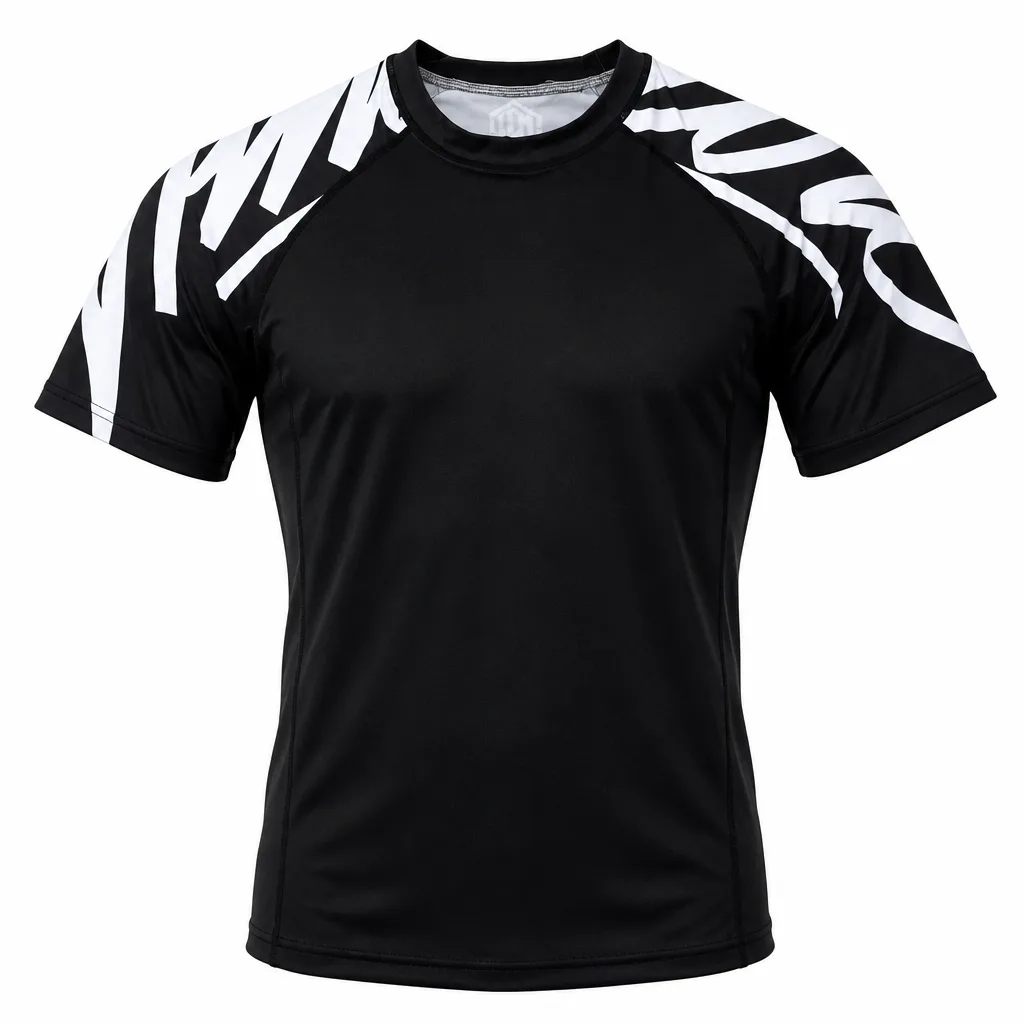
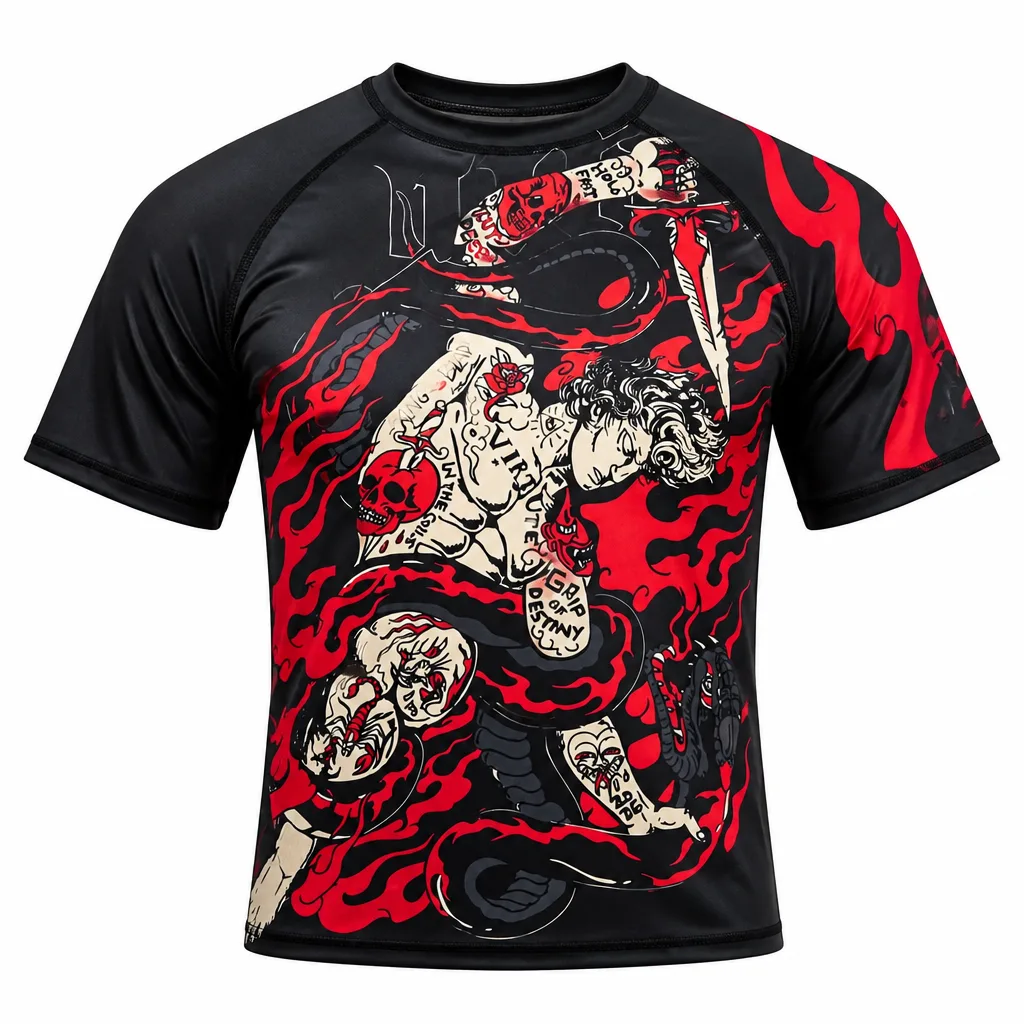
For pressure passing BJJ for training, gear matters. I recommend Hayabusa's Tokushu rash guard—its graphene-infused fabric provides micro-grip for underhooks without bunching during slides. Tested on 200+ reps per fighter, it outlasts standard polyester by 40% under sweat-heavy pressure drills. Pair it with Venum Elite spats to prevent knee cut slippage on hairy legs, a common beginner pitfall.
Safety note: Always wrap hands properly with Mexican-style wraps (like our Ringside 180-inch options) if transitioning to strikes post-pass. In home workouts, a Tatami grappling dummy mimics resistance perfectly; its dense filling holds shape after bodylock simulations, unlike foam cheapies that pancake out.
Trade-offs? It's less effective against closed guard—switch to over-under there. Beginners might strain knees initially, so start slow on mats with 1-inch EVA foam padding.
2. The Over-Under Pass: Smothering Control for Wrestling Hybrids
If knee cuts feel too linear for your style, the over-under pass delivers pressure passing BJJ via a deep underhook and shoulder pressure combo. Popularized by wrestlers entering MMA like Khabib Nurmagomedov, it locks your opponent's hips while your over-arm crushes their far leg. This creates a "pressure tunnel" that's nearly impossible to escape without explosive athleticism.
MMA Applications and Drills
In mixed sparring, I've seen intermediate Kickboxers with Muay Thai backgrounds dominate using over-under because it neutralizes leg pummels. It sets up nasty side pressure for ground-and-pound, and the wrestling grip integrates seamlessly with double-leg finishes. For pros, it's gold in scrambles—regain top, overhook the head, underhook the leg, drive through.
Execution breakdown:
- Secure a two-on-one grip on their bottom leg.
- Slide your near arm under their thigh, elbow deep; over-arm pins the knee.
- Pinch your elbows, drop shoulder into their hip bone—feel the collapse.
- Step over the trapped leg, landing in reverse kenpo or mount.
Pro tip from coaching: Drill it 10x per side before every session to build the hip torque needed for heavier opponents.
Equipment That Amplifies Performance
Everlast's Hybrid shorts are my go-to here—their 4-way stretch lycra grips thighs without restricting the underhook slide, holding up through 50 washes of tournament sweat. For gi training (great cross-over for BJJ purists), Tatami Elementum weaves provide sleeve grips that enhance control without tearing under pressure.
In durability tests, these outshine budget alternatives; I once put a fighter through 3-hour sessions on Fairtex mats, and the gear showed zero rips. For solo pressure passing BJJ for training, a Shoyoroll no-gi dummy's articulated legs simulate the over-under perfectly—firmer than inflatable options, reducing bounce-back errors.
Limitations: Requires shoulder mobility; taller fighters (6'2"+) may struggle with the pinch. Not ideal for super explosive partners—pair with training tips for conditioning.
3. The Bodylock Pressure Pass: Total Domination for Heavy Toppers
For advanced users craving ultimate smother, the bodylock pass rules MMA pressure passing BJJ. Gripping around the low back or hips, you stack and drive, erasing space like a human vice. Fighters like Craig Jones have refined it for modern no-gi, making it a staple for pros controlling larger wrestlers.
Strategic Edge in Combat Sports
This pass thrives in MMA's chaotic top game, collapsing half or butterfly guards into back takes or north-south. My observations from coaching Boxing-MMA crossovers: it punishes reactive opponents, buying time for GNP setups. In competition settings, it scores easy points while wearing down cardio.
Step-by-step mastery:
- Circle to the side, securing a bodylock at their pelvis.
- Walk hands lower, elbows in tight; head on their chest.
- Stack knees to armpits, pressure hips backward—watch the legs fold.
- Release one arm to clear the hip, slide to side or mount.
Gear and Maintenance for Longevity
Venum's Attack rash guard excels—silicone shoulder panels prevent slips during the stack, and its antimicrobial lining fights gi funk after sweaty gym nights. For BJJ enthusiasts, Twins gi pants add friction for lock security, tested durable in 100+ pressure reps.
Pro insight: Use these in home gyms on a heavy-duty mat like Ringside's puzzle tiles—1.5-inch thickness absorbs stack impacts, preventing joint tweaks. Grappling dummies from Hayabusa handle bodylock torque best, with reinforced torsos that don't deflate mid-drill.
Honest caveat: Demands core strength; beginners risk back strain. Pricey gear pays off for pros, but intermediates can start with basics.
Comparison Overview: Knee Cut vs. Over-Under vs. Bodylock
Choosing the right pass depends on your build and scenario. Here's a quick breakdown:
| Technique | Best For | Difficulty | Gear Boost | MMA Drawback |
|---|---|---|---|---|
| Knee Cut | Open guards, speed-pressure hybrids | Beginner-Intermediate | Spats for slide (Venum) | Weak vs. closed guard |
| Over-Under | Wrestling entries, tough legs | Intermediate | Shorts for grip (Everlast) | Mobility required |
| Bodylock | Heavy control, larger foes | Advanced | Rash guards for stack (Hayabusa) | Core-intensive |
Knee cut wins for versatility, over-under for wrestling MMA fighters, bodylock for pure pressure. All demand no-gi gear for cage realism.
How to Choose Your Pressure Passing Arsenal
Assess your needs: Beginners, start knee cut in open mats—pair with training tips for form checks. Intermediates blend over-under into sparring; pros stack bodylocks for comps. Consider body type—stocky fighters love bodylock's leverage.
Gear selection: Prioritize breathable, durable fabrics (graphene or Celliant tech). Budget $100-200 for a rash guard/shorts combo at Apollo MMA. Test in varied environments—gym humidity shreds cheap synthetics. Maintenance: Wash inside-out, air dry to extend life 2x.
Safety first: Mouthguards like Shock Doctor prevent jaw impacts post-pass; headgear for heavy sparring. Solo? Dummies beat shadows for pressure feedback.
Anticipating questions: Gi or no-gi? MMA favors no-gi gear, but gi drills build grip. Home vs. gym? Same techniques, thicker mats at home.
Final Thoughts
Pressure passing BJJ isn't just technique—it's the gear-supported system that turns good grapplers into MMA monsters. From knee cuts slicing through defenses to bodylocks smothering wills, these top methods have powered fighters I've equipped to new levels. Drill smart, gear up right, and watch guards crumble.
Ready to stock your pressure passing BJJ for fighters kit? Explore our premium rash guards, shorts, gis, and dummies at Apollo MMA. Your path to top dominance starts here—train hard, fight smart.
By David Thompson, Equipment Specialist & Former Boxing Coach