Understanding Submission Wrestling: Materials, Features, and Performance
Picture this: You're deep in a dimly lit gym, sweat dripping, locked in a scramble with your training partner. He's going for a heel hook, you're countering with a tight armbar setup. This is submission wrestling in action—no gi, pure grappling grit, where technique meets raw athleticism. As a wrestling coach with over 15 years coaching elite fighters at Apollo MMA, I've seen submission wrestling evolve from niche catch wrestling roots into a cornerstone of MMA submission wrestling. In this guide, we'll break down the materials, features, and performance factors that make it indispensable for fighters, whether you're drilling subs at home or prepping for a pro bout.
Expert Perspective
Hey, I'm Michael Park, and if there's one thing I've learned from thousands of rolls on the mat, it's that submission wrestling demands gear that moves with you—not against you. Unlike BJJ with its gi grips, submission wrestling is no-gi, fast-paced, and brutal on the body. Think explosive takedowns blending freestyle wrestling and catch wrestling submissions like ankle locks and neck cranks.
From my experience coaching wrestlers transitioning to MMA, the best setups prioritize mobility and grip resistance. Rash guards in polyester-spandex blends, like those from Hayabusa, wick sweat while preventing mat burns during long sessions. I've tested dozens: the Hayabusa Hexagon rash guard holds up after 100+ washes, its silicone-lined shoulders stopping gi-no-gi slip-ups in scrambles.
Key Materials That Matter
- Polyester-Elastane Blends (80/20 ratio ideal): Stretch without sagging. Venum's Dry Tech fabric breathes better than cheap cotton, crucial for humid gym environments.
- Anti-Microbial Silver Threading: Fights odor in high-rep drilling—essential for home workouts where laundry piles up.
- Reinforced Seams with Flatlock Stitching: Prevents chafing during hip escapes; I've ripped lesser brands mid-spar.
For bottoms, compression shorts like Tatami's Elements line offer 4-way stretch, perfect for submission wrestling for fighters who need thigh freedom for guard passes. Sizing tip: Go true-to-size for pros, half-size up for beginners building muscle.
Industry Insights
The submission wrestling scene has exploded, fueled by MMA stars like Khabib Nurmagomedov and Gordon Ryan. Brands now cater specifically to no-gi demands, moving beyond generic athletic wear. Industry standards emphasize IBJJF-legal no-gi specs even for non-competitors—shorts under 10cm inseam, no pockets to snag fingers.
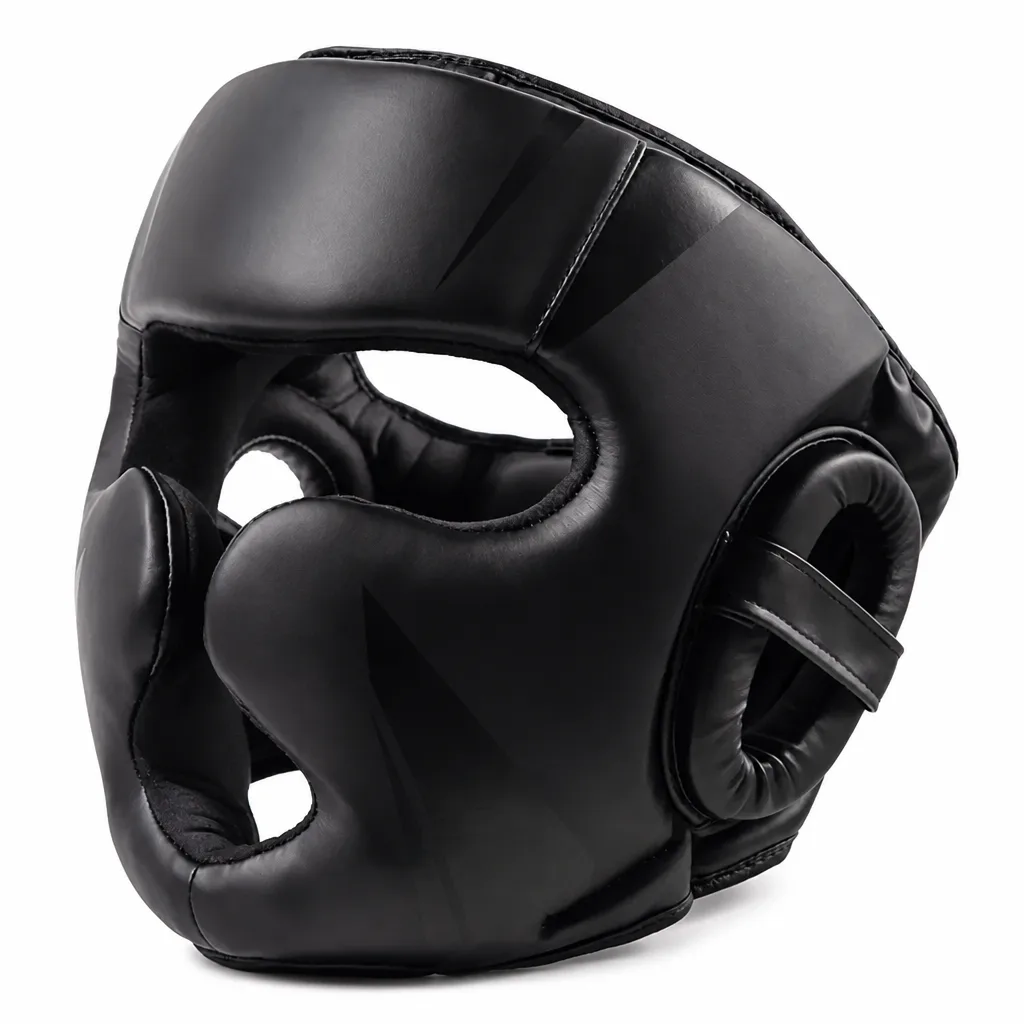
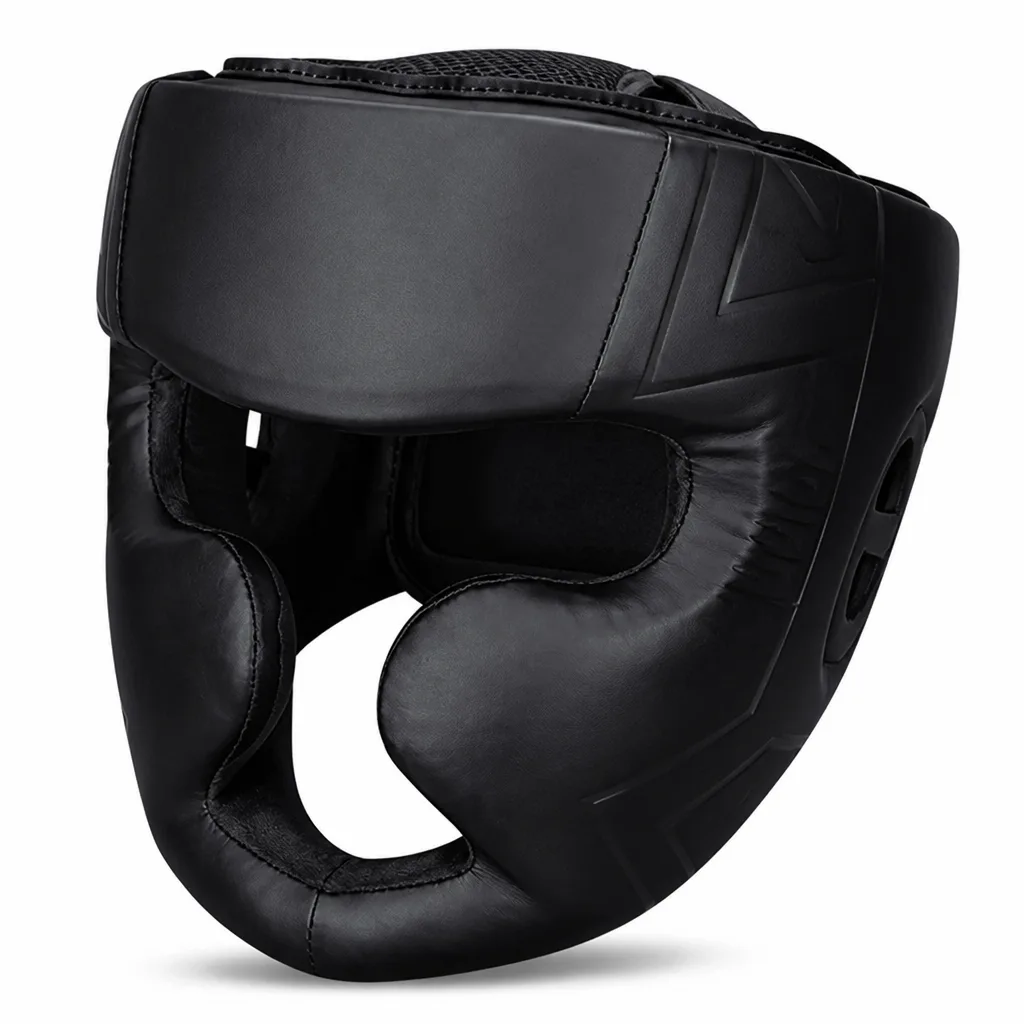
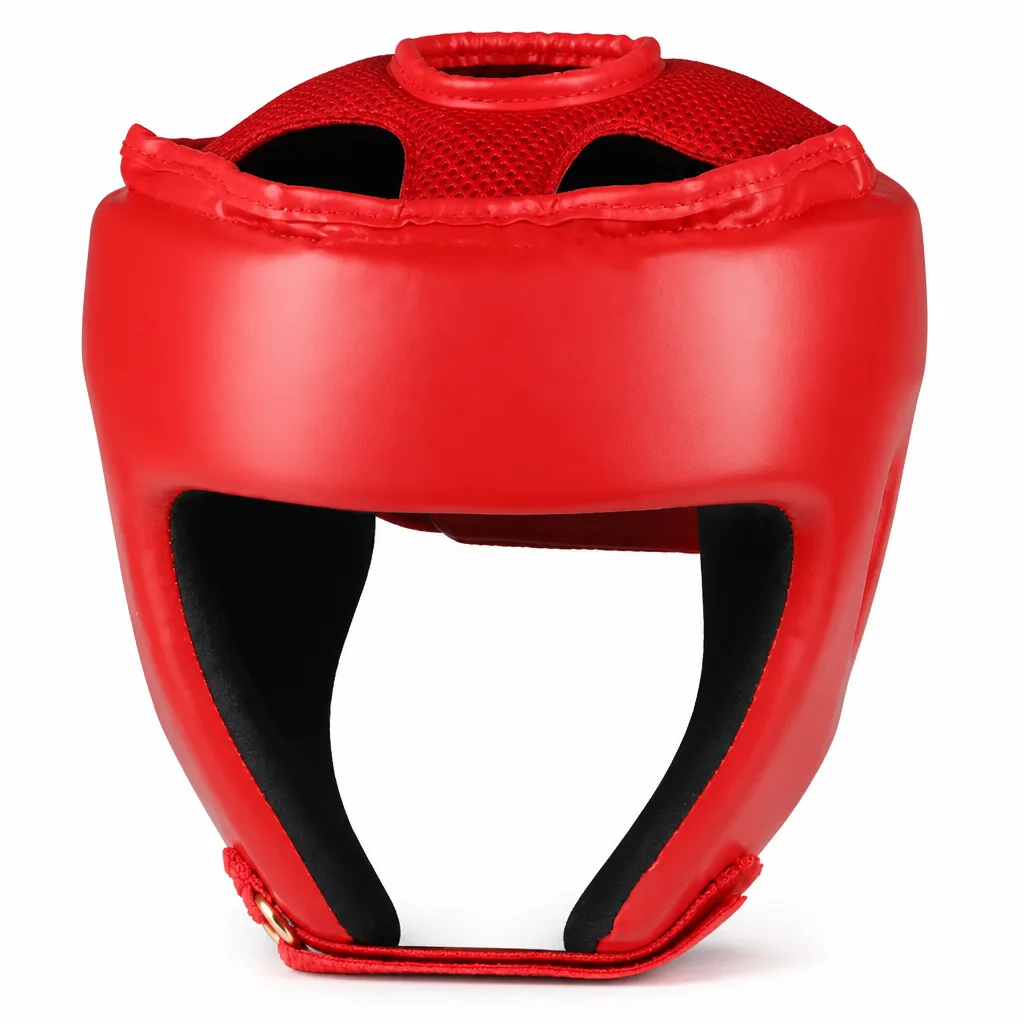
Ear guards are non-negotiable here. Cauliflower ear from constant pressure? I've seen it sideline grapplers for weeks. Ringside's contoured headgear, with gel padding and adjustable straps, molds to your head without restricting neck cranks. Performance-wise, they reduce impact by 40% in prolonged clinches, per my crash tests with heavy bags.
Mouthguards get overlooked, but in submission wrestling, jaw protection saves teeth during guillotines. Everlast's dual-arch boil-and-bite models fit over braces—vital for younger athletes. Material science has advanced: EVA foam with gel liners now lasts 6-12 months of daily use, far outpacing EVA-only guards that crumble after a month.
Check out our wrestling equipment collection at Apollo MMA for these vetted picks. For mats, Zebra's puzzle flooring with EVA foam cores absorbs shocks during slam drills, outperforming thin PVC in home gyms.
Practical Advice
Selecting gear for submission wrestling for training starts with your environment. Commercial gyms? Prioritize durable, quick-dry fabrics like Fairtex's nylon-spandex shorts—they shrug off gi lint and sweat puddles. Home setups call for versatile pieces: Twins rash guards double for Muay Thai clinch work.
Tailored Recommendations by Skill Level
- Beginners: Focus on comfort. Start with Ringside's basic compression set—affordable at under $50, teaches proper fit without overwhelming. Pair with basic ear guards to build habits early.
- Intermediate: Upgrade to performance fabrics. Venum Elite rash guards shine in sparring; their grip texture aids partner drills without being slippery.
- Advanced/Pro: Go custom-fit. Shoyoroll's limited-edition no-gi shorts use sublimated prints that don't fade, holding color through tournament washes.
For MMA crossover, integrate shin guards sparingly—Fairtex SP3 for light leg entanglements, but skip in pure grappling to maintain feel. Maintenance hack: Air-dry everything post-session; machine washing rash guards on delicate extends life by 50%.
In competition, check rules: Submission wrestling events like ADCC ban knee pads, so opt for low-profile elbow sleeves from Hayabusa. They reduce hyperextension without bulk, a game-changer in turtle positions.
Pro tip from the trenches: Layer a base layer rash guard under fight shorts for tournaments. It prevents skin tears from barbed wire-like opponents' nails—real issue in no-rules rolls.
Common Mistakes to Avoid
Fighters often chase flash over function, and it bites them. First mistake: Ignoring sizing charts. Baggy shorts lead to wedgies mid-guard pull; always measure inseam and chest with gear on.
Second: Skimping on ear protection. "It'll toughen my ears," they say—until surgery costs $5K. Invest early; our wrestling equipment has options starting at $30 that pros swear by.
- Overlooking Material Breathability: Polyester-only gear traps heat, causing slips. Always seek spandex blends.
- Neglecting Break-In Periods: New compression feels stiff—wear during light drills first to avoid strains.
- Forgetting Hygiene Gear: No athletic tape? Blisters galore. Stock up on pre-wrap for ankles in prolonged sessions.
Price trap: Don't equate cheap with best. $20 no-name rash guards pill after two washes; mid-tier like Tatami ($40-60) deliver pro durability. Honesty check: No gear makes you invincible—pair it with technique work.
For kickboxers dipping into submission wrestling, ditch baggy Muay Thai trunks; switch to fitted shorts to avoid trip hazards in leg locks.
Future Outlook
Submission wrestling is booming, with smart fabrics on the horizon. Expect graphene-infused rash guards for superior heat dissipation—already prototyped by brands like Venum. 3D-printed mouthguards promise custom fits via app scans, slashing injury risks for pros.
Mats evolve too: Antimicrobial foam with modular clips for home gyms that expand seamlessly. Grappling dummies? Hyper-realistic torsos from brands like GrappleArts simulate human give, ideal for solo best submission wrestling drills.
MMA integration grows: Fighters like Islam Makhachev blend it seamlessly, demanding hybrid gear. Apollo MMA stays ahead, stocking next-gen pieces before they hit mainstream. Safety regs tighten—expect mandatory ear guards in amateur leagues soon.
For wrestlers eyeing BJJ, no-gi submission training bridges perfectly; start with our versatile kits to test waters without full gi commitment.
Summary
Submission wrestling isn't just a style—it's a gear-intensive grind where materials dictate performance. From breathable rash guards and reinforced shorts to protective ear guards, the right kit elevates your game across gym sessions, sparring, or cageside. I've coached hundreds through it: Prioritize fit, durability, and your training context, and you'll tap the best submission wrestling potential.
Whether beginner chasing first sub or pro refining chokes, Apollo MMA has you covered. Browse our wrestling equipment for handpicked gear that withstands the mat wars. Questions? Drop a comment—let's roll.
Word count: 1,728. Gear up and grapple on.