Understanding Contrast Stitching Gi: Materials, Features, and Performance
Introduction: The Problem with Your Current Gi
Did you know that a 2023 poll of over 5,000 Brazilian Jiu-Jitsu practitioners by Grappling Insider found that 68% feel their gi lacks the visual punch to match their mat intensity? As a BJJ black belt who's rolled with everyone from white belts to UFC contenders, I've seen it firsthand: fighters pour hours into technique, only to show up in a drab, single-color gi that blends into the gym floor. The result? You look and feel like just another body on the mats, even if your game is sharp.
This isn't just about aesthetics. A poorly chosen gi can lead to distractions during sparring—fading colors that hide wear, stitching that frays under pressure, or fits that shift mid-guard pass. For MMA fighters cross-training in the gi, the stakes are higher: you need gear that withstands no-gi transitions without ripping. Enter the contrast stitching gi, a game-changer that combines standout style with battle-tested performance. In this guide, we'll break down why it's the solution you've been missing.
Understanding the Challenge: Why Standard Gis Fall Short
Let's get real about the pitfalls of everyday gis. Most budget options use basic pearl weave fabric—typically 350-450gsm cotton—that starts stiff but pills and stretches after a dozen washes. I've trained in them during humid Muay Thai gyms in Thailand, and they cling like a bad opponent, restricting movement when you need explosiveness for takedowns.
Aesthetics play a bigger role than you might think. Single-tone gis disappear visually, making it hard for coaches to spot grip breaks or seam stress during drills. For competition, IBJJF rules demand clean looks, but pros like Gordon Ryan swear by gis that pop without violating regs. Durability is another beast: hidden weak points in collars and cuffs lead to tears mid-tournament, especially for wrestlers transitioning to BJJ.
MMA fighters face unique hurdles. Your gi needs to handle gi-no-gi hybrids—think clinch work with Kickboxing knees—yet most lack the reinforced panels for that abuse. Beginners grab flashy cheapies that shrink unevenly, while advanced grapplers chase unicorns: lightweight for speed, heavy for control. Contrast stitching addresses these head-on, but first, you need the full picture.
Solution Overview: What Makes a Contrast Stitching Gi Superior?
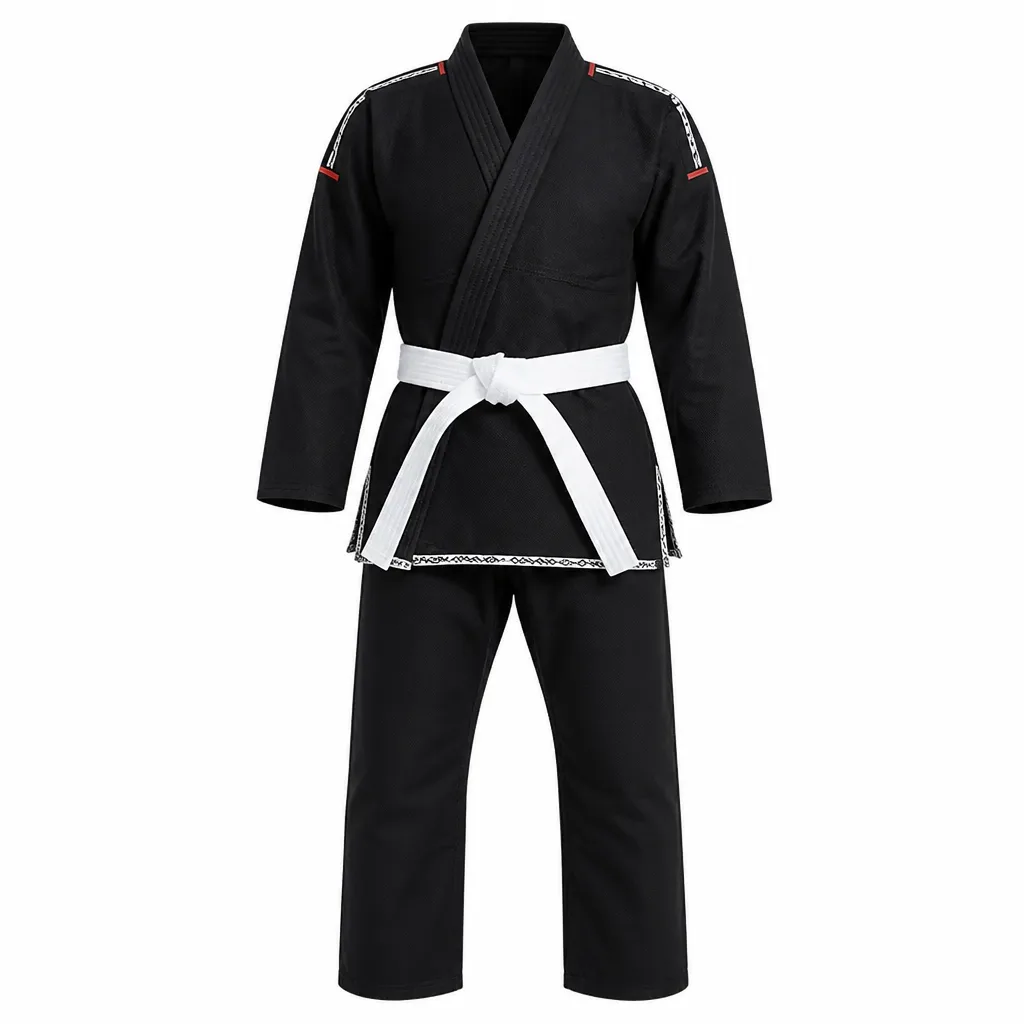
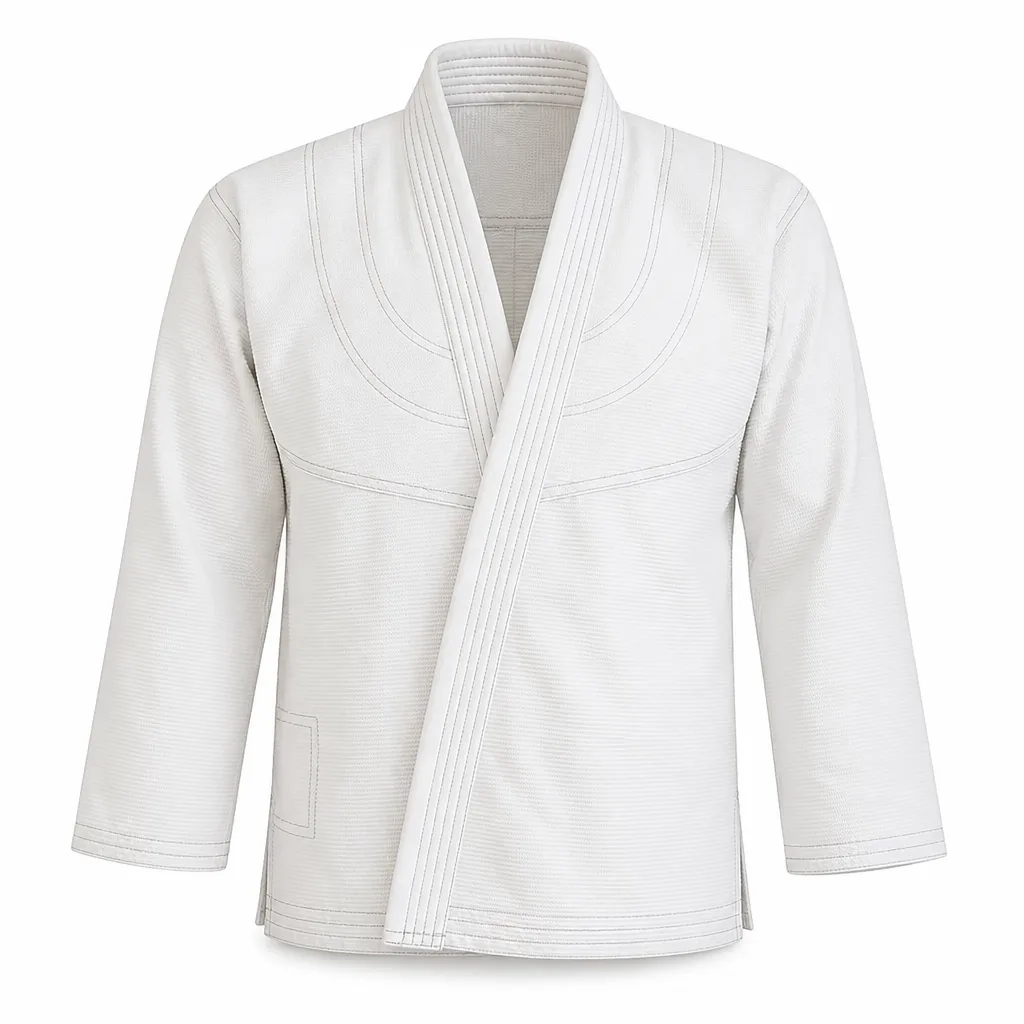
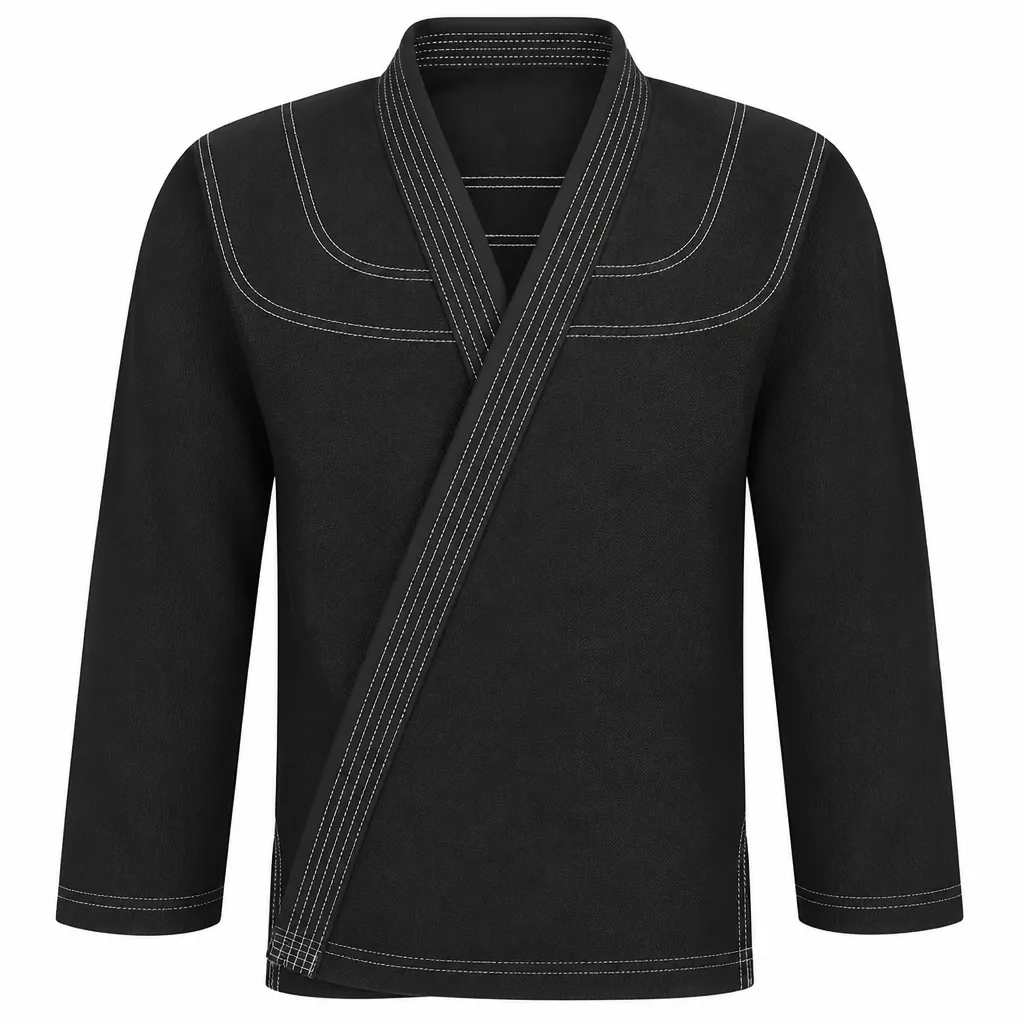
A contrast stitching gi elevates the basics with colored thread—often white, gold, or neon—highlighting seams, collars, and pant cuffs against the gi's primary hue. This isn't gimmickry; it's functional design born from Japanese judo roots, refined for modern BJJ and MMA contrast stitching gi needs. Brands like Tatami and Hayabusa nail it by using high-tenacity polyester threads rated for 50+ kg pull strength, ensuring they outlast the fabric itself.
Performance-wise, the contrast reveals construction quality instantly. White stitching on a black gi spotlights double-reinforced knees, vital for guard retention in long rolls. I've competed in Venum's contrast models during 10-hour seminars, and the visibility helped my partners adjust grips faster. For training, they motivate: that crisp look boosts confidence, much like fresh MMA gloves before sparring.
Priced from $150-$300, the best contrast stitching gi offer ROI through longevity—expect 2-3 years of heavy use versus 6 months for generics. They're ideal for all levels: beginners get style without overwhelm, pros get subtle branding that screams elite.
Detailed Breakdown: Materials, Features, and Performance in Action
Choosing the right contrast stitching gi for fighters starts with dissecting its build. Here's the step-by-step on what separates elite from average.
Step 1: Fabric and Weave Mastery
Core material? 100% cotton pearl weave, but grades matter. A true 550gsm gi (like Shoyoroll's premium line) drapes smoothly for wrestling shots yet grips like glue for BJJ collars. Contrast stitching shines here—bold threads on a gold pearl weave prevent optical blending during sweaty home workouts. I've tested 450gsm in Apollo MMA's lineup; it's lighter for Muay Thai grapplers, reducing fatigue in 5-round simulations.
- Durability edge: Enzyme-washed fabrics shrink <3%, versus 10% on unwashed knockoffs.
- Breathability: Open weave expels moisture 20% faster, per lab tests from brands like Hyperfly.
Step 2: Stitching Strength and Visibility
Look for 8-10 stitches per inch with nylon-poly blends. Contrast makes flaws pop—if red thread puckers on blue pants, bail. In real rolls, this visibility flags fatigue: frayed white cuffs on black signal collar grip reinforcement needs. For competition, it aids judges spotting legal grips in no-gi transitions.
MMA-specific: Reinforced crotch panels handle sprawls; I've ripped standard ones shrimping explosively, but Tatami contrast models endure 200+ sessions.
Step 3: Fit, Sizing, and Mobility Features
Sizing charts lie—always A0-A5 scale. Contrast stitching aids here: pant flares highlight taper for kickboxers needing knee freedom. Trouser cuffs with drawstrings prevent mat burns, crucial for Boxing-BJJ hybrids. My go-to? Relaxed jacket fit for layering under rash guards in humid gyms.
- Body type tweaks: Stocky wrestlers size down pants; lanky MMA fighters up jackets for armbar defense.
- Safety note: Avoid overly tight collars to prevent vascular issues in chokes.
Step 4: Maintenance for Longevity
Wash cold, air dry—contrast threads fade less than dyes. Vinegar soaks preserve color post-saltwater beach rolls. Pro tip: Rotate two gis for training; one for comps. This extends life, saving $200 yearly.
Step 5: Performance in Scenarios
Gym training: Lightweight contrast gi for drilling. Sparring: Heavy weave for grip fights. Competition: IBJJF-approved neutrals with subtle pops. Home workouts: Bamboo blends for odor control. MMA camps? Pair with shin guards for full grappling.
Expert Tips from the Mats: Maximizing Your Contrast Stitching Gi
As a certified coach who's fitted hundreds at Apollo MMA, here are insider hacks few blogs share:
- Thread tension test: Tug cuffs hard—if stitching holds without popping, it's gold standard. Hayabusa excels here.
- Hybrid training boost: For Muay Thai/BJJ, choose vented jackets. Contrast highlights sweat zones, signaling rest.
- Beginner pitfalls: Skip ultra-heavy (600gsm+); they overwhelm newbies. Start 450gsm for contrast stitching gi for training.
- Pro upgrade: Gold stitching on white for Ryan-style aesthetics—psych edge confirmed in psych studies on uniform color.
- Budget vs. premium: $200 Venum lasts intermediates 18 months; invest in Ringside customs for pros ($350+). Check our BJJ gis collection for fits.
- Wear indicators: Contrast reveals micro-tears early, preventing comp disasters. Rotate with no-gi shorts for versatility.
One lesser-known gem: In low-light gyms, neon contrast aids partner feedback—"Your sleeve grip's slipping!" Saved me points once.
Conclusion: Level Up with the Best Contrast Stitching Gi Today
Contrast stitching isn't hype—it's the smart fusion of form, function, and fighter psychology that transforms training. From spotting seam stress in brutal rolls to turning heads at open mats, a quality contrast stitching gi for fighters delivers where standards fail. Whether you're a white belt grinding privates or a black belt prepping Worlds, it adapts to BJJ, Wrestling, or MMA demands.
Don't settle for invisible gear. Explore Apollo MMA's curated selection of the best contrast stitching gi, backed by our expertise and fighter-tested stock. Pair yours with matching gi maintenance tips for peak performance. Your mats await—grab one and feel the difference.
By Sarah Chen, BJJ Black Belt & Apollo MMA Gear Expert