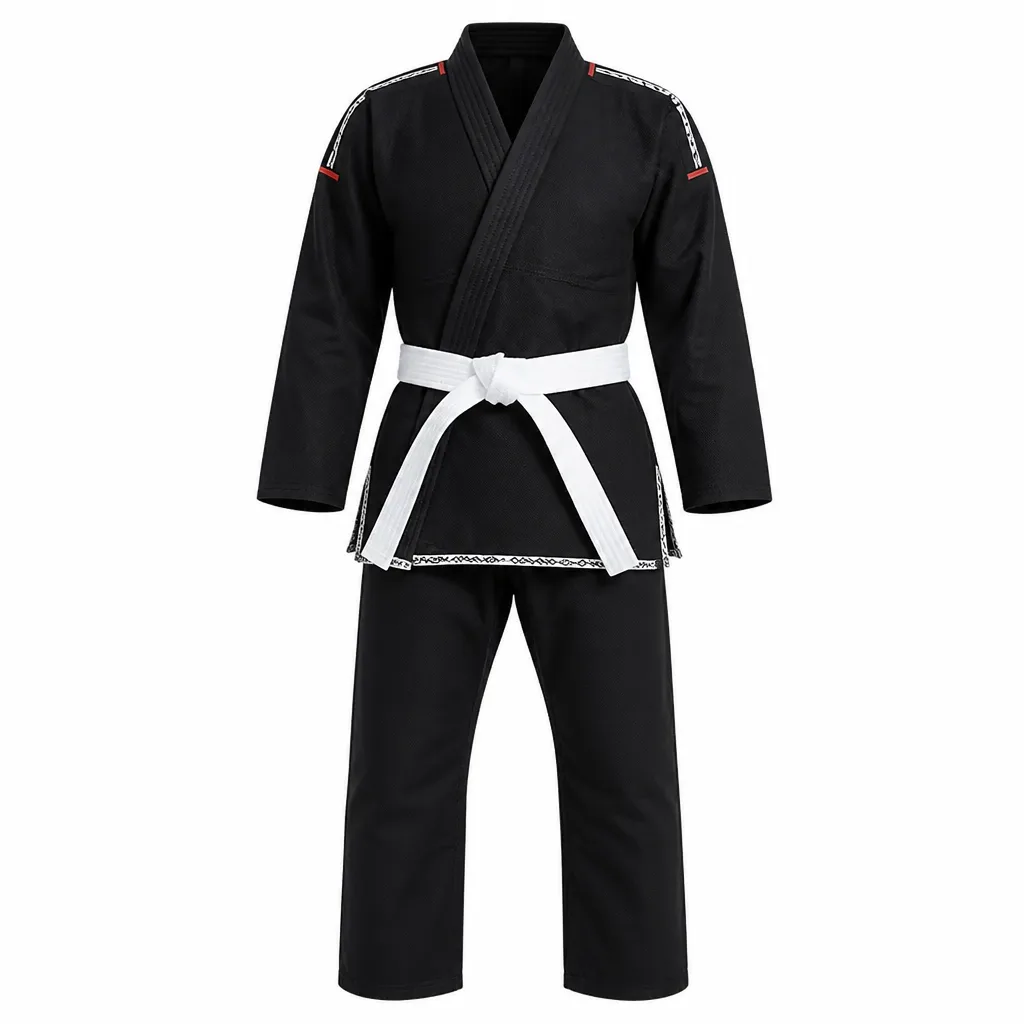
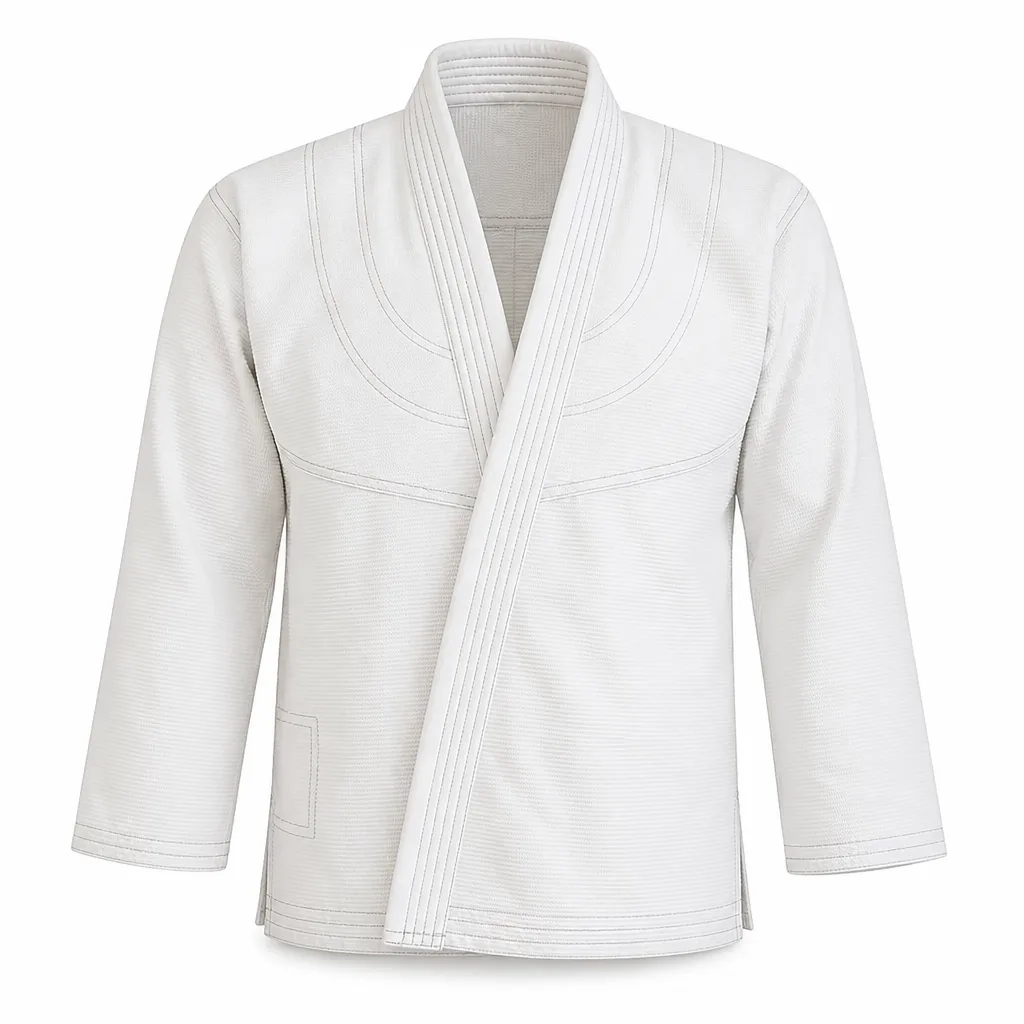
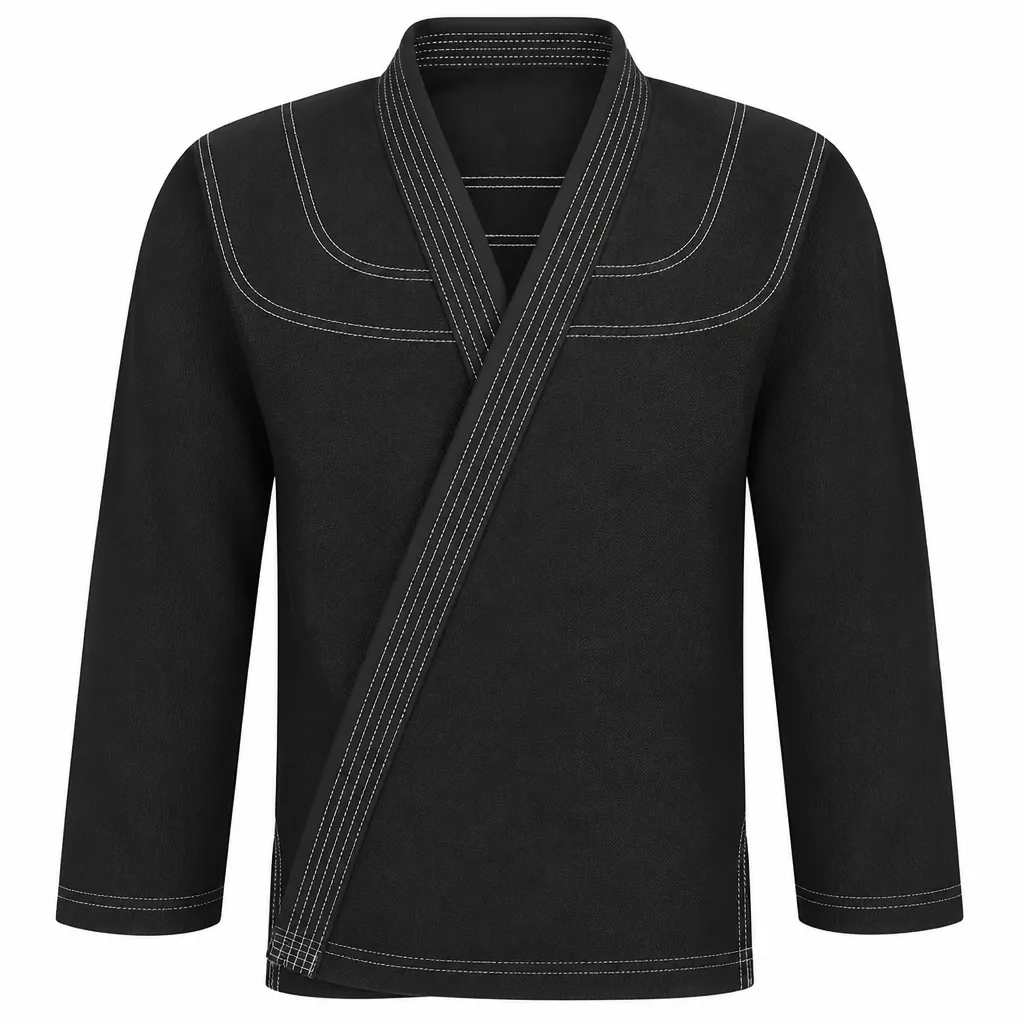
How to Choose the Perfect Cotton Drill Gi Pants for Your Training
Nothing derails a intense grappling session faster than cotton drill gi pants that bunch up, tear at the seams, or feel like sandpaper against your skin. If you've ever tapped out early because your gear betrayed you mid-roll, you're not alone. As a Brazilian Jiu-Jitsu black belt who's logged thousands of hours on the mats—from sweaty gym grinders to high-stakes competitions—I've tested countless pairs of cotton drill gi pants. The right ones can transform your training, while the wrong ones leave you frustrated and exposed.
In this guide, we'll cut through the noise to help you find the best cotton drill gi pants for your needs, whether you're a beginner building fundamentals or a pro fighter prepping for the cage. Drawing from real-world wear and tear, we'll cover everything from fabric weaves to fit quirks that only show up after 50 washes.
The Real Problem with Most Gi Pants on the Market
Picture this: You're drilling guard passes in a packed BJJ class, and suddenly your gi pants start riding up, exposing your knees and killing your focus. Or worse, during a live roll, the fabric splits at the crotch because it couldn't handle the torque of a deep half guard. These aren't rare horror stories—they're the daily reality for fighters who grab the cheapest option without understanding the pitfalls.
Cotton drill gi pants, prized for their heavyweight canvas-like durability in grappling arts like BJJ and wrestling, often fall short due to inconsistent quality. Thin weaves tear under pressure, baggy fits hinder mobility in MMA sparring, and poor reinforcement leads to quick breakdowns. Beginners might not notice at first, but intermediate and advanced practitioners feel it in every scramble: restricted blood flow from overly tight legs, chafing from rough seams, or pants that loosen mid-training despite double-knotting the drawstring.
I've seen it firsthand coaching at commercial gyms and private sessions. A wrestler transitioning to MMA grabs lightweight pants meant for no-gi, only to have them shred during takedown drills. Muay Thai fighters cross-training in BJJ complain of pants too stiff for clinch work. The result? Distracted training, higher injury risk, and gear that's destined for the trash after a few months.
Understanding the Unique Challenges of Cotton Drill Gi Pants
Cotton drill fabric—typically a twill weave of 10-14 oz per square yard—excels in grappling because it grips without being as abrasive as pearl weave tops. It's the go-to for cotton drill gi pants for fighters who need pants that withstand constant friction from guard retention, leg locks, and sprawls. But not all drill is created equal: cheaper imports use short-staple cotton that pills and fades, while premium options like those from Tatami or Shoyoroll employ long-staple fibers for longevity.
Different disciplines amplify these challenges. In BJJ, pants must endure knee rides and sleeve grips without ripping. Wrestling demands flexibility for single-leg shots, so overly rigid drill feels punishing. MMA fighters blending striking and grappling need pants versatile enough for shin guards underneath during sparring. Body types matter too—stocky grapplers need wider hips and tapered legs, while lanky kickboxers prioritize inseam length to avoid bunching during high kicks.
Training environments play a role. Home workouts might forgive looser fits, but commercial gyms with rubber mats chew through weak stitching fast. Competition settings? IPSC or ADCC rules require specific weights and colors, and ill-fitting pants can cost you points or worse, a submission opportunity. Safety-wise, pants that stay put prevent accidental exposures or grips on loose fabric that could lead to illegal holds.
Price is another hurdle. Budget pairs under $50 seem tempting but often lack double-reinforced knees, leading to blowouts. Mid-range $60-100 options strike a balance, while pro-level gear pushes $150+ for custom tailoring. Without guidance, you're gambling on specs that sound good on paper but flop in practice.
Your Solution: A Proven Framework for Picking the Best Pair
The good news? Choosing MMA cotton drill gi pants or pure grappling bottoms doesn't require trial-and-error anymore. My framework, honed from outfitting dozens of clients from novices to UFC contenders, boils it down to five key pillars: fabric integrity, fit precision, construction quality, versatility, and value. Follow this, and you'll own pants that last 200+ sessions while boosting your performance.
We'll dive into detailed steps next, but here's the overview: Prioritize 12-14 oz drill for durability, A1-A3 sizing scales used by brands like Hayabusa, triple-stitched seams, and adjustable waists. Test for mobility in dynamic movements like shrimping or bridging. At Apollo MMA, our curated selection embodies these standards, saving you from the junk flooding big-box sites.
Step-by-Step Guide to Selecting Cotton Drill Gi Pants
Let's break it down methodically. This isn't generic advice—it's battle-tested from rolling in everything from Venum's hybrid MMA lines to Fairtex's Muay Thai-adapted drills.
Step 1: Assess Your Training Demands and Discipline
Start with your primary sport. BJJ purists thrive in heavy 14 oz cotton drill gi pants for maximum grip resistance. MMA fighters? Opt for lighter 10-12 oz cotton drill gi pants for training that layer under shorts for no-gi transitions. Wrestling or kickboxing cross-trainers need mid-weight with stretch panels at the knees.
- Gym drilling/sparring: Reinforced knees and cuffs for mat burn protection.
- Competition: IBJJF-compliant colors (white, blue, black) with no external logos.
- Home workouts: Breathable drill to combat sweat in non-AC spaces.
Pro tip: If you're blending Muay Thai clinches with BJJ, avoid pants without velvet-lined drawstrings—they grip better on sweaty opponents.
Step 2: Master the Sizing and Fit Matrix
Gi sizing isn't like streetwear. Brands use A0-A6 scales based on kimono tops, but pants follow suit. Measure your waist relaxed, hips at widest, and inseam from crotch to ankle bone.
| Size | Waist (in) | Hips (in) | Inseam (in) | Best For |
|---|---|---|---|---|
| A1 | 28-30 | 34-36 | 30-32 | Beginners, slim builds |
| A2 | 30-33 | 36-39 | 32-34 | Intermediate, athletic |
| A3 | 33-36 | 39-42 | 33-35 | Advanced, muscular |
| A4+ | 36+ | 42+ | 34+ | Pros, larger frames |
Key fits: High-rise waist for secure grip during stack passes; tapered legs to prevent snags on opponents' toes. I've coached stocky wrestlers who swear by A2L (long inseam) to avoid puddling during sprawls. Always check brand charts—Everlast runs snug, Tatami true-to-size.
Step 3: Scrutinize Fabric and Construction Details
Drill cotton should feel substantial, not floppy. Look for:
- Ounce weight: 12 oz minimum for cotton drill gi pants for fighters; 350-450 GSM ideal.
- Weave: Twill over sateen for tear resistance.
- Reinforcements: Double-knee panels, crotch gussets, bar-tacked stress points.
- Waistband: 2-3" wide with internal elastic + cotton cord (no cheap plastic tips).
Durability test: Pinch the fabric—if it deforms easily, pass. Brands like Ringside use ripstop blends for hybrid MMA use, holding up to shin guard friction.
Step 4: Evaluate Versatility and Maintenance
Great pants adapt. They pair with rash guards for no-gi MMA, layer under boxing trunks, or stand alone for wrestling. Breathability prevents overheating in humid Thai boxing gyms.
Maintenance matters: Cold wash, air dry—no fabric softener, or the drill loses grip. Expect 5-10% shrinkage first wash; pre-shrunk is a must for comp prep.
Step 5: Balance Price, Brand Rep, and Apollo MMA's Picks
$70-120 gets the best cotton drill gi pants without overpaying. Tatami Elementals for value, Shoyoroll for heirloom quality, Hayabusa for MMA pros. Skip no-names—reviews lie, but real fighters don't.
Browse Apollo MMA's collection for vetted options with our fit guarantees.
Expert Tips from a BJJ Black Belt and Strength Coach
Here’s insider knowledge you won’t find elsewhere:
- Layering hack: For MMA sparring, choose pants with 1-2" cuff openings for ankle supports. Pair with our compression shorts to wick sweat.
- Body type tweaks: Ectomorphs add thigh tape inside for bulk; endomorphs size up waist, taper legs.
- Safety first: Reinforced seams reduce grab-and-tear injuries. Always check for loose threads pre-roll.
- Durability benchmark: Good pants survive 100 machine washes without fading; test by rubbing fabric on itself.
- Training integration: For more on pairing gear with drills, check our training tips.
One lesser-known gem: Velvet piping on drawstrings (like premium Venum) prevents slippage in no-gi wrestling. And for home gyms, antimicrobial-treated drill cuts odor—essential post-leg day strength sessions.
Pro fighters I coach rotate two pairs: one heavy for BJJ, one lighter for MMA/Kickboxing hybrids. Incorporate training tips like progressive resistance drills to test pants under load.
Gear Up Right: Elevate Your Training with Confidence
Finding the perfect cotton drill gi pants for training isn't about hype—it's about gear that matches your grind. Armed with this guide, you'll dodge the duds and invest in pants that fuel progress, from white belt survival to black belt dominance.
At Apollo MMA, we stock the world's finest from trusted makers, with expert curation for every fighter. Head to our collection today, apply these steps, and feel the difference on the mats. Your next submission starts with solid foundations—don't let bad pants hold you back.
Questions on fit or brands? Drop a comment below. Train smart, roll hard.
By Sarah Chen, BJJ Black Belt & Certified Strength Coach at Apollo MMA